Voting is one of the most fundamental rights and responsibilities of U.S. citizens. It is an opportunity to help shape the government and future of the country we all call home. For those who had to complete a rigorous, years-long process to achieve citizenship, voting can hold a special meaning.
With the 2026 midterm elections approaching, we asked four IINE staff members who recently became citizens to share what voting means to them.
Anca Moraru, Chief Program Officer
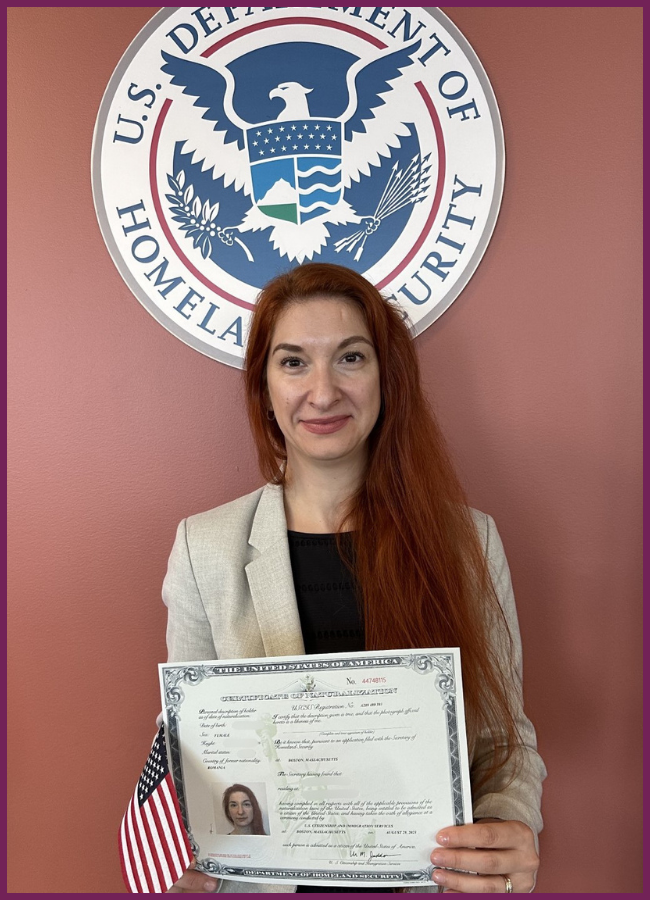
What does it mean to you to have the opportunity to vote in U.S. elections?
Having the opportunity to vote in U.S. elections means a great deal to me. As an immigrant from Romania who chose to build a life in this country, becoming a U.S. citizen was one of the proudest moments of my life. Voting is more than a right; it is a privilege and a responsibility. It gives me a voice in shaping the future of the country that welcomed me. Every time I vote, I feel grateful for the opportunity to participate in a democratic process and help make decisions that affect my community and future generations.
Did you have the opportunity to vote before you came to the U.S.?
I did have the opportunity to vote in Romania, but the experience felt very different. While elections were held, many people were skeptical about how much influence ordinary citizens had on the political process and whether meaningful change would result.
Have you had the opportunity to vote here yet? How was the experience?
Yes, I have had the opportunity to vote in the United States, and it was an emotional experience. I remember feeling a deep sense of pride as I cast my ballot for the first time as a U.S. citizen. It represented years of hard work, perseverance, and commitment to becoming part of this country. Standing in line with fellow voters, I felt that I truly belonged and that my voice mattered. It was a moment I will never forget.
What are you thinking about as you prepare to vote in the midterms in November?
As I prepare to vote, I am thinking about the issues that affect my work, the families and communities we serve at IINE, and the future of our country. I take time to learn about the candidates and their positions so I can make informed decisions. For me, voting is an important civic duty, and I want to make sure I am contributing thoughtfully and responsibly.
What is your message for people who might not yet have made a plan to vote?
My message is simple: don’t take your right to vote for granted. Around the world, many people do not have the same opportunities to freely participate in choosing their leaders. Voting is one of the most powerful ways we can make our voices heard and influence the direction of our communities and country. Even if it sometimes feels like one vote doesn’t matter, every vote contributes to the larger democratic process. I encourage everyone who is eligible to vote and to stay engaged in civic life.
Nneka Cullen, Office Administrator
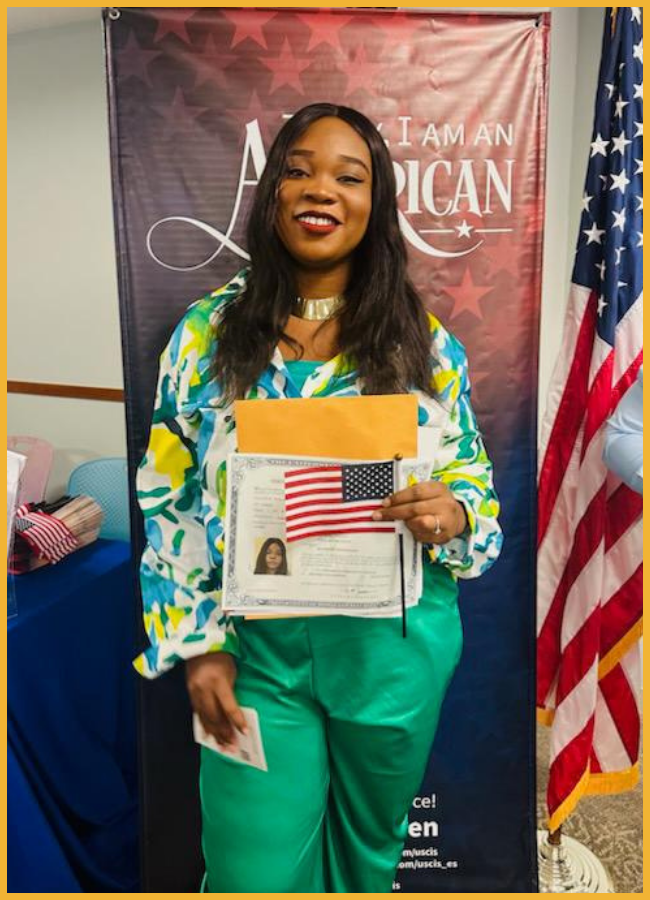
What does it mean to you to have the opportunity to vote in U.S. elections?
Having the opportunity to vote in U.S. elections means a great deal to me. It is a privilege I never take for granted. Voting gives me a voice in the issues and policies that shape my future, affect my community, and impact people who may not have the same opportunity to be heard. As a Black immigrant woman who has learned about U.S. history, participating in elections is especially meaningful because it honors the legacy of the civil rights advocates who fought for this right.
Did you have the chance to vote before you came to the U.S.?
I never had the opportunity to vote in my home country, Nigeria, before coming to the U.S. Nigerian citizens aged 18 and older are eligible to vote in the country’s federal democratic system. Presidents serve four-year terms and may seek a second term, much like in the U.S. However, from what I observed growing up, corruption, insecurity, voter intimidation, and election-related violence can undermine electoral integrity and prevent elections from being truly free and fair.
Have you had a chance to vote here yet? How was the experience?
Yes, I voted in the 2024 U.S. presidential election, and the process was smooth and well-organized. Casting my ballot made me feel empowered. It was a monumental moment—not only was it my first time voting in the U.S., but also the first election in which I had ever participated.
What are you thinking about as you prepare to vote in the midterms in November?
Immigration reform is one of the issues foremost on my mind. As an immigrant and new American, this issue is deeply personal to me. I am especially concerned about increasingly restrictive immigration policies, including aggressive enforcement tactics and mass deportations.
What is your message for people who might not yet have made a plan to vote?
Voting is a privilege that should never be taken for granted. When you choose not to vote, you allow others to make decisions about your rights and the issues that may affect you and your loved ones. Every vote matters, and democracy depends on our continued participation.
For new Americans who may feel hesitant, casting a ballot honors the hard work, financial sacrifices, and years of waiting that led to citizenship. We are no longer observers of U.S. politics; we are full citizens whose votes carry the same weight as those of people born here. By voting, we can ensure that the perspectives of first-generation Americans are represented at the local, state, and federal levels and that our government better reflects the country’s changing demographics.
Anything else you want to say about voting or the upcoming election?
Please vote in the upcoming November elections. I cannot overstate how important it is to hold our elected officials accountable. This election may also determine congressional control, which is vital because it can shape the legislative power and policy direction of this country.
Farishta Shams, Community Services Manager
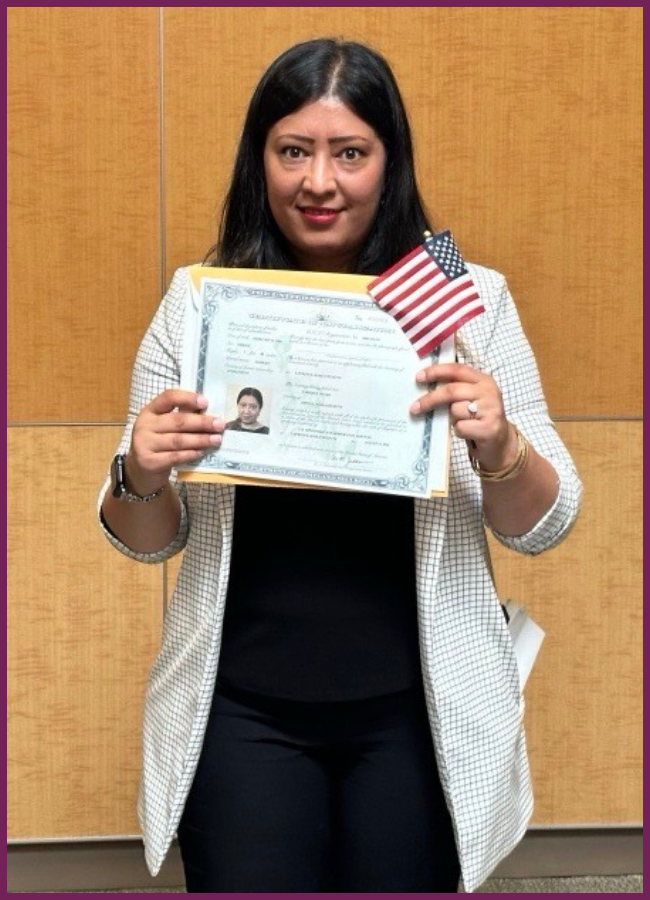
What does it mean to you to have the opportunity to vote in U.S. elections?
I care deeply about having the ability to vote in elections in the U.S. I am an Afghan. I grew up without the opportunity to participate in a democratic election or to feel that my voice could directly help shape the future of my country. I feel proud, grateful, and included when I can vote in the United States. It reminds me that my voice matters and that I am part of the community and country in which I now live.
Did you have the chance to vote before you came to the U.S.?
No, I did not have a chance to vote until I came to the U.S. In Afghanistan, elections and the transfer of political power were very different. I didn’t grow up with the same sense that I could participate in choosing my representatives through voting. Coming to the U.S. helped me to understand how peaceful participation in elections can give people a voice in their government.
Have you had a chance to vote here yet? How was the experience?
Yes. When I vote, I feel proud to be an American citizen and thankful for the rights and responsibilities of citizenship. It’s more than just marking a ballot; it’s about being part of the community and being able to have a say in the future of the country I call home.
What are you thinking about as you prepare to vote in the midterms in November?
I’m thinking about the issues that matter to my family, my community, and Americans across the country. I want to know about the issues and the candidates so I can make a decision based on information. I also think about how lucky I am to have a voice, and the responsibility that comes with using it.
What is your message for people who might not yet have made a plan to vote?
My message is this: be grateful for your right to vote. People all over the world have never had the chance to choose their representatives freely or to be heard through an election. One vote may seem small, but being involved is a way to be heard and to be a part of your community.
Anything else you want to say about voting or the upcoming election?
Voting is more than a political process for me. It is a symbol of freedom, belonging—of a voice. I hope more people, especially those who have always had the right to vote, see how meaningful that opportunity is and take the time to participate.
Atanur Arapoglu, I.T. Director
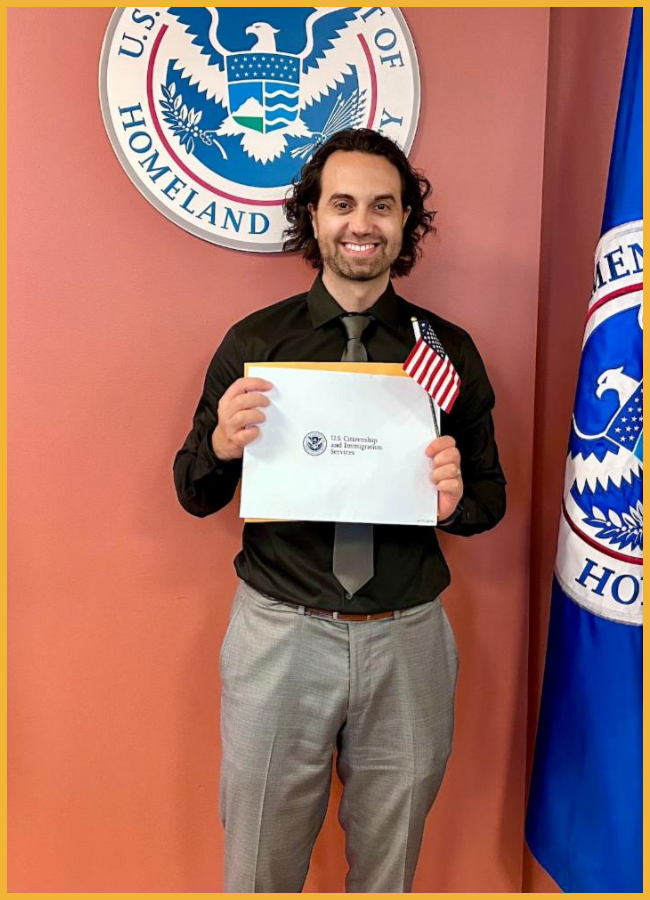
What does it mean to you to have the opportunity to vote in the elections in the U.S.?
It really means everything to me, personally. As a naturalized U.S. citizen, voting is both a civic responsibility and a privilege I do not take for granted. It gives me a voice in the future of the country I chose to call home and a meaningful way to participate in the democratic process. For me, casting a ballot is also a powerful reminder that citizenship is not only about belonging, but also about taking responsibility for helping shape our communities and our shared future.
Did you have the chance to vote before you came to the U.S.?
Unfortunately, I arrived in the U.S. just before becoming eligible to vote. Before my departure from Bulgaria, power transitions were democratic with little doubt about election integrity. Twenty-five years after leaving, I have observed a gradual decline in the democratic process, reaching a point where voter intimidation and the jailing of a free press have become normalized. As a former refugee who escaped ethnic cleansing in the late 1980s under a communist regime, I am genuinely concerned how voting is seen as not effective and, for some, outright pointless, especially after spending more than two decades in the U.S. to earn this right.
Have you had a chance to vote here yet? How was the experience?
Yes, I voted in the 2024 presidential election, in one local election, and in the primaries, and I am ready to cast my vote in the upcoming midterms in less than a month. The process became smooth once I worked through the intricate details. I was surprised by how hard it was to find straightforward answers about candidates, the ballots I needed, or accurate dates for early voting. I signed up for city notifications and receive daily ads about lowering my car insurance or hiring a handyman for my gutters, but little about the voting process beyond a booklet that points me to a website with outdated dates. During the last primary, we returned to our voting location three times because the city website claimed early voting was available when it was not. We need better resources to encourage voting. For someone who wants to cast a vote in every election, the process feels cumbersome, outdated, and at times inaccurate.
What are you thinking about as you prepare to vote in the midterms in November?
I often wonder why voting is not mandatory in the U.S. I recently discussed voting practices in other countries with a colleague and learned that nations such as France and Australia require citizens to vote and may impose fines on those who do not. As a result, voter turnout can reach as high as 98 percent. I can only imagine the number of issues that could be addressed through a single requirement like this.
What is your message to people who might not yet have made a plan to vote?
If you are unhappy with the political environment at any given time, the answer is to vote. Choosing not to participate because neither side fully satisfies you can lead to the very outcomes you oppose. Vote for the side that best represents your values and ensures your voice is heard, then continue voting in future elections until you see the change you want to achieve.
Anything else you want to say about voting or the upcoming election?
If we directed even half of the attention we express about flock cameras and data centers toward voting, we would be in a much better place in the near future. This is not trivial. We have plenty of examples from history. For me, voting in November is important because it is an opportunity to have a voice in the decisions that shape our communities, our country and our future. Voting allows us to help choose the direction we want our communities and our country to take. Every election matters because our elected leaders make decisions that impact our daily lives.
- - -
Helping refugees and immigrants resettle, find safety and opportunity, and succeed in New England takes a community. Explore ways to get involved with this critical work.
Artículos relacionados

IINE Sues to Block Trump-Vance Administration Rules that Strip Refugees of Legal Protections Without Due Process

Maryam and Mauret: A Volunteer Helps a Young Afghan Refugee Pursue Her Dreams in New Hampshire

Restrictive and Unjust: IINE Statement on Presidential Determination on 2027 Refugee Admissions