In October of 2024, in the run-up to the election, IINE published a blog post entitled “What if the U.S. said no to immigrants?,” outlining 10 ways extreme immigration restrictions and crackdowns would negatively affect us all. Many of the U.S. immigration policies we feared have since been enacted, including mass deportation without due process, the ending of humanitarian protections, the suspension of the refugee program, and more.
Here are 10 ways restrictive immigration policies are affecting your daily life and our country as a whole:
1. Food is getting even more expensive.
Immigrants represent about 21% of all workers in the U.S. food industry, playing large roles in everything from farming and food production, to distribution, to grocery wholesale and retail. In October, the U.S. Department of Labor warned that the cutoff of immigrant workers is now threatening “the stability of domestic food production and prices for U.S. consumers” and that U.S.-born workers are not stepping in to fill positions with newly created and increasing vacancies. Further, studies show that revoking work authorization for 500,000 immigrants who came to the U.S legally through humanitarian programs could raise prices as much as 14% by 2028.
2. Medical care is becoming harder to get.
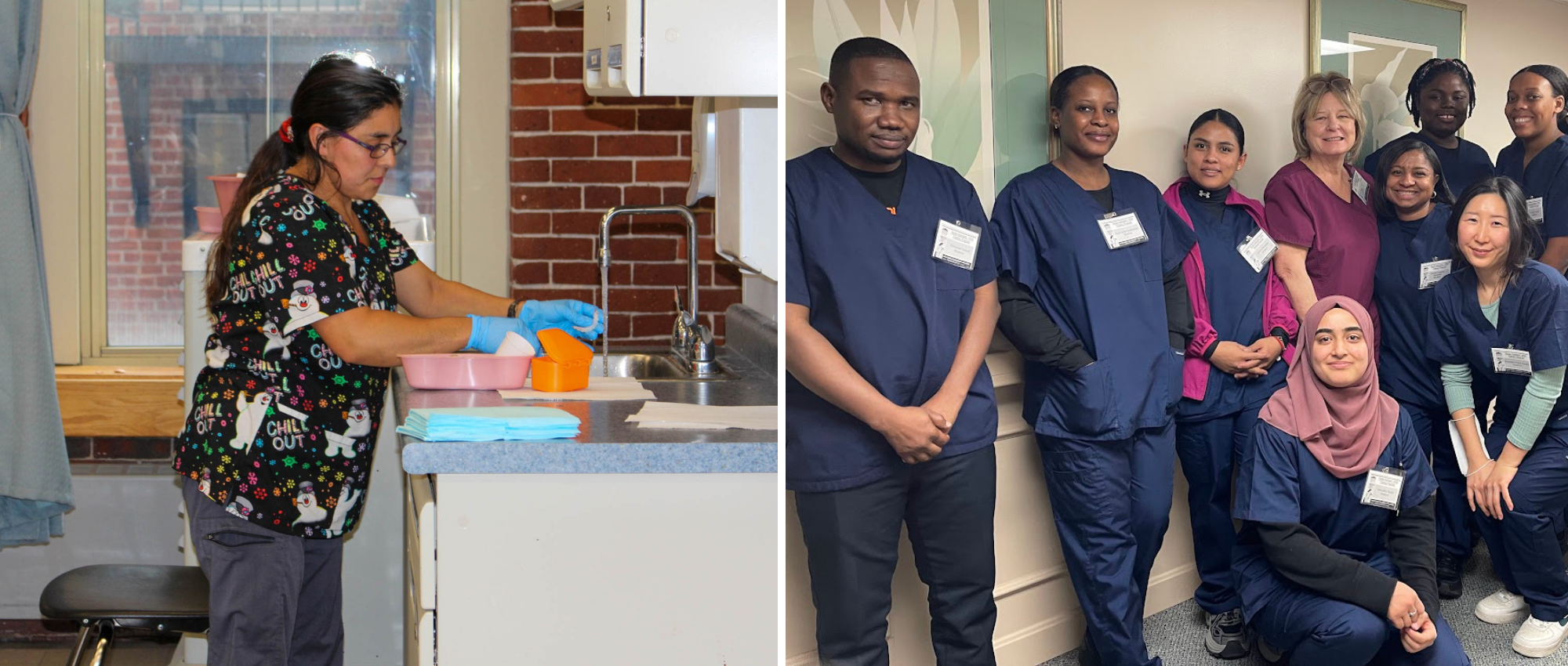
About 26% of doctors and surgeons and 41% of home health care aids are immigrants. Altogether, immigrants represent about 1 in 4 of all direct healthcare providers. As the U.S. population ages, the need for care is increasing while practitioners are retiring. Now, restrictive immigration policies are shrinking the healthcare workforce and worsening staffing shortages. Thousands of immigrant health professionals are losing their authorization to work. Many others are simply afraid to show up, and potential new health professionals are facing new fees and delays on visas and credentials. Healthcare employers are already reporting reduced capacity and fear that if trends continue, workforce shortages could cause vital facilities to close.
3. Our country’s celebrated diversity is under threat.
The blending of diverse ideas, languages, artistic expressions, and traditions has made U.S. culture unique and admired throughout the world. Our culture is now under threat. Legally sanctioned racial profiling is increasingly used in immigration enforcement. A campaign of fear is threatening immigrant businesses and canceling cultural festivals. The word “diversity” itself is being used as an excuse to cancel grant funding for projects that protect minorities and promote multiculturalism.
4. Your neighborhood is getting less safe.
Police are reporting that “people in their communities are now afraid to send their children to school, go to a hospital for medical treatment, or report crime or otherwise assist the police because they think those actions may result in immigration enforcement action against them or a loved one.” This culture of fear makes communities less safe for all. On the federal level, the Department of Homeland Security has diverted thousands of agents from vital missions, like combating child trafficking and black market sales of Iranian oil used to finance terrorism, to instead focus on immigration enforcement, even though more than 70% of people arrested since January had no criminal record.
5. Businesses are suffering.
Major U.S. industries like construction, manufacturing, hospitality, and technology are highly dependent on a mix of specialized immigrant and U.S.-born workers. In Massachusetts, immigrants staff hospitals and universities, engineering and manufacturing firms like G.E. and Raytheon, and biotech companies like Moderna and Biogen. In New Hampshire, immigrants make up 7.2% of the labor force and are especially concentrated in manufacturing, healthcare, and computer engineering.
These industries are now reporting worker shortages and dire projections. For example, according to a recent survey, “92% of construction firms report difficulty hiring, and ~28% of firms say immigration enforcement has directly or indirectly affected their jobsites.” The National Association of Home Builders has reported project slowdowns due to shortages of 200,000 to 400,000 workers.
6. Our claim to the world’s best universities is at risk.
U.S. universities draw and train the best professors, researchers, and students from throughout the world and benefit immeasurably from their contributions. Boston, in particular, has been shaped in no small part by the talented and driven people who travel to the region from throughout the world to attend Harvard, M.I.T., and more than 60 other area colleges and universities. International student enrollment has now begun declining due to discriminatory vetting, the fear caused by a rash of students’ and scholars’ visas being revoked over political speech, travel bans, and uncertainty around work authorization for graduates. Because foreign students pay higher tuition, this decline not only threatens our ability to attract the best and the brightest but also puts the overall fiscal health of our universities at risk.
7. Our economy is on pace to lose billions in tax revenue and consumer spending.
The U.S. population is rapidly aging and dwindling, and newcomers tend to be younger and have larger families. Immigrants currently account for 15% of the U.S. population, and 77% are of working age. Whether citizens or awaiting status, they are consumers, workers, and taxpayers. Reducing our immigrant population will cost us billions.
8. Our status as a leader in innovation is under threat.
From inventing the telephone to the polio vaccine, Hollywood movies to Levi’s jeans, microprocessors to Internet search engines, U.S. immigrants have driven innovation globally. Immigrants are directly responsible for a quarter of all patents in the U.S. Now, our nation’s already limited pathways to immigration are shrinking, visa fees are skyrocketing, and scientists working in the U.S. say the hostile environment is causing them to consider leaving.
9. We are forfeiting U.S. leadership as protectors of freedom, democracy, and the oppressed.
Closing our doors on people fleeing persecution, tyranny, violence, and environmental catastrophes violates our humanitarian values and, in many cases, international law. By blocking the right to apply for asylum, revoking humanitarian protections, arresting immigrants without due process, and abandoning over 100,000 people already approved for refugee status—including Afghans who supported the U.S. military abroad—the U.S. is sending dangerous messages to current and potential allies and forfeiting our ability to advocate for freedom from persecution throughout the world.
10. Millions of U.S. families are being torn apart.
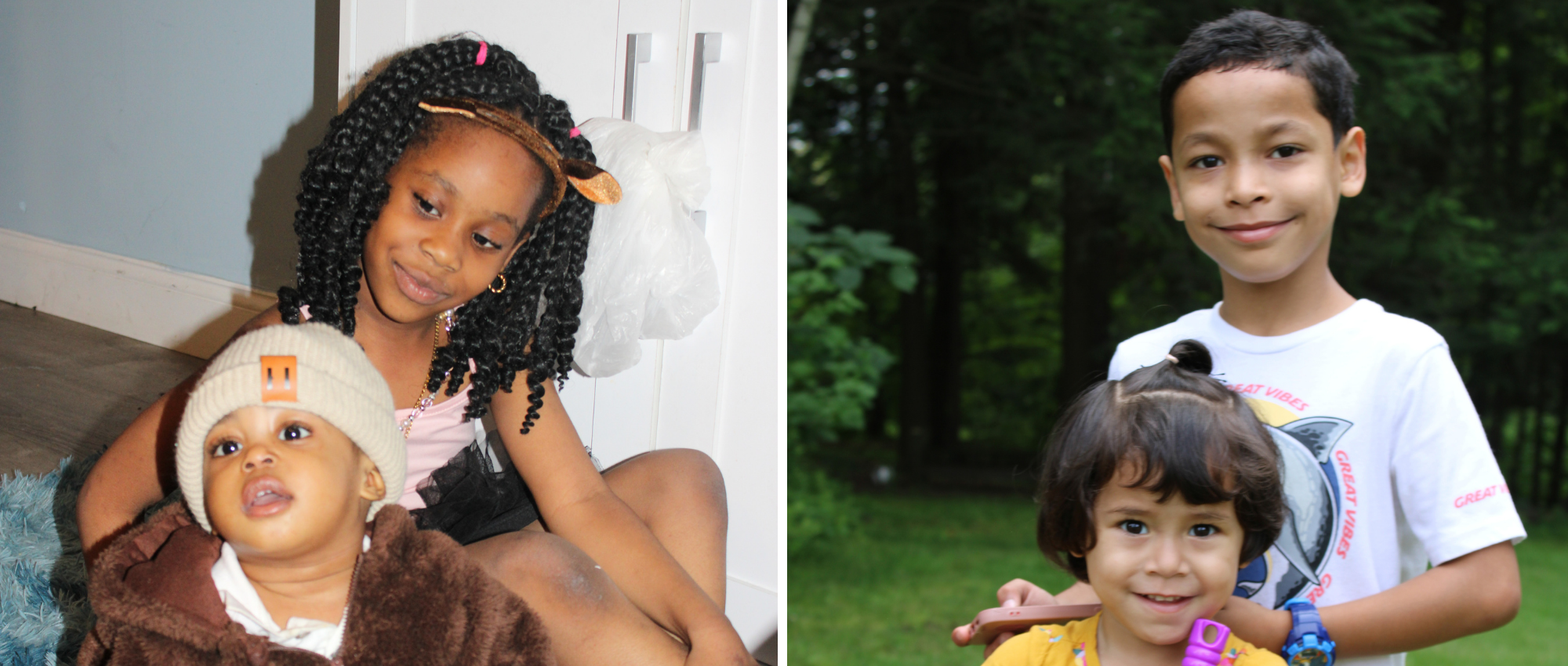
About 1,000 children who were intentionally separated from their families under the 2018 “zero tolerance” policy are still yet to be reunited. Today, an even more extreme approach to federal immigration restriction and enforcement is intentionally tearing more families apart. Five and a half million American children currently live with at least one undocumented family member, and thousands are now at risk of losing parents to detention or deportation. Meanwhile, millions of families remain divided across borders as family-reunification and refugee programs are suspended.
- - -
The good news is that these harmful policies are increasingly unpopular. We can change direction—but it will take work and numbers. Together, we need to advocate at every level to be the land of opportunity, diversity, and refuge we want to be.
Articles connexes

Maryam and Mauret: A Volunteer Helps a Young Afghan Refugee Pursue Her Dreams in New Hampshire

Restrictive and Unjust: IINE Statement on Presidential Determination on 2027 Refugee Admissions

Spotlight Report Excerpt: On Connecting Immigrant Talent to Healthcare Careers