metapixel
Перейти до основного змісту

Бостон
2 Boylston Street, 3rd Floor
Boston, MA 02116
617.695.9990

Лоуелл
101 Jackson Street, Suite 2
Lowell, MA 01852
978.459.9031

Манчестер
470 Pine Street, Lower Level
Manchester, NH 03104
603.647.1500

Звертайтеся
info@iine.org
iine.org

Контакти для ЗМІ
comms@iine.org

Слідуйте за нами


Пожертвувати

Our offices will be closed on Monday, May 25 in observance of Memorial Day.

Автор: Даніель Готьє

Meet Our 2025 Interns

Every spring, summer, and fall brings a new group of bright, passionate interns to our team. In this post, hear from four of this year’s interns, who made an impact across the organization.

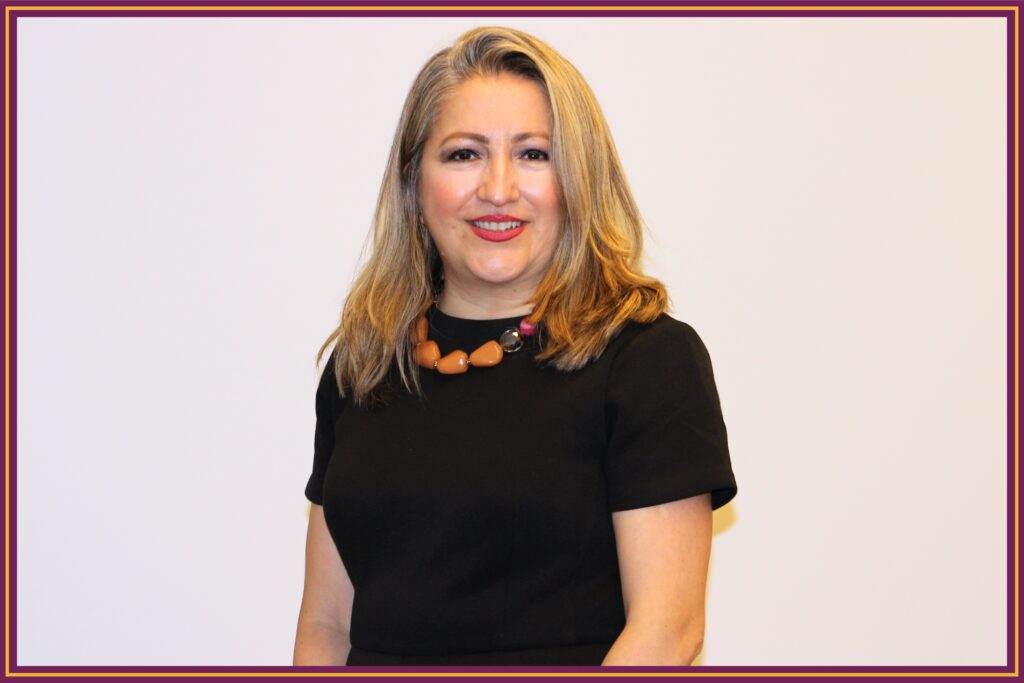
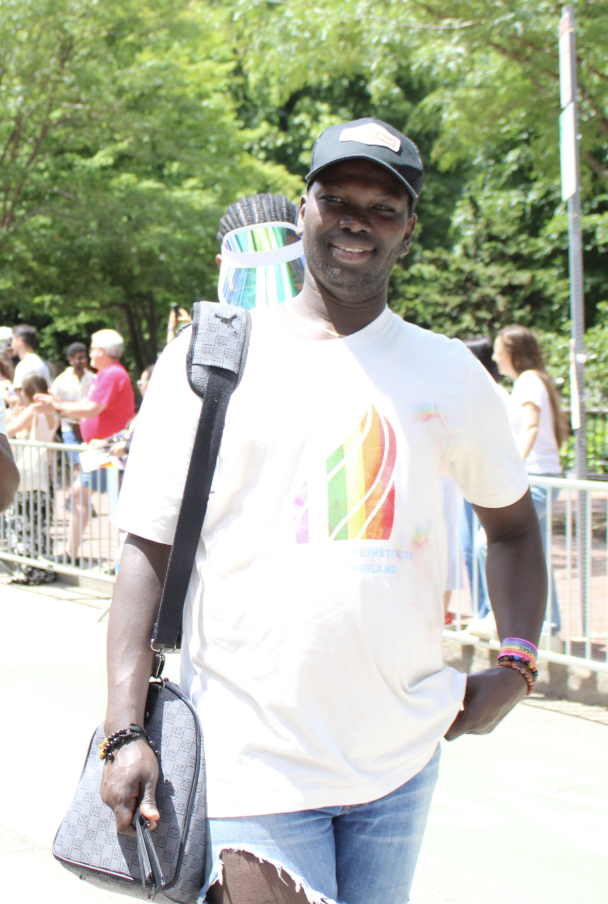
Elias Rodriguez, Advocacy Intern
Tufts University

What are you studying, and what drew you to those studies?
I am currently finishing my degree in Race, Colonialism, and Diaspora Studies and Civic Studies. When I knew I wanted to engage in work supporting immigrants, I saw two paths of study to be paramount for providing a good context for my work. I wanted to study why refugees are coming to the United States and understand in greater depth how colonialism has shaped paths of migration through displacement, and I have focused specifically on studying displacement in Latin America. I also wanted Civic Studies so my major would be based on both studies and practice. Civic Studies is geared towards studying how to make social change, and I have been able to participate in experiences that have informed how I understand my role in social change and have allowed me to gain skills through both study and direct practice.  

What led you to an internship at IINE?
I had heard about IINE both through friends who worked there and from some family members. My friend was an intern at IINE this past summer and really enjoyed it. As I entered my capstone internship for my Civics Studies major, I wanted to continue my work in supporting immigrants in the area, both at the Center to Support Immigrant Organizing and Enroot Education. The advocacy branch at IINE felt like a good fit, both because of my prior experience and the growing need for advocacy on all levels for pro-refugee policy after the suspension of the refugee program.  

What did you do as an IINE intern, and how did it help prepare you for future work?
I had a few main tasks. One was helping to facilitate meetings with our volunteers. Another was attending meetings for related advocacy organizations to take notes, which I shared with the advocacy team as we coordinated calls to action and policy updates for the week.  

My biggest project was a policy-tracking sheet that shows legislation co-sponsored by Massachusetts and New Hampshire representatives that affects refugees. I focused on representatives from the areas that IINE volunteers live in so that they’ll have an easy tool for understanding how their representatives are acting and which politicians they must put pressure on to make meaningful changes in policy. This specific project enriched my understanding of local politics and attitudes towards refugees. I also feel that it has prepared me for more long-term research work that can help spur action for my colleagues now and in the future.  

What was the work environment like at IINE?
IINE provides a vast amount of services and has a large variety of departments. I did not understand the full extent of this until I started working at the office. From the moment you walk in, folks in the resettlement branch are sitting and speaking with clients. Meetings are happening around policy and advancement in conference rooms. People are typing away at their desks and making signs for future IINE events. The office is clearly filled with highly mobilized individuals who are passionate about making refugees feel at home in our shared community, and the determination and passion are infectious to work alongside.   

Would you recommend this internship to other students?
100%! IINE is an organization doing incredibly important work to resettle refugees, and the opportunities to collaborate with people to support the mission are diverse and plentiful. There is so much to learn from everyone, and the work environment is friendly and productive.  

---

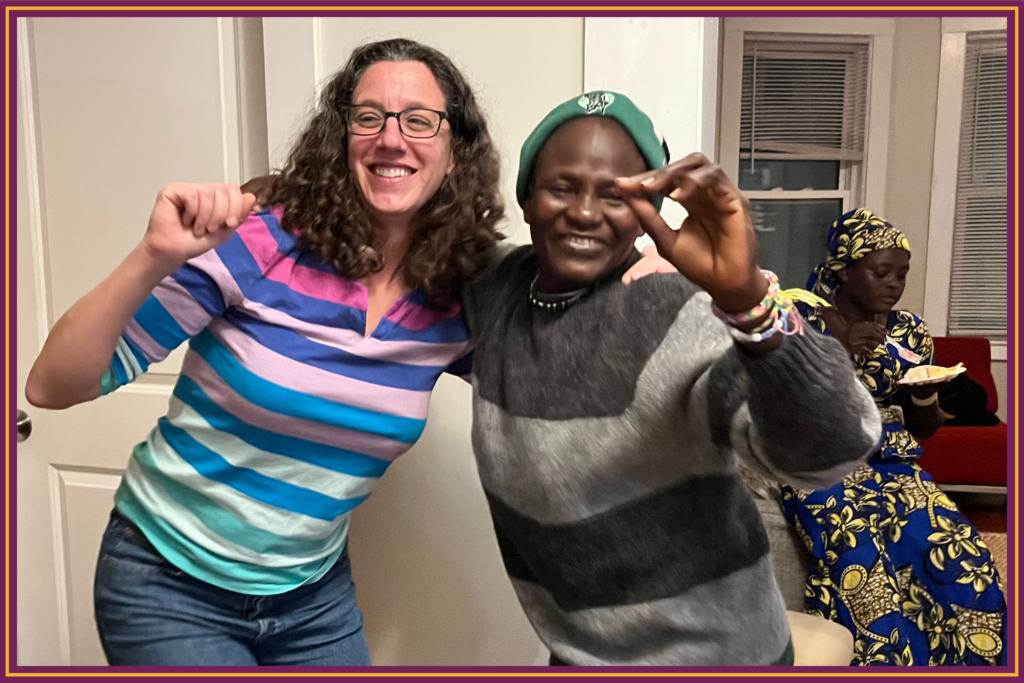
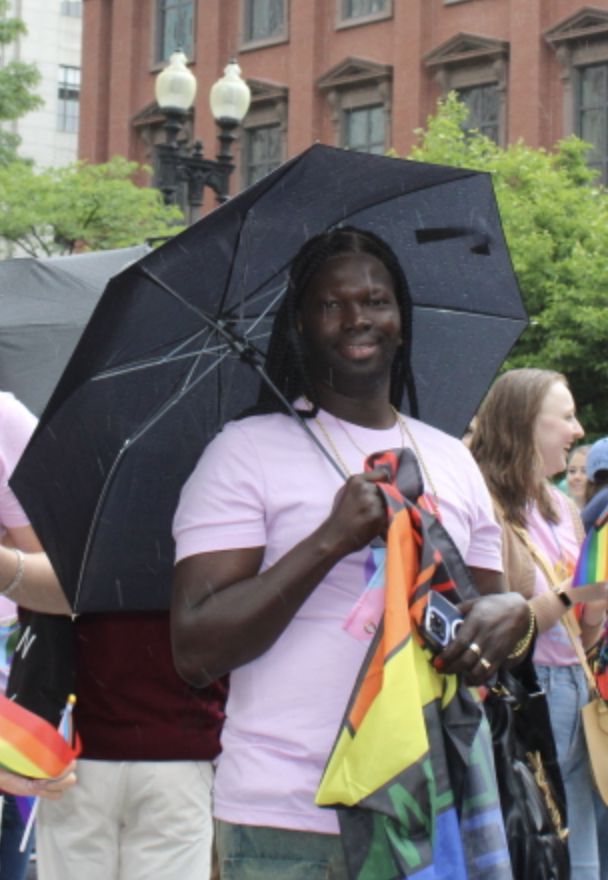
Zhuo (Claire) Pang, Lowell Community Services Intern
University of Sheffield (UK)

What are you studying, and what drew you to those studies?
I am currently a Ph.D. student in Urban Studies and Planning. My research focuses on how newly arrived immigrants experience and navigate urban spaces. I have a background in architecture and urban design, and I previously studied and worked in the Boston area. 

Outside of academia, I’ve volunteered in different roles that exposed me to the everyday experiences of refugees and immigrants in general, which deeply shaped my interests. This Ph.D. brings together my academic training in urban space with my passion for working with immigrant communities. It is also personal for me, as I am an immigrant from China myself. 

What led you to an internship at IINE?
My research led me to seek out organizations that support immigrants in the Greater Boston area, and IINE stood out as one of the refugee resettlement agencies in New England.  

I initially planned to volunteer, but then I discovered IINE’s internship program, which aligned well with my fieldwork schedule. I applied and was very happy to be accepted. Through this internship, I hoped to gain hands-on insight into how newly arrived immigrants are welcomed and supported, and to better understand the everyday challenges they face as they navigate life in a new city. 

What did you do as an IINE intern, and how did it help prepare you for future work?
As an intern, I worked closely with the Community Services team, primarily supporting resettlement and placement work. My responsibilities included welcoming new families, assisting with intakes and cultural orientation sessions, organizing case binders, and helping with case notes. I also worked with the volunteer team, joining bus tours and walking tours with clients. The work was varied, and I often stepped in as a helping hand wherever support was needed. 

This internship gave me a rare, first-hand window into the refugee resettlement process and the support needed by newly arrived immigrants. For someone with a background in urban design and an interest in welcoming and inclusive cities, this perspective is quite unique. It deepened my understanding of this specific population group and their everyday needs. 

Beyond that, the experience strengthened my ability to work across cultural and language differences and to collaborate with people from very different backgrounds than my own. These experiences have been valuable for my future research and practice. 

Any highlights?
One of the highlights for me was working in-person with clients—whether on bus tours, walking tours, or accompanying people to everyday places like laundromats and grocery stores. As someone who is deeply interested in how people relate to urban spaces, it felt like a real privilege to help introduce newcomers to the city. 

At the same time, because I was also new to Lowell, many clients showed me which places mattered most to them. In those moments, they became the guides. Walking through the city together and learning from each other made these experiences especially meaningful. 

What was the work environment like at IINE?
IINE has an inclusive and friendly work environment. I am happy to see former clients now working at IINE and actively championing efforts to support newly arrived immigrants. Their lived experiences bring a strong sense of empathy and commitment to the work. 

Like many social service organizations, the work often involves navigating uncertainty—whether due to funding cycles, policy changes, or shifting waves of migration. Even so, I found the team to be very supportive and kind toward one another, with a strong ethic of care that helps prevent burnout. 

Would you recommend this internship to other students?
I would recommend this internship to students who are interested in working with immigrant communities or who have projects or career goals related to this field. It is also a great opportunity for those who are curious and want to explore whether this kind of work is something they want to commit to in the long run. 

Through my outreach work, I’ve met people at other organizations who were once interns at IINE and have since continued along similar career paths, which speaks to the lasting impact of the program. A three-month internship offers experience and can be a valuable way to clarify interests and shape future professional directions. 

---

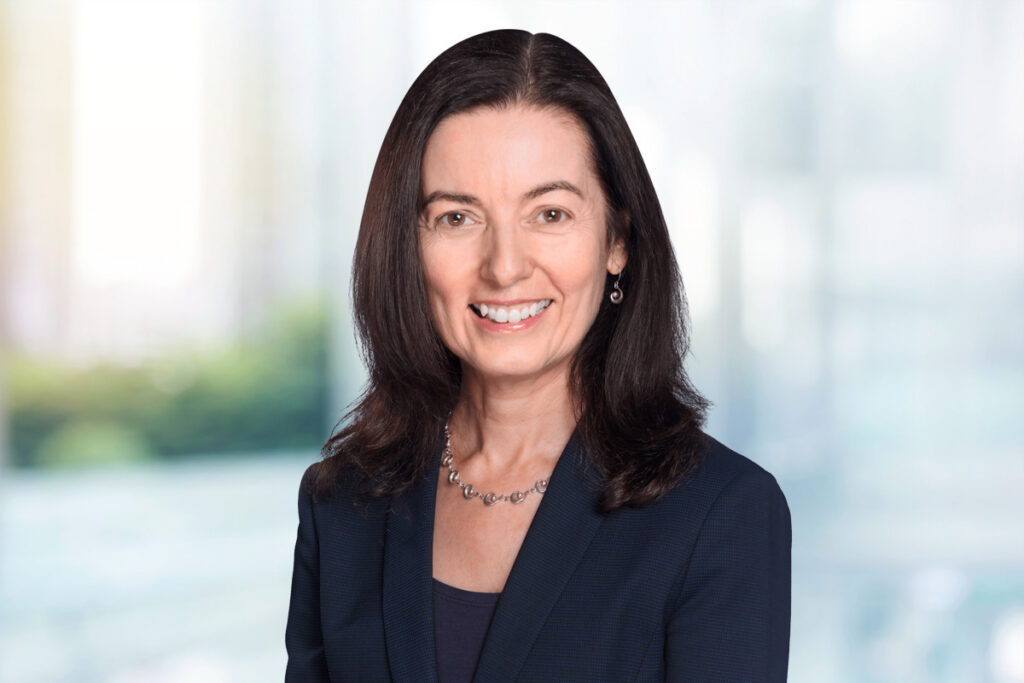
Lilly Medeiros, Lowell Benefits Administration Intern
William & Mary Law School

What are you studying, and what drew you to those studies?
I’m studying international law. I was drawn to this field because of the potential of working with clients from across the globe, expanding my worldview, and creating diverse opportunities to advance justice both in the United States and worldwide. 

What led you to an internship at IINE?
I was excited to get early opportunities to work in immigration and with a diverse client base even before starting law school. I didn’t know exactly what I wanted to do at IINE, I just knew I wanted to work in immigration. So, I applied to nearly every internship IINE offered and was fortunate enough to be offered one! 

What did you do as an IINE intern, and how did it help prepare you for future work?
Much of my time was spent working directly with clients’ government benefits, such as the Refugee Cash Assistance Program and Temporary Assistance for Needy Families received through IINE. I was able to get a view into the everyday lives of the clients we served and see how agencies like IINE make a positive difference in the lives of immigrants. Plus, I gained office and database administration experience that is transferable to many different careers. 

Any highlights?
I loved sitting in on biweekly “dispo” meetings and hearing my fellow staff members share updates on the progress they had made with various clients and operational goals throughout the summer. It was so engaging to hear them problem-solve and come up with solutions for specific client goals, working around unexpected hurdles as a team. It was clear how well the staff knew each client and family, and how many were willing to take on challenges even outside their specific line of work to ensure their clients were successful.  

What was the work environment like at IINE?
Collaborative and supportive. Most people work with their office doors open and are super responsive to Teams messages if you need help. I was never afraid to ask my coworkers questions or to ask for translation help. Also, they train you well—I was always walked through with a demo before being assigned a task to complete. 

Would you recommend this internship to other students?
I would! I had great opportunities to work with a diverse and collaborative client base and staff, coming away with excellent cross-cultural communication skills and administration and organization skills. I was given great opportunities to take on real responsibility, even as an intern. If you’ve never worked in a professional office or nonprofit setting, this is a great way to gain exposure and experience in a supportive environment. 

---

Emily Bisson, Manchester Employment Intern
Mount Holyoke College

What are you studying, and what drew you to those studies?
I am currently a junior double-majoring in International Relations and Economics. I also have a specialized minor in Law, Public Policy, and Human Rights. I have always known that I want to pursue a career where I can work with people and help those in need. I was drawn to these studies because of my interest in politics and learning about the world around me. After choosing my international relations major, I took a few economics courses and really enjoyed how these classes were able to explain how our current system has created a world full of so many inequalities. I hope to use my education to eventually pursue a career in law, specifically immigration law.  

What led you to an internship at IINE?
I am a lifelong resident of Manchester, and I was really excited about the opportunity to work with my own local community and make a positive impact. Additionally, I wanted to learn more about immigration law, and I also wanted the chance to work directly with clients rather than just in the office. IINE gave me the opportunity to learn more about my interests, engage directly with clients, and become more involved in my local community.  

What did you do as an IINE intern, and how did it help prepare you for future work?
I worked with the team of career specialists on tasks like meeting with clients to complete intakes, searching and applying for jobs, and helping out at various IINE events.  

My main project for the summer was designing and teaching a driver’s education course for clients who are working towards earning their driver’s license in New Hampshire. I worked with Career Services Manager Andrew Cullen to outline what content needed to be included in the course. I made slideshows for each class, along with quizzes and homework assignments for clients. I then worked with the Career Services team to conduct outreach and find interested clients, and then I had the amazing opportunity to teach the class to the first cohort of students!  

This entire process helped prepare me for future work, as it gave me an opportunity to build confidence in working independently. While the Career Services team was always there to support me and check in, I had a lot of autonomy in coming up with the structure of the course materials. I gained a lot of confidence in being able to figure things out on my own, as well as teaching the course and being able to work with clients individually.  

Any highlights?
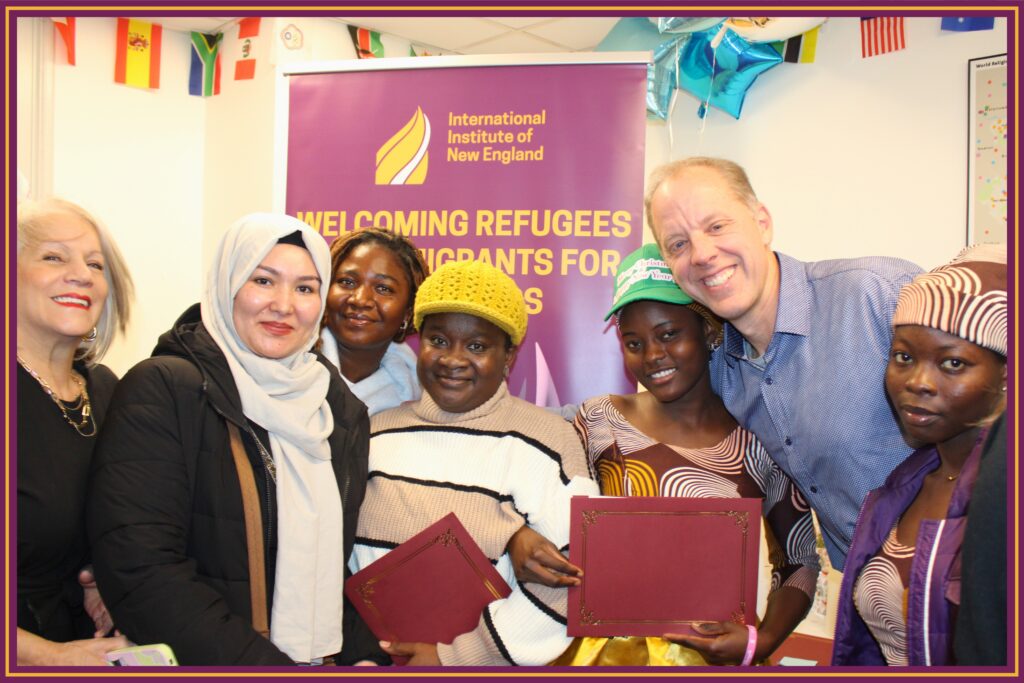
A highlight for me was the graduation of the first cohort of driver’s education students. One client came over and asked if I would take a photo with her and her diploma. It made me feel really good about the work I had done to see how proud and excited the clients were after completing the course. Another highlight for me was attending the ESOL graduation ceremony.  I really enjoyed getting to hear client stories and celebrate their achievements in learning English.  

Another experience I really enjoyed was getting to do a client home visit with one of the career specialists. It was nice to get to talk with the clients at a more personal level and see how much of a positive impact the work of the amazing people at IINE has on clients and their families.  

What was the work environment like at IINE?
The work environment at IINE was welcoming and exciting. Everyone in the office was so friendly and was always willing to lend a helping hand. I enjoyed that no day was exactly the same, and there were always new things to learn and take part in around the office. I completed office tasks, helped out at community events, visited clients, and met with clients in the office. I really enjoyed the fast-paced and exciting environment!  

Would you recommend this internship to other students?
I would highly recommend this internship to other students. I felt extremely welcome during my time at IINE, and I really appreciated that all my thoughts and ideas were valued even as an intern. I also appreciated the opportunity to have a project to work on throughout the summer, and it made me feel like I had a specific goal and purpose throughout my entire experience, culminating in my final two weeks teaching the driver’s education program. Even though I was an intern for the Employment Services team, I also loved that other departments would always invite me to join events or complete tasks with their interns, so we all had an opportunity to learn about all the different facets of IINE.  

Любити те, що ти робиш. На кожному кроці. Вивчіть можливості стажування в IINE, щоб отримати практичний досвід підтримки біженців та іммігрантів у Новій Англії. 

Remembering Anne Sanderson, Former Director of the International Institute of New Hampshire

Remembering Anne Sanderson, Former Director of the International Institute of New Hampshire

Anne at an International Institute event

Anne Sanderson, who established the first refugee resettlement program in New Hampshire that continues to this day, passed away earlier this month at the age of 89. Anne started resettling refugees from Southeast Asia in the early 1980s as a member of Brookside Church in Manchester. In time, Anne established the International Institute of New Hampshire (IINH), which eventually became part of the International Institute of New England. 

Over a more than 25-year career, Anne personally greeted hundreds of refugees at the Manchester-Boston Regional Airport and helped them to settle into new homes, find jobs, and learn English. She enrolled their children in the Manchester public schools and built strong ties with community leaders. The refugees she resettled became her friends, and she watched with enormous pride as they built families, businesses, and new lives in the Granite State. She taught others that resettling refugees was not only humane but good for everyone in New Hampshire.  

Anne worked with hundreds of community volunteers over her lifetime of service, including Shirley Brulotte, the late sister of former Manchester Mayor Bob Baines. Anne and Mayor Baines established the Shirley Brulotte Fund to provide emergency support to refugees in New Hampshire, and the fund became a beneficiary of the legendary Bob Baines Blarney Breakfasts.  

After retirement, Anne became an advisor to the current leadership of the International Institute of New England. She passed along materials from her days leading IINH, insights on anything she learned that might impact refugees in New Hampshire, and much wisdom about how to care for and support the refugee community.  

Westy Egmont, the former Executive Director of IINE, shared this remembrance of Anne: “Anne Sanderson led from her heart. With the refugee work of IINH growing from her church, she brought her deep compassion and boundless commitment to any and all needs that arose. As we built a larger IINE, Anne participated in our management team. Ever loving the immediacy of being at the airport, Anne was an internal voice for refugee needs and keeping the personal touch with our professional services. She did not resist being a mother figure to many. 

Mayors found her passion the most persuasive advocacy. When one mayor tried to get a ban on arrivals, we went to his office, and Anne confronted him with how his mother (an immigrant) would feel about this. He backed down. Another mayor made IINH’s work his own philanthropic cause.  

Anne’s legacy is seen in the stores and streets and workplaces of NH. Her work brought rich new diversity to the old mill cities and demonstrated the best of American patriotism, making ‘E pluibus unum’ real with warm welcome for newcomers and integration into the community life of their adopted nation.” 

The International Institute of New England is grateful to have had Anne Sanderson as a founder of our work in New Hampshire, and she will remain an inspiration as we strive to continue her legacy of service to the world’s most vulnerable.  

Digital Literacy Blog Post

For Refugees, Digital Literacy is Key to Success in the Workforce

When COVID-19 began, IINE had no choice but to close its classroom doors—but with the pandemic hitting immigrant communities the hardest of anyone, it was critical that the IINE team found a way to continue to support, educate, and prepare clients for success in the U.S 

So, if IINE could not welcome clients into its offices, it would have to bring its offices to its clients. Staff began delivering laptops to clients’ homes and learning how to offer all services and classes remotely. As if this were not challenging enough, many clients had little to no experience with computers or smartphones. Before they could learn how to access services remotely, they would have to learn basic digital literacy. 

Five years later, almost all IINE services and classes include hybrid options or components, and all education programs make digital literacy instruction available to those who need it. This is not only a revolution in accessibility, but also key to preparing clients for the workforce. It’s estimated that while roughly 92% of jobs now require some degree of digital literacy, 40% of workers with limited English skills have low digital literacy. 

Lowell’s Approach: Bridging ESOL and Technology

IINE’s Lowell Education team has addressed the challenge by supplementing each of its in-person English for Speakers of Other Languages (ESOL) classes with an additional hour of instruction each week, and monthly in-person drop-in hours for remote students. In 2025, 80 students received free Chromebooks and instruction on how to use them.  
 
“The classes are helping students with typing. They’re learning about the parts of a keyboard and computer icons, relevant vocabulary, and how to use Zoom features like chat, emojis, and breakout rooms,” says ESOL & Job Readiness Instructor Dedra Carpenter. “These skills are valuable to their ability to fully engage in education, employment, and everyday life. We’re seeing students build confidence and autonomy.” 

Manchester’s Approach: Workforce Training Goes Digital

In IINE’s Manchester office, digital literacy is not only incorporated into ESOL instruction, but has also been introduced into workforce orientation trainings. At a new office computer lab, clients learn how to navigate the internet, use GPS and Google Translate, set up and use email accounts, and search and apply for jobs. 

“Historically speaking, learning English has been the major form of literacy that has empowered our clients to move beyond surviving to thriving,” says Career Services Manager Andrew Cullen.  

"The world we live in today means that digital literacy is becoming as important as English literacy."

“However, the world we live in today means that digital literacy is becoming as important as English literacy. Many employers conduct their hiring process virtually, from application through interviews, and job offer letters and onboarding paperwork are often completed digitally. They need to learn a suite of programs to get through the job application process, and there are often further digital literacy requirements to complete the job.” 

Boston’s Approach: New Digital Programs Open New Doors

IINE’s Boston Skills Training Department recently launched two new digital initiatives. 

Funded by a grant from the City of Boston, Bridge to IT Proficiency is a three-month digital literacy course that includes lectures, self-study, and group work. Students receive individual tutoring from IINE volunteers who help them to understand instructions and review their mistakes—and sometimes provide on-site childcare. All graduates of the program receive follow-up support, whether it’s additional literacy training, help with job applications, or, in the case of those pursuing work in the growing IT field, advanced training.  

Bridge to IT Class

“One of our Afghan clients, Samima, has a background in computer science and wants to continue her career in the field,” says Lead Career Navigator Gordon Parris. “We purchased her an online self-study course and have been providing tutoring while she completes the course.” 

Gordon says that this approach can help address many clients’ particular challenges. “Samima has a one-year-old, and with her husband working full-time, she wouldn’t be able to attend an in-person class given her child-care responsibilities. She’s now received a certificate in Web Development, including certification in CSS and JavaScript!” 

After the success of the first cohort of Bridge to IT Proficiency, with support from Congresswoman Ayanna Pressley’s Dig.Lit 2.0 initiative, IINE’s Boston Skills training team launched their latest digital literacy effort—a drop-in class, created in collaboration with the Volunteer, ESOL, and Employment teams. 

“To date, we have served 55 unique clients, and at least 38 have received course completion certificates. Clients who otherwise hadn’t been able to open and check their own email accounts are now able to do so – thereby removing a significant hurdle in the job application and interviewing procedure.” 

Like Bridge to IT, the drop-in class relies on volunteer tutors to help students through the material. IINE Career Navigator Luqman Alkhaneqeeni, who helps teach the class, says that one volunteer in particular brought him particular joy this past cohort. 

“Yvener came to the U.S. from Haiti with his family under a humanitarian parole program. He showed interest in the IT industry and got an IT tuition-based scholarship while receiving services from our Refugee Career Pathways program. He successfully graduated from Bridge to IT and was top in the class in terms of performance, attendance, and score, and even assisted his classmates. After he graduated, he began volunteering in multiple computer skills classes at IINE to help anyone he could.” 

Gordon and Luqman say that their volunteer tutors are not only helpful but also tend to have great experiences in the classes. Gordon adds that one volunteer recently told him, “It’s a really gratifying opportunity because I know how much fear and uncertainty these folks are experiencing, I see how hard they work to move forward, and I know that the skills I’ve just helped them acquire will serve them no matter what happens next. Knowledge and skills are always an incredible gift. No one can take them away from you.” 

Knowledge and skills are always an incredible gift. No one can take them away from you.

IINE recently hosted a celebration for graduates of both programs in the Boston office. Several graduates made speeches to thank their classmates, instructors, and everyone who supported them in pursuing their certificates.  

One student, Wilben, who had been a house painter in Haiti and now seeks an office administrative role in Boston, recruited several friends he made while living in an emergency shelter to join him in the Dig.Lit 2.0 class. He spoke to them in his graduation speech, “Today is our graduation day, and it is a very special moment for all of us. We have worked hard for many months to reach this point. We faced many challenges, but we never gave up. Our teachers supported us and helped us learn new things every day. Our families stood by us and encouraged us to keep going. Today, we feel proud because we can see how much we have grown. This is not the end, but the beginning of a new journey for our future. Let us thank everyone who helped us come this far and step into the next chapter with hope and confidence.” 

- - -

Refugees and immigrants make long, dangerous journeys to the U.S. You can give them the help they need to find safety and opportunity in our communities. 

Q&A With Board Member Zoltan Csimma

Zoltan Csimma brings more than 45 years of senior leadership experience in technology, pharmaceutical, and biotechnology companies to his role on the International Institute of New England’s Board of Directors. A native of Hungary, Zoltan retired as Senior Vice President and Chief Human Resources Officer at Genzyme Corporation, and currently serves on the board of Harvard Biomedical Science Careers Program.

We spoke with Zoltan to learn more about his journey to the U.S., how the experience inspired his support of IINE and fellow refugees, and why he believes IINE is well-positioned to endure these tumultuous political times.

Можете розповісти трохи про себе?

I have had the good fortune of living in Europe as a child and experiencing life on both coasts of the U.S. as an adult.

A photo from the USS Stewart (L), the ship on which Zoltan and his family arrived in the U.S., and their view of the Statue of Liberty (R) as they approached Ellis Island

I was born in Budapest, Hungary. My family and I were displaced to Germany before coming to the U.S. as refugees when I was 10 years old. I can still remember our boat pulling into Ellis Island and the sight of the Statue of Liberty appearing in the fog.

Zoltan’s family at their apartment in Sunnyvale, California, where they lived during their first year in the U.S.

We immediately boarded a train and headed west. My father, who was the head of Engineering of Hungary’s largest railroad company before the start of World War II, started as a machine operator in the U.S. and finally found an engineering job at a large manufacturing company in California. Despite his expertise, he struggled to advance. I remember a time when he tried to get a promotion, and his bosses laughed at the request. That really shaped how I ended up thinking about my own career—the idea of fairness, of equitable treatment and opportunity, really stuck with me.

My decades-long career was spent in high-tech and biotechnology. My last corporate role was as Chief Human Resources Officer at Genzyme Corporation, which at the time was the world’s fifth-largest biotech company, with over 15,000 employees across 90 countries. I was with Genzyme for 11 years until it was acquired by Sanofi, a major French pharmaceutical company. Since leaving the corporate world, I have focused primarily on serving on nonprofit boards of directors, executive coaching, and mentoring.

Beyond my career, I am proud of my wife Cristina, who is also an immigrant, my family, my heritage, my service as a Captain in the U.S. Army, and my U.S. citizenship.

Розкажіть про свій шлях до Міжнародного інституту Нової Англії.

I have served on the IINE Board of Directors since 2003, having twice stepped down due to term limits but returning as soon as I was eligible. I was deeply drawn to IINE’s mission to help refugees and other immigrants, and especially the focus on providing support in their early years here, given my childhood experiences as a displaced person (DP).

I have always found IINE’s work inspiring and interesting. I had the ‘fun’ experience of chairing the board during Trump’s first administration. During that time, I really saw the strength of IINE’s leadership and the incredible commitment of the staff. That is visible today, too.

Що ви вважаєте найважливішими обов'язками члена правління?

Well-functioning boards are composed of members who are aligned with the organization’s mission and bring relevant experience to support that mission. Ideally, the members have a range of expertise, whether it be political acumen, fundraising knowledge, HR experience, etc. Their primary responsibility is to ensure financial discipline and compliance with legal obligations.

It’s also important to note that board members should be engaged but not overly intrusive. They must place trust in the CEO and executive team to manage the organization’s operations.

Additionally, as all nonprofit organizations require financial support, it’s important that board members both contribute personally and help secure necessary funding.

What excites you most about IINE’s future?

I am a strong believer that the diversity of our population is what makes the U.S. so powerful and a world leader. A country cannot stay creative and innovative unless it opens itself to new perspectives.

IINE’s 100+-year history reflects the evolving cultural and political landscape of our country. I am excited by the organization’s evolution. The last decade has shown how quickly circumstances can shift and how vital adaptability is for continued success. This adaptability has ensured IINE’s survival and its ability to provide the best support to immigrants, who are an incredibly important part of our country’s growth.

The U.S. swings in very big arcs politically, so I have to believe we’ll swing back again. And in the meantime, IINE will continue to provide invaluable services to members of our community who deeply need them.

What inspires your philanthropy? 

Frankly, I am not fond of the term “philanthropy” or the concept of “giving back”—it feels too pretentious. I prefer the concept of giving to activities that resonate with my interests and values, and I believe we all have a responsibility to support our communities, using the resources available to us.

Giving to IINE feels more critical than ever right now. By openly supporting refugees and immigrants, we are making our mark on history.

До Ради директорів IINE входять корпоративні та громадські лідери з усієї Нової Англії. Ознайомитися з нашими членами та командою керівників можна тут.

IINE Statement on the Tragic Shooting of National Guard Members in Washington, DC

IINE Statement on the Tragic Shooting of National Guard Members in Washington, DC

The International Institute of New England (IINE) is saddened by the tragic shooting of two members of the West Virginia National Guard in Washington, D.C., on November 26, 2025. We mourn the passing of a young member of the Guard who volunteered to protect and defend her country. The individual who committed this heinous act must be held accountable for their actions.  

IINE remains committed to partnering with political leaders to safely welcome immigrants and refugees to our country. We urge leaders and community members to denounce all hate-filled attacks on people because of their race, religion, or national origin, and to advocate for sound, effective procedures that ensure those who come to the U.S. meet the comprehensive requirements of our refugee and asylee laws.  

Throughout the past four years and even before that, IINE and other resettlement agencies across the country have welcomed and supported Afghan nationals, including many who were allies to our government during the 20-year war in Afghanistan. These allies and their families are among some of the most heavily vetted immigrants to come to the U.S. We have seen them fill jobs in industries short on labor, learn English, take active roles in civic and faith groups across the country, and, in many cases, become U.S. citizens. They have become our neighbors, co-workers, and friends. 

In response to the tragic shooting, the federal government has chosen to initiate vague vetting policies, which give U.S. Citizenship and Immigration Services officials the discretion to deny individuals a Green Card or Lawful Permanent Resident status because of their country of origin. Rather than making our nation safer for all, this response creates fear and division, weakens due process, and wrongly uses this senseless tragedy to further a xenophobic agenda. It dishonors not only those who lawfully seek to enter our country in search of a better life but also those brave men and women who voluntarily join our armed services to protect us all. It makes us neither more safe nor more free. 

10 Ways U.S. Immigration Policy Is Harming Our Communities and Economy

10 Ways U.S. Immigration Policy Is Harming Our Communities and Economy

In October of 2024, in the run-up to the election, IINE published a blog post entitled “What if the U.S. said no to immigrants?,” outlining 10 ways extreme immigration restrictions and crackdowns would negatively affect us all. Many of the U.S. immigration policies we feared have since been enacted, including mass deportation without due process, the ending of humanitarian protections, the suspension of the refugee program, and more. 
 
Here are 10 ways restrictive immigration policies are affecting your daily life and our country as a whole: 

1. Food is getting even more expensive.

Immigrants represent about 21% of all workers in the U.S. food industry, playing large roles in everything from farming and food production, to distribution, to grocery wholesale and retail. In October, the U.S. Department of Labor warned that the cutoff of immigrant workers is now threatening “the stability of domestic food production and prices for U.S. consumers” and that U.S.-born workers are not stepping in to fill positions with newly created and increasing vacancies . Further, studies show that revoking work authorization for 500,000 immigrants who came to the U.S legally through humanitarian programs could raise prices as much as 14% by 2028. 

2. Medical care is becoming harder to get. 

About 26% of doctors and surgeons and 41% of home health care aids are immigrants. Altogether, immigrants represent about 1 in 4 of all direct healthcare providers. As the U.S. population ages, the need for care is increasing while practitioners are retiring. Now, restrictive immigration policies are shrinking the healthcare workforce and worsening staffing shortages. Thousands of immigrant health professionals are losing their authorization to work. Many others are simply afraid to show up, and potential new health professionals are facing new fees and delays on visas and credentials. Healthcare employers are already reporting reduced capacity and fear that if trends continue, workforce shortages could cause vital facilities to close.

3. Our country’s celebrated diversity is under threat. 

The blending of diverse ideas, languages, artistic expressions, and traditions has made U.S. culture unique and admired throughout the world. Our culture is now under threat. Legally sanctioned racial profiling is increasingly used in immigration enforcement. A campaign of fear is threatening immigrant businesses and canceling cultural festivals. The word “diversity” itself is being used as an excuse to cancel grant funding for projects that protect minorities and promote multiculturalism

4. Your neighborhood is getting less safe. 

Police are reporting that people in their communities are now afraid to send their children to school, go to a hospital for medical treatment, or report crime or otherwise assist the police because they think those actions may result in immigration enforcement action against them or a loved one.” This culture of fear makes communities less safe for all. On the federal level, the Department of Homeland Security has diverted thousands of agents from vital missions, like combating child trafficking and black market sales of Iranian oil used to finance terrorism, to instead focus on immigration enforcement, even though more than 70% of people arrested since January had no criminal record.

5. Businesses are suffering.

Major U.S. industries like construction, manufacturing, hospitality, and technology are highly dependent on a mix of specialized immigrant and U.S.-born workers. In Massachusetts, immigrants staff hospitals and universities, engineering and manufacturing firms like G.E. and Raytheon, and biotech companies like Moderna and Biogen. In New Hampshire, immigrants make up 7.2% of the labor force and are especially concentrated in manufacturing, healthcare, and computer engineering.  

These industries are now reporting worker shortages and dire projections. For example, according to a recent survey, “92% of construction firms report difficulty hiring, and ~28 % of firms say immigration enforcement has directly or indirectly affected their jobsites.” The National Association of Home Builders has reported project slowdowns due to shortages of 200,000 to 400,000 workers.  

6. Our claim to the world’s best universities is at risk.

U.S. universities draw and train the best professors, researchers, and students from throughout the world and benefit immeasurably from their contributions. Boston, in particular, has been shaped in no small part by the talented and driven people who travel to the region from throughout the world to attend Harvard, M.I.T., and more than 60 other area colleges and universities. International student enrollment has now begun declining due to discriminatory vetting, the fear caused by a rash of students’ and scholars’ visas being revoked over political speech, travel bans, and uncertainty around work authorization for graduates. Because foreign students pay higher tuition, this decline not only threatens our ability to attract the best and the brightest but also puts the overall fiscal health of our universities at risk. 

7. Our economy is on pace to lose billions in tax revenue and consumer spending.

The U.S. population is rapidly aging and dwindling, and newcomers tend to be younger and have larger families. Immigrants currently account for 15% of the U.S. population, and 77% are of working age. Whether citizens or awaiting status, they are consumers, workers, and taxpayers. Reducing our immigrant population will cost us billions. 

8. Our status as a leader in innovation is under threat.

From inventing the telephone to the polio vaccine, Hollywood movies to Levi’s jeans, microprocessors to Internet search engines, U.S. immigrants have driven innovation globally. Immigrants are directly responsible for a quarter of all patents in the U.S. Now, our nation’s already limited pathways to immigration are shrinking, visa fees are skyrocketing, and scientists working in the U.S. say the hostile environment is causing them to consider leaving. 

9. We are forfeiting U.S. leadership as protectors of freedom, democracy, and the oppressed.

Closing our doors on people fleeing persecution, tyranny, violence, and environmental catastrophes violates our humanitarian values and, in many cases, international law. By blocking the right to apply for asylum, revoking humanitarian protections, arresting immigrants without due process, and abandoning over 100,000 people already approved for refugee status—including Afghans who supported the U.S. military abroad—the U.S. is sending dangerous messages to current and potential allies and forfeiting our ability to advocate for freedom from persecution throughout the world. 

10. Millions of U.S. families are being torn apart.

About 1,000 children who were intentionally separated from their families under the 2018 “zero tolerance” policy are still yet to be reunited. Today, an even more extreme approach to federal immigration restriction and enforcement is intentionally tearing more families apart. Five and a half million American children currently live with at least one undocumented family member, and thousands are now at risk of losing parents to detention or deportation. Meanwhile, millions of families remain divided across borders as family-reunification and refugee programs are suspended.

- - -

The good news is that these harmful policies are increasingly unpopular. We can change direction—but it will take work and numbers. Together, we need to advocate at every level to be the land of opportunity, diversity, and refuge we want to be.  

Meet David: A Young Venezuelan Refugee Building Computers and a Brighter Future in New Hampshire

Mirasol arrived in New Hampshire with her family last January, just days before the U.S. refugee program was suspended. Joanna, one of her case specialists at IINE, remembers asking Mirasol what made her want to come here during such a politically fraught time. 

“We did it for David,” Mirasol said. 

David, her son, was fourteen when they arrived. In a meeting with the family last fall, Joanna asked him, “So, are you getting ready for high school?” He responded that he had spent the summer building a computer in his bedroom. She was a little bit stunned.  

A Passion for Computers 

Computers have always been David’s passion. He speaks excellent English, often translating for his parents, and says that while English was a required course in elementary school, what really motivated him to study the language was how useful he found it to be when working with computers.  

Growing up in Colombia, where his family first lived after being forced to flee Venezuela, David didn’t have a computer at home. This was hard because a computer would have meant connection to the wider world—including baseball. David had played first base in Venezuela, but found that his favorite sport was not as popular in Bogotá.  

David particularly wished he had access to a computer when 2020 rolled around.  

“COVID-19 put me into a situation in which I was alone in my bedroom without doing anything and with only a cell phone, mostly just to call my parents,” he says. But as much as he would have loved to play games and watch sports on those long days alone, he feared a computer would be too extravagant a purchase, so he never asked for one. 

“Natural For Me”

David’s first impression of Manchester, New Hampshire was the cold. 

“It was a shock! I never saw snow before that, so it was funny—the first five days I was so impatient to grab the snow that I would literally grab it without any protections and come back to the house with frozen hands!” 

Another pleasant surprise was the welcome he received from his new community: “There are many friendly people here.”  

David was also grateful to have the support of IINE. “From the start, from the transport from the airport to here, and then the appointments for each document that we need, it was very helpful.” 

IINE helped David’s parents find work. His father got his U.S. driver’s license, and the family was able to get a car. That meant David could get to Best Buy and pore over consumer electronics.  

His family now had a laptop, but it was an older model, and David quickly discovered that it would not accommodate too many upgrades. He knew he still couldn’t afford a top-of-line computer, but after watching hours of YouTube videos, he thought of a different solution: perhaps he could make one himself. 

“I started learning about the market, Nvidia, Intel, the different sizes of monitors, how the technology works, the transistor, the vehicle, the parts that make the motherboard consumption bigger or lower. I saw so many videos about building PCs that when I did it for the first time, it was natural for me.” 

He was proud of his success and documented the process on video. It was a thrill every time he was able to run a new application or play a new computer game. He wasn’t the only one who was proud. 
 
“My parents didn’t have the knowledge of how advanced I am in the matter, so, it was impressive to them to build a computer from zero.” 

“He’s Really Smart”

Joanna says that when David told her that he’d built a personal computer in his bedroom, she “asked him if his school had a robotics club or anything like that. He said he didn’t know. Then I remembered that Tram’s daughter goes to a public charter school that has a 3D printer. When I told her about him, she was like, We’ve got to get David into this school!” 

Tram is the Senior Program Manager of IINE Language Services and works with Joanna at IINE’s offices in Manchester. It was easy for her to relate to David. Tram’s parents were refugees from Vietnam, and she attended public school in Manchester when she was David’s age.  

“Joanna came to me and said, Hey, this kid’s building a computer, and I said, Wow, that’s pretty amazing. Is this legit? He’s really building a computer—or is this kid like taking apart a toaster oven? But she said, He’s actually really building a computer. He’s really smart. He’s won awards. I have the certificates.” 

Tram was excited. 

“My children go to the Spark Academy for Science and Design, and the school has relationships with advanced manufacturers in our area,” Tram explains. “We have a lot of tech-related industries, but New Hampshire also has a rapidly aging workforce that’s going to see a lot of retirements in the next few years. So, the school is trying to quickly prepare people for those careers.”  

Tram knew enrolling at Spark Academy could be a life-changing opportunity for David. 

“During freshman year, students can learn Computer Aided Design. They have a 3D printer, a robotic dog, and they’re in the VEX robotics program. It’s actually part of Manchester Community College, and in your third and fourth years, you can take enough credits to graduate with an associate’s degree. That meant we could really help David find a career that could be life-sustaining.” 

Tram asked Joanna if she could meet with David to get a sense of his English proficiency. When she did, she was thoroughly impressed. Her next step was to reach out to the school’s headmaster. 

A Foot in the Door

The news wasn’t good: enrollment for the year was closed. But Tram was undeterred. To get David in the door, she asked if her daughter could give him a tour. When the headmaster agreed, Tram met with David’s parents to explain the situation and asked if she could try to arrange a meeting for them with the headmaster on the day David took the tour.  

“The idea was just for them to be able to ask questions. To learn how they could best prepare David to enroll in the future,” she says.  

Everyone agreed to meet. Before they did, Tram asked for her own one-on-one with the headmaster.  

“He kind of knew what I do already. But I sat down and I gave him IINE’s mission statement, told him what the world looks like that our clients live in, and suggested that if we could just give one student a shot, and if he was successful, imagine what that could do for our whole community.” 

Then it was David’s turn. 

“I showed him the videos [of building the computer] and I showed him my grades, because they were good. A’s in all [classes].” 

David says the headmaster asked how hard he’d had to work to get those grades, and he had to admit that the success had come easily to him. 

“He said, Now you know, here I would make you suffer to get them.” 

This only made David more excited. “I love a challenge,” he says with a smile.  

A High-Tech Future

David says that when his mom learned he would be attending Spark, she became “so excited about that she started crying in the room. That was beautiful for me.” 

As he begins to explore, he has lots of ideas for where the future might take him. 

“I don’t have a very specific goal—maybe aerospace engineering, or maybe computer engineering, because one of my dreams is to work for Advanced Micro Devices—one of the biggest companies that makes PC parts like the microprocessors and graphics cards.” 

There is one goal that he’s clear on. 

“To make my parents happy. Because they’ve helped me out so much in every way. One of my goals is to make them proud of me.” 

- - -

Біженці та іммігранти здійснюють довгі, важкі подорожі, щоб уникнути насильства і почати нове життя в США . Ви можете надати їм допомогу, якої вони потребують. 

With the current political environment, it feels even more critical to support immigrants. We need immigrants, and they deserve our help.

“With the current political environment, it feels even more critical”: IINE Donors on Why They Give

As we near the end of an especially challenging year for our refugee and immigrant neighbors, we at IINE are deeply grateful for our community of supporters. Since January, we have seen changes in federal policy close legal immigration pathways, revoke immigrants’ ability to legally stay and work in the U.S., limit their access to food and healthcare, and instill widespread fear and uncertainty.  

In response, our donors have stepped up. Their support helps ensure that we can continue to fight for the rights and protection of the thousands of refugees and immigrants in our care—and that New England remains a welcoming community, rich with opportunity for all.  

Read on to hear from IINE community members on what compels them to give.  

With the current political environment, it feels even more critical to support immigrants. We need immigrants, and they deserve our help. No matter what comes, we are committed to continuing our support.

Nancy Van Zant, Long-time Supporter

IINE understands the dignity in achieving self-sufficiency and being able to pursue one’s goals, and so our support extends beyond the initial resettlement to ensure refugees and immigrants have a chance to learn Englishgain new skills, pursue careers, and gain citizenship. I think this focus on both immediate needs and long-term success is really critical. 

Tuan Ha-Ngoc, Board Member

In today’s climate of intolerance and narrow-mindedness…I feel that organizations like IINE are vitally important. I am happy that IINE continues to provide services for people coming to the U.S. to find safety and improve their lives. It is important to see people as human beings and not as ‘other.’ Thank you for the work you do to help people in need.

Anonymous Donor

These days, I’m thinking a lot about what I can do to help the populations who are being disproportionately affected by the current presidential administration. I can write checks, I can support lawyers and advocates, and I can attend protests, and through organizations like IINE, I can have a direct impact. That feels important.

Leigh Bivings, Leadership Council Member

I first came to the U.S. in 1996. It wasn’t until 2013 that I became a citizen. Those 17 years in between were incredibly frustrating having to constantly change my status, travel to renew visas, and hope that I wouldn’t be denied for some bureaucratic issue. There was a real lack of security.

Compared to IINE’s clients, however, my path was very easy. Our clients face so much instability. [Supporting] IINE is an opportunity to support refugees and immigrants in their journeys, to hopefully ease some of their worries once they arrive in the U.S. I am very fortunate to be in a position where I immigrated and have been able to establish myself. It feels important to give back to the next wave of immigrants.

Natalya Belonozhko, Board Member

The true spirit of America, unaffected by political winds, shines through in helping refugees – thank you.

Damaris Tyler, Donor

- - -

Refugees and immigrants come to the U.S. after enduring unimaginable hardships. You can give them the help they need to rebuild their lives here. 

How Does the U.S. Refugee Resettlement Program Work?

An Explainer

According to the UNHCR, the UN Refugee Agency, by the end of June 2025, there were nearly 42.5 million refugees in the world – a number that, devastatingly, continues to grow rapidly due to conflicts and violence, natural disasters, famine, and persecution. These individuals have no choice but to leave their homes to find safety and a new start elsewhere. But what does the resettlement process actually look like for refugees who come to the U.S.? In our latest blog, we unpack frequently asked questions about the U.S. refugee resettlement program.  

First, what is a refugee?

Refugees  leave their home countries and are unable or unwilling to return because of  a well-founded fear of being persecuted for reasons of race, religion, nationality, membership of a particular social group, or political opinion. 

Those who obtain the legal status of “refugee” are given protections under international laws and conventions. They can live and work legally and receive federal benefits and lifesaving support from agencies like IINE. The determination is made by an official entity such as a government or the UN Refugee Agency before the journey is made to a new country. In the U.S., refugees can join the workforce and have pathways to become lawful permanent residents and eventually citizens. Learn more about the different terms used to describe people who cross borders in our blog. 

What does the U.S. refugee resettlement process entail?

The U.S. vetting process to determine whether someone qualifies as a refugee is extensive and vigorous, often lasting up to two years. These are the 11 steps from application to admission: 

Source: World Relief

Why does the U.S. have a refugee resettlement program?

Beyond the humanitarian motives, there are strategic reasons the U.S. established a formal refugee resettlement program in 1980 with bi-partisan congressional support, which continues to this day.  

Resettlement is a diplomatic strategy of the U.S. government. By continuing to welcome and resettle refugees, the U.S. models fulfillment of the expectation that countries together create refuge for forcibly displaced people, either through offering neighboring asylum, hosting refugee camps, or admitting and integrating refugees into their communities. 

While not a stated purpose of the federal resettlement program, there are strong economic benefits for local communities that receive refugees. Many areas of the U.S., particularly New England, have growing workforce shortages and a critical need for workers. According to the Massachusetts Department of Economic Research, by 2030, the number of jobs across the Commonwealth is expected to grow 21% yet the workforce will expand just 1.5%. Meanwhile, in New Hampshire, there are currently approximately three unfilled jobs for each unemployed worker, according to the New Hampshire Fiscal Policy Institute. Refugees who join the U.S. workforce enter all fields, contribute to the local and federal tax base, purchase homes, and start businesses. Like nearly all newcomers to the U.S., they are eager to work and contribute to the economy. A National Bureau of Economic Research study showed that over a 20-year period, refugees who enter the country between the ages of 18 and 45 pay on average $21,000 more in taxes than they receive in public benefits.  

How many refugees does the U.S. resettle every year?

Since 1975, the U.S. has admitted more than 3.3 million refugees, an average of 80,000 per year. 

Under U.S. law, the president has the authority to determine the number of refugees the United States will admit each year. In Fiscal Year (FY) 2017 (October 1, 2016 to September 30, 2017), President Obama raised the admission ceiling to 110,000 to respond to a humanitarian crisis that had driven the number of refugees to the highest levels since the end of World War II. Once President Trump took office, however, his administration suspended the refugee program for four months and drastically reduced the number of refugees admitted to the U.S. He went on to lower the refugee admissions ceiling to 45,000 in FY18, 30,000 in FY19, and 18,000 in FY20, the lowest refugee admissions numbers in U.S. history. President Biden reaffirmed the United States’ commitment to welcoming and supporting refugees, increasing the admissions ceiling to 125,000, the highest target in U.S. history. 

In 2025, President Trump suspended the refugee program once again. Read our statement calling for a humane and strategic refugee program here. 

How can I help refugees who have been resettled to the U.S.?

Financial support is the U.S. resettlement providers’ number one need. The process of admitting refugees is managed by the federal government but refugee resettlement services are sub-contracted to local agencies and only partially federally funded. By offering your financial support, you play a critical role in securing resources for your local organization and ensuring that refugees find hope, safety, and a brighter future in our communities. 

Ali Blog Post

“A Journey of Hope”: In Massachusetts, an Afghan Refugee Builds a Future in Biotech

Activism in Afghanistan

Ali grew up in Afghanistan during the Civil War—a tumultuous time where his mother would carry him “under her chest, protecting from the bullets flying around.” Ali lost several loved ones who bravely fought against the Taliban’s oppressive rule. It’s these hardships that inspired his educational and career goals: “I always wanted to make a social impact and change the environment.”

As a young man, Ali decided to pursue a sociology degree while pushing for social reform. His efforts included helping fellow Afghans who were targeted for their activism; working with the U.S. government on projects to empower Afghan women across the country, including through economic partnerships and trainings on how to advocate for their rights; supporting Afghanistan’s peace negotiation team; and advocating for the 2250 resolution on Youth, Peace and Security. 

“Young people can change the discourse of conflict,” Ali says of this work. “The people who are mostly fighting together on the battlefields are the young people, so if we want to bring peace to the world or make social change, we have to invest in young people instead of investing in harm and conflict.” 

The Taliban Takeover

When the Taliban retook control of Afghanistan in 2021, Ali saw much of the progress he had worked for begin to recede quickly. His heart broke when the women in his sociology classes were expelled to comply with new laws preventing their education.  

“Everything changed for so many Afghans because the collapse of a political system is not just the collapse of a political system, but it is also the collapse of the people’s routines, their lives, and everything.” 

Like the people he had been helping, Ali was now targeted for his activism and was forced to leave his home to seek safety. Thankfully, the U.S. refugee resettlement program was there for him. 

Landing in Lowell

Starting life as a refugee in Lowell reminded Ali of his own work with clients back in Afghanistan. He was trying to help them stay hopeful and be resilient, and now, “it was a time in which I had to be resilient myself because I had to start everything from scratch here in the U.S.” 

He arrived with nothing but a small suitcase and knowing no one. Fortunately, the IINE team was there to greet him. “From the time I arrived here, one of the IINE volunteers helped me to get to the home where I live right now,” he says, and an IINE Career Navigator “helped me to find my first job in the U.S.,” an entry-level job in medical manufacturing. Deeper than that, “It was really peace of mind and comfort and strength that I got from IINE, instead of just barely struggling by myself…Those are the things that I think fundamentally change the life of people.” 

Pursuing New Goals

As Ali began to adjust to life in Lowell, he found community, “There are wonderful, wonderful people I met here.” He was gratified to learn that there was a sizable community of Afghans in his neighborhood, including fellow clients at IINE. He began volunteering his time to help them.  

Meanwhile, Ali set his sights on advancing in his career. He quickly used his newly gained experience in medical manufacturing to land a new job as a Process Technician at a major pharmaceutical company. He found that the work suited him, and the company was supportive.  

To eventually progress at his new company, he would need an advanced degree in engineering. Even though he had been studying sociology in Afghanistan, this idea was exciting to him—and Ali was eager to resume his education. 

 “I think sociology and engineering management have a common ground…to bring change within a system or process. In sociology, you are focusing in a broader scope of studying social structures. Engineering management is more focused on smaller change…but basically, it’s all about managing change and improving processes.” 

He told his IINE Career Navigator, Ashley, “I want to go for my master’s, but I don’t know where to start. I’ve never written an app for a university here. It’s completely different then the system we have back in Afghanistan.” 

Ashley dove into the application process, helping Ali transfer credits and secure transcripts from his university in Afghanistan, get letters of recommendation from his new employer, and edit his resume. She also supported him with writing his personal statement, encouraging him to speak candidly about the hardships he had overcome. 

“The personal statement was the document we worked on the most because we wanted to make sure it showcased to the admissions team who he was as a person and how this degree would help him progress,” Ashley says. “His personal family story, how he highly values the opportunity to get an education, and his desire to help not only the people he loves but the wider community that he is a part of—these were all poignant parts of his essay.” 

A Bright Future

Ali was thrilled to be accepted to Tufts University with a partial scholarship. Ashley was thrilled, too. “One of the better parts of my job is the opportunity to see my clients’ growth and watch them reap the hard work they put into their career goals,” she says. “Ali is a wonderful example of that and has an incredibly bright future ahead!” 

For Ali, each new victory is a continuation of his life’s work. In advancing his education and career, he sees himself as carrying on the aspirations of those he left behind in Afghanistan, especially his parents, and the women and girls who are still dreaming of the opportunity to receive an education. He will never stop looking for ways to advocate for them. 

“I think it’s a common duty of all of us, I and everyone, to keep this discourse [going], to be the voice of Afghan women until they are allowed to [pursue] education. Let’s not forget them. It’s a collective responsibility to be the voice of the Afghan movement.” 

- - -

Біженці та іммігранти здійснюють довгі, важкі подорожі, щоб уникнути насильства і почати нове життя в США . Ви можете надати їм допомогу, якої вони потребують. 

The Call for a Humane and Strategic Refugee Program in 2026

UPDATE AS OF 10/31/25 

The Presidential Determination on refugee admissions for Fiscal Year 2026 has been set at 7,500 people, the lowest ceiling in the history of a program that has enjoyed broad bipartisan support for more than four decades. This number is only a fraction of past refugee admission ceilings and was set without consulting with Congress, as required by law. It also fails to meet the urgency of today’s global displacement crisis. At the end of 2024, there was an estimated 123.2 million forcibly displaced people worldwide—families and individuals who have lost their homes and safety due to persecution, conflict, and natural disasters. The United States has been the world leader in receiving refugees, and throughout the past four decades Americans have witnessed refugees fill needed jobs, start businesses, raise families, run for office, and add tremendous value to American society.  

We implore the administration to open refugee admissions to people fleeing crises in Sudan, Myanmar, Venezuela, and other nations, including Afghanistan. Thousands of Afghan war allies, who supported our government and troops, are waiting to come here, and our nation owes them the opportunity to do so. 

As we respond to this disappointing determination, IINE and many of our peer organizations are navigating the loss of SNAP eligibility for refugees and immigrants with legal statuses under the federal policy changes enacted by the “One Big Beautiful Bill.” Instead of further destabilizing vulnerable populations, the United States should seek to build systems that are fair, humane, and representative of the values our nation has held dear since its founding.  


Six days into the new federal fiscal year, the administration has not yet consulted with Congress or released the annual Presidential Determination for refugee admissions, a requirement of the Refugee Act of 1980. This delay coincides with reports that the administration is preparing to significantly alter U.S. refugee policy.  

We are hearing that the administration intends to cut refugee admissions to 7,500 people—the lowest ceiling in U.S. history, a small fraction of the 120,000 goal set by the UN High Commision for Refugees for the international community, and a mere 6% of our country’s 2025 target of 125,000 refugees. In addition, during remarks delivered at a panel entitled “The Global Refugee and Asylum System: What Went Wrong and How to Fix It,” the U.S. Deputy Secretary of State outlined the administration’s intent to “reframe” refugee status so it becomes “temporary, not permanent,” and that “the understanding is you should go back to your country.”   

These proposed changes to federal policy fundamentally misrepresent what it means to be a refugee and fail to advance humane, effective solutions to displacement. Federal law and treaties signed by the U.S. government define refugees as individuals who are unable or unwilling to return to their home countries because of a well-founded fear of being persecuted based on race, religion, nationality, membership of a particular social group, or political opinion. The U.S. has a rigorous, multi-year vetting process to confirm this status. The goal of resettlement is to help these individuals find a durable solution and rebuild their lives peacefully and without the risk of further displacement.  

If we abandon our identity as the world’s leader in refugee resettlement, we will put real lives at risk. When the federal administration suspended the refugee program on January 20th, it left more than a hundred thousand refugees stranded overseas—despite having completed extensive vetting and already being approved for resettlement. Today, many are still waiting in refugee camps in dire conditions, desperate for the chance to rebuild their lives in safety, and in many cases, reunite with family members they have not seen for years. 

Through decades of evidence-based practice, refugee resettlement agencies like IINE have effectively partnered with federal and local governments, employers, schools, healthcare providers, and community members. This collaborative effort helps new arrivals integrate and thrive. The initial, modest investments made by public and private partners more than pay off: refugees join the U.S. workforce, contribute to the local, state, and federal tax base, purchase homes, and start businesses at a higher rate that U.S.-born residents. They shape our culture, traditions, and society in countless ways.  

Ensuring our nation continues to welcome families and individuals in need of safety is both the smart and the right thing to do. The United States has been a haven for the persecuted since the founding of the nation, and for decades, the U.S. refugee resettlement system has functioned effectively with wide bipartisan support. Welcoming refugees reflects the best of our nation’s core values – equal treatment, non-discrimination, and human dignity – making it as vital to our national identity as it is to the refugees who find a home here.  

From the Desk of the CEO: 10 Years, 10 Lessons

From the Desk of the CEO: 10 Years, 10 Lessons

By Jeff Thielman, President & CEO of the International Institute of New England

I’ve now had the privilege of serving as president & CEO of the International Institute of New England for ten years. During this time, we’ve navigated historic levels of forced displacement worldwide, dramatic changes to U.S. immigration policy, and, of course, a global pandemic. With each year that passes, I have more admiration for the refugees and immigrants who courageously build new lives in the United States, and more gratitude for the compassion of those who welcome them.  

Here are ten lessons I’ve learned doing this work:  

1) Resilience is a superpower.

Refugees have endured immense trauma in their home countries, forced to flee war, violence, persecution, and famine. Leaving behind everything they know, many spend years living in threadbare conditions in refugee camps and endure long journeys to the U.S. only to begin their lives here in poverty and uncertainty. Their ability to adapt and move forward always inspires me.

2) Immigrants are essential workers.

Through workforce orientation, job skills training, and employment support, our team has helped thousands of refugees and immigrants enter and advance in the New England workforce. Employers tell us they love working with our clients because they are driven, adaptable, and quick to learn. Immigrants are key workers in many critical industries, including healthcare, construction, manufacturing, biotech, and retail. To learn more, take our quiz: Immigrants in the U.S. Workforce

3) Even in the darkest of times, people generously support newcomers.

Public opinion about welcoming immigrants to the United States can shift dramatically. Yet even when public sentiment has not been on our side, brave people have stepped up to care for our clients, generously giving their time, expertise, and resources. That investment pays off, as we saw when we dug deep into the IINE archives to celebrate our Centennial anniversary: 1924-2024: 10 Defining Highlights of IINE’s First 100 Years of Service in Boston. 

4) Immigration has shaped our personal stories as well as our country’s history.

Nearly all of us have an immigration story to tell—whether you are the first in your family to put down roots in the U.S. or someone earlier in your ancestry made the brave journey here. It’s this shared connection that has shaped the U.S. into the multicultural nation we are today.

5) It takes a network of supporters to welcome refugees and set them up for success. 

We can help thousands of newcomers every year because of the dedicated employers, healthcare organizations, schools, and community groups who partner with us. I am especially grateful for the volunteers who befriend and guide our clients in their time of greatest need. Here is a wonderful example: “I Never Felt Alone”: Maydelyn, a Refugee and Single Mom from Guatemala, Finds Community and a New Start in Massachusetts.

6) Immigrants are patriotic. 

Our clients are immensely grateful for the safety and opportunity they have found in the U.S. and believe in our country’s ideals and institutions. According to a study conducted by the Cato Institute, in comparison to native-born Americans, immigrants “have more trust in the three branches of American government” and are prouder to be American. For many immigrants and refugees, like Farishta, becoming a U.S. citizen is “like a dream come true.” 

7) Immigrants are innovators and creators. 

At our Centennial Golden Door Award gala, Flagship Pioneering Chairman and Founder Noubar Afeyan told us, “Being a stranger in a new land changes how your brain works in ways that make it easier for you, for us, to innovate and to create.” Studies show that immigrants are more likely to be entrepreneurs than native-born Americans, and I see that resourcefulness and drive among our clients every day.

8) Immigrants and refugees pay it forward.

Many of my IINE colleagues, from those who greet you at our front desks to those who lead our organization, are former refugees or first-generation immigrants who have dedicated their careers to supporting new arrivals. Many of our clients strive to do the same; one striking example is former IINE client and frequent collaborator, Suraj Budathoki, a member of the New Hampshire legislature: “I Always Want to Give Back”: Suraj Budathoki’s Journey from a Refugee Camp to the NH Statehouse. 

9) Immigrant youth make incredible leaders.

For many of our young clients, opportunity was scarce in their home countries. Coming to the U.S. gives them a chance to pursue their educational and career dreams, and they do so with great determination. Listen to my interview with PRX’s The World to learn more about how young newcomers to the U.S. forge their own paths.   

10) IINE is creative. 

The challenges of these last ten years have required our organization to adapt and reset again and again. We’ve created new programs, learned to work remotely, and quickly developed new teams and initiatives to meet each moment. You can learn more about our planned response to the unique demands of the year ahead in our latest Spotlight Report. 

- - -

Thank you for helping to make these last ten years so meaningful. Doing this work is a privilege, and I look forward to continuing to partner with our dedicated staff, volunteers, Board of Directors, Leadership Council members, community partners, and donors to welcome refugees and immigrants to New England.