Boston Bound volunteer group members with Tani and her family
Tani and her six children were among the last refugees to arrive safely in Boston just before the indefinite suspension of the U.S. Refugee Admissions Program. In the weeks leading up to their arrival at Logan Airport, a group of friends from Boston and Brookline had been eagerly preparing to support them through IINE’s Resettle Together program.
The volunteer group, who call themselves “Boston Bound,” is led by Jenny Miller. Jenny first learned about IINE when her daughter was looking for a community service project in the lead-up to her Bat Mitzvah. Through IINE, she was able to deliver food to local immigrant families and to donate books to refugee children after running a donation drive at her school.
Jenny remained on IINE’s volunteer email list, and when she learned about other opportunities to get involved, she was inspired.“These were things I could actually do. I work full-time [and am] crazy busy, but I had a few hours at night to go grocery shopping and bring food to a new family. Or I had a few hours on the weekend to help someone learn how to navigate the T,”she says.
“IINE provided great support, and it was deeply satisfying, like disproportionately satisfying even when I never met the family. Dropping off groceries felt so tangible. At a time when it felt hard to find other ways [to help], it just felt really good to be able to do that.”
She talked about the experience with her friends, a group of fellow parents of tweens. After the 2024 election, when they began sharing their fears over anti-immigrant policies taking hold in January, she proposed sponsoring a refugee family through Resettle Together as a concrete way to honor their values.
Soon they all found themselves gathered around a dining room table in front of a large piece of paper, divvying up tasks from finding donated furniture, to apartment cleaning, to scheduling shopping trips for food and clothing.
“When we started letting people know that we were doing this, it was amazing how many people wanted to help,” says Jenny, “Our kids did a drive for toiletries, soap, and detergent, and all that kind of kitchen stuff before Tani and her children arrived, and we got six months’ worth of stuff!”
Eager to befriend Tani’s teenage children, the kids of Boston Bound also collected gifts, prepared a bracelet-making kit, and made a photobook with pictures of all the group members to show the new arrivals how many new friends they now had.
When the family arrived, Boston Bound group members took turns hosting them for home-cooked West African-style meals, playing board games with their children, taking them to local parks and playgrounds and kicking around a soccer ball, going on shopping trips, helping them learn how to navigate public transportation, and more. They became close quickly. “They are the most lovely people,” Jenny says of Tani and her family. “They are a very close family, very warm, incredibly supportive of each other. I think what struck me was they came here with so much curiosity and eagerness to learn—also a love of their new home, and they really extended that to all of us. They have been so welcoming to all of us. Even with the language barrier, which, when they arrived was almost total. There was still so much warmth.”
While IINE case workers helped the family enroll in ESOL classes, secure work authorizations, and become oriented to the U.S. workplace, Boston Bound helped make sure the family had access to food and healthcare, enrolled in school, got library cards, and practiced reading and speaking English. Meanwhile, a beautiful friendship formed.
IINE Case Specialist Nijimbere Lahayiloyi shares more about what it means to welcome refugees, and how critical volunteer support is
“They’ve invited us to celebrate their birthdays at their home, and that’s been just wonderful—so joyful,” Jenny says. “They’ve taught us the songs that they sing for birthdays, and dances, and the music they listen to. They’ve also come to some of our houses for birthday celebrations or just for dinner, and that’s been really lovely too. Every time I visit, they try to send me home with food.”
When IINE’s Employment team was able to get them job interviews, Boston Bound helped them practice and prepare. Now, all eligible family members have started jobs in food service.
“Having this support has meant so much,” says Mariamu, one of Tani’s daughters. “We have been able to have people to practice English with and to help us with things we don’t yet understand. We are very grateful for their willingness to assist us.They have been with us since our first day in Boston. They help us understand the community we live in; they often visit us and make sure we are okay. They have done so much to help us in many ways. We appreciate them and pray that God blesses them in everything.”
Jenny shares how Boston Bound came together and the “privilege and joy” of becoming close with Tani and her children
Батько чотирьох дітей, Пруденс присвятив своє життя боротьбі за права людини та проти корупції в уряді. Після втечі з рідної Бурунді до Судану він заснував фонд для захисту дітей і співпрацював з кількома міжнародними агентствами з розвитку для підтримки біженців.
Коли зміна режиму дала йому підстави вважати, що це безпечно, Пруденс повернувся до Бурунді, сповнений рішучості допомогти зробити життя там кращим. Він започаткував ініціативи, спрямовані на розширення прав і можливостей людей, які живуть у важкодоступних сільських громадах країни, надаючи їм доступ до цифрових платіжних систем і цифрових засобів масової інформації. На жаль, ці досягнення привернули увагу тих, хто хотів ними зловживати. Коли президент Бурунді вирішив балотуватися на третій термін, що було заборонено конституцією країни, він попросив Пруденс поширити неправдиву інформацію про те, що він має широку підтримку. Пруденс відмовилася. Це призвело до того, що він став об'єктом політичного переслідування. Нові загрози його життю змусили його сім'ю переїхати спочатку до Великобританії, а потім до Руанди.
Син Пруденс, Джошуа, народився з небезпечним пороком серця, і йому терміново потрібна була складна операція. Отримати таку допомогу, будучи біженцем, було б нелегко, але Пруденс знайшла надію, коли дізналася, що це можна зробити в Бостонській дитячій лікарні.
Пруденс зрозумів, що здоров'я його сина і безпека його сім'ї залежать від того, чи знайде він прихильність і підтримку в штаті Массачусетс. Чудові стосунки зі спонсором Стівом Гроссом з фонду "Життя - це добре" та Міжнародним інститутом Нової Англії зробили цю мрію реальністю.
Розуміння мети та впливу Закону про біженців у 45-ту річницю його прийняття
Сорок п'ять років тому Закон про біженців створив більш справедливий, ефективний, безпечний і стратегічний процес прийому та розселення біженців. Відтоді він врятував життя понад 3 мільйонам людей з усього світу. Допомога біженцям інтегруватися в наші громади незмірно зміцнила культуру та економіку нашої країни, а також наш авторитет у світі.
Сьогодні, коли кількість вимушених переселенців по всьому світу зростає до рекордних рівнів, і ситуація погіршується зростаючою загрозою зміни клімату, чинна президентська адміністрація намагається в односторонньому порядку зачинити "золоті двері", які відкрила ця програма.
Наш обов'язок - відродити надію, яку породив цей Закон, і відновити наше лідерство як притулку свободи і можливостей. Відзначаючи сорок п'яту річницю цього закону, пропонуємо 5 речей, які варто знати про Закон про біженців 1980 року.
1) Закон про біженців 1980 року офіційно визначив, хто є біженцем.
Перша сторінка Закону про біженців 1980 року. Джерело: Національний архів.
Для людей, які були змушені покинути свої домівки, визначення "біженець" має значення життя або смерті. Включення до програми може означати безпечне нове місце проживання та підтримку, необхідну для процвітання.
Закон про біженців 1980 року привів законодавство США у відповідність до формулювань Організації Об'єднаних Націй, визначивши біженцем будь-кого, хто не може або не бажає повертатися до своєї країни через "переслідування або обґрунтовані побоювання переслідувань" за ознакою раси, належності до певної соціальної групи, політичних поглядів, релігії чи національного походження.
Важливо, що це наше найбільш інклюзивне визначення на сьогоднішній день, яке виключає умови, засновані на національності людей, часу їх переміщення або країнах, з яких вони були змушені шукати притулку.
2) Встановлено єдиний уніфікований процес перевірки, прийому та розселення біженців.
Закон про біженців створив Програму прийому біженців США (USRAP ) для ретельної перевірки біженців за кордоном за єдиними критеріями, а також Управління з розселення біженців (ORR) для забезпечення новоприбулих послугами, необхідними для якнайшвидшого становлення самодостатності. Фінансування було надано для укладення контрактів з мережею перевірених і контрольованих громадських організацій, таких як IINE, для надання вітального прийому, допомоги з житлом, підключення до федеральних пільг і місцевих служб, навчання англійської мови, культурної орієнтації, підтримки кар'єри та юридичних послуг.
До створення цих офісів прийом і розселення біженців могли бути несистематичними і непослідовними, ставати предметом дискусій під час активної кризи і призводити до різних механізмів для різних груп населення. USRAP та ORR стали інвестицією в справедливість, краще планування та більш плавну інтеграцію.
3)Він визначив партнерство між Президентом і Конгресом у визначенні кількості вступників.
Президент Картер підписав Закон про біженців 1980 року, який набув чинності закону
Застосовуючи систему стримувань і противаг до цього процесу, Закон надав Президенту право встановлювати щорічну максимальну кількість прийнятих біженців, але тільки після консультацій з Конгресом. Президент отримав право збільшувати цю кількість під час надзвичайних ситуацій з вимогою, що обґрунтування для цього також має бути надіслане до Конгресу, який, зрештою, контролює бюджетний процес, що фінансує ці зусилля.
4)Вона гарантувала право подати заяву про надання притулку.
Закон про біженців не лише стандартизував процес пошуку притулку за межами США, але й стандартизував процес подачі заяви на отримання статусу біженця на території США або на їхньому кордоні. Шукачі притулку повинні будуть довести, що вони відповідають тим самим критеріям, які встановлені для біженців - переслідування або обґрунтовані побоювання переслідування, які не дозволяють їм повернутися додому. Ті, кому це вдасться, отримають такі ж права і підтримку, як і біженці, які подають заяви з-за кордону.
Цей процес врятував життя мільйонам людей, яким загрожувала небезпека, які були змушені швидко покинути свої домівки з обмеженими ресурсами, яким було легше дістатися кордону, ніж пройти процедуру прийому біженців.
5)Вона була справді двопартійною.
Закон про біженців 1980 року був прийнятий Сенатом одноголосно 85 голосами проти 0. Закон, внесений "ліберальним левом", сенатором від штату Массачусетс Едвардом Кеннеді, мав трьох співавторів-республіканців, а також значну допомогу в його ухваленні від затятого консерватора Строма Термонда, який на той час був провідним республіканцем в юридичному комітеті Палати представників Конгресу США. Країна рахувалася з наслідками війни у В'єтнамі, своєю зростаючою роллю у світі та відповідальністю перед переміщеними особами. Обидві партії розглядали Закон про біженців як створення більш справедливого, впорядкованого і безпечного процесу імміграції на гуманітарних підставах, який підтверджував нашу відданість справі свободи і покращував наш міжнародний авторитет.
Відзначаючи сторіччя Бостона - 100років прийому та підтримки біженців та іммігрантів - ми згадуємо, що майже кожен з нас має свою імміграційну історію, незалежно від того, чи ми були першими в нашій родині, хто почав будувати життя в Сполучених Штатах, чи наші батьки, бабусі й дідусі, або поколіннями раніше, вперше здійснили відважну подорож до цієї країни.
Для нашого блогу члени нашої Ради директорів та Ради лідерів розповідають про те, як їхні сім'ї почали називати США домом.
Кароліна Сан-Мартін
Керуючий директор, глобальний керівник досліджень зі сталого інвестування, State Street Global Advisors; член Ради директорів IINE
Ріо-де-Жанейро, 1976 рік: Моя мама, молода аргентинка зі здібностями до вивчення мов, опинилася самотньою матір'ю в чужій країні. У дитинстві вона мріяла колись виїхати з Аргентини, але мріяла не про Бразилію, а про Сполучені Штати. Якою б несподіваною і важкою не була її ситуація, тепер вона може вільно здійснювати цю мрію. Через кілька років вона отримує свій шанс. Її сильний послужний список в американській фірмі, що глобалізується, дозволяє їй перевестися до штаб-квартири компанії в США.
Смірна, Грузія, 1979 рік: Я потрапляю до дитячого садка. Я не розмовляю англійською, ніхто навколо мене не говорить іспанською чи португальською. Я не розумію, що говорить вихователька і як все влаштовано, але потроху розбираюся в цьому. У той час я сприймав своє становище як перешкоду. Я не такий, як усі, аутсайдер. Я відчуваю всі реакції і невпевненість, які можна було б очікувати від дитини в такій ситуації: коли діти сміються, а я їх не розумію, я задаюся питанням, Вони сміються з мене?? Коли ми вивчаємо граматичні правила і пишемо в класі, я думаю, Наскільки я відстаю, адже я все ще вивчаю англійську?
Бостон, штат Массачусетс, 2025 рік: Озираючись назад, те, що я вважав перешкодою - бути інакшим іммігрантом - виявилося величезним даром. Ще в юному віці я зрозумів, наскільки я можу вирости, якщо матиму рішучість розібратися в собі. Це було більше, ніж просто пристосування - я зрозуміла, що здатна вчитися і досягати більшого, ніж мені здавалося, завдяки тому, що я була іншою в тому дитячому садку.
Ферешта Торнберг
Виконавчий віце-президент, керівник відділу продажів та управління клієнтами, Північна Америка, State Street; член Ради директорів IINE
Моя мама, троє моїх братів і сестер та я виїхали з Кабула, Афганістан, у 1989 році і попрямували до Нью-Делі. Це було наприкінці російського вторгнення, коли зростало занепокоєння щодо впливу Талібану. Ми переїхали до Нью-Делі як біженці, поки мій батько намагався знайти вихід із Кабула. Ми жили в однокімнатній квартирі в Нью-Делі, поки облаштовувалися і працювали над нашою наступною метою - оселитися в Європі чи Америці. Моя мама почала працювати волонтером у центрі для біженців, а згодом її найняли на повний робочий день. Я працював над розвитком навичок, які могли б допомогти мені знайти роботу, одночасно дистанційно працюючи над дипломом про вищу освіту. Я почала з уроків машинопису, а згодом приєдналася до програми вивчення комп'ютерних наук.
Через чотири роки ми отримали грін-карти і полетіли до Нью-Йорка, де у нас була сім'я і система підтримки. Оселитися в Нью-Йорку було в рази складніше, ніж у Нью-Делі, і я часто кажу, що шкодую, що у нас не було доступу до такої організації, як Міжнародний інститут Нової Англії. 30 років потому ми живемо дуже успішним повноцінним життям, і не буває тижня, щоб ми не згадували про нашу подорож сюди.
Туан Ха-Нгок
Президент і головний виконавчий директор AVEO Oncology у відставці; член Ради директорів IINE
Я народився і виріс у В'єтнамі під час В'єтнамської війни. У 1969 році у мене з'явилася можливість виїхати з країни для здобуття вищої освіти з умовою, що після закінчення навчання я повернуся до В'єтнаму, щоб допомагати розбудовувати країну, незважаючи на війну. Я приземлився в Паризькому університеті, де здобув ступінь фармацевта. Я планував повернутися додому влітку 1975 року, але в квітні того ж року країна впала під владу комуністів. У мене було два варіанти: повернутися і жити під комуністичним урядом або залишитися в Парижі і просити притулку, що я і зробив. У мене досі зберігається документ, виданий УВКБ ООН, який визнав мене "особою без громадянства". Це слово залишилося зі мною донині. Було відчуття, що я нікому не належу, що я сам у човні в безкрайньому океані - не буквально, звісно, хоча багато моїх співвітчизників відчували саме це.
На щастя, мої батьки та брати і сестри змогли покинути В'єтнам і приєднатися до мене у Франції. Я залишився там на два роки, протягом яких отримав ступінь магістра бізнес-адміністрування в INSEAD. У 1976 році я приєднався до американської компанії Baxter Healthcare в її європейській штаб-квартирі в Брюсселі. Потім у 1978 році сталися дві події - я одружився з моєю прекрасною дружиною, і моя компанія вирішила перевести мене до своєї штаб-квартири в Чикаго.
Ми приїхали туди в листопаді з дуже невеликими грошима, без сім'ї та друзів, на яких можна було б покластися, і з дружиною, яка дуже погано розмовляла англійською. Так почалося наше життя в США. 1984 року мене взяли на роботу в одну з перших біотехнологічних компаній, яка перевезла нас до Бостона, де ми й живемо дотепер.
Дебора Дансіре.
Голова Neurvati Neurosciences; колишній генеральний директор H. Lundbeck A/S; старший радник Blackstone Life Sciences; член Керівної ради IINE
Я народилася в Зімбабве в сім'ї шотландських іммігрантів, а мій чоловік народився найстаршим у третьому поколінні змішаної англійської та нідерландської родини. Після закінчення медичної школи і роботи лікарем загальної практики, а мій чоловік - ортопедом-резидентом, я приєдналася до фармацевтичної індустрії і була переведена до Швейцарії, де мій чоловік приєднався до тієї ж компанії. У 1994 році нам обом запропонували роботу в американській штаб-квартирі в Нью-Джерсі, і ми вирушили в нашу 30-річну пригоду в США. Ми швидко навчилися любити відкриту гостинність і захоплювалися культурою філантропії, яка тут процвітає. Ми також дізналися, що англійська мова не однакова в усьому світі!
Ми з чоловіком стали натуралізованими громадянами США в 2004 році і виростили тут двох синів.
Уейд Рубінштейн
Засновник і президент The Bike Connector, Inc.; член Ради директорів IINE
Я син іммігрантів. Сім'я моєї матері приїхала до Бостона у 1920-х роках, рятуючись від погромів у Росії. Мій батько, який виріс у місті, що зараз є частиною України, пережив Голокост. Під час війни він три роки переховувався. Радянська влада звільнила його навесні 1944 року. Осиротівши після війни, мій батько жив у таборах для переміщених осіб у Чехословаччині та Німеччині. У 1946 році його вивезли до Палестини, а на початку 1950-х років він приїхав до США як біженець, щоб приєднатися до членів сім'ї, які вже були тут.
Подорожі моїх батьків сформували мене у фундаментальний спосіб. Завдяки їхній стійкості та наполегливій праці я отримав шанс стати випускником коледжу в першому поколінні.
Я вивчав комп'ютерні науки в Бостонському коледжі. Після коледжу я 10 років пропрацював у корпорації з виробництва цифрового обладнання, а потім працював у кількох телекомунікаційних стартапах. У 2003 році я залишив цю сферу і здобув ступінь з початкової освіти. Кілька років я викладав у Західному Ньютоні. Потім я вирішив відкрити магазин морозива Reasons to Be Cheerful, яким я керував протягом восьми років. У 2018 році я продав магазин і заснував "Велоакадемію", яка була позашкільною програмою їзди на велосипеді в Лоуеллі, а потім перетворилася на неприбуткову організацію, якою я керую сьогодні - "Велоконнектор".
Я завжди вважав, що життя занадто коротке, щоб не переслідувати свої інтереси; це робить його цікавим! І для мене це можливість жити американською мрією, яку я можу здійснити лише завдяки вибору та жертвам, які зробили мої батьки.
Örn Альмарссон.
Генеральний директор та співзасновник Axelyf; член Керівної ради IINE
У 1989 році я залишив рідну Ісландію, щоб продовжити навчання в аспірантурі в США, що стало початком моєї визначної наукової та особистої подорожі. Маючи глибоку пристрасть до хімії та молекулярних наук у поєднанні з бажанням зробити позитивний внесок у здоров'я людини, я вступив до аспірантури з біоорганічної хімії в Каліфорнійському університеті, занурившись у передові дослідження на перетині органічної хімії та біологічних наук. Мої академічні успіхи та інтелектуальний драйв привели мене на постдокторську дослідницьку посаду в Массачусетському технологічному інституті (MIT), одному з провідних світових центрів інновацій в науці та технологіях.
У Массачусетському технологічному інституті я вдосконалював свої знання під керівництвом науковців та інженерів світового рівня і перейшов до практичного застосування хімії у фармацевтиці. Саме тут я налагодив важливі наукові та професійні зв'язки, які допомогли розпочати мою кар'єру в галузі. Моєю першою роботою у фармацевтичній галузі стала робота в компанії Merck, де я брав участь у відкритті та розробці ліків у динамічному та глибокому науково-дослідницькому середовищі, відомому своєю науковою строгістю та досконалістю. Ця посада стала початком мого постійного прагнення розвивати терапевтичні методи лікування для здоров'я людей.
Протягом багатьох років я працював у різних терапевтичних галузях, однією з найвідоміших з яких є моя робота над формулюванням та системою доставки вакцини Spikevax, вакцини проти COVID-19 на основі мРНК компанії Moderna. Мій досвід у сфері доставки лікарських засобів, зокрема систем на основі ліпідів, відіграв значну роль в успішній оцінці та остаточному впровадженні вакцини під час глобальної кризи. Окрім цього дуже помітного досягнення, я працював над багатьма іншими фармацевтичними продуктами та технологіями доставки, які покращили догляд за пацієнтами та терапевтичні результати, наприклад, у психіатрії та лікуванні інфекцій.
Моя подорож - це також подорож сім'ї, партнерства та спільної мети. Моя дружина, Бриня, також з Ісландії, постійно супроводжувала мене протягом усієї подорожі, пропонуючи підтримку та створюючи теплий, бікультурний дім у США. Разом ми виростили трьох дітей, кожен з яких знайшов свій шлях у сфері охорони здоров'я та фармацевтики, продовжуючи спадщину наукового пошуку та впливу на громадське здоров'я, що визначає нашу сім'ю. Незалежно від того, чи займається біологічними дослідженнями, біотехнологіями, наданням медичних послуг та освітою, кожен член нашої сім'ї робить унікальний внесок у цю сферу, втілюючи цінності освіти, служіння та глобального громадянства.
Від молодого ісландського студента до наукового лідера, який допоміг сформувати одне з найважливіших медичних втручань у світі, моя імміграційна історія - це історія відданості, стійкості та довготривалого впливу.
Джеффрі Тільман
Президент і головний виконавчий директор Міжнародного інституту Нової Англії
Моя прабабуся, Антуанетта, приїхала з Італії до США на початку 1900-х років. Вона приїхала з Неаполя на кораблі. Це був шлюб за домовленістю, який привів її сюди. У неї народилося семеро дітей, один з яких був батьком моєї матері - мій дідусь, якого я обожнював і який став сенатором штату Коннектикут.
У моєї прабабусі було дуже мало грошей, і вона так і не змогла добре вивчити англійську мову. Їй було дуже важко адаптуватися та вивчити нову культуру, але вона дуже, дуже важко працювала, щоб її сини та доньки стали повноцінними громадянами нашої країни. Я пишаюся тим, що вшановую її пам'ять своєю сьогоднішньою роботою.
У рік нашого сторіччя ми святкуємо 100 років підтримки біженців та іммігрантів у Великому Бостоні, яка змінила їхні життя, і готуємося до другого сторіччя нашого служіння. Дізнайтеся більше тут: Століття IINE в Бостоні.
Башир тепло відгукується про культуру, в якій він виріс.
"Сомалійська культура заснована на гостинності. Вони є об'єднаною громадою - громадою, яка пов'язує один одного. Вони живуть як сім'я. Сомалійська культура заснована на любові один до одного, на гостинності".
На жаль, у шістнадцять років йому довелося залишити свою улюблену громаду в Сомалі. "Я покинув свою країну через бойові дії, - пояснює він. "Через екстремістські угрупування, такі як Аль-Шабаб, які вбили двох членів моєї сім'ї на моїх очах. Моя сім'я вирішила відправити мене в іншу країну, тому що я міг стати наступною мішенню для цих бойовиків".
В Ефіопії Башир провів роки в таборі для біженців. Хоча він ніколи не втрачав надії на шанс на краще майбутнє, повсякденне життя було важким.
"Ви не можете собі цього уявити, якщо не були там, - каже Башир. "Ви бачите, що люди не мають чистої води, не мають житла, достатнього для сім'ї - іноді ви бачите велику сім'ю з десяти і більше осіб, які живуть в одній кімнаті".
Через два роки здавалося, що у Башира з'явився шанс, коли йому офіційно надали статус біженця і пообіцяли переселення до США. 2016 рік був 2016. Тоді до Білого дому прийшла нова президентська адміністрація, яка за тиждень ухвалила повну заборону на імміграцію громадян з переважно мусульманських країн. Двері, які нарешті відчинилися для Башира, тепер були зачинені.
Незважаючи на це, Башир був сповнений рішучості залишатися позитивним. Він присвятив себе роботі з гуманітарними організаціями, щоб покращити життя в таборі. Башир вивчив англійську мову і став соціальним працівником Організації реабілітації та розвитку, яка допомагає людям з інвалідністю, а також Міжнародного комітету порятунку, через який він допомагав інформувати членів громади про проблему сексуального насильства. Він також працював вчителем у так званій "моїй власній міні-школі", допомагаючи людям різного віку навчитися читати і писати.
Через сім років США знову стали більш гостинними до біженців, і для Башира відчинилися ще одні двері.
"У 2023 році я потрапив до місця моєї мрії. Ще юнаком я бачив, що приїзд до Америки відкриє мені двері до здійснення моїх життєвих мрій - стати тим, ким я хочу - працювати в мирному середовищі, перебудувати своє життя, допомогти собі та своїй родині".
Башир подорожував до США самостійно. Коли він приїхав, команда IINE зустріла його і відвезла в готельний номер, де для нього була приготована тепла їжа. Через тиждень IINE допоміг Баширу переїхати в повністю мебльовану квартиру.
Він був дуже радий, що опинився в новому будинку, але на адаптацію потрібен був час.
"Коли ви потрапляєте в середовище, яке відрізняється від того, де ви жили все своє життя, це шок. Пам'ятаю, коли я вперше приїхав, був березень, і в Бостоні було дуже холодно. Я приїхала з 70 градусів за Фаренгейтом, а приїхала сюди - було 17 чи 20 - [це було] дуже важко!"
"Без сім'ї та друзів, без людей, яких ти знаєш і які мають ту саму культуру, це нелегко", - каже він.
З часом Башир почав знаходити спільноту. Його сусіди по кімнаті - троє інших біженців - походили з різних країн, але початковий мовний бар'єр незабаром зник і перетворився на квітучу дружбу. Башир згадує, як вони годинами проводили час у спільній вітальні та кухні, допомагаючи один одному адаптуватися. Тим часом Башир працював з IINE над усіма питаннями - від того, як пересуватися Бостоном, до проходження курсу орієнтації на американську робочу силу та подачі заявок на роботу.
"Всі були такі добрі до мене, - згадує він, - мій кейс-менеджер, керівник проекту, моя юридична служба, всі були привітні, коли мені потрібно було зустрітися з ними".
Сьогодні Башир із задоволенням працює консьєржем у житловому будинку та перекладачем в агентстві, яке співпрацює зі школами та лікарнями. В IINE він відкрив у собі пристрасть до кодування і поставив собі за мету стати розробником програмного забезпечення. IINE направив його на програму підвищення кваліфікації, в рамках якої він вивчає фронтенд-розробку.
Башир (ліворуч) святкує перемогу своєї футбольної команди в турнірі з організатором турніру (посередині) та тренером команди (праворуч)
Ставши достатньо незалежним, щоб самостійно влаштовувати своє життя, Башир знайшов квартиру в районі, де мешкає чимала громада сомалійських біженців. Він живе біля мечеті, грає в пікап-футбол і насолоджується тим, що знову став частиною сомалійської громади. Це свого роду прекрасне возз'єднання, але Башир каже, що відчуття прийняття і підтримки, яке він отримав у Бостоні, поширюється далеко за межі його району.
"Американський народ - це дуже хороші люди. Я думаю, що всі відчувають, що таке іммігранти. Ці люди дуже добрі та привітні. Всі кажуть, "Звідки ти? і коли ти їм кажеш, вони кажуть, Ого, ласкаво просимо! і намагаються тобі допомогти".
Тим часом, працюючи, навчаючись і насолоджуючись своїм новим життям, Башир здійснює ще кілька своїх американських мрій. Він каже, що протягом наступних двох років він хоче придбати свою першу машину, проголосувати на своїх перших виборах у США і "віддати щось американській громаді, яка мені дуже допомогла".
Серед багатьох проблем, з якими стикаються біженці в США, доступ до транспорту може бути особливо складним. Потрібно багато часу, щоб дозволити собі автомобіль, і, як добре відомо багатьом мешканцям Нової Англії, громадський транспорт має свої обмеження. Якщо біженці живуть надто далеко від потенційних робочих місць і ресурсів громади, вони можуть відчувати себе в глухому куті.
Рішення приходить на двох колесах. Ось як благодійні ентузіасти-велосипедисти у трьох громадах перетворили свою пристрасть на вирішальну підтримку для своїх нових сусідів.
Queen City Bikes, Манчестер, Нова Англія
"З транспортом складно, - каже Генрі Харріс, керуючий директор офісу IINE в Манчестері, штат Нью-Гемпшир. "Важко придбати автомобіль, коли ви починаєте все спочатку. У вас немає кредитів, і до того, як ви знайдете роботу, якщо у вас є якісь ресурси, їх доводиться витрачати на їжу та предмети першої необхідності. У багатьох районах, де живуть наші клієнти, поблизу немає роботи, і буває важко дістатися навіть до продуктового магазину. У нас є автобусна система, але вона їздить по великому колу, не доїжджаючи нікуди, куди потрібно. хочеш куди ви хочете".
Щоб пом'якшити цю проблему, IINE заохочує спільне користування автомобілем і пропонує заняття з водійської підготовки під керівництвом волонтерів. Клієнти, які мають на це право, беруть участь у програмі "Рахунок індивідуального розвитку" (IDA), яка навчає фінансової грамотності, допомагає клієнтам відкривати ощадні рахунки та надає відповідні кошти для великих покупок (наприклад, автомобілів). Але всі ці можливості обмежені, і, на жаль, нещодавно було запропоновано кілька нових законів штату, які зроблять їх більш складними або навіть заборонним для біженців та іммігрантів отримати ліцензії.
Генрі вважає, що ці закони неймовірно шкідливі для Нью-Гемпширу, оскільки роботодавці хочуть, щоб новоприбулі могли дістатися до них на роботу, роздрібні торговці хочуть нових споживачів, а автотранспортна інспекція хоче переконатися, що кожен, хто перебуває на дорозі, пройшов належну підготовку.
"Ми наполегливо працюємо над тим, щоб законодавці зрозуміли шкоду запропонованих змін, - каже Генрі. "Зараз я думаю, що Нью-Гемпшир просто потрапив у вихор".
А поки що, Queen City Bicycle Collective став рятівним кругом для багатьох клієнтів IINE в Манчестері та багатьох інших місцевих жителів, які інакше не змогли б дозволити собі якісні велосипеди та підтримувати їх у належному стані.
"Близько сотні наших клієнтів отримали велосипеди звідти, - каже Генрі, - і ще багато хто отримає. Кожен велосипед, який ви бачите в нашій громаді, якщо хтось на ньому їздить, ймовірно, приїхав звідти".
Щоб залучити більше мешканців міста до їзди на велосипеді, вони збирають пожертви на якісні велосипеди, ремонтують їх, пропонують відкритий час у гаражі, інструменти та інструкції, щоб допомогти іншим налаштувати велосипед, а також продають пакети доступних велосипедів, шоломів, замків та послуг з поточного обслуговування за надзвичайно доступними цінами.
Генрі каже, що переваги для клієнтів IINE були величезними і навіть принесли деякі несподівані позитивні результати. "У нас був один клієнт з постійними проблемами зі здоров'ям, який спочатку був просто вдячний за можливість пересуватися, а потім сказав нам, що його симптоми діабету різко покращилися, тому що він всюди їздив на велосипеді. Це було круто".
Еббі Істерлі з Queen City Bicycle Collective
Еббі Істерлі, консультантка з управління бізнесом на пенсії, яка є засновницею QCB та скарбницею правління, пояснює, що ідея створення колективу виникла під час її попередньої роботи волонтером в IINE, де вона спочатку підтримувала хвилю сомалійських біженців, а через кілька років - велику групу афганців, які були раптово евакуйовані зі своєї країни після відродження Талібану в 2021 році. Згодом Еббі дізналася про велосипедні колективи в інших містах і побачила, що ця модель ідеально підходить для біженців.
"Біженці часто прибувають без уміння керувати автомобілем, а їм потрібно добиратися на роботу, а в Нью-Гемпширі дуже погано з громадським транспортом, - пояснює вона. "Велосипеди дають змогу не лише добиратися на роботу. Вони також дозволяють дістатися до продуктового магазину, доїхати до друзів, зустрітися після роботи або поїхати куди завгодно".
Еббі каже, що одним із моментів, якими вона найбільше пишається в QCB, було прийняття на роботу одного з афганських клієнтів IINE. "Ми найняли Ісатуллу як молодого механіка і навчили його. Він був для нас чудовим механіком. Це було дуже корисно ще й тому, що він міг допомогти з перекладом".
Створення простору для взаємодії між новоприбулими та їхніми сусідами є важливою частиною місії.
"Я б хотіла, щоб було більше способів познайомитися з іммігрантами, - каже Еббі. "Насправді в цьому сенс колективу, навіть більше, ніж у тому, щоб посадити людей на велосипеди. Велосипеди - це спільна нитка, і якщо ви можете знайти більше спільних ниток, які змушують людей природно працювати і бути разом, я думаю, що вам не потрібно розповідати людей про біженців, можна просто створювати чудові ситуації".
Rozzie Bikes, Рослиндейл, штат Массачусетс
У Великому Бостоні, схоже, все повертається до проблеми доступного житла, включно з доступом до надійного транспорту.
"Ми намагаємося розселяти біженців у досить широкому радіусі навколо Бостона, тому що оренда житла за його межами дешевша, - пояснює менеджер громадських послуг IINE Леслі Шик, - але це має і зворотний бік - громадський транспорт не такий хороший і не такий доступний. У мене є один клієнт, який працює в державній школі в Шароні. Влітку школи закриті, тому їй потрібна інша робота, але для цього потрібен транспорт, а в Шароні просто немає хорошого громадського транспорту. У мене є ще одна клієнтка, яка їздить на роботу автобусом, але автобус не доїжджає до її будинку. Саме в такі моменти я надсилаю сигнал тривоги Рону й Алану".
Хто цей динамічний дует? Це Рон Біланд та Алан Райт з Rozzie Bikes (скорочено від "Колектив велосипедистів Рослиндейла").
Леслі познайомилася з Аланом у 2021 році через їхню спільну участь у місцевій неприбутковій організації, "Велосипеди, а не бомби".. У той час Леслі писала в соціальних мережах про потребу IINE у пожертвуваних велосипедах, особливо для новоприбулих афганських біженців, і збирала їх, не маючи належного місця для зберігання. Багато з подарованих велосипедів також потребували ремонту. Леслі познайомилася з Аланом як з механіком, який був готовий пожертвувати свої послуги. Але вона не знала, що його зв'язок з місією IINE має глибоке коріння. Раніше у своєму житті Алан провів значну кількість часу в таборі біженців у Таїланді. Там він працював з біженцями хмунг, які втекли з Лаосу після того, як їх переслідували за допомогу американським військовим під час війни у В'єтнамі. Допомагати біженцям отримати доступ до якісних велосипедів поєднує в собі дві його пристрасті.
"У своєму житті я завжди лагодив велосипеди для людей і віддавав їх, коли мав можливість, - каже він. "Але як тільки я познайомився з Леслі, все пішло як по маслу. Перші два роки ми віддавали щонайменше один велосипед на місяць, можливо, два чи три".
Rozzie Bikes - це колектив з близько тридцяти (переважно пенсіонерів) ентузіастів-велосипедистів, які займаються популяризацією велосипедного руху як екологічного та економічного рішення для міських жителів, яке, за їхніми словами, недостатньо використовується в нашій культурі порівняно з багатьма іншими в усьому світі. Вони збирають вживані велосипеди, ремонтують і налаштовують їх, доставляють клієнтам IINE - біженцям та іншим нужденним - і допомагають їм навчитися безпечно їздити.
Завдяки щедрості компанії Alan and Rozzie Bikes, клієнти IINE Мар'ям, Ісус та їхній племінник Роджер отримали власні велосипеди! Нещодавно вони провели день, досліджуючи свій новий дім у Квінсі та сусідній пляж.
Для Леслі особиста доставка клієнтам є особливо важливою: "Я думаю, для них дуже важливо, що хтось приїжджає і доставляє все: велосипед, шолом, замок, ліхтар, показує, як ним користуватися тощо, і вони також встановлюють зв'язок".
Ці зв'язки також багато значать для Алана. Він пам'ятає один з них особливо.
"Була одна група - троє хлопців, які жили в Маттапані, приїхали лише кілька тижнів тому, і їм дуже хотілося вибратися в місто, тож я привіз усім трьом велосипеди. Вони не мали жодного уявлення про те, де саме в Бостоні перебувають. Тож я сказав, "Ну що ж, давайте поїдемо на прогулянку".. Вони були всього за кілька кварталів від велосипедної доріжки вздовж річки Непонсет, яка пролягає від площі Маттапан аж до Південного Дорчестера. Тож ми поїхали, і вони були просто щасливі вийти на вулицю, побачити океан і гавань, побачити парк, побачити тролейбусну лінію, яка проходить вздовж річки, побачити, що вони можуть виїхати в місто на велосипедах. Це був просто ключ, який відкрив двері, якщо хочете. Це був дуже особливий момент".
The Bike Connector, Лоуелл, штат Массачусетс
Уейд Рубенштейн проводив інноваційну позашкільну велосипедну програму в Лоуеллі, яка включала систему "Зароби на велосипед": якщо учні навчалися ремонтувати вживані велосипеди, вони могли залишити собі велосипед, який вони відремонтували, безкоштовно. Програма була настільки успішною і приносила стільки задоволення, що він вирішив перетворити її на веломагазин, ремонтну майстерню та колектив велосипедистів, який міг би обслуговувати все місто: Bike Connector.
Приблизно в той самий час Вейд працював волонтером у класах англійської мови професійного спрямування IINE, коли його щось вразило.
Співробітники Bike Connector регулярно приймають молодих клієнтів IINE для проведення уроків з велосипедної безпеки та їзди на велосипеді.
"Я помітила, що багато клієнтів IINE їздять на велосипедах. Існувала очевидна потреба: велосипед - недорогий засіб пересування, не вимагає ліцензії і є швидшим, ніж пішки. Але часто велосипеди, на яких їздили іммігранти, були небезпечними: вони були зламані, не підходили за розміром, а іноді їх буквально витягали з міських каналів".
В одному з таких випадків він дізнався про Унгайє, надзвичайно цілеспрямованого студента з Демократичної Республіки Конго, який брав участь у програмі наставництва молоді біженців IINE, що працював над здобуттям кваліфікації медичного перекладача та вступом до коледжу. Унгайє пересувався на велосипеді, який він витягнув з каналу, але втратив його через відсутність замка, тому що на ньому не було замка.
Уейд вирішив подарувати Унгайє велосипед. Це стане початком чогось особливого.
"Я почав дарувати велосипеди студентам ESOL, і з часом відносини між нашою організацією та IINE зросли. Ми дарували велосипеди іммігрантам з Гаїті, Центральної та Південної Америки, українським біженцям та біженцям з Афганістану. Кейс-менеджери IINE приводять до нас своїх клієнтів, і ми стаємо одними з перших людей, з якими вони зустрічаються в цій країні. Окрім надання велосипедів, ми надаємо технічну підтримку, щоб люди могли залишатися на своїх велосипедах. Ми також тісно співпрацюємо з молодими клієнтами IINE з числа біженців, навчаючи їх велосипедної безпеки та правил дорожнього руху".
Коли зв'язок Уейда з Унгайє поглибився, він найняв його на неповний робочий день у Bicycle Connector. Минулого року Уейд представив Унгайє, коли його вшановували в IINE на святкуванні Всесвітнього дня біженців. У своїй промові Уейд зазначив,"Унгайє був першим велосипедом, який я вручив комусь тут, в Лоуеллі. Минулого тижня ми щойно віддали наш 5,000-й велосипед".
Наприкінці минулого року Вейд приєднався до Ради директорів IINE. Його зв'язок з місією IINE глибокий. Він сам є сином біженців і каже, що подорожі його батьків "сформували мене у фундаментальний спосіб".
Оскільки його підтримка клієнтів IINE розширилася, Уейд продовжує допомагати біженцям, іммігрантам та іншим мешканцям Лоуелла, які цього потребують, отримати велосипеди, а через них - незалежність, доступ до громади та свободу.
Колись постріли поблизу були частиною повсякденного життя Нінінахазве та її доньок на батьківщині, в Бурунді. Після втечі до Кенії вони провели десять довгих років у таборі для біженців, чекаючи на шанс на краще життя. Він нарешті з'явився у 2021 році, коли Нінінахазве та двоє з трьох її дітей, Тета та Уміхоза, були прийняті до США за програмою для біженців і переселені до міста Нашуа, штат Нью-Гемпшир, Міжнародним інститутом Нової Англії.
"Це щось таке, про що ви навіть не мріяли", - сказала Тета сказала репортеру. коли вперше приїхала сюди, - це було надто високо."
Почавши пускати коріння в Нью-Гемпширі, Тета і Умихоза прагнули приступити до роботи, тому вони були раді дізнатися про нову можливість, доступну через IINE - безкоштовну програму навчання професійним навичкам під назвою LNA for Success, яка готує клієнтів до затребуваної посади ліцензованої молодшої медичної сестри ( LNA).
"Програма LNA відкриває шлях у сферу охорони здоров'я для тих, хто вивчає англійську мову, хто працював у сфері охорони здоров'я у своїй країні і хоче повернутися до цієї галузі, або хто хоче працювати у сфері охорони здоров'я, приїхавши до США", - пояснює менеджер з освіти IINE Ханна Гранок (Hannah Granock).
"Програма покликана допомогти студентам знайти оплачувану роботу в значущій галузі, що розвивається, а також зменшити дефіцит медичних кадрів, спричинений старінням робочої сили в Нью-Гемпширі. Ми робимо це, проводячи заняття з англійської мови, адаптовані до їхньої підготовки LNA, співпрацюючи з Манчестерським громадським коледжем для проведення практичних занять, а також пропонуючи всебічну підтримку, що допомагає усунути бар'єри на шляху до участі студентів у програмі".
Обидві сестри вступили до школи менш ніж через місяць після приїзду і були зразковими ученицями.
"Бути молодшим спеціалістом з догляду за хворими для мене не просто мрія чи пристрасть, це зобов'язання", - написала Тета в есе про те, чому вона прагне зробити кар'єру в охороні здоров'я. "Кажуть, що кожна людина має своє покликання, і я впевнена, що це моє. "Кажуть, що кожен має своє життєве покликання, і я впевнена, що це моє. У дитинстві я бачила, як моя бабуся намагалася встати на ноги, коли мої батьки були зайняті. Я допомагав їй, чим міг. Мені було приємно бачити посмішку на її обличчі після того, як я їй допомагав. Я вирішив продовжувати навчання, яке б допомогло мені бачити більше таких посмішок".
В есе Умихоза писала про бажання допомагати літнім людям та інвалідам, а також про те, що вона спирається на свої спогади про подолання важкого опіку, якого вона зазнала в дитинстві, щоб співпереживати своїм клієнтам. "Щиро кажучи, я не можу уявити собі нічого важливішого, ніж бути ЛНА. Я дійсно відчуваю, що буду робити це всім серцем. Я б хотіла кинути виклик самій собі, будучи і даруючи світові найкраще".
Після закінчення курсу Тета й Умихоза швидко склали ліцензійні іспити. За допомогою команди з працевлаштування IINE обидва отримали роботу в сфері охорони здоров'я початкового рівня, а Тета вступила до школи медсестер, щоб продовжити свою кар'єру і здобути ліцензію практичної медсестри.
Нінінахазве була глибоко натхненна прагненням та успіхом своїх дочок. Незважаючи на те, що вона мала менш формальну освіту, вона вирішила працювати над тим, щоб вступити на програму LNA, щоб піти їхніми слідами. Вона записалася на курси англійської мови та підготовки робочої сили, вивчила розділи з підручника з англійської мови та почала працювати доглядальницею на дому. Тим часом третя дочка Нінінахазве, Мушіміямана, була допущена до США за програмою для біженців і з власною дочкою на руках радісно возз'єдналася зі своєю сім'єю в Нью-Гемпширі. Кар'єрний навігатор IINE допоміг Мушіміямані знайти догляд за дитиною, щоб вона та її мати могли разом вступити до LNA.
Сім'я випускників програми "ЛНА для успіху": Тета (вгорі ліворуч), Уміхоза (вгорі праворуч), Нінінахазве (внизу ліворуч) та Мушіміямана (внизу праворуч)
"Я хочу бути LNA, тому що мені подобається допомагати людям!" написала Нінінахазве у своєму есе. Вона мріяла стати лікарем ще з дитинства - і це бажання зростало щоразу, коли вона бачила, як хтось із членів її сім'ї хворіє і бореться за отримання необхідної медичної допомоги. До того часу, коли вона мала б стати достатньо дорослою, щоб розпочати навчання, вона втратила всю свою сім'ю на війні і стала матір'ю-одиначкою. Проте її мрія ніколи не вмирала.
"У той час я не могла стати лікарем, - писала вона. "Тепер у мене з'явився шанс. Я планую закінчити середню школу [і] вступити до коледжу. Я не відмовилася від своїх мрій. Мені потрібна відповідна підготовка і досвід, щоб правильно допомагати іншим, тому що я відчуваю себе щасливою, коли допомагаю іншій людині, яка цього потребує".
У своїй групі LNA Нінінахазве і Мушіміямана були відомі тим, що допомагали своїм однокурсникам з курсовими роботами. Обидві зараз є випускницями програми LNA for Success і працюють ліцензованими асистентами медсестер у Нью-Гемпширі.
"Я думаю, що успіхи Нінінахазве та її дочок показали, чого можуть досягти надія, наполеглива праця, відданість та родина, - каже Ханна. "Вони були змушені втекти з дому в Бурунді не з власної вини, але вони вирішили не дозволити цьому визначати їх і зробити все можливе, щоб продовжувати жити. Зараз вони перебувають у США, перебудували своє життя і працюють у кар'єрі, яку люблять. Їхня сім'я є чудовим прикладом того, що обставини не повинні визначати вас".
Хоча це унікальний випадок, коли чотири жінки з двох поколінь однієї родини стали медсестрами завдяки програмі "LNA для успіху", Ганна каже, що багато чого в цій історії їй знайоме.
"Мені подобається працювати над цією програмою, тому що я бачу, як вона не лише змінила життя наших студентів, але й відкрила так багато дверей для їхніх родин! Вона допомагає їм долати бар'єри - від фінансових витрат на навчання до проходження вступної кампанії, транспорту, а багато хто з цих студентів - матері, тож програма розширює можливості не лише студентів, а й їхніх дітей. Стабільна робота у сфері, де є куди рости, готує їхніх дітей до кращого життя. Програма також вчить наших клієнтів орієнтуватися в американській системі освіти, що дуже важливо, оскільки вони намагаються допомогти своїм дітям".
Оскільки потреба у сфері охорони здоров'я в штаті тільки зростає, Нью-Гемпширу пощастило, що Нінінахазве та її цілеспрямовані та співчутливі доньки будують тут свою кар'єру.
IINE прагне покращити досвід переселення жінок і дівчат-біженців шляхом усунення бар'єрів, які перешкоджають їхньому доступу до медичної освіти, безпеки та працевлаштування. Дізнайтеся більше про цю роботу та наш фонд WILLOW.
Сорок візіонерів-кодерів з коледжів та університетів Великого Бостона зібралися в Гарвардському університеті на початку березня для участі у "Зламі несправедливості" - "вікенді співпраці між студентами та громадськими організаторами для створення інноваційних технологічних рішень у суспільних інтересах". Дводенний "хакатон" був організований Engineering Hope.
Разом вони обрали три "проблемні області", що потребують креативних технологічних рішень: Громадське здоров'я, вимушене переміщення та міська санітарія. Створивши власні дослідницькі записки на кожну тему, вони запросили місцевих експертів, щоб ті представили виклики у своїх галузях та оцінили запропоновані хакерами рішення. IINE був запрошений виступити в якості експерта та судді у сфері вимушеного переміщення.
Ая Басмех
Ая Басмех, магістрантка з інновацій та менеджменту в Університеті Тафтса, яка захоплюється "використанням дизайн-технологій не лише для зручності людей, але й для речей, які їм дійсно потрібні", була координатором заходу та відкрила для себе IINE. була координатором заходу і відкрила для себе IINE завдяки постійному дослідницькому та освітньому партнерству з Центром вимушених переселенців Бостонського університету. Ая була в захваті від того, що IINE може допомогти підприємливим розробникам додатків актуалізувати питання імміграції.
"Ми знаємо, що існують проблеми з іміджем іммігрантів та біженців, - каже Ая, - але ніхто насправді не знає повного масштабу наслідків, тому що це не те, про що люди говорять щодня. Тож це був шанс для них дійсно зрозуміти від експерта, з якими проблемами вони стикаються, і справжній масштаб цього питання".
День 1: Збірка
Хакери розділилися на невеликі команди за інтересами, визначеними в їхніх заявках, а потім розділилися на робочі групи, щоб "зустрітися з головними героями" - експертами з кожної проблемної області.
Під час сесії IINE, присвяченій проблемам, старший віце-президент і директор з питань розвитку Ксан Вебер представила огляд нинішньої кризи переміщення, а також історію та послуги IINE. Вона окреслила постійні перешкоди, з якими стикаються новоприбулі, включаючи мовні бар'єри, відсутність транспорту, дефіцит доступного житла та обмежений доступ до фізичної та психічної медичної допомоги. Потім вона розповіла про виклики сьогодення: скорочення федерального фінансування та підтримки, утиски прав і загрозу масової депортації.
Після того, як хакери описали проблеми, у них була годинна "ідейна" сесія, щоб спланувати свої рішення. Айя пояснив, що це включало в себе "офісні години", можливість "зустрітися з представником однієї з цих організацій, щоб показати їм свій продукт і запитати, Чи це гарна ідея?Чи можлива ця технологія?Чи вважаєте ви, що це те, що матиме справжній вплив? А потім на основі цього зворотного зв'язку вони могли б піти і повторити".
Після перерви на обід настав час зануритися в довгу ніч хакерства! Імітуючи інтенсивність робочого дня в Кремнієвій долині, фаза "Build", під час якої вони кодували свої прототипи, тривала з 14:00 до 21:30 з однією формальною перервою на обід і нічним перекусом на ніч.
День 2: Пітч
На другий день хакери повернулися, щоб представити свої рішення. Кожна команда мала п'ять-сім хвилин на презентацію, а потім п'ять-сім хвилин на відповіді на запитання суддів. Команди-переможці отримають стипендію та заохочення до подальшої роботи над своїми проектами.
Усі три пітчі були продуманими та креативними, включали такі елементи, як перекладачі зі штучним інтелектом та чат-боти - але переможець мав бути чітко досяжним та практичним.
Переможцем конкурсу стала команда, що складалася зі студентів Гарварду, Велслі та Тафтса, яка запропонувала додаток для з'єднання агентств з розселення біженців та імміграційних служб з громадськими волонтерами та негрошовими пожертвуваннями. Використовуючи їхній додаток, організації могли б створювати пости з поясненням потреб, а волонтери могли б відповідати на них пропозиціями про допомогу.
Ліндсі Бодро, адміністратор зі зв'язків з громадськістю та розвитку правління IINE, яка працювала з Ксаном над оцінюванням пітчів, залишилася натхненною: "Було дуже приємно бачити, що студенти з різним академічним досвідом зацікавлені в тому, щоб використовувати свої знання на благо, для соціальних змін і підтримки таких організацій, як IINE".
Ксан погодився.
"Мене дуже вразив ентузіазм організаторів та учасників хакатону. Так багато студентів сьогодні розвинули ґрунтовні навички з комп'ютерних наук, і можливість застосувати їх для підтримки рішень, які сприяють розвитку некомерційної діяльності, є рідкісною та особливою. Студенти з найкращих університетів Бостона продемонстрували свої знання та творчі здібності, а додаток студентської групи-переможця має величезний потенціал".
IINE підтримує зв'язок з хакерами-переможцями і сподівається на подальшу співпрацю над проектом.
Зі свого боку, Ая сподівається, що цей інавгураційний захід "Зламуючи несправедливість" стане першим з багатьох і заохотить учасників використовувати свої здібності на благо.
"Я спостерігав за учасниками і бачив, що вони мають щирі наміри, чисті серця, просто з того, як вони взаємодіють один з одним, і з того, з якою повагою ставляться один до одного. Це робить мене дуже щасливим і гордим. Ми повинні переконатися, що вони отримують всю необхідну підтримку, щоб бути на тому рівні, на якому вони можуть зробити той вплив, який вони хочуть зробити".
У четвер наприкінці листопада біженка з Демократичної Республіки Конго акуратно складає помаранчеву індичку, яку вона зробила з будівельного паперу, використовуючи перевірену часом техніку "обведи рукою". Вона сидить за конференц-столом, а навколо неї одинадцять інших конголезьких жінок або спостерігають за нею із захопленою увагою, обводячи власні руки, або пишуть роздуми про те, що приносить їм вдячність у цей сезон Дня подяки в Манчестері, штат Нью-Гемпшир.
Жінки зібралися на щомісячну зустріч оздоровчої групи IINE для носіїв мов суахілі та кіньяруанда. Групу, яку очолює менеджерка волонтерів IINE Венді Брукс, започаткувала фахівчиня з питань зміцнення здоров'я IINE Фураха Ніірарукундо, сама конголезька біженка, яка допомагає з перекладом і підтримує розмови між сесіями за допомогою WhatsApp.
Волонтер Коррін Прайор (друга зліва) та спеціаліст з питань зміцнення здоров'я IINE Фураха Ніірарукундо (в центрі) з членами оздоровчої групи
"Ми починали як група, щоб навчитися готувати здорову їжу, яка робить нас щасливими", - пояснює Фураха, але група розширилася, коли до неї приєдналася волонтерка Коррін Прайор, яка багато років працювала медсестрою, в тому числі у відділенні інтенсивної терапії новонароджених, а також педіатричною медсестрою в домашніх умовах. "Коррін нам дуже допомогла, - каже Фурага. "Ми багато чому навчилися, коли вона була в нашій групі".
Коррін розповідає, що досвід викладання жіночого здоров'я вона отримала під час багаторічної роботи з матерями-підлітками. Вона обговорює з учасницями групи IINE широкий спектр питань жіночого здоров'я - від важливості скринінгу раку молочної залози до підтримання здорового кров'яного тиску - і пояснює їх простою мовою і поняттями, доступними для тих, хто вивчає англійську мову вперше і хто прожив своє життя в зовсім іншому медичному середовищі. Коли вона вперше зустрілася з групою, вона сказала, що стало зрозуміло, що питання материнства буде гарним місцем для початку роботи з ними.
Члени Wellness Group відвідують тренінг для отримання ліцензії на догляд за дітьми.
"Усі вони - матері, а іноді й матері матерів. Більшість з них мають до шести дітей, а деякі з них привезли своїх дітей з собою", - каже Коррін. На одному з перших занять вона попросила учасниць поділитися своїми історіями пологів, а потім розповіла про те, чим їхній досвід може відрізнятися від досвіду пологів у лікарні Нью-Гемпширу. У жвавій дискусії багато жінок емоційно говорили про своє бажання захистити своїх немовлят і про реальну небезпеку, з якою багато хто стикався у себе на батьківщині.
"Це зовсім інший світ [у Конго], - розмірковує Коррін, - я маю на увазі, що вони розповідали мені про такі речі, як те, що їм доводилося платити лікарям "чорним налом", хоча вони вважалися державними службовцями. [Матерям] доводилося брати з собою когось, хто б допоміг з пологами - іноді когось із дітей, тому що там не було нікого, хто б міг допомогти... Можливо, п'ять чи шість жінок з десяти поверталися з дитиною.....Якщо вони казали, що хочуть народжувати вдома, то мали б заплатити лікарям, щоб ті оформили документи. Вони все одно повинні були мати гроші, а у більшості з них їх не було. Тому вони не могли виграти".
Коррін вважає, що більшість людей у США мають дуже слабке уявлення про умови, в яких опинилися біженці. "Американці думають, що вони розуміють, що таке бідність і бездомність, але вони не розуміють такої реальності, - каже вона. "Ви можете почути, як люди кажуть: "Хіба ми не можемо спочатку допомогти нашим власним бідним?", і це схоже на те, що так, ми можемо, і ми це робимо, але ми також повинні допомагати людям, яким ще гірше. Люди є люди".
Для неї волонтерство в IINE - це приємний спосіб допомогти. Крім того, що вона може поділитися своїм досвідом, вона насолоджується культурним обміном, подібним до розмов, якими вони ділилися під час зимових канікул. "Ми говорили про різні різдвяні традиції, їжу, сім'ю та турботу про себе. Це круто говорити про різні звичаї, які вони мали".
Фурага каже, що отримує чудові відгуки від клієнтів. "Матері кажуть, що це дуже допомагає - допомагає їм познайомитися один з одним і дізнатися про багато корисних речей для їхнього життя".
IINE прагне покращити досвід переселення жінок і дівчат-біженців шляхом усунення бар'єрів, які перешкоджають їхньому доступу до медичної освіти, безпеки та працевлаштування. Дізнайтеся більше про цю роботу та наш фонд WILLOW.
Ласкаво просимо до дванадцятоїчастину нашої серії "100 років гостинності: Відзначення сторіччя IINE в Бостоні".У цій серії ми розглянулидесятиліття за десятиліттям погляд aнапрогресивні, інноваційні, і адаптивний спосібщо Міжнародний інститут Бостона (МІБ) відреагував на на потреби новоприбулих протягом останнього століття. У цьому випуску ми відчуваємоre tнайвизначнішімоменти які визначили нашу столітню спадщину в Бостоні.
1) Заснування прогресивного агентства на піку імміграційних обмежень
Члени іноземних жіночих клубів при Міжнародному інституті Бостона насолоджуються катанням на ковзанах у спортзалі YWCA, бл. 1924-1934 рр. Фото надане Бібліотекою Шлезінгера, Гарвардський інститут Редкліффа.
Міжнародний інститут Бостона Міжнародний інститут Бостонабув заснований у 1924 році частково як відповідь на на реакцію страху та упереджень післянаціонального імміграційного буму. якийякий допоміг розбудуватирозбудовувати міста як Бостон..Tвін США.федеральний урядзапровадив квоти на в'їзд для кожної країни, відмовивши багатьом хто відчайдушно намагався знайти безпеку та можливості в США. Мета скорочення прийому іммігрантівзаборонити в'їзд іммігрантам з усієї Азії. з усієї Азії, і запровадження расистської"систему квот," булощоб приймати лише тих. кого вважали найбільш культурно схожі на білим англосаксонським християнам. білих англосаксонських християн США більшість в той час. і до "зберегти ідеал однорідності США".Будь-яка інтеграція підтримка отриманав той час wякзосереджена на тотальнукультурну асиміляцію.
Модель Міжнародного інституту була революційною.. Жорстокоd"Наказую вам "культурний плюралізму," МІБ найняті першими- і другого --покоління іммігрантів першого покоління як кейс-працівників та організаторів громад які заохочували новоприбулих ділитися та відзначати свою культурну спадщинуі водночас допомагалиїм доступ до підтримку яку вони потребували, щоб почати будувати своє нове життя і робити внесок у свої нові громади.
2) Захист і підтримка іммігрантів під час Великої депресії та Другої світової війни
У середині 30-х і 40-х років після краху американської економіки бідність стрімко зросла, страх і підозрілість вирували, і всюди, куди б американці не подивилися, вони бачили як реальні, так і уявні загрози для нації. МІБ вправно орієнтувався в цих бурхливих водах, знаходячи способи допомогти якомога більшій кількості новоприбулих, які цього потребували.
МІБ виступав проти законів, які мали депортувати багатьох іммігрантів, що отримували федеральну допомогу, а інших відправити до таборів для інтернованих, і знаходив способи підтримати американських солдатів другого покоління в Бостоні; союзників США, які боролися з фашизмом за кордоном; єврейських біженців, які рятувалися від нацистів, і біженців з країн Осі - Японії, Італії та Німеччини, яких вони захищали з гаслом "Не засуджуй - зрозумій!".
Скориставшись можливістю нового воєнного союзу з Китаєм, МІБ виступив проти дискримінаційного Закону про виключення китайців і підтримав китайську громаду міста, яка щойно почала зростати. Після війни МІБ допоміг американцям японського походження, звільненим з таборів для інтернованих, оселитися в Бостоні.
3) Розселення біженців з усього світу
Незважаючи на те, щодраматичний змінаs до федеральне імміграційне законодавство та гуманітарні закони захист,МІБвітали та підтримували нових бостонцівsтікаючи. переслідування, насильство, і катастрофаs щоб знайти свобода, безпека, і краще майбутнє для їхніх дітей. сім'ї.МІБ та її підтримкаезробили Бостон притулком для тих. втечав'їжджає.найсмертоносніші кризи у світі: притулокз Друга світова війна; репресивнікомуністичні диктатури;theКубинська революція;the Угорське повстання; theПразька весна;the Війна у В'єтнамі"У нас тут є Геноцид у Камбоджіетнічні конфлікти в Україні; етнічні конфлікти в Ефіопія, Еритрея, Сомалі, Судан, Ефіопія, а також Демократична Республіка Конго;відвійни на Балканах,війна на Балканах. Війна з тероризмом, і громадянська війна в Сирії на Близькому Сході;і і зовсім недавно, біженці, якібіженці, що тікають відТалібан в Афганістаніросійське вторгнення в Україну та дестабілізація дестабілізація Гаїті. У кожному конкретному випадку МІБ дізнаєтьсядізнається про їхні індивідуальні потреби та культуру, а також допомагав біженці будувати спільноту, інтегрувати, і робити наше місто таким, яким воно є сьогодні.
4) Допомога постраждалим у відновленні та процвітанні
Протягом усієї своєї історії Інміжнародний інститут Бостона взяв на себе ініціативу надавати особливу допомогу тим, хто вижив після невимовної шкоди, допомагаючи їм одужати, стабілізуватися та працювати задля до гідного життя та життя в Бостоні.Наприкінці 1940-х і на початку 50sМІБ допомогаед жінкам, яких використовували використовували для медичних експериментів і спотворених у нацистських концтаборах, а також біженцям, які стали інвалідами під час Другої світової війни.У 1990sу 1990-х роках в Україні було створено організацію Victims Assistance програма була створена дляжертв домашнього насильства домашнього насильства,і на початку 2000s МІБ створивn Міжнародний центр допомоги постраждалимдля жертв катувань та воєнних травм. У тому ж році,IIB запустив програму для іммігрантівякі вижили під час торгівля людьми торгівлі людьми.Пізніше у 2000-х роках,МІБ прийняв колишніх дітей-солдатів з Судану і запустив свою першу програму допомоги дітям, які були були змушеніd втекти зі своїх країн без супроводу, щоб возз'єднатися з членами сім'ї в Новій Англії. Новій Англії.
5) Сприяння гостинності через мистецтво та культуру
МІБ завжди заохочував іммігрантів зберігати свою культурну спадщину та історії і ділитися ними зі своїми новими сусідами, щоб збагатити місто Бостон. Будь-якого вечора в Бостоні в середині 1920-хі 1930-х років можна було потрапити на виставу грецької молодіжної групи, яку спонсорував МІБ, або на книжкову дискусію в Клубі грецьких матерів Саут-Енду. Відвідувач офісу МІБ міг зустріти Клуб сирійських дівчат, які співають арабською мовою, литовську художню виставку або перформанс-групу, що практикує український народний танець.
Починаючи з 1940-х років і протягом 25 років МІБ спонсорував та організовував Фольклорний фестиваль Нової Англії. У 1970-х роках МІБ започаткував щорічне святкування "Whole World Celebration" - багатоденні фестивалі з міжнародним мистецтвом, їжею та виставами в Арсеналі Співдружності, а згодом на Пірсі Співдружності, які які збирали десятки тисяч учасників. Щоб сприяти емпатії, розумінню та підтримці, у 2000-х роках МІБ створив музей імміграції, який став одним із спонсорів кінофестивалю Human Rights Watch , а також створив Suitcase Stories® - серію оповідань у прямому ефірі, яка охопила тисячі глядачів, розповідаючи їм переконливі особисті історії про міграцію, виклики та перемоги інтеграції.
6) Боротьба з системою квот
З моменту свого свого заснуванняМІБ вів запеклу боротьбу проти расистських федеральних імміграційних законів, які обмежували прийом за країнамиі ставилися до людей людей з багатьох країн як менш бажаних за своєю суттю ніж інші. МІБ наполягав на тому, щоб різні групи отримували візи понад свої квоти,очолював лобістські зусилля, і давав свідчення перед Cконгресі.У1961було надіслано листа був надісланий МІБ новообраному президенту, захиснику імміграції, і уродженцю Брукліна Джону Ф. Кеннеді із закликом до до реформ, які б скасували систему квот систему квот і та надали б пріоритет возз'єднанню сімей і біженців, а такожа такожіммігрантів з навичками, які можуть принести користь економіці.Того ж року Кеннеді підписав закон, що задовольняв кожне з цих прохань, і у 1965-му його наступник повністюповністюскасував систему квот, провівши політику, яка перегукувалася зз вимогоюs у листі МІБ.
7) Розбудова бізнес-спільноти Бостона
Протягом 100 років МІБ допомагає іммігрантам розбудовувати економіку Бостона, забезпечуючи при цьому робочі місця, що утримують сім'ї, та справедливі умови праці. На початку 20-гостоліття століттяіммігранти працювали на заводах Бостона, будували дороги, залізничні колії, мости та тунелі метро, а також розвантажували вантажі в Бостонській гавані. У 1920-1930-х роках МІБ допомагав навчати робітників англійської мови та виступав посередником між ними та їхніми роботодавцями.
У 1940-х роках МІБ допомагав іммігрантам заповнити робочі місця на заводах, які забезпечували війну проти фашизму за кордоном, а пізніше виступав за Закон штату Массачусетс про справедливе працевлаштування, щоб захистити їх (та інших) від дискримінації при прийомі на роботу. У 1980-х роках волонтери МІБ почали надавати свої автомобілі та навички водіння, щоб допомогти клієнтам пройти співбесіду на роботу, а також Мультисервісний центр в Ямайка-Плейн, створений МІБ, допоміг більш ніж 200 кубинським біженцям знайти роботу. У 1990-х роках МІБ запустив програму навчання навичкам гостинності, щоб допомогти іммігрантам знайти роботу в готелях Бостона, а в 2000-х роках допоміг сотням біженців з Бутану знайти роботу в міжнародному аеропорту Лоґан, а також запровадив програми навчання навичкам у сфері будівництва та охорони здоров'я.
8) Захист від дискримінації
Протягом останнього століття, коли світові подіїколи світові події вселяли страх або недовіру до до груп новоприбулих, МІБ допоміг згуртувати Бостон на підтримку. Одним з багатьох складних моментів настав після терористичних атак 11 вересня, 2001, ісламськими фундаменталістамиs. Два з викрадених літаків використаних в атаці вилетіли в Бостоні, іmбудь-який з нихy's Мусульманськіs та арабськихs стали об'єктами насильства, погроз та упереджень. МІБ почав діяти, щоб мобілізувати місцеву реакціюорганізувавши зустріч лідерів афганської громади Бостона, щоб випустити заяву для пресиорганізувавши зустріч лідерів арабо-американської громади Бостона з представниками відділу поліції Бостона по боротьбі зі злочинами на ґрунті ненависті, а також розробивши довідник ресурсів для мусульманської громади Бостона. МІБ також співпрацював з організацією Muslim Community Support Services of Massachusetts для надання консультацій іммігрантам, які зіткнулися з травмою і відчувають себе в небезпеці в своїх громадах.
9) Допомога іммігрантам вистояти під час пандемії
Навесні 2020 року, коли пандемія Covid-19 спричинила раптові сейсмічні зрушення в поведінці громади та наданні всіх видів послуг, імміграція була зупинена, офіси зачинені, а іммігранти, які вже перебували в Бостоні, зіткнувшись з мовним бар'єром, фінансовою незахищеністю та переповненими житловими приміщеннями, стали найбільш вразливими мешканцями міста.
Віддана справі захисту клієнтів, IINE швидко адаптувалася. Було створено Фонд надзвичайної допомоги для надання прямої грошової допомоги клієнтам, які її найбільше потребують. Бостонська продовольча комора IINE стала мобільною, оскільки співробітники та волонтери щомісяця розвозили безкоштовні продукти сім'ям у Великому Бостоні. IINE навчилася надавати майже всі послуги дистанційно і надала клієнтам ноутбуки, щоб кейс-менеджмент і навіть курси англійської мови як другої іноземної можна було проводити онлайн.
Щоб захистити людей, які стикаються з мовним бар'єром, від самої хвороби, співробітники IINE постійно перекладали останні рекомендації CDC різними мовами, надсилали їх безпосередньо на телефони клієнтів, а також визначали впливових осіб, таких як релігійні лідери та громадські організатори, щоб посилити повідомлення в іммігрантських громадах.
10) Вихід на новий рівень потреб
У 2020-х роках по всьому світу вибухнули безпрецедентні кризи біженців, які змусили понад 100 мільйонів людей покинути свої домівки через насильство, переслідування та стихійні лиха. Ця криза досягла Нової Англії, коли афганці евакуювалися без попередження після захоплення влади талібами; українці, які втратили свої домівки внаслідок російських бомбардувань, тікали; все більше дітей, рятуючись від насильства в Еквадорі, Гватемалі та Гондурасі, шукали притулку в США; а десятки тисяч гаїтян, змушених покинути дестабілізовану батьківщину, відгукнулися на пропозицію США про захист і приїхали, щоб приєднатися до численної гаїтянської спільноти тут і будувати краще життя в нашому регіоні.
Щоб зустріти цей момент, IINE мобілізував волонтерські команди громади для допомоги в розселенні біженців; розширив свою програму допомоги дітям без супроводу дорослих з однієї команди до чотирьох, щоб охопити понад 1000 дітей і сімей у штатах Массачусетс, Коннектикут, Род-Айленд, Нью-Гемпшир, Мен і в районі Нью-Йорка; і створив нову команду з надання послуг притулку, щоб допомогти тисячам людей, які прибули легально, але не мали житлової підтримки або дозволу на роботу, вийти з системи екстрених притулків, знайти постійне житло і приєднатися до робочої сили штату Массачусетс.
Швидко змінюючи масштаби відповідно до потреб, IINE виріс з 60 співробітників, які обслуговували 4 000 біженців та іммігрантів за рік, до 250 співробітників, серед яких багато носіїв дарі, пушту, української та гаїтянської креольської мов, які разом обслуговували понад 20 000 новоприбулих у 2024 році.
У рік нашого сторіччя ми святкуємо 100 років підтримки біженців та іммігрантів у Великому Бостоні, яка змінила їхні життя, і готуємося до другого сторіччя нашого служіння. Дізнайтеся більше тут: Століття IINE в Бостоні.
Ласкаво просимо на одинадцяту частину нашої серії "100 років гостинності: Відзначення сторіччя IINE в Бостоні". Попередню частину, "2005-2014: Об'єднуючи сім'ї разомрозповідала про те, як Міжнародний інститут Бостона(МІБ) переселяв сім'ї біженців з Іраку та Бутану,допомагав "чужинцям, боoсвоїми сім'ями"коли чоловіків-біженців, які іммігрували поодинці, попросили поділитисяжитло, запустили a програму возз'єднання сімей для дітей, які перетнули американо-мексиканський кордон без супроводу дорослих, та створили нову "сім'ю агентств" за посадоюlly об'єднавшись з відділеннями в Лоуелі та Манчестері щоб стати Міжнародним інститутом Нової Англії.
У 2015 році Джеффрі Тільманстав президентом і генеральним директором нещодавно об'єднаного Міжнародного інституту Нової Англії (IINE), що складається з центральної адміністрації в Бостоні та трьох сервісних команд у у містах-шлюзах Бостоні та Лоуелі, штат Массачусетс., та Манчестер, Нью-Гемпшир. Наступного року центральний та бостонський осередки IINE переїхали до свого теперішнього будинку в вChinatown Trade Building на Бойлстон-стріт, 2на краю бостонського історичного району Чайнатаун.,де він бувслужив обслуговувала іммігрантів з часів з 1940s. Перший повне десятиліття Міжнародного Інституту Нової Англії буде відзначено драматичними змінамиадаптацією, та стійкістю.
Відскоки від переселення
Під час свого другого терміну, президент Барак Обама відійшов від деяких з обмежувальних імміграційна політики запровадженоїна з початкомВійни з тероризмом у 2001 році нанеухильно зростаєзбільшуючикількість притулкуes які можуть бути прийняті в США., з 70 000 у 2015 році, до 85,000 у 2016, і потім до 110 000 у 2017 році - найвищого показника cстеля з 1995.
Tйого вища стеля дозволена IINE продовжувати продовжувати переселяти переселенняeвелику кількість бутанських та іракських біженців у Великому Бостоні, а також вітаючисотні біженців з Бутану та Іраку. сотні біженців з з охопленої конфліктомДемократичної Республіки Демократичної Республіки Конгоз Сирії в розпал громадянської війни громадянської війнита з інших конфліктних зон по всьому світу.Спираючись на багаторічний досвід, Бостонський офіс IINE допомагав біженцямзнайти житло, підключитися до державну підтримку, вивчити англійську мову та отримати професійні навичкиs, і вийти на ринок праці..
Зміцнення партнерства з громадами
Переселяємося разом
Зі збільшенням кількості прибулих, IINE подивився до новий комунапартнерів, які допомагають приймати та підтримуватибіженці. In 2016, IINE пілотувала "У нас тут є Переселяємося разом програма спонсорської підтримки громади,створюючистворюючи модель для глибшої співпраціспівпраці з регіональними релігійними, освітніми та громадськими групами щодо основний біженці розселення діяльності. Вони включали в себе забезпечення квартирами та облаштування їх за рахунок пожертв, зустріч новоприбулих в аеропорту та доставка їх до нових домівок, а також допомога в орієнтуванні в нових громадах, починаючи з навчання про систему громадського транспорту і закінчуючи до відвідування їх за продуктами, допомагаючи їм з відвідуванням лікарів.. IINE запустити більш розвинену програмупрограму "Переселяємося разом програму у 2021 році,що передбачаєзабезпечуючи підвищенуструктуру та взаємну підтримку партнерству між соціальними працівниками та сусідами. партнерства між соціальними працівниками та сусідніми групамигрупами, що живуть по сусідству. що завжди було в основі розселення біженців.
Продовольча комора
Ще одне бостонське партнерство яке набуло важливого значення, було з продовольчим банком Великого Бостона, коли IINE розширив свою діяльність на місці продовольчу комору для для клієнтів з Бостона. Продукти забрані з продовольчого банку щомісяця були зроблено доступними прямо в бостонському офісі IINEв Бостонському офісі IINE щобщоб гарантувати, що клієнти які ще не мали права працювати. мали бмали доступ до безкоштовне поживне цілорічно безкоштовну поживну їжу. Добровольці з громади були набрані добровольці для допомоги з роздачею, а також були залучені волонтери з місцевих жителів.він комора могла обслуговувати до 1,300 клієнтів за один рік.
Валіза Історії®
Щоб ще більше залучити громади до прийому новоприбулих, IINE повернувся до мистецтва, продовжуючи традицію, яка почалася з міжнародних фольклорних фестивалів у 1930-40-х роках і продовжилася кінофестивалем Х'юман Райтс Вотч та музеєм "Мрії про свободу" на початку 2000-х років. Започаткований у 2017 році кінофестиваль Suitcase Stories® - історії про валізи створює живі перформанси, під час яких оповідачі діляться своїми імміграційними історіями, зокрема особистими історіями про міграцію, інтеграцію, адаптацію та стійкість; історіями, переданими членами родин іммігрантів, а також історіями трансформації та зростання, які відбуваються під час роботи з новоприбулими.
У перші роки існуванняпонад 2 000 глядачів відвідали заходи "Історії у валізах"® у різних місцях штатів Массачусетс і Нью-Гемпшир, а ще тисячі глядачів були охоплені трансляціями на громадському телебаченні. Відчуваючи глибоку емпатію і зв'язок з оповідачами та їхніми сюжетами, багато глядачів надихнулися на безпосередню участь в IINE у вирішальний момент.
Повернення обмежень
Коли президент Дональд Трамп вступив посаду у 2017 році,його адміністрація швидко прийняла імміграційні обмеження, подібних до яких не було не бачили з часів заснування МІБ у у 1920-х роках..Програма прийому біженців у США була однією з перших цілей. Адміністрація Трампанегайнопризупинила програмувсю програму на 120 днів і а потім вступити до інститутуd a ban з прийому біженців прийому біженців з кількох переважно мусульманських країн, зокрема Іраку та Сирії. A нова політика "екстремальної перевірки" біженців призвела до подовження термінів розгляду заяв і накопичення завалів заявок, іtвін біженця допускs cстеля впав з 110 000 у 2017 році до 15000 у 202 році.1.
IINEмав tпристосуватися швидко.. Продовжуючи служити біженецьsв його піклуванням, фокус змістився з привітання новоприбулих до до більш глибокої підтримки новоприбулих осіб та їхніх родин для побудови до самодостатностіза допомогою англійська мова заняття з англійської мови, навчання навичкам, та підтримка у працевлаштуванні. Неактивна програма IINE неактивна програма правових послуг була переглянута з введеннямпереглянута із запровадженням служби Служби легальних імміграційних форм для допомоги з громадянство заявивозз'єднання сім'ї, дозволу на роботу та інших важливих імміграційних питань заяв. За федеральної підтримкою запроваджуються нові політики, що суттєво обмежують права людини та є негуманними-особливо -насильницьке розлучення дітейпримусово розлучаються зі своїми сім'ями на кордоні США і утримуються у місцях позбавлення волі.IINE звернулася до окремим донорів щоб для продовження надання критично важливих послуг, підвищуючимільйони доларів мільйони доларів, щобзаповнити заповненняфінансування прогалин у фінансуванні і продовжитидопомагати сім'ям рухатися вперед.
Як впоратися з Covid
Нова загроза з'явилася навесні 2020 року, коли пандемія Covid-19 спричинила раптові сейсмічні зрушення у наданні всіх видів послуг по всьому світу. Вся імміграція до США була ще більше обмежена через ризики для здоров'я - незалежно від того, наскільки гострою була потреба тих, хто шукав притулку, - і біженці та іммігранти, які вже перебували у Великому Бостоні, опинилися серед тих, хто найбільше постраждав від цього. Багато новоприбулих, які знайшли роботу, вже не маючи фінансових ресурсів, швидко втратили її, коли робочі місця закрилися. Проживання в маленьких спільних квартирах посилило ризики для їхнього здоров'я, а мовні бар'єри та соціальна ізоляція ускладнили доступ до своєчасної інформації про стан здоров'я населення.
Віддана справі захисту клієнтів, IINE швидко адаптувалася до нових умов. Було створено Фонд екстреної допомоги для надання прямої грошової допомоги клієнтам, які її найбільше потребують. Бостонська продовольча комора IINE стала мобільною, оскільки співробітники та волонтери щомісяця розвозили безкоштовні продукти сім'ям. IINE навчилася надавати майже всі послуги дистанційно і надала клієнтам ноутбуки, щоб кейс-менеджмент і навіть курси англійської мови як іноземної можна було проводити онлайн.
Щоб захистити людей, які стикаються з мовним бар'єром, від самої хвороби, співробітники IINE постійно перекладали останні рекомендації CDC різними мовами, надсилали їх безпосередньо на телефони клієнтів і визначали впливових осіб, таких як релігійні лідери та громадські організатори, щоб посилити донесення інформації до іммігрантських спільнот.
Швидке масштабування
До кінця 2021 року пандемія Covid-19 ослабла настільки, що Бостон знову відкрився. Послуги IINE перейшли від віддалених до гібридних, пропонуючи більше гнучкості, ніж будь-коли раніше. Коли нова президентська адміністрація Джозефа Р. Байдена почала скасовувати імміграційні обмеження, поклала край "мусульманській забороні" і підвищила ліміт на прийом біженців, IINE змогла повернутися до допомоги новоприбулим переслідуваним і загрозливим групам населення з усього світу, щоб зробити Бостон своїм новим домом.
Потреба в нарощуванні послуг була швидкою і драматичною. У серпні, коли США вивели свої війська з Афганістану, репресивний режим Талібану швидко відновив контроль, що викликало необхідність проведення операції "Притулок союзників", в рамках якої США вивезли з країни 124 000 афганців. Сімдесят шість тисяч осіб і сімей, які допомагали військовим операціям під проводом США і тепер стали головними об'єктами переслідувань і відплати, переселилися до США.
Без особливого попередження IINE розпочала роботу з розселення понад 500 афганських евакуйованих у Бостоні, Лоуеллі та Манчестері протягом чотирьох місяців і створила ще один фонд надзвичайної допомоги для згуртування громадської та волонтерської підтримки. Серед хвилі нових працівників IINE залучила багато соціальних працівників, які самі були колишніми афганськими біженцями, а також перекладачів з мов дарі та пушту, які допомагали афганським сім'ям, що прибували до країни.
Потім, взимку 2022 року, Росія вторглася в Україну, безперервно бомбардуючи цивільні квартали та наводнюючи вулиці танками і військами. Українці, які жили безпечним і комфортним життям, раптом опинилися під прицілом. До весни 20 000 українців зв'язалися зі спонсорами переселення через програму "Об'єднаймося заради України" (U4U). У той час як приймаючі сторони приймали українські сім'ї у своїх домівках і допомагали їм інтегруватися в нові громади, IINE допомагав новоприбулим зі складними процесами подачі заявок - від отримання дозволу на роботу до розуміння імміграційного законодавства. Українські спеціалісти приєдналися до IINE, щоб допомогти переміщеним сім'ям.
До 2023 року паралельні широкомасштабні конфлікти створили світову кризу біженців історичного масштабу. У США адміністрація Байдена послабила прикордонні обмеження епохи Covid і надала біженцям з кількох дестабілізованих країн тимчасовий захисний статус і гуманітарне умовно-дострокове звільнення. Серед них і Гаїті, яке постраждало від смертоносного поєднання стихійних лих і політичних потрясінь, а зараз перебуває під владою озброєних банд. Тисячі гаїтян вирушили в довгу і небезпечну подорож через кілька країн, щоб дістатися Бостона, де проживає третя за чисельністю гаїтянська діаспора у світі. Не маючи пільг і захисту, що надаються тим, хто офіційно визнаний біженцем, багато гаїтянських іммігрантів опинилися в державних притулках для біженців.
IINE найняла десятки нових співробітників для підтримки новоприбулих гаїтян, багато з яких були самі гаїтяни, і проводила цілоденні "клініки" у своїх офісах, бібліотеках і церквах, щоб допомогти новоприбулим сім'ям отримати доступ до грошової допомоги та імміграційної юридичної підтримки. Публічні заходи, такі як офіційне підняття прапора міста на День незалежності Гаїті, допомогли згуртувати членів громади на підтримку своїх нових сусідів. Було створено новий відділ IINE з надання послуг притулку, який допомагає клієнтам швидко, безпечно і назавжди залишити державні притулки для людей, які опинилися в надзвичайних ситуаціях.
У період з 2021 по 2024 рік, в умовах обмежувальної національної політики та смертоносної пандемії, Міжнародний інститут Нової Англії виріс з 60 співробітників, які обслуговували 4 000 біженців та іммігрантів, до 250 співробітників, які обслуговують понад 20 000 новоприбулих. Безпрецедентна реакція IINE стала кульмінацією 100-річної адаптації та інновацій, рушійною силою яких було співчуття.
Сьогодні 28% мешканців Бостона - іммігранти, а ще більше - діти іммігрантів. Новоприбулі становлять близько 30% робочої сили міста, виконуючи важливі ролі в найрізноманітніших галузях - від сфери обслуговування, охорони здоров'я до будівництва. Тисячі людей, які втекли від переслідувань, війни, голоду та кліматичних катаклізмів, часто прибуваючи з самим лише одягом на спині, приваблює родина, міжнародна спільнота Бостона та репутація міста, яку воно заробило завдяки своїй прихильності до прийому іммігрантів. Багаторічна мерія нових бостонців - нині Офіс мерії у справах іммігрантів - виконує важливу роботу з прийому та підтримки новоприбулих, а саме місто очолює мер Мішель Ву, донька іммігрантів з Тайваню.
Міжнародний інститут залишається лідером у сфері розселення біженців та імміграційних послуг завдяки інноваційним програмам, які він розробляє, широті послуг, які він надає, кількості біженців та іммігрантів, яких він обслуговує (більше осіб і сімей, ніж всі інші агентства разом узяті), а також завдяки адвокаційним ініціативам у партнерстві з іншими організаціями, що надають послуги іммігрантам. За підтримки бостонців IINE продовжуватиме приймати біженців та іммігрантів у Бостоні протягом наступних 100 років і далі.
У рік нашого сторіччя ми святкуємо 100 років підтримки біженців та іммігрантів у Великому Бостоні, яка змінила їхні життя, і готуємося до другого сторіччя нашого служіння. Дізнайтеся більше тут: Століття IINE в Бостоні.
Примітка: Цитати зі Стайва перекладені з гаїтянської креольської мови.
На рідному Гаїті Стайв вісім років викладав математику та статистику в середній школі. Робота здавалася йому важливою - але як умови в його країні погіршилисявін відчував, що має зробити ще дещо.
"Викладання математики та статистики дозволило мені дати ґрунтовні знання, загострити критичне мислення моїх учнів і пробудити в них логіку та точність, - розповідає Стайв, - проте спостереження за реаліями моєї країни розпалило глибше покликання. Йшлося вже не лише про формування аналітичного мислення, а й про те, щоб фіксувати історії, викривати правду, викривати несправедливість і святкувати забуті перемоги".
Натхненні такими репортерами, як The Independent's Роберта Фіска та свого друга Домонда Віллінгтона, колеги-викладача та журналіста-самоучки, він вирішив заснувати власне журналістське підприємство, онлайн-видання новин, яке він назвав Fouye Rasin Nou (Explore Our Roots). Сайт присвячений висвітленню економіки, міжнародних відносин і гаїтянської культури, "з особливим інтересом до вивчення соціальної динаміки на Гаїті та її взаємодії з державною політикою".
"Перехід від викладання до журналістики був для мене природною еволюцією, - пояснює він, - зобов'язанням, яке дозволило мені зробити свій внесок по-іншому, з оновленою пристрастю до правди і справедливості. Журналістика стала для мене способом дати голос безголосим, [і] я зрозумів, що можу слугувати мостом між суспільством та інколи незручними реаліями - потужним інструментом для просвітництва та натхнення".
Ця робота набула ще більшого значення для Стайва відтоді, як він іммігрував до США трохи більше року тому. Процес, який він описує як складний і водночас просвітницький.
"Моя імміграційна подорож - це історія стійкості та адаптації. Прибувши в нове середовище, мені довелося докласти чимало зусиль, щоб інтегруватися і досягти своїх цілей, залишаючись при цьому вкоріненим у гаїтянські цінності та культуру. Мої перші дні тут були позначені викликами, але кожна перешкода, яку я долала, зміцнювала мою рішучість. Хоча ця подорож іноді була важкою, вона дала мені нові перспективи, відкрила несподівані горизонти і дозволила зростати особисто і професійно".
Стайв дізнався про Міжнародний інститут Нової Англії від своєї сестри, коли ще був на Гаїті, і він вдячний, що зміг записатися на курси англійської мови в IINE.
"Для мене вивчення англійської мови - це інвестиція в моє майбутнє. Оволодіння англійською мовою має вирішальне значення не лише для інтеграції в американське суспільство, але й для використання професійних можливостей та доступу до багатства міжнародних знань. Поки що заняття надихають і підштовхують мене викладатись на повну щодня, наближаючи мене до моїх цілей", - каже він.
Ці цілі включають продовження зростання та розвитку Fouye Rasin Nouякий наразі налічує близько 1 000 читачів, що мають доступ до сайту англійською, французькою та іспанською мовами.
"У довгостроковій перспективі я прагну перетворити сайт на довідкову платформу для гаїтянської діаспори та всіх, хто цікавиться Гаїті. Я планую створити спеціальний освітній розділ, додати відео та запустити навчальні програми для молодих гаїтянських журналістів. Ми також розглядаємо можливість заснування початкової та середньої школи, а також стипендіальної програми для малозабезпечених дітей та стипендій для молодих людей в країні".
Поки Fouye Raisin Nou в першу чергу орієнтований на гаїтян та гаїтянську діаспору, Стайв хоче, щоб його нові сусіди в США дізналися багато нового про гаїтян, їхню історію та культуру.
"Я хотів би, щоб вони зрозуміли, що Гаїті - це більше, ніж острів, який стикається з проблемами; це країна з історією мужності, свободи і стійкості", - каже він.
"Гаїтянські іммігранти несуть у собі спадщину першої чорної республіки у світі, яка народилася в результаті переможної революції проти гноблення 1804 року. Вітаючи гаїтян, ви вітаєте народ з незламним духом. Кожен гаїтянин, який прибуває сюди, втілює цю обіцянку свободи, викувану століттями боротьби і сподівань. Ці іммігранти приносять свою працю, талант і багату культурну спадщину, а також живу віру і солідарність, які не знають кордонів".
Робота Стайва над Fouye Rasin Nou - це його спосіб жити і ділитися цими цінностями.


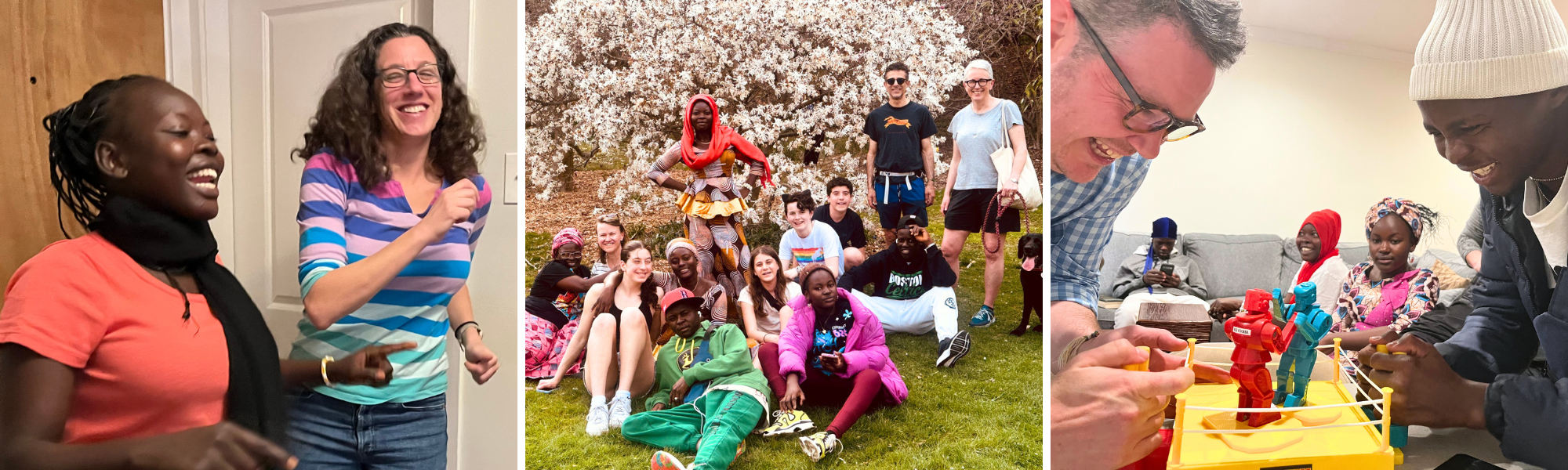

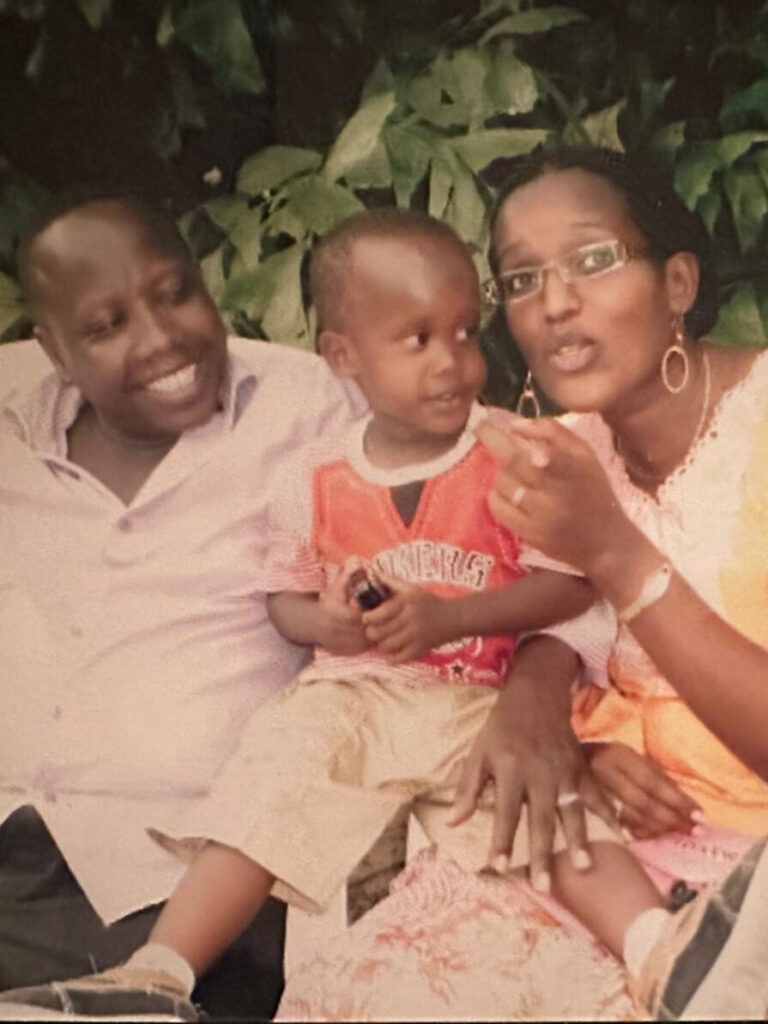

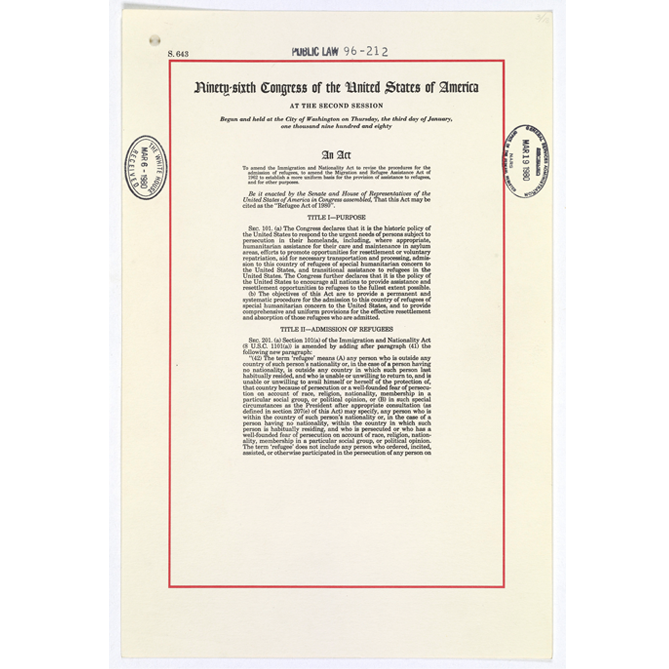
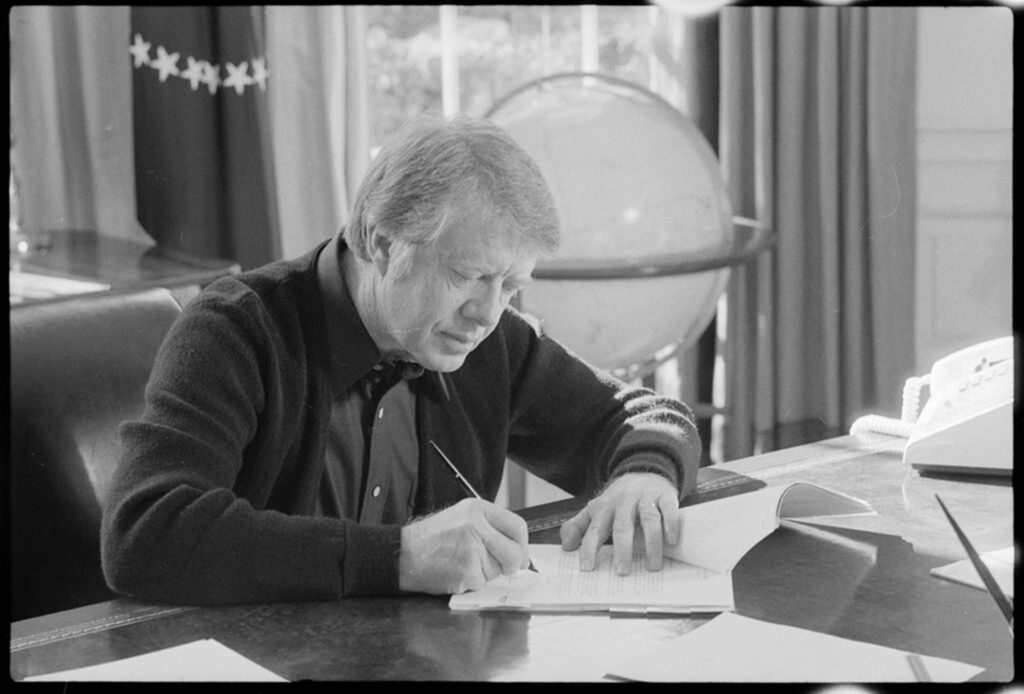


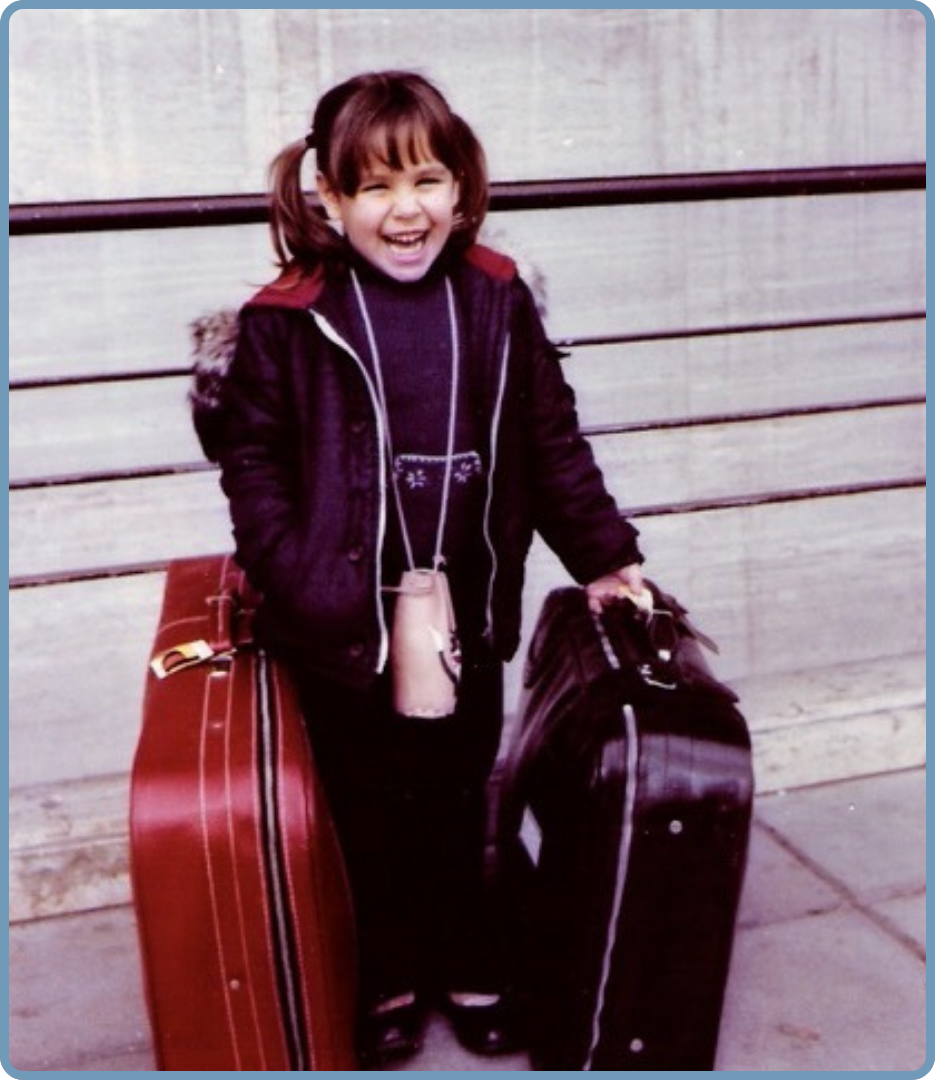
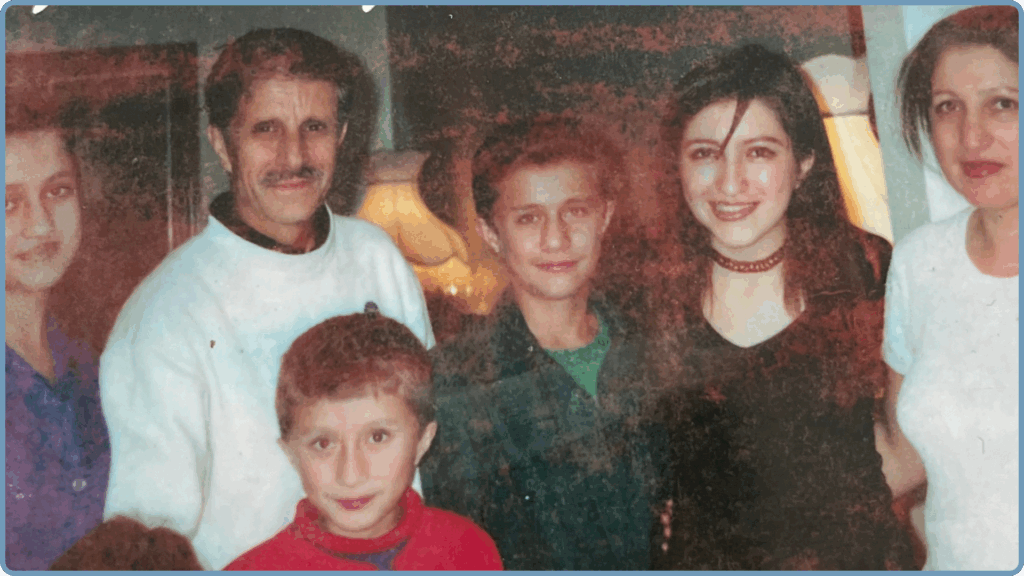
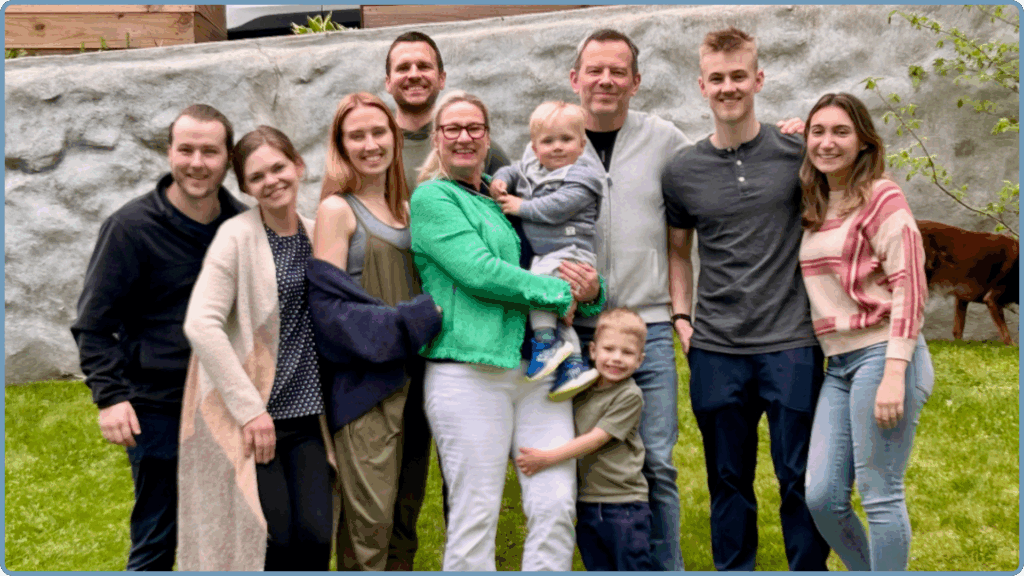
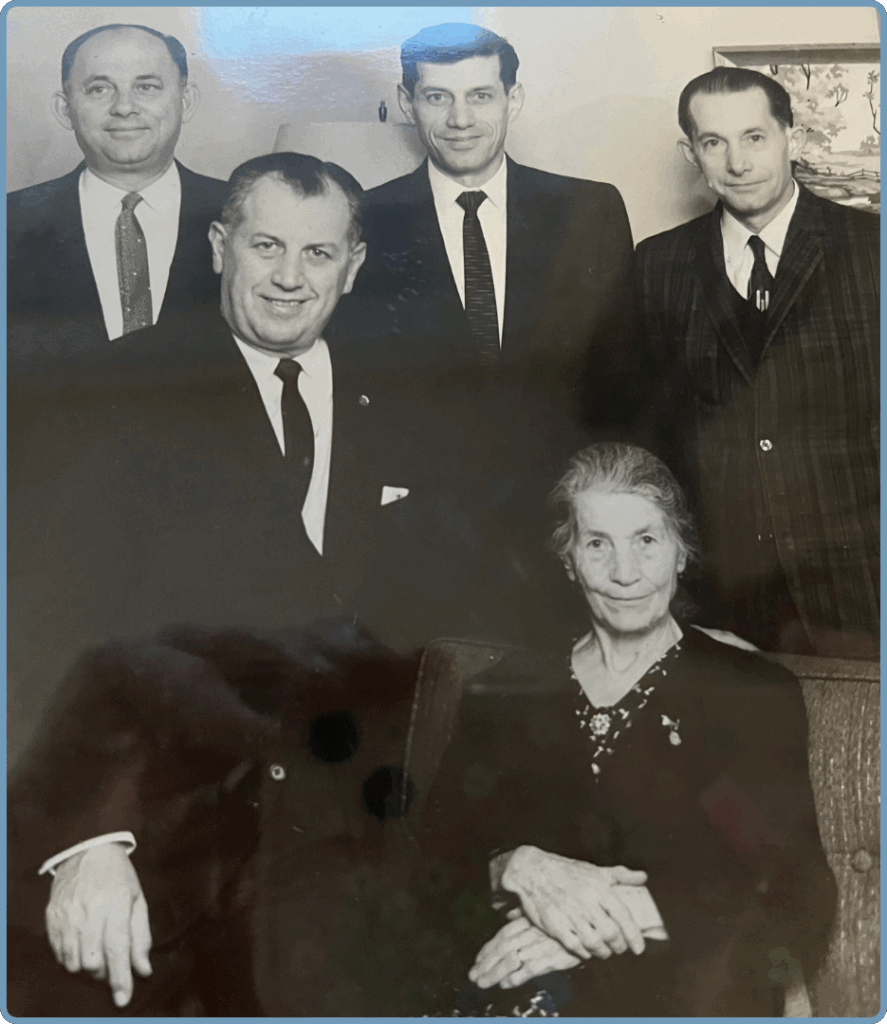

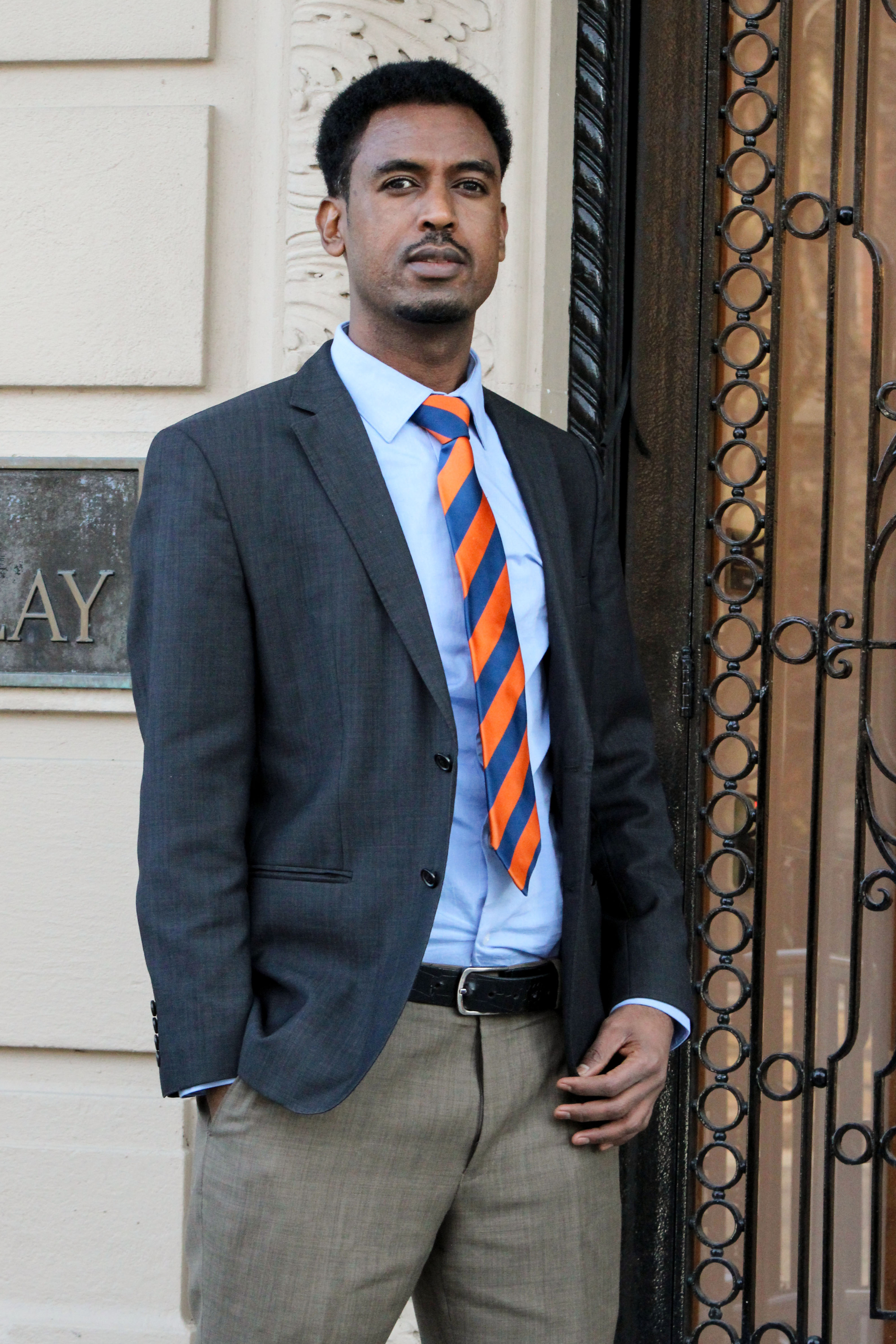 Сомалійська культура заснована на гостинності. Вони є об'єднаною громадою - громадою, яка пов'язує один одного. Вони живуть як сім'я. Сомалійська культура заснована на любові один до одного, на гостинності".


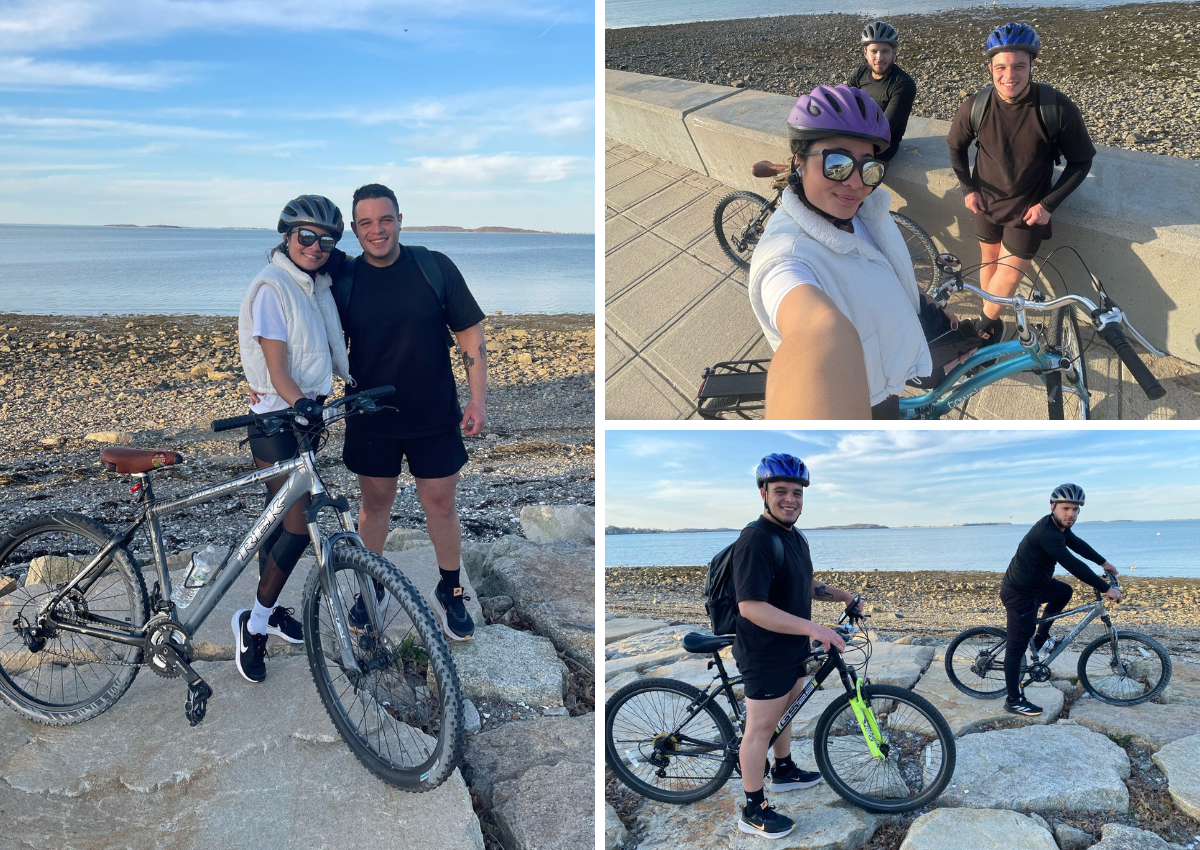
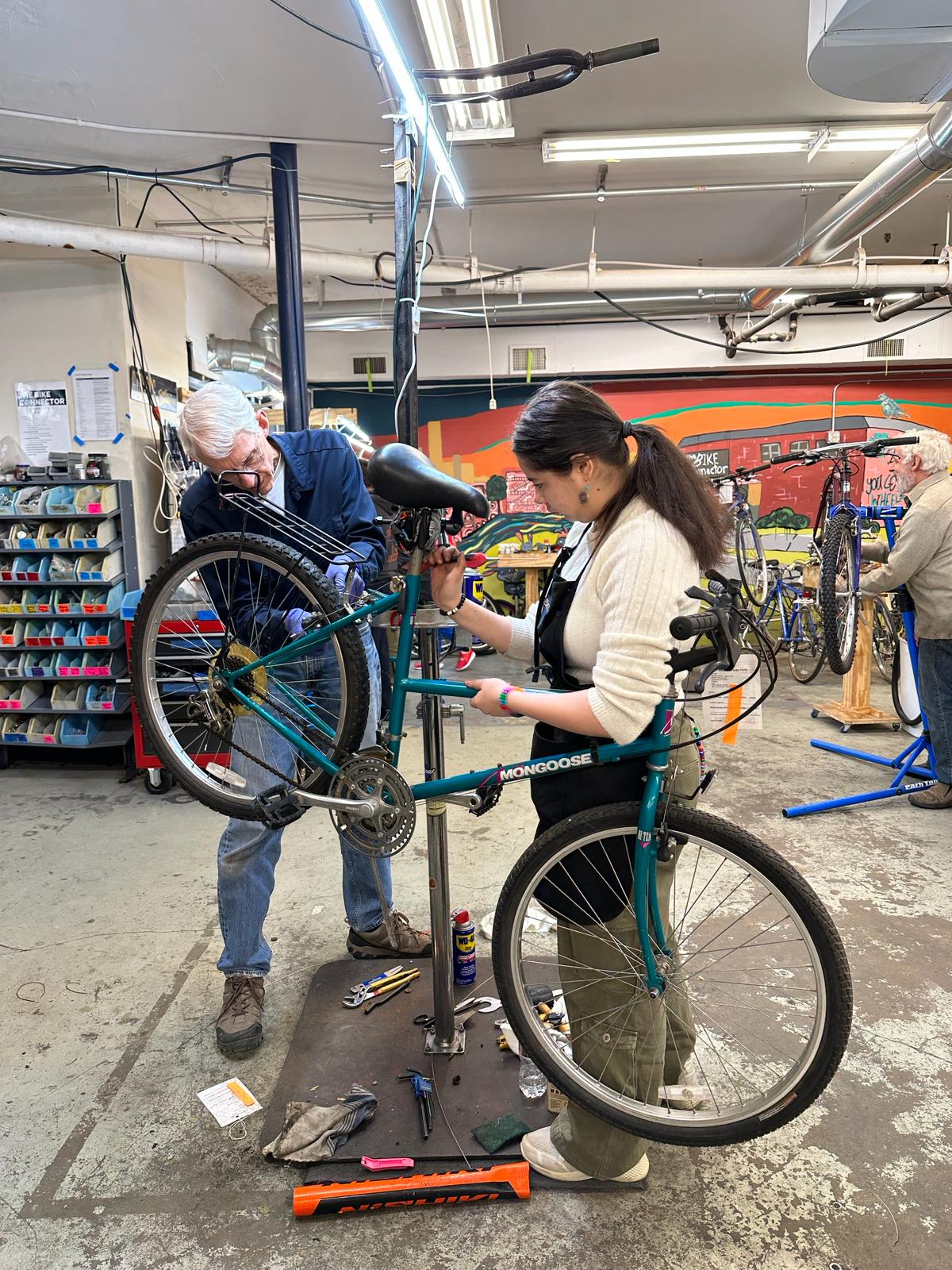

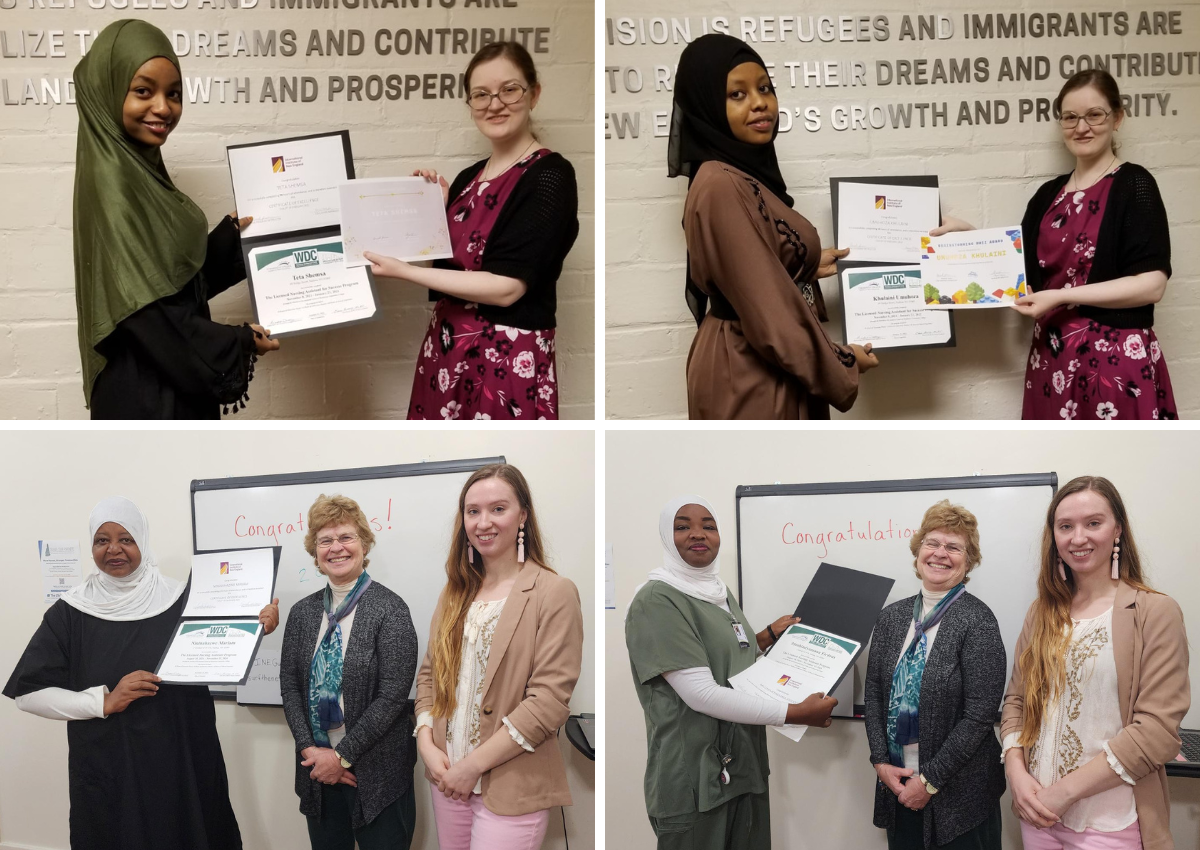

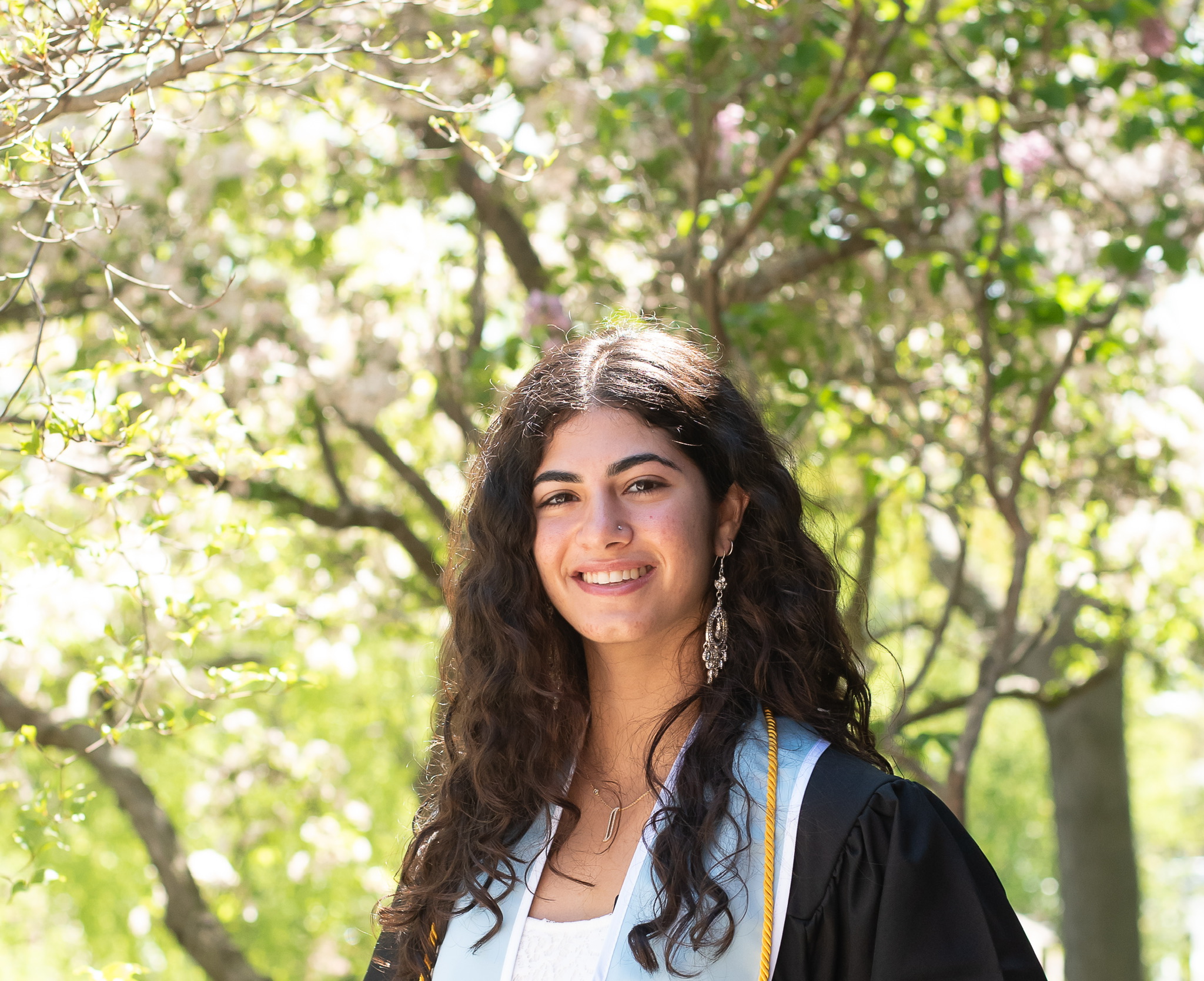
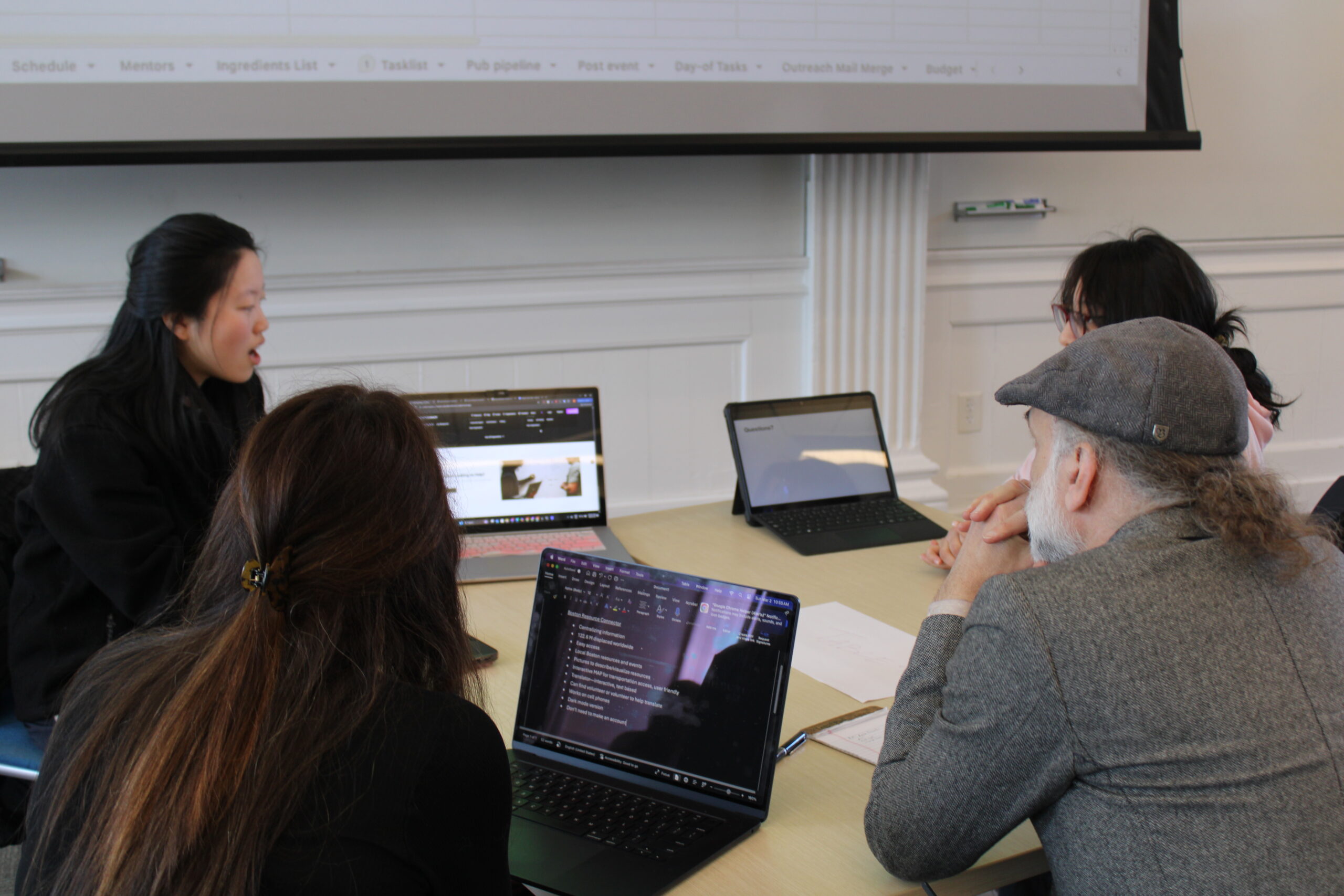 Під час сесії IINE, присвяченій проблемам, старший віце-президент і директор з питань розвитку Ксан Вебер представила огляд нинішньої кризи переміщення, а також історію та послуги IINE. Вона окреслила постійні перешкоди, з якими стикаються новоприбулі, включаючи мовні бар'єри, відсутність транспорту, дефіцит доступного житла та обмежений доступ до фізичної та психічної медичної допомоги. Потім вона розповіла про виклики сьогодення: скорочення федерального фінансування та підтримки, утиски прав і загрозу масової депортації.
 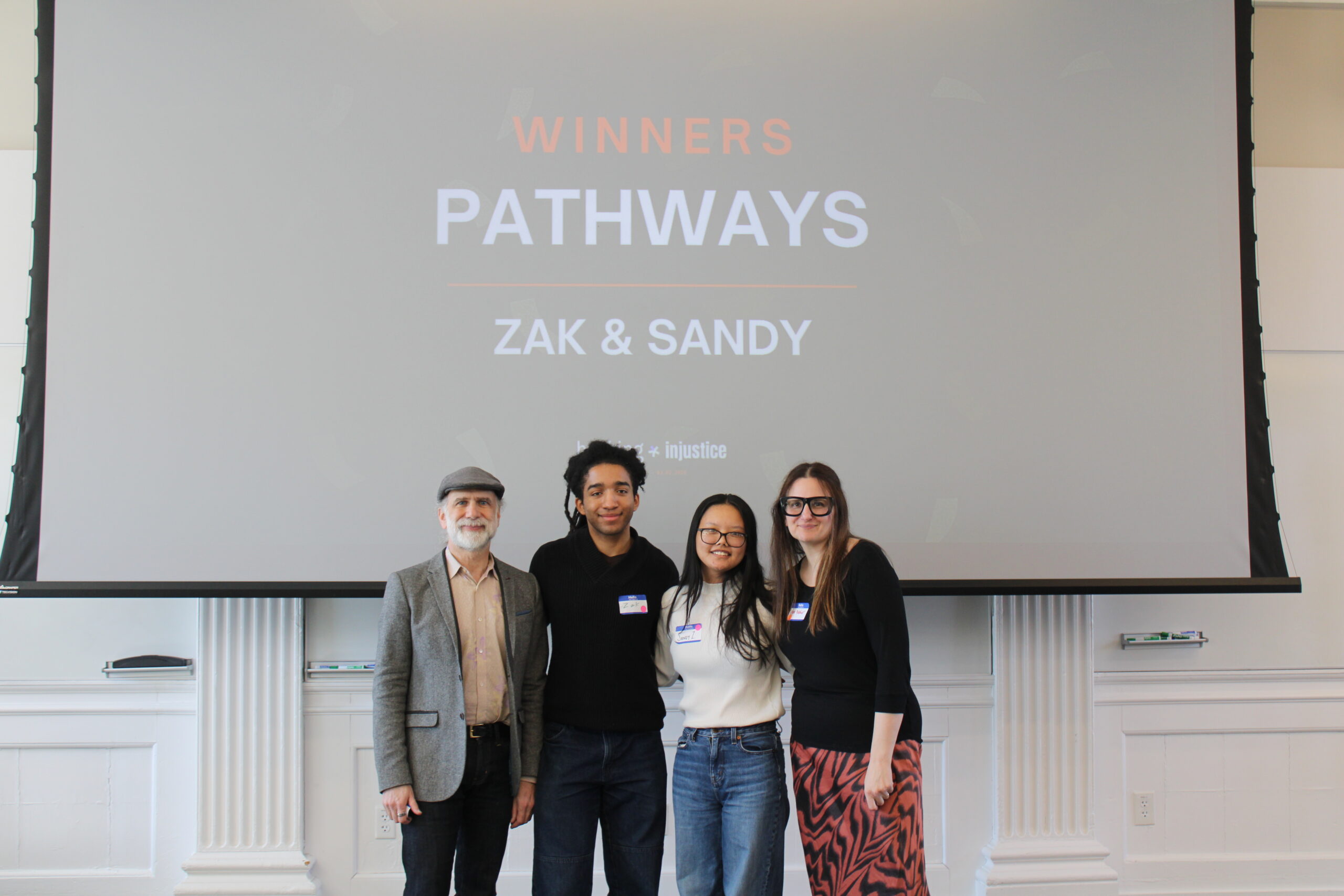 Переможцем конкурсу стала команда, що складалася зі студентів Гарварду, Велслі та Тафтса, яка запропонувала додаток для з'єднання агентств з розселення біженців та імміграційних служб з громадськими волонтерами та негрошовими пожертвуваннями. Використовуючи їхній додаток, організації могли б створювати пости з поясненням потреб, а волонтери могли б відповідати на них пропозиціями про допомогу.
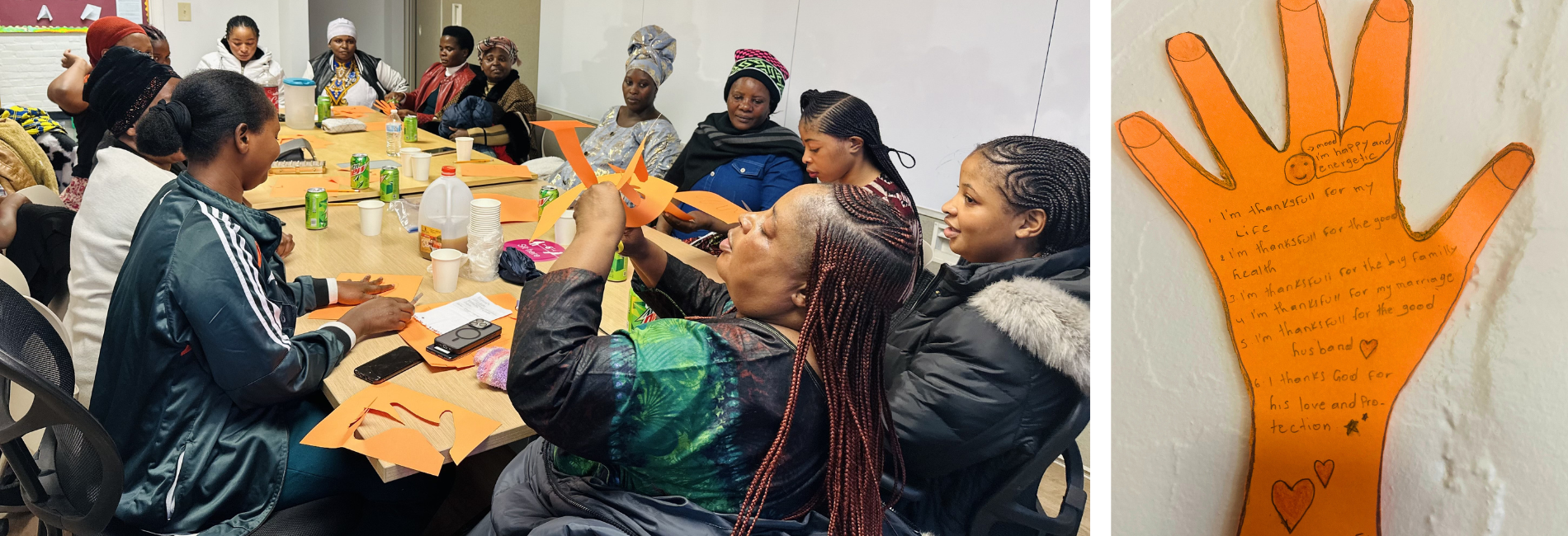
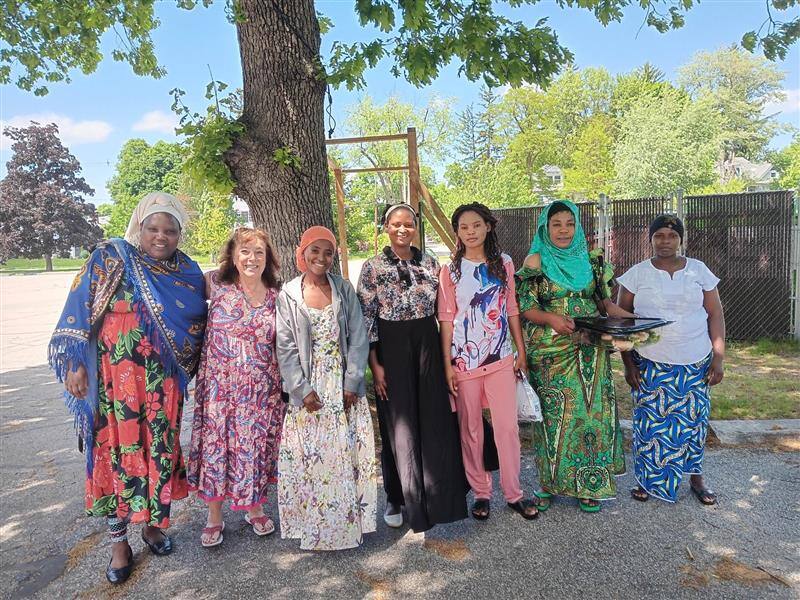
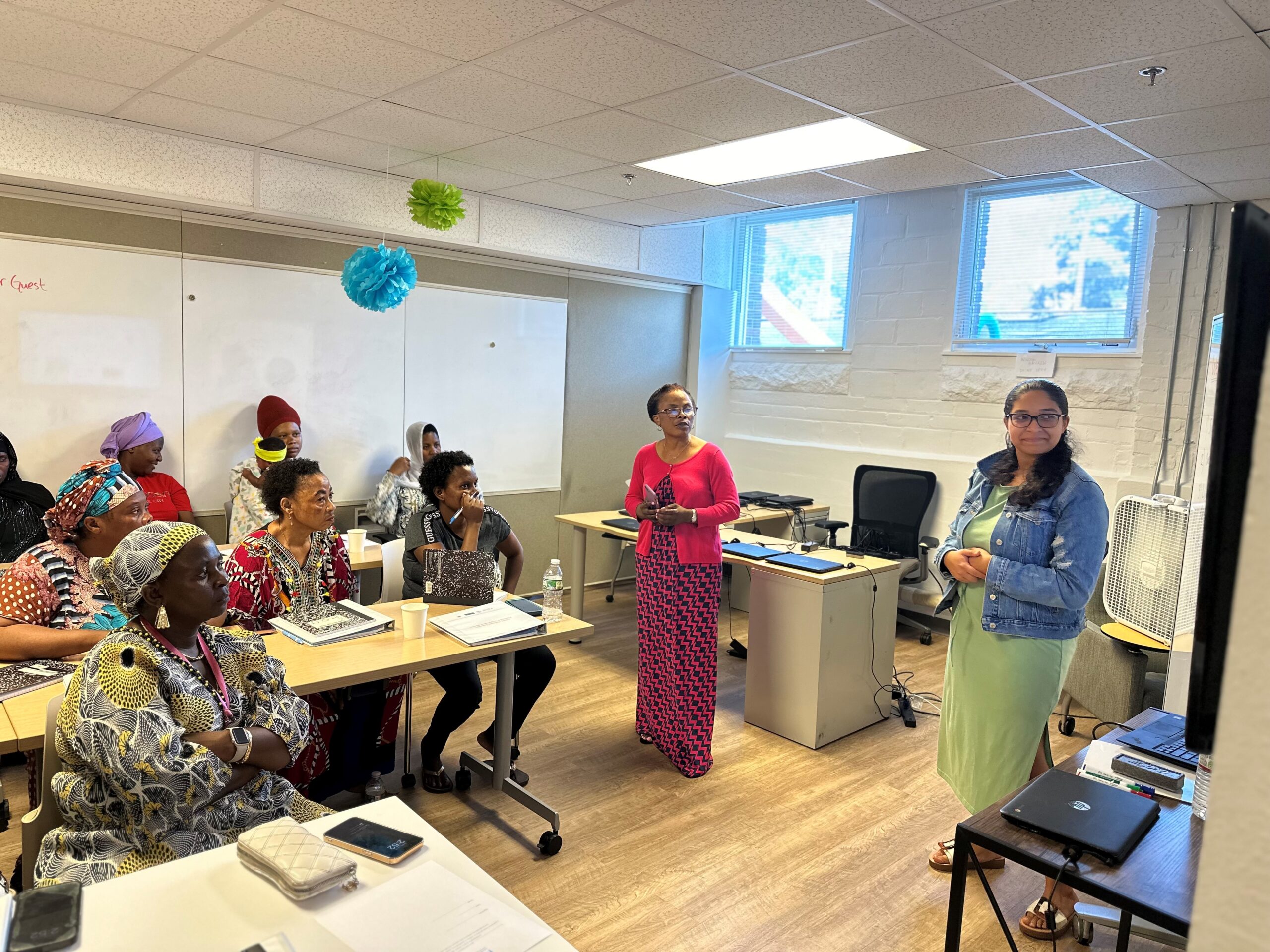

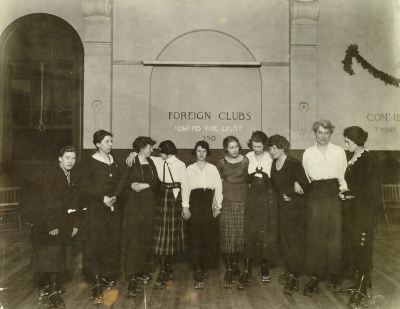
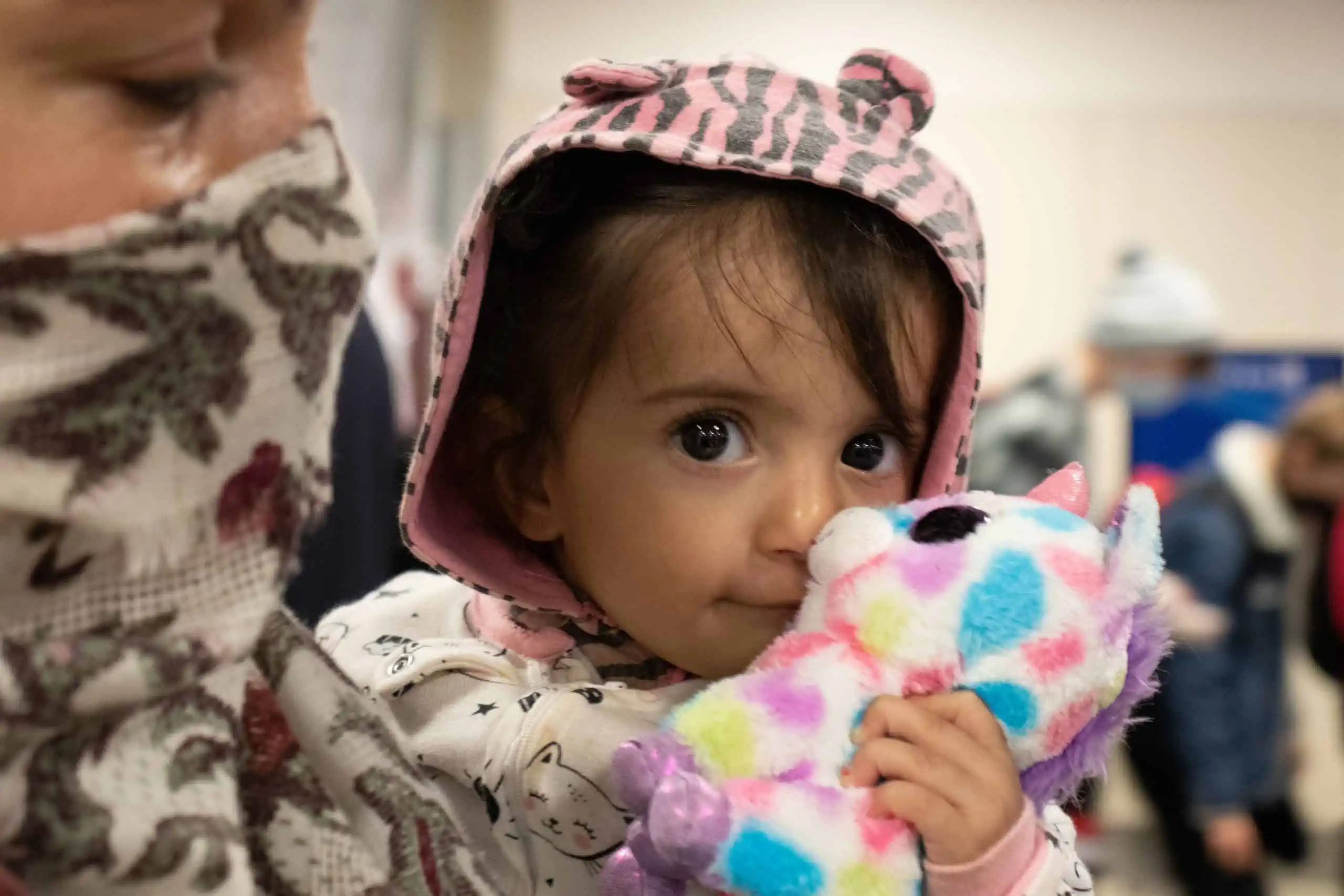

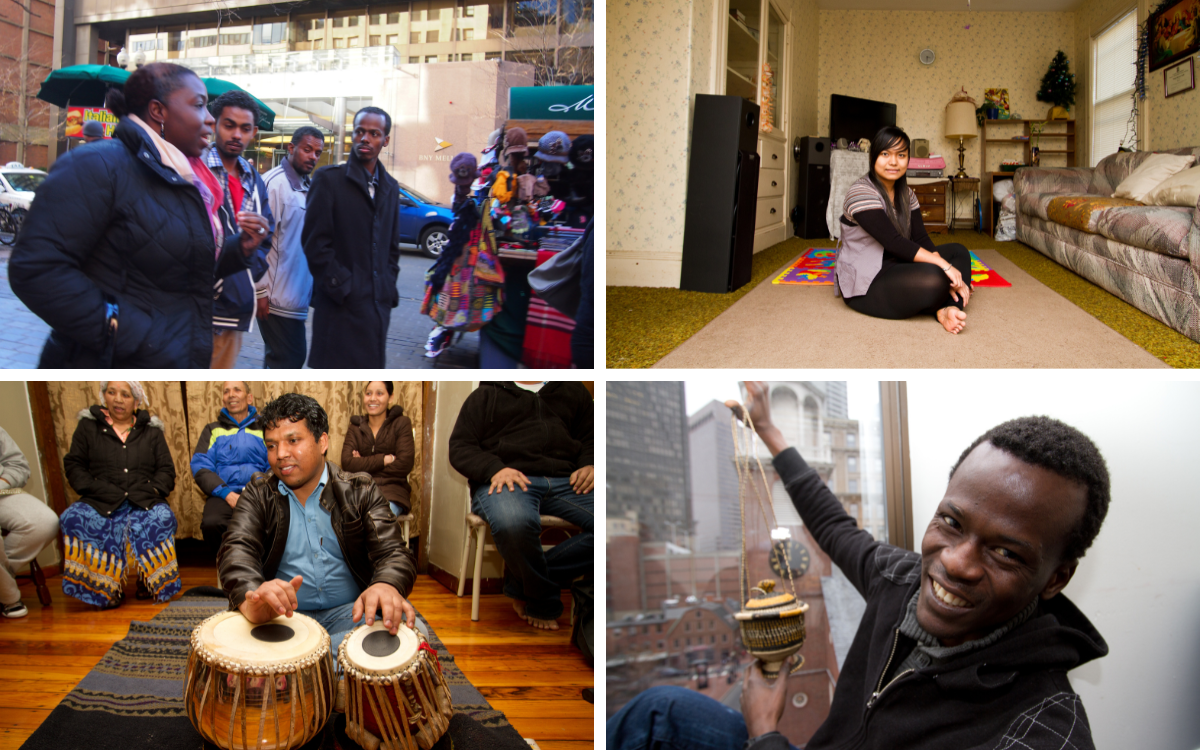

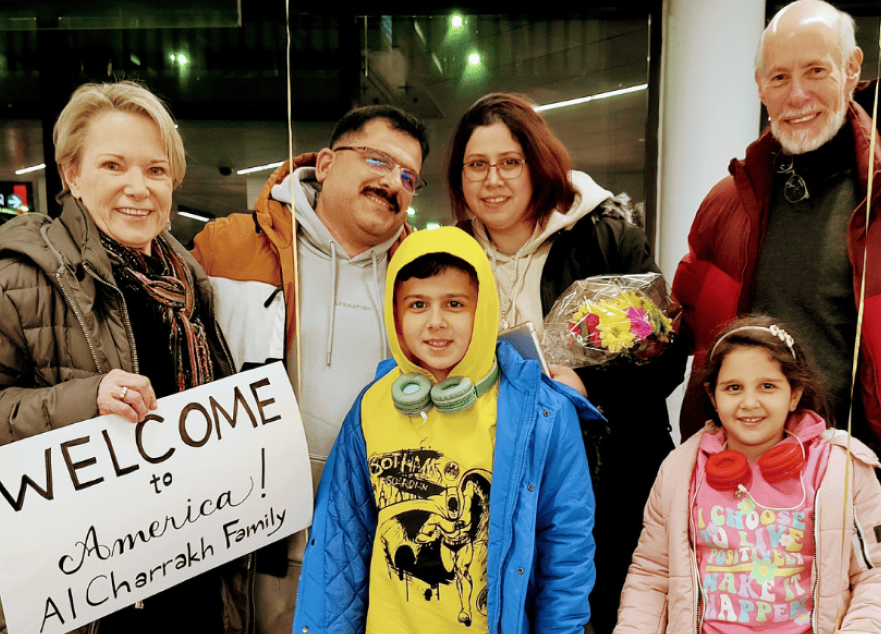 Зі збільшенням кількості прибулих, IINE
  Щоб ще більше залучити громади до прийому новоприбулих, IINE повернувся до мистецтва, продовжуючи традицію, яка почалася з міжнародних фольклорних фестивалів у 1930-40-х роках і продовжилася кінофестивалем Х'юман Райтс Вотч та музеєм "Мрії про свободу" на початку 2000-х років. Започаткований у 2017 році кінофестиваль
  IINE найняла десятки нових співробітників для підтримки новоприбулих гаїтян, багато з яких були самі гаїтяни, і проводила цілоденні "клініки" у своїх офісах, бібліотеках і церквах, щоб допомогти новоприбулим сім'ям отримати доступ до грошової допомоги та імміграційної юридичної підтримки. Публічні заходи, такі як офіційне підняття прапора міста на День незалежності Гаїті, допомогли згуртувати членів громади на підтримку своїх нових сусідів. Було створено новий відділ IINE з надання послуг притулку, який допомагає клієнтам швидко, безпечно і назавжди залишити державні притулки для людей, які опинилися в надзвичайних ситуаціях.
 На рідному Гаїті Стайв вісім років викладав математику та статистику в середній школі. Робота здавалася йому важливою - але як