تخطي إلى المحتوى الرئيسي

بوسطن
2 شارع بويلستون، الطابق الثالث
بوسطن، ماساتشوستس 02116
617.695.9990

لويل
101 شارع جاكسون 101، شارع جاكسون، جناح 2
لويل، ماساتشوستس 01852
978.459.9031

مانشستر
470 شارع باين 470، الطابق السفلي
مانشستر، NH 03104
603.647.1500

اتصل بنا
info@iine.org info@iine.org
iine.org

للتواصل مع وسائل الإعلام
comms@iine.org

تابعنا


تبرع

الوسم: اللاجئون

الصورة المصغرة لمدونة التعليم العالي

طلاب الكلية يتعلمون إعادة توطين اللاجئين من خلال مد يد العون والمساعدة

Northeastern RT Group

Colleges and universities define New England’s culture, bringing innovation and meaningful cultural exchange as they draw educators, researchers, and students from all over the world. For IINE, colleges and universities are important partners; professors and administrators collaborate on our vocational skills training programs and help IINE clients set educational goals. Many local students serve as interns, learning about the work behind the scenes while providing much-needed support to IINE’s staff. 

Now IINE is forging a new type of partnership with local colleges and universities: collaborating directly with students in classes on migration, international affairs, and international business to provide them with hands-on service-learning opportunities. The benefits are threefold: 

  • تحصل العائلات اللاجئة على دعم المتطوعين الشباب المندفعين الذين يستكشفون مدينتهم الجديدة إلى جانبهم.
  • يتسنى لـ IINE المساعدة في تشكيل الجيل القادم من المرحبين والداعمين.
  • يتسنى للطلاب المشاركين الانتقال إلى ما هو أبعد من البحث لاكتساب الخبرة وإحداث فرق ملموس في حياة اللاجئين الذين يحتاجون إلى الدعم في هذه المرحلة المحورية.

“The college students who come here to learn and the refugees who come here for a fresh start all renew and enrich our communities,” says IINE Volunteer and Community Sponsorship Coordinator Kate Waidler. “There’s much to be gained from bringing them together. It’s important for students who are really trying to understand international relations to meet some of the actual people they’re talking about when they’re discussing humanitarianism and victims of war, and it’s great for refugees to meet some people beyond case specialists— young people with different dreams and aspirations who are equally welcoming and want to learn how to help.”  

Kate recently developed partnerships with two universities in Boston while attending monthly meetings of the Supporting Higher Education in Refugee Resettlement project (SHERR), a service-learning-focused sub-group of a national network, and is proud that IINE is one of the first groups to move from theory to practice. “There was a sense from the group of ‘Wow! You’re already doing this!’ I realized that we’re pioneers.” 

Exchanging knowledge and skills with students at Northeastern

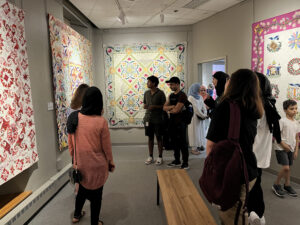
In the spring of 2024, IINE completed an inaugural partnership at Northeastern University (NU) working with students in its “Globalization and International Affairs” and “Cultural Aspects of International Business classes. The collaboration included NU classroom visits from IINE staff who trained students in aspects of refugee resettlement. Refugees and immigrants were also invited into the classrooms to participate in valuable discussions about their experiences finding work in a new country. Students engaged in multiple aspects of fieldwork, some traveling to IINE’s Boston office to tutor or teach while others provided hands-on assistance preparing to welcome new refugee arrivals.

Digital Literacy 

One group of NU students was tasked with giving refugees and immigrants with little technology experience a key to accessing IINE classes and services, navigating their communities, and succeeding in the workplace: basic digital literacy.  

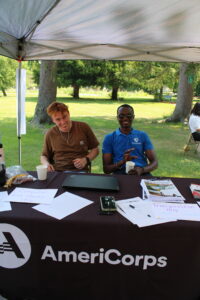
Students designed and taught their own workshop to help IINE clients operate smartphones and Chromebooks to access and use needed programs and applications, including IINE’s online ESOL instruction platforms; and to write, edit, and search. Three sessions of the workshop were held for clients from Somalia, Cameroon, Haiti, Central African Republic, Guatemala, South Sudan, and Afghanistan, with interpretation provided in several languages. The project was designed and spearheaded by IINE AmeriCorps Volunteer Rosemary Barnett-Young. 

NU Student quote

“It was something I had both clients and staff express a need for,” says Rosemary, “so I was eager to get the classes up and running. In my own work with clients, I had some challenges with virtually helping explain how to join meetings online, etc. The Northeastern students were incredibly important in offering these classes in person. Clients said it was a great class, and it helped them learn many new things about computers. Many have reached out and expressed interest in follow-up computer classes.” 

Huskies Supporting Families: A Northeastern Student on Welcoming New Arrivals  

Two groups of Northeastern students took on the important task of preparing to welcome newly arriving refugees and making their first day in their new home a success, mirroring the work of IINE’s Resettle Together community sponsorship program. After completing initial training with IINE staff and online training with the Refugee Welcome Collective, a national organization supporting community sponsorship, each group was assigned to a family of incoming refugees from the Democratic Republic of the Congo, with a few weeks to prepare. Their main tasks were to make sure their families’ first apartment in the U.S. would be fully hospitable and stocked with groceries, greet their families at Logan International Airport, make sure they got safely to their new home, and provide them with a warm, culturally appropriate first meal. 

Thomas Brulay, a second-year Northeastern student studying International Affairs and International Business was one of the students assigned to the Koufoukikas, a group of five siblings and an adult son. His group’s first task was to raise enough money for the Koufoukikas to afford their first month’s rent and security deposit. 

“Our fundraiser was called “Huskies Supporting Families,” Thomas says, explaining that the Huskies is the name of Northeastern’s sports teams and a nickname for their students.  

While he didn’t know much about the family he would be welcoming, Thomas’s own experience as a transplant to Boston helped him empathize with them. For example, "Northeastern RT GroupWe handed them out some jackets for the Boston weather. It kind of reminded me of growing up in Miami, [where it was] always like 75-80° out, and then coming to Boston, especially in the winter, it’s like 25° outside, so I think I definitely had that in mind.” 
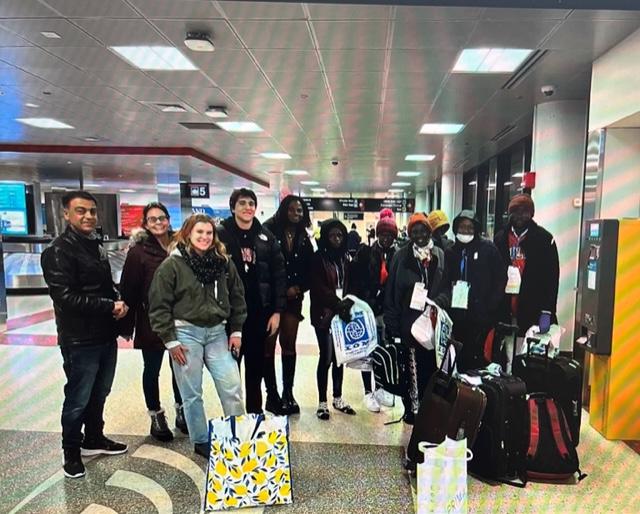
Thomas further related to the experience of the Koufoukikas as a first-generation American. His mother was born in Brazil and his father in Mexico. 

“The immigrant perspective [I have] because of my family really drove me to help these people. I think being born in the US and being able to speak English and get around—it’s great to be able to use my skills and my familiarity [to help].” 

In addition to speaking English, Thomas speaks Portuguese, Spanish, and a little bit of French, which came in handy when he met the Koufoukikas at the airport.  

“The family only spoke French, and I did take two years of French in high school, but I kind of forgot a lot.” He says with a smile. “I made an effort though to speak with them. They seemed confused when we met, like, ‘Who are these people?’ But I introduced myself and then they understood a little bit better. 

Thomas introduced the Koufoukikas to a driver hired by IINE. While the driver didn’t speak French, he held up his phone to show them a screen displaying the family’s name. Thomas says “their eyes lit up” when they saw it.  

“It definitely made me realize how hard it can be,” he reflects. You can be approached by anyone—it’s not always someone that’s trying to help you out. Their journey was so long, They were at Dulles [Airport] for like 8 hours, being  interrogated by American immigration officials, and they finally made it to Boston and were super tired—it was just great to be able to assist them, moving them into a comfortable place to sleep in Boston so they could start their new life—[it makes me] realize just how fortunate I am.” 

After the driver took the Koufoukikas to a motel where they would stay while their apartment was being prepared, Thomas went back to Northeastern with his team members. They used the dormitory kitchen to prepare the family a Congolese-style chicken dish for which he had found a recipe online, and then delivered it to them—his last duty as a resettlement volunteer.  

Thomas left his experience inspired and plans to volunteer more in the future. He offers this advice to other students who may be interested: 

“I’d say go for it! Maybe it can be a little bit scary at first, but try to put yourself in their shoes. You know, it’s so hard for, especially refugees, who, they’re just, looking for a better life and a better future.” 

University of Massachusetts Boston: Data Dictionary, Housing Handbook, and ESOL for Equality 

Over at the University of Massachusetts (UMass) Boston, students in a class called, The Complex Landscape of Refugee Resettlement: Transnational Migration and Concurrent Realities,engaged in some other very practical projects with lasting impact 

Assessing Progress with a Data Dictionary   

After learning about the need from IINE staff, one group of UMass students developed what they called a “Data Dictionary,” a survey-based assessment tool to measure the effectiveness of IINE programs in helping refugees integrate into their new communities. Informed by their academic research, the diagnostic tool included questions for clients on how they were progressing in meeting their goals of achieving language skills, accessing public benefits, integrating into their new communities, achieving self-sufficiency, and progressing toward citizenship. The final tool was translated into two additional languages before being handed off to IINE case workers who now plan to pilot it with a family of refugee clients.  

A Housing-Search Handbook    

UMass Boston Resettlement volunteers worked on one of the first stages of the process—and one of the most challenging: finding affordable housing that’s walkable to key resources such as public transportation, grocery stores, and community centers, in a notoriously scarce housing market. After learning about the process and pitfalls of the housing search from IINE, the group of seven students set out to directly contact landlords to make their pitch about IINE clients as tenants, check availability and interest, and then pass on leads to IINE staff. They used information gleaned from the experience to help document and streamline the housing search, creating a spreadsheet that automates key listing information and a brochure full of useful tips and step-by-step instructions. 

Read IINE’s post on finding housing for refugees. 

“These resources are incredible!” says Kate, who supervised the project. “These students took the initiative, pushing through the intimidation factor of having informed, sensitive conversations, and handed us tools that make our work easier, and of course, greatly improve the lives of refugees making a fresh start here.” 

At the end of the project, students reflected on their learning and success. One student wrote,  

“This project really made me hone my research skills and learn how to be resourceful, and also gave me the opportunity to reflect on my position where housing isn’t an issue I have but is one I can help others with.”  

ESOL for Equality    

UMass Boston students in an English for Speakers of Other Languages cohort had the opportunity to step into the shoes of an instructor for some eager adult learners. Naming their project “ESOL for Equality,” each UMass Student was paired with one client currently on IINE’s ESOL waiting list. With training and guidance from IINE, they each designed and implemented an individualized course of study for their students and taught it over a semester.  

“These designs were really thoughtful and well executed!” says Kate. “Our ‘ESOL for Equality”’ instructors took the time to get to know their students’ goals and language levels and then helped teach the specific vocabulary they needed.”  

“One instructor wanted to meet her student at a local library, so she formed a relationship with the librarian, and as part of a class, helped her student get a library card. She also helped her open a bank account. Other instructors developed videos for the clients to help them drill lessons, worked with them over Zoom and coached them on digital literacy, played word games with them, and even took them on field trips to local museums! This went beyond English instruction, facilitating some great opportunities for social connections and cultural exchange.” 

Gianna Speaks, a UMass Boston Biochemistry major who served as an “ESOL for Equality” instructor and decided to continue as an IINE ESOL teacher when the project concluded, reflected, “Volunteering for ESOL was an eye-opening experience. It really allowed me to get a glimpse at the lives of refugees, and the similarities and differences in cultures and ways of life. It also gave me a peek into the struggles that come with having to adapt to a new language on top of everything else. It was very rewarding seeing how each lesson brought my client closer to their goals (getting a job/going to school).” 

---

IINE is continuing to develop new forms of partnerships with higher education institutions. In April, IINE launched a pilot program at the Boston University Center for Forced Displacement. Instructors in the program are providing workshops for IINE case workers in refugee resettlement policy and practice, on the global and national levels, to broaden and contextualize their understanding of the field. The long-term goals of the initiative are to create a model that can be replicated by other universities and resettlement agencies and to create a credential for participants to help advance their careers.

With these first successes now in the books, IINE is excited to forge more partnerships with colleges and universities going forward, bringing together practitioners and researchers, and connecting the next wave of youth who have made their way to Boston to study with refugees who have come here seeking safety and a new start—all preparing for a bright future.

قصة نازيا: التزام لاجئة أفغانية بالتعليم والأمل بلا هوادة

Nazia Blog Banner

The hardest and most important job

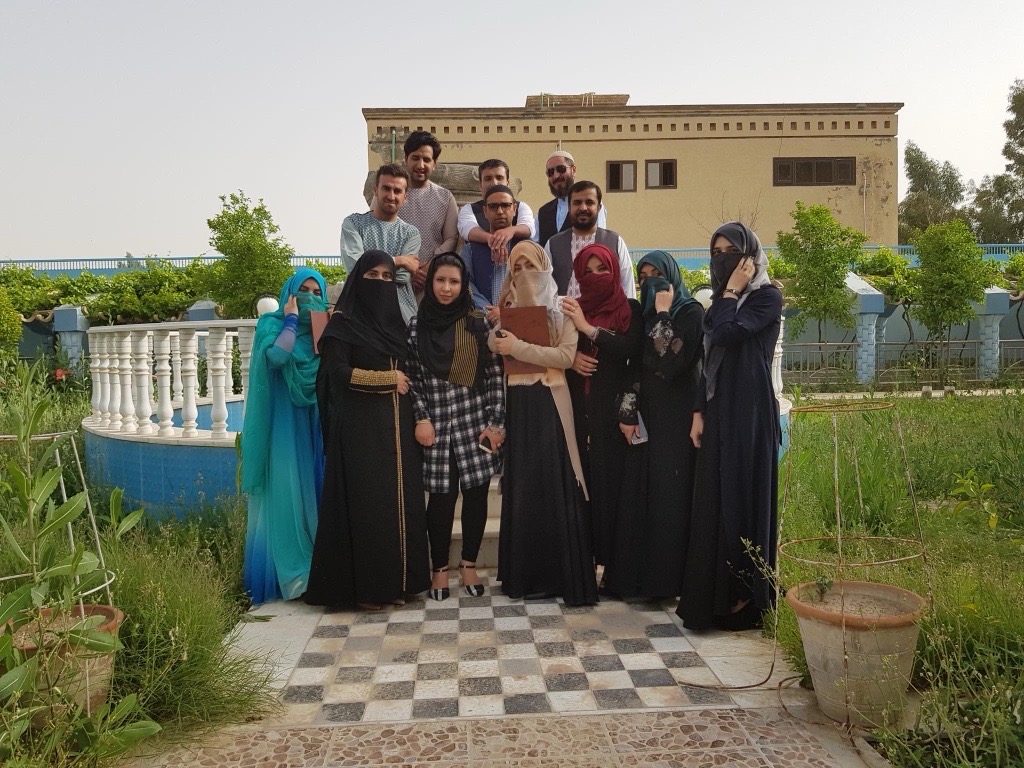
Growing up in Afghanistan, Nazia developed a true passion for teaching at a young age. She became an English instructor when she was in 10th grade, and for years, continued teaching for little or no money, eager to gain experience.  

“Teaching has been my dream job. In our country, people don’t have a good perspective about teaching – they think it’s a simple job, but it’s the hardest and most important job. A doctor once had a teacher. A president once had a teacher.”   

With time, Nazia became successful and well-known in her profession. While completing her university degree in education, she taught English to both children and university students, and then after graduating, accepted a role teaching adult learners online. With hard work and sacrifice, she had built a life for herself doing what she loved. 


A dark cloud 

Then, the Taliban came and took it all away. It was 2021, and Kabul had fallen in what felt like an instant.  

“[Women] lost the right to get an education and have a job. We couldn’t travel alone, we had to have a guardian. It felt like a really big, dark cloud had come over our country and it was not going to move away. It made everything dark. You felt like thunder was going to hit you; the thunder was the Taliban.” 

As a woman, it was now illegal for Nazia to teach. It took her a full year to find an opportunity to do so anywaya decision which came with real peril.

“Taliban were living in our neighborhood, so when I taught, I would close all the windows and doors. I felt afraid they would hear my voice talking in English, and I would cause danger for my family.” 

The Taliban did their best to fan the flames of her fear. 

“Two separate times, I received a WhatsApp message from an unknown number with a profile picture of the Taliban, asking me ‘Have you started teaching again?’ I deleted the message and blocked the account. It was terrifying, but I didn’t stop because there were a lot of women who needed education, they needed a light in the darkness. My class was not only for teaching English, it was to give students motivation to be brave, to never lose hope.” 

Nazia did not give up. In fact, she wanted to do more. She decided to start a social support and education group for fellow women living under the Taliban, which she named “Lifesaver Girls.” It took her many tries to find an education center brave enough to host this illegal gathering, but with perseverance, she was able to convene one meeting. She felt she had to. 

“After the Taliban took over, most of the girls got disappointed and depressed. This group motivated them. When they first came to the meeting, you could feel the hopelessness and [see] deep sorrow in their faces. We talked about some successful women who did their best in the hardest situations, and we introduced them to online ways to get an education. At the end of the session, you could see the brightness of hope in their eyes.”  

A really hard night 

Nazia had been living in Ghazni, a city about two hours from Kabul. In December of 2023, she received a call from the organization that was helping to evacuate her from Afghanistan. They told her to be in Kabul the next morning. Women were not allowed to travel alone, so she set off with her father. They waited 14 days before being evacuated to Pakistan. Then they had to walk an hour in the middle of the night to meet the driver who would take them to Pakistan and then to Qatar.  

“It was a really hard night. It was so stressful. At the Afghanistan-Pakistan border, the Taliban checked all of the stuff we had and asked ‘Where are you going? Are you going to a foreign country?’ I told them ‘No, I’m sick.’ My father was pushing me in a wheelchair so they would believe me.” 

Nazia told the Taliban that another male relative was waiting for her at the border, so that her father was able to leave her. Then she was alone. She was checked by the Taliban four separate times. When she got to Pakistan, she stayed three nights before being evacuated to a camp in Qatar. It was a difficult period.  

“It was like you are in a big jail. You are not allowed to go out of the camp. I was stressed that my case wouldn’t be accepted, and I would think about how I would live in Afghanistan. I would be arrested for leaving the country alone.”  

After 28 days, Nazia’s case was approved. She arrived in Boston in January 2024.  

Learning how to walk 

Nazia with IINE Career Navigator Emma Pond

Within one week of her arrival in Boston, Nazia enrolled in services at the International Institute of New England (IINE). Case Workers quickly helped her get her social security card, enroll in food benefits and health care, and acquire her work permit. IINE’s Education and Employment teams helped her to write a resume, begin searching for jobs, and explore opportunities to pursue a master’s degree. She was also invited to a monthly support group for fellow Afghan women to meet, socialize, share advice, and explore their new city together.  

IINE’s Afghan Women’s Group in Boston

Nazia says that the people she meets at IINE are “really kind and helpful. I’m really thankful.” She is adjusting to life in Boston and learning how to navigate new challenges with IINE’s help.  

“It has some hardships. I’m getting used to a new environment—living without my family, traveling alone—but it is an interesting experience. Nowadays, I’m like a baby trying to walk, standing and falling down, but still not losing hope. The baby is sure they will learn how to walk even though it is hard. Here in the U.S., I’m learning how to walk. IINE is helping me to learn.”  

Finding the light 

Even before she came to the U.S., Nazia had dreamed of pursuing a master’s degree and then a PhD at Harvard University. Now this dream feels closer. 

I came to Boston by chance— it’s a really beautiful coincidence. I want to get my master’s and PhD in [Teaching English for Speakers of Other Languages], and one day, become a professor. Everyone says being a Harvard student would be hard; I agree it’s hard, but it is not impossible.” 

Nazia is also a writer. She has already had some success—a short story published on the website of a university in Iowa. She’s writing more short stories and hopes to write a romance novel one day. One thing’s for sure: nothing will stop her from striving for her dreams. It’s not easy, but she knows she now has support—and freedom.  

“In our country, we couldn’t go out after 5 p.m. Here, I can. I feel safe. There is no Taliban here, no one that will restrict me from following my dreams. When I have a hard time and miss my country, I walk around, and I see beautiful smiles. I feel ‘this might be hard, but I’m in a good environment… ‘I believe that when something is hard, it makes you the real version of you. There might be moments you feel down, like nothing is going to get right, but still in that moment, we can find the light.”  

نحن فخورون باستقبال وتوطين ودعمإد اللاجئين في منطقة نيو إنجلاند لأكثر من 100 عام. اعرف المزيد عن عن عملنا في إعادة توطين اللاجئين هنا.

تسليط الضوء على المتطوعين: تعرّف على آل تراجرز

قرر مارك وهايدي تريغر اللذان خاب أملهما بسبب النقاش الوطني حول سياسة اللاجئين خلال انتخابات العام الماضي، أن الوقت قد حان لمعرفة المزيد عن إعادة توطين اللاجئين في فنائهم الخلفي. في الشتاء الماضي حضرا فعالية "وطن للجميع" التي نظمها معهد IINE-مانشستر في متحف ميليارد، وتأثرا بالقصص الشخصية التي شاركها المشاركون في حلقة النقاش حول اللاجئين.

قرر الزوجان، مستلهمين من تجربتهما في هذا الحدث، إظهار دعمهما للمهاجرين من خلال زيادة الوعي بالتحديات التي يواجهها اللاجئون.

استضافت عائلة تراغرز حفلاً منزلياً لأصدقائهم وجيرانهم تحدث فيه موظفو المعهد الدولي لتعليم الكبار واللاجئون الوافدون حديثاً. وقد جمع هذا الحدث الأموال لدعم خدمات المعهد الدولي للمعلومات والتأهيل، وعرّف المجتمع بالعديد من عائلات اللاجئين، وساعد الناس على معرفة المزيد عن برنامج إعادة توطين اللاجئين في الولايات المتحدة.

لكن مارك وهايدي لم يتوقفا عند هذا الحد. فقد عملا أيضاً مع موظفي IINE للتخطيط لمسيرة الطبيعة في ممتلكاتهما الخاصة. أحضرت منظمة IINE ما يقرب من 200 طفل لاجئ وأولياء الأمور إلى منزل عائلة تراغر في الريف للتنزه وصيد الأسماك ومعرفة المزيد عن الهواء الطلق في نيو هامبشاير.

لقد فعلوا ذلك مرة أخرى بعد بضعة أشهر عندما استضافوا حافلة أخرى محملة بالأطفال الذين وصلوا لمغامرة خريفية لصيد الأسماك ومتعة الهالوين.

وقد استمتع ضيوف آل تراجرز من اللاجئين والمهاجرين في الفعاليات الثلاث بالمشهد الريفي والترحيب الحار الذي تلقوه من هايدي ومارك وجيرانهم.

إن آل ترايجرز متواضعون ولا يعتقدون أن ما فعلوه من أجل مجتمع اللاجئين في مانشستر هو أمر غير عادي.

ولكن كرمهم وعطفهم يتجاوز الدعم المالي. فالقيمة التي يعلقونها على العلاقات، وعلى فهم من أين أتى الناس وما عانوه، تساعد على تمكين اللاجئين من معرفة مجتمع أوسع من الناس.

خلال عام من عدم اليقين وانعدام الأمن بالنسبة للاجئين والمهاجرين، من المشجع أن نرى عائلة ترايجرز وعائلات مثلهم يرحبون ترحيباً حاراً في نيو هامبشاير بالأمريكيين الجدد.

العثور على منزل جديد في نيو إنجلاند

عائلة كونغولية أعاد المعهد الدولي في نيو إنجلاند توطينها لتضع المأساة خلفها لإعادة بناء حياتها في لويل

روز موكوندي موسومبا ليست مجرد مقاتلة، بل هي محاربة. كافحت روز، وهي أرملة وأم لعشرة أطفال، من أجل تربية أطفالها وإعالتهم بمفردها بعد مقتل زوجها في بلدهم الأم، جمهورية الكونغو الديمقراطية. كان زوجها يحقق في انتهاكات حقوق الإنسان، وبعد مقتله جاء المسؤولون الحكوميون من أجل روز وأطفالها، مما أجبر الأسرة على الفرار إلى أوغندا في عام 2004.

لم تستطع روز أن تتخيل حياة خالية من الخوف واليأس، لكنها كانت مصممة على توفير حياة أكثر أمانًا وفرصًا أفضل لأطفالها. تحمّلت العديد من العقبات للوصول إلى الولايات المتحدة؛ فقد خططت لهروبها من الكونغو بإقناع رجل بالسماح لها ولأطفالها بالاختباء بين الحيوانات في الجزء الخلفي من شاحنته أثناء قيادته لها عبر الحدود.

في أوغندا، كانت روز وأطفالها يتقاسمون شقة صغيرة مكونة من غرفتين، لكنهم كانوا يتنقلون من مكان إلى آخر لأن الميليشيات القادمة من الكونغو استمرت في ملاحقتهم. يتذكر ابنها رودريغ كيف مرت أيام لم يكن لدى الأسرة ما يكفي من الطعام، وإن استطاعوا الحصول على وجبة طعام، كانوا يدخرون نصف الطعام لأنهم لا يعرفون من أين ستأتي الوجبة التالية.

بعد سنوات عديدة من العيش في ظروف صعبة، أحالت مفوضية الأمم المتحدة السامية لشؤون اللاجئين روز وعائلتها لإعادة توطينهم في الولايات المتحدة.
وبعد عملية مطولة، وافقت حكومة الولايات المتحدة على قبولهم، ووصلوا إلى لويل، ماساتشوستس في أغسطس 2016.

تتذكر جينيفر تشيسنولوفيتش، أخصائية التوظيف في معهد IINE-Lowell، قائلة: "أتذكر أنني كنت في المطار عندما وصلت العائلة". "على الرغم من أن الجميع كان منهكاً من الرحلة الطويلة من أوغندا، إلا أنني شاهدت ابتسامة روز بينما كان أطفالها يسحبون أمتعتهم من على عربة نقل الأمتعة. ومثل العديد من المستفيدين من خدماتنا، كانت الابتسامة تشير إلى مزيج من الارتياح والأمل."

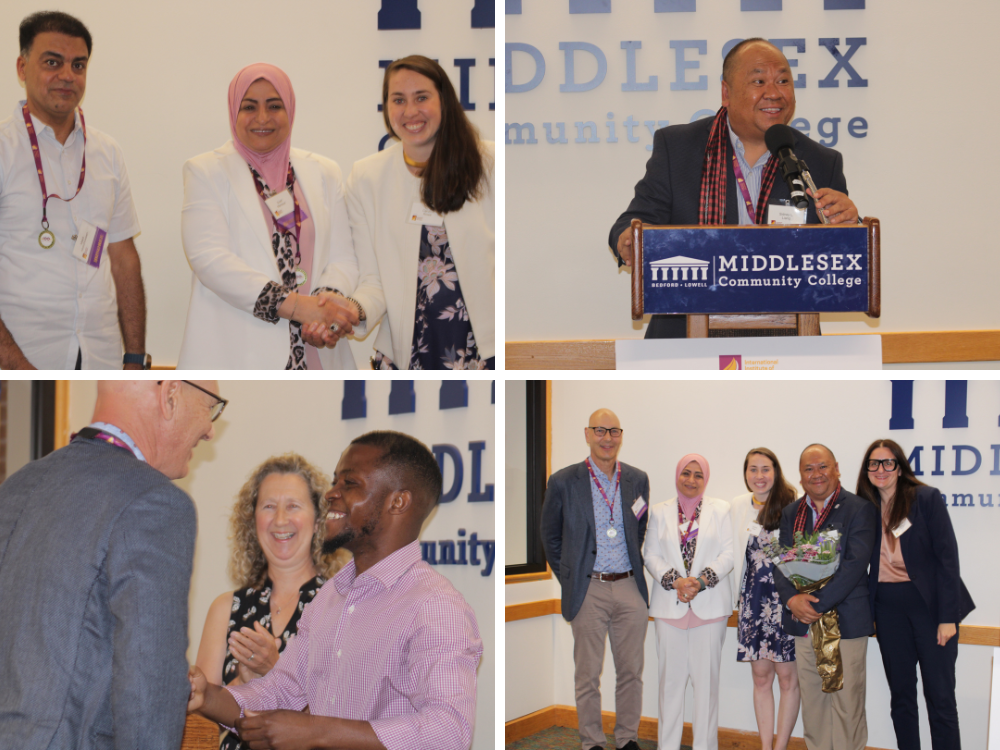
بعد وقت قصير من وصولها إلى لويل، بدأت روز في حضور دروس اللغة الإنجليزية في معهد IINE بينما كان أطفالها يؤمنون العمل - وهو ما يمثل انعكاساً لدور مقدم الرعاية الطبيعي. ولكن في غضون أشهر، شاركت روز أنها أرادت أيضًا دخول سوق العمل وتحقيق حلمها في أن تصبح ممرضة. أدركت تشيسنولوفيتش قوتها كمربية وفي يناير 2017 ساعدتها في تسجيلها في دورة تدريبية في مجال المساعدة الصحية المنزلية في كلية ميدلسكس المجتمعية. واستخدمت روز مهاراتها المتقدمة في اللغة الإنجليزية للتحدث في حفل تخرجها من التدريب، مسلطةً الضوء على أن حلمها أصبح حقيقة.

عند الانتهاء من التدريب، عملت روز بدوام جزئي كمساعدة صحية منزلية والتحقت ببرنامج تدريب مساعد تمريض معتمد (CNA) متقدم. وقريباً ستكمل البرنامج وستكون مؤهلة للعمل كممرضة معتمدة.

"قالت روز: "حياتي أفضل بكثير في الولايات المتحدة. "لدي الكثير من الفرص - يمكنني العمل وادخار المال وحضور الدورات التدريبية، كما أن أطفالي يتلقون التعليم. أنا حرة. أنا سعيدة مرة أخرى."

رد الرئيس التنفيذي لشركة IINE جيف ثيلمان على قرار المحكمة العليا الأمريكية بشأن حظر السفر الذي أصدره الرئيس

قرار المحكمة العليا يوم الاثنين يعني إطالة أمد معاناة العديد من اللاجئين الذين وافقت الحكومة الأمريكية على منحهم ملاذًا في أمريكا. وللأسف، فإن الأشخاص الذين عانوا من الصدمات النفسية وعاشوا في المخيمات لسنوات واتبعوا جميع قواعد نظام معالجة طلبات اللجوء في الولايات المتحدة لن يتمكنوا من الدخول لمدة 120 يوماً أخرى على الأقل أو سيضطرون إلى إعادة العملية برمتها. كان موظفونا في المعهد الدولي في نيو إنجلاند الجديدة يستعدون لاستقبال بعض هؤلاء اللاجئين وإعادة توطينهم في بوسطن ولويل ومانشستر في نيو هامبشاير.

حكم المحكمة

وضيّقت المحكمة العليا نطاق قرارات المحكمة الأدنى درجة ولكنها لم تلغِ قرارات المحكمة الأدنى درجة التي أوقفت أجزاء من الأمر التنفيذي الذي أصدره الرئيس ترامب والذي سعى إلى منع حاملي التأشيرات من ست دول ذات أغلبية مسلمة من القدوم إلى الولايات المتحدة لمدة 90 يومًا وتعليق برنامج إعادة توطين اللاجئين لمدة 120 يومًا. لم تحكم المحكمة أمس فيما إذا كانت الأوامر التنفيذية دستورية أو غير قانونية. وبدلاً من ذلك، قالت المحكمة العليا إنه يجوز للحكومة منع اللاجئين وغيرهم من حاملي التأشيرات الذين لا تربطهم علاقات بأشخاص أو كيانات في الولايات المتحدة من القدوم إلى بلادنا بينما تحكم في الأسس الموضوعية للقضية. وستنظر المحكمة في القضية في أكتوبر وستصدر حكمها بحلول نهاية عام 2017. وبحلول ذلك الوقت، من المحتمل جدًا أن تكون العديد من المسائل المثارة في الاستئناف قد أصبحت موضع نقاش لأن الحظر سيكون قد تم فرضه وستكون السنة المالية الجديدة قد بدأت.

وقالت المحكمة إن بعض الأشخاص، بما في ذلك اللاجئين، قد يأتون إلى الولايات المتحدة إذا كانت لديهم "علاقة حسنة النية مع شخص أو كيان في الولايات المتحدة". وقالت المحكمة إن هذا يشمل الأشخاص الذين تربطهم علاقات عائلية وثيقة في الولايات المتحدة، والطلاب المقبولين في إحدى الجامعات الأمريكية، والعمال الذين قبلوا وظائف هنا، والمحاضرين المدعوين للتحدث إلى الجمهور الأمريكي. قال المعارضون للحكم غير الموقع إن هذا الحل الوسط سيخلق الكثير من الدعاوى القضائية لأن المحاكم ستضطر إلى فرز ما تعنيه "العلاقات الحسنة النية". وهم على الأرجح على حق.

وذكرت المحكمة أنه يجوز للولايات المتحدة قبول أكثر من 50,000 لاجئ في السنة المالية 2017، وهو السقف الذي حدده الرئيس ترامب في أوامره التنفيذية. ومع ذلك، فإن معايير قبول اللاجئين خلال الـ120 يومًا القادمة هي أن يكون لهم صلة شرعية بأشخاص أو كيانات في الولايات المتحدة.

إعادة التوطين على الصعيدين الوطني والمحلي في المعهد الدولي للتكنولوجيا البيئية

وقد أعادت الولايات المتحدة توطين ما يقرب من 49,000 لاجئ حتى اليوم، وبسبب حكم المحكمة، ستعيد الولايات المتحدة توطين أكثر من 50,000 لاجئ بحلول 30 سبتمبر/أيلول.

بحلول نهاية هذا الأسبوع (30 يونيو / حزيران)، يتوقع المعهد الدولي لنيو إنجلاند أن يكون قد أعاد توطين 402 لاجئ في ماساتشوستس ونيو هامبشاير بحلول نهاية هذا الأسبوع (30 يونيو)، مع بقاء ثلاثة أشهر من السنة المالية. وكان هدفنا الأصلي هو 623 لاجئاً (وضعنا في الميزانية 590 لاجئاً) بحلول 30 سبتمبر/أيلول. ومن غير المرجح أن نصل إلى هذا الهدف.

سيتمكن حاملو تأشيرات المصالح الخاصة (SIVs) وأي لاجئ لديه روابط عائلية وشخصية مع أي شخص يعيش في الولايات المتحدة من القدوم إلى بوسطن أو لويل أو مانشستر. نتوقع أن نرى في المقام الأول حالات "ربط" الولايات المتحدة من الآن وحتى 30 سبتمبر.

نحن على بُعد ثلاثة أشهر فقط من السنة المالية الجديدة، وبموجب القانون، يجب على الرئيس ترامب أن يصدر خطاب تحديد في 1 أكتوبر/تشرين الأول أو قبله، يشير إلى عدد اللاجئين الذين ستستقبلهم البلاد في السنة المالية 18.

لقد كنت في وقت سابق من هذا الشهر في واشنطن العاصمة مع قادة وكالات إعادة التوطين في جميع أنحاء البلاد للضغط على أعضاء الكونغرس لحث الرئيس على قبول 75,000 لاجئ. سنعرف في غضون أشهر قليلة عدد اللاجئين الذين ستخدمهم وكالتنا في السنة المالية القادمة. يؤثر عدد اللاجئين الذين نتعاقد معهم على ميزانيتنا وتخطيطنا وبرامجنا للسنة المالية 18 (التي تبدأ بالنسبة لنا في 1 أكتوبر/تشرين الأول 2017).

الخطوات التالية

سيستمر عملنا، وتبقى مهمتنا هي الاستمرار في خدمة الأشخاص الذين تحت رعايتنا.

سنقوم بمساعدة كل لاجئ تم تعيينه لنا وتوسيع جهودنا لخدمة مجموعة واسعة من المهاجرين في وقت مبكر في ماساتشوستس ونيو هامبشاير. لقد تلقينا للتو خبرًا مفاده أن معهد IINE-مانشستر سيتلقى منحة لعدة سنوات بملايين الدولارات من ولاية نيو هامبشاير لتوسيع برامج اللغة الإنجليزية والتدريب على المهارات والتدريب على التربية المدنية. سنبحث عن طرق أخرى لتوسيع البرامج للأمريكيين الجدد في مواقعنا الثلاثة.

في حين أن هناك بعض الحزن في الحكم الصادر بالأمس بالنسبة لنا وللعديد من عملائنا، إلا أننا لا نشعر بالإحباط. فالمعهد الدولي يخدم الأمريكيين الجدد منذ عام 1919؛ وهذه ليست المرة الأولى التي نواجه فيها مشاعر معادية للاجئين والمهاجرين. يحتاج عملاؤنا إلى أن يستمر المعهد الدولي في دعمهم بكل الطرق التي وعدنا بها؛ ونحن نعتمد على دعم متطوعينا والمتبرعين والشركاء المجتمعيين لمواصلة القيام بذلك.

هناك الكثير من العمل الذي يتعين علينا القيام به، ومن المهم أن نقوم به بشكل جيد، خاصة الآن.

في اليوم العالمي للاجئين، نحن نقف #مع_اللاجئين

ما هو اليوم العالمي للاجئين؟

في 20 يونيو، تم الاحتفال باليوم العالمي للاجئين بطرق مختلفة في جميع أنحاء العالم. يهدف اليوم العالمي للاجئين، الذي أنشأته الأمم المتحدة في عام 2000، إلى إحياء ذكرى قوة وشجاعة ومثابرة ملايين اللاجئين في جميع أنحاء العالم. وهو موجود أيضًا لرفع مستوى الوعي العام بواحدة من أكبر الأزمات الإنسانية في عصرنا - أزمة اللاجئين العالمية.

وفقاً لتقرير صدر مؤخراً عن الاتجاهات العالمية للنزوح القسري نشرته مفوضية الأمم المتحدة لشؤون اللاجئين، هناك حالياً أكثر من 65 مليون شخص نزحوا قسراً في جميع أنحاء العالم نتيجة للاضطهاد أو الصراع أو العنف أو انتهاكات حقوق الإنسان. وفي العام الماضي فقط، نزح 10.3 مليون شخص في جميع أنحاء العالم. ولوضع هذا الرقم في منظوره الصحيح - فإن عدد النازحين يعادل 28,300 شخص أجبروا على الفرار من منازلهم يومياً، أي 20 شخصاً في الدقيقة الواحدة.

أنشطة اللاجئين العالمية في المعهد الدولي   

احتفالاً باليوم العالمي للاجئين يوم الثلاثاء الماضي، 20 يونيو، استضاف المعهد الدولي لنيو إنجلاند (IINE) أنشطة في كل من مواقعنا الثلاثة. في بوسطن، رحبنا بشريكنا "تريب أدفايزر" في مكتبنا حيث قام المتطوعون برسم لوحات جدارية مع مجموعة من عملائنا من اللاجئين والمهاجرين. وقد أتاح هذا النشاط لعملائنا رسم لوحات فنية مستوحاة من الأعلام التي تمثل البلدان التي ينتمون إليها، ويمثل المنتج النهائي بصرياً عملاءنا الذين يجتمعون معاً كمجتمع واحد في وطنهم الجديد. كما استمتعنا أيضاً بأداء موسيقي حي لفرقة يوريكا الموسيقية الموهوبة.

كما سافر بعض أعضاء مجتمع IINE للاحتفال باليوم العالمي للاجئين مع الموظفين والمتطوعين في مقر شركة تريب أدفايزر في نيدهام، ماساتشوستس. خلال هذا اليوم، قام متطوعو تريب أدفايزر بتجميع 50 دراجة هوائية للأطفال والكبار من أجل عملائنا وقدموا لفريق IINE 50 دراجة هوائية للأطفال والكبار. تعتبر هذه الدراجات الهوائية ذات قيمة كبيرة لأنها ستوفر وسيلة نقل فعالة تسمح لعملائنا بالتنقل إلى العمل والمدرسة والمعهد الدولي للغة الإنجليزية ودروس تطوير القوى العاملة.

في مانشستر، ونظراً للحضور الكبير لعائلات اللاجئين والعملاء لدينا، أقامت منظمة IINE شراكة مع مدرسة ريتشموند المتوسطة وكنيسة يسوع المسيح دارتموث من أجل "يوم في الملعب"، حيث احتفل ما يقرب من سبعين مشاركاً بالرسم على الوجوه وألعاب كرة القدم وقرع الطبول والفقاعات والكرة الطائرة والرقص الثقافي. كما أقام هؤلاء الشركاء حملة حقائب مدرسية وأنشأوا حقائب ترحيبية منزلية وتبرعوا ببطاقات هدايا من وول مارت لعملائنا والتي ستستخدم لمساعدتهم في عملية إعادة توطينهم. بالإضافة إلى ذلك، احتفل الموظفون في مكتبنا في لويل بهذا اليوم من خلال استضافة مأدبة غداء وتبادل الأفكار حول الأنشطة المستقبلية التي يمكن القيام بها مع عملائنا.

لماذا كل يوم هو اليوم العالمي للاجئين؟

ويساعد هذا اليوم التذكاري في تذكير كل من فريق المعهد الدولي للهجرة والجمهور بأهمية دعم أزمة اللاجئين في العالم. وفي حين أنه من المهم أن يكون هناك يوم واحد في السنة يتكاتف فيه الناس معًا حول هذه القضية، إلا أن اللاجئين بحاجة إلى مساعدتنا ودعمنا كل يوم. نحن بحاجة إلى التزامكم المستمر للمساعدة في تقديم المساعدة الفورية وطويلة الأجل للأمريكيين الجدد.

ما الذي ستخاطر به؟

تخيل أنك تواجه خيارًا رهيبًا - أن تخاطر بالاضطهاد والسجن والتعذيب، أو أن تترك وراءك كل ما عرفته من قبل من أجل فرصة ضئيلة في الأمان؟ ما الذي ستفعل إذا كانت نجاتك على المحك؟

كل يوم في جميع أنحاء العالم، يضطر أشخاص مثلي ومثلك إلى الفرار من أوطانهم بسبب العنف والاضطهاد. هذا هو الواقع الذي يعيشه 21.3 مليون لاجئ في جميع أنحاء العالم، بما في ذلك 623 لاجئاً من النساء والرجال والأطفال من 20 بلداً قام المعهد الدولي لنيو إنجلاند (IINE) بإعادة توطينهم في العام الماضي في ماساتشوستس ونيو هامبشاير. لقد تحلى هؤلاء العملاء بالشجاعة للكفاح من أجل حياة جديدة، وبمساعدتنا يستعيدون الآن المستقبل الذي سُرق منهم.

التقيت مؤخرًا حنا بطرس سولومون، وهي لاجئة من إريتريا خاطرت بحياتها مرتين لتأتي إلى الولايات المتحدة. تيتمت حنا وإخوتها في سن صغيرة، ولم يكن أمام حنا وإخوتها فرصة كبيرة للنجاة من أحد أكثر الأنظمة القمعية في العالم. اتخذوا معاً قرار الهرب - وتم القبض عليهم. ولمدة ثلاث سنوات، نُقلت حنا من سجن إلى آخر، وهي أماكن معروفة بانتشار التعذيب وغيره من انتهاكات حقوق الإنسان.

وفي نهاية المطاف، أقنعت حنا أحد حراس السجن بإطلاق سراحها. ونجحت هذه المرة في الفرار من إريتريا مع أشقائها وهربت إلى إثيوبيا، قبل أن تستقر في الولايات المتحدة كلاجئة في عام 2012 وتلتقي بجدتها وشقيقتها في بوسطن. ومع ذلك، لم يستطع الأمان العائلي والحياة الجديدة أن يمحو الصدمة التي عانت منها في وطنها. وللتأقلم مع محيطها الجديد والانتقال إلى الحياة الأمريكية، احتاجت حنا إلى مساعدة دؤوبة من موظفي معهد IINE.

ألحقها المسؤول عن حالة هانا بدروس اللغة الإنجليزية والتوجيه الثقافي في موقعنا في بوسطن، حيث تعلمت كيفية التنقل في مدينتها الجديدة وتوقعاتها الثقافية. التحقت هانا بعد ذلك ببرنامجنا التدريبي في مجال الضيافة وتخرجت منه، وبمساعدة أخصائي التدريب الخاص بها وجدت عملاً كخادمة في فندق بوسطن ماريوت لونج وارف.

تتطلع حنا اليوم إلى حفل تخرجها القادم. وباعتبارها طالبة في السنة الأولى في جامعة تافتس تدرس علم النفس السريري، فهي مصممة على مساعدة الآخرين مثلها على الشفاء من الصدمات النفسية والعاطفية. تود حنا أن تعود يوماً ما إلى إريتريا وتشارك في إصلاح نظام الرعاية الصحية النفسية المعطوب فيها. لكن أولاً، يسعدنا أن نرحب بها كمتدربة في المعهد الدولي لعلم النفس في بوسطن هذا الصيف.

"تقول هانا: "لقد اخترت أن أتدرب في المعهد الدولي للتعليم والتدريب المهني (IINE) لأنني أريد أن أظهر للعملاء وأقراني اللاجئين أن بإمكانهم النجاح في الحياة. لديهم الفرصة لتغيير حياتهم."

في عام 2016، خدم المعهد 1,737 أمريكيًا جديدًا مثل حنا. في الوقت الذي تتصارع فيه أمتنا مع أسئلة حول مدى انفتاح حدودنا ومجتمعنا، يواصل المعهد توفير التعليم والتدريب الوظيفي والبرامج الهامة الأخرى للأشخاص الذين يبحثون عن الأمان وفرصة الازدهار. هناك حاجة إلى خدماتنا الآن أكثر من أي وقت مضى، ونحن ممتنون لدعم وتفاني مجتمعنا. شكراً لكم على دعمكم السخي، وعلى مساعدتنا في منح القادمين الجدد مثل حنا فرصة لتغيير حياتهم.

تعزيز الصداقات على الطعام

تجمع IINE-Lowell ومجموعات المجتمع المحلي بين المقيمين والقادمين الجدد في وجبات عشاء مشتركة.

في 24 يناير 2017، اجتمع أعضاء مجتمع لويل وثلاث عائلات كونغولية وصلت حديثًا لتناول وجبة في مكتب موقع معهد IINE-Lowell. استضافت كنيسة يسوع المسيح لقديسي الأيام الأخيرة المحلية وجبة الطعام.

تُخفي ابتسامة خليل عبدو الرحلة الصعبة التي جلبت عائلته من سوريا إلى لويل، ماساتشوستس. في عام 2013، أجبرتهم الحرب والعنف على مغادرة وطنهم، وفي عام 2016 أصبحوا من السوريين القلائل الذين مُنحوا إعادة التوطين في الولايات المتحدة. عندما وصلت العائلة المكونة من سبعة أفراد، لم يكن خليل يعرف سوى القليل من اللغة الإنجليزية واعتمد على المترجمين الفوريين للتنقل في محيطه الجديد. وفي لويل، واجه تحديات أثناء تأقلمه مع المجتمع الجديد ومعالجة المشاكل الطبية العاجلة والبحث عن عمل. تعتبر الأشهر الأولى لأي لاجئ في الولايات المتحدة صعبة بالنسبة لأي لاجئ في الولايات المتحدة، ولكن يمكن تخفيفها من خلال الترحيب الحار من الجيران الجدد. في الصيف الماضي، عمل موظفو معهد IINE-Lowell مع مجموعات مجتمعية ودينية لتنظيم سلسلة من وجبات العشاء الترحيبية للاجئين الوافدين حديثاً. ومنذ إطلاق هذه السلسلة، شاركت 12 عائلة لاجئة في عشاء ترحيبي، بما في ذلك عائلة عبدو التي حضرت عشاءً استضافه داعمو IINE في أندوفر، ماساتشوستس.

عُقد في قاعة محلية، وكان المكان مزيناً بألوان زاهية وتوفرت مجموعة من الأطعمة الأمريكية العرقية والتقليدية ليستمتع بها الجميع. كانت الديناميكية في كل عشاء ترحيبي مختلفة قليلاً. فعندما استضافت مجموعة من الأساتذة عائلات كونغولية مؤخراً، انطلق المضيفون وضيوفهم بشكل عفوي في رقصات أفريقية. وفي عشاء آخر، ناقشت المجموعة الاهتمامات المشتركة والتقاليد الثقافية. وفي أندوفر، تدرب خليل وزوجته وأطفاله على الكلمات الإنجليزية والعربية مع أصدقائهم الجدد على كعكة الشوكولاتة.

من السهل تنظيم حفلات العشاء الترحيبية وتأثيرها دائم. فمن خلال العلاقات التي تتشكل، يؤمن اللاجئون مواعيد لعب لأطفالهم، ويتعرفون على فرص العمل، ويحصلون على معلومات عن نظام الرعاية الصحية والثقافة الأمريكية. وفي الوقت نفسه، تشارك عائلات مثل عائلة خليل تجربة رحلتهم مع مضيفيهم. وهذا يعطي العائلات الأمريكية منظوراً عميقاً عن أزمة اللاجئين العالمية. وفي نهاية العشاء في أندوفر، فاجأ خليل المنظمين بمشاركته للمنظمين بأن هذه الأمسية كانت ذكرى مرور ستة أشهر على وجوده في الولايات المتحدة. وقال مبتسماً للمجموعة: "هذه أول ليلة في البلاد لا أشعر فيها إلا بالفرح، الفرح فقط. شكراً لكم."

يستضيف العديد من وجبات العشاء الترحيبية هذه متطوعو منظمة "إعادة التوطين معاً"، وهي شبكة متنامية من الشركاء المجتمعيين الذين يساعدون عائلات اللاجئين على إعادة بناء حياتهم في نيو إنجلاند. كما يقدمون الدعم الفوري والطويل الأجل للاجئين والمهاجرين على طريق الاكتفاء الذاتي.