Colleges and universities define New England’s culture, bringing innovation and meaningful cultural exchange as they draw educators, researchers, and students from all over the world. For IINE, colleges and universities are important partners; professors and administrators collaborate on our vocational skills training programs and help IINE clients set educational goals. Many local students serve as interns, learning about the work behind the scenes while providing much-needed support to IINE’s staff.
Now IINE is forging a new type of partnership with local colleges and universities: collaborating directly with students in classes on migration, international affairs, and international business to provide them with hands-on service-learning opportunities. The benefits are threefold:
- Сім'ї біженців отримують підтримку від молодих волонтерів, які разом з ними досліджують нове місто.
- IINE допомагає формувати наступне покоління прихильників та прихильниць.
- Студенти-учасники отримують можливість вийти за рамки досліджень, щоб отримати досвід і зробити відчутні зміни в житті біженців, які потребують підтримки на цьому вирішальному етапі.
“The college students who come here to learn and the refugees who come here for a fresh start all renew and enrich our communities,” says IINE Volunteer and Community Sponsorship Coordinator Kate Waidler. “There’s much to be gained from bringing them together. It’s important for students who are really trying to understand international relations to meet some of the actual people they’re talking about when they’re discussing humanitarianism and victims of war, and it’s great for refugees to meet some people beyond case specialists— young people with different dreams and aspirations who are equally welcoming and want to learn how to help.”
Kate recently developed partnerships with two universities in Boston while attending monthly meetings of the Supporting Higher Education in Refugee Resettlement project (SHERR), a service-learning-focused sub-group of a national network, and is proud that IINE is one of the first groups to move from theory to practice. “There was a sense from the group of ‘Wow! You’re already doing this!’ I realized that we’re pioneers.”
Exchanging knowledge and skills with students at Northeastern
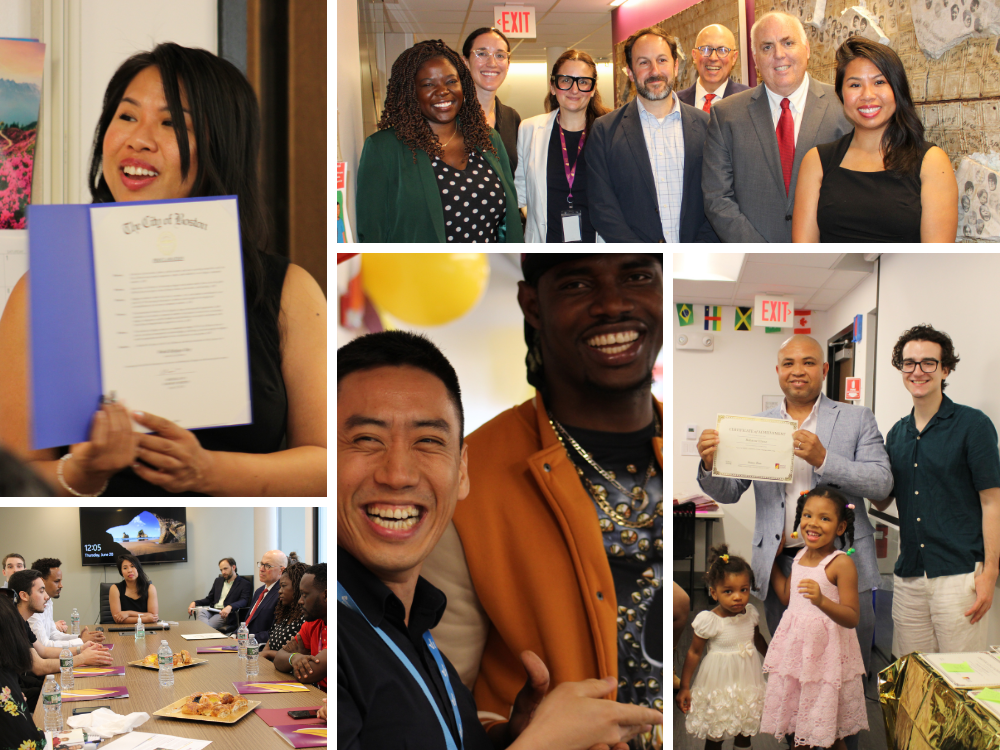
In the spring of 2024, IINE completed an inaugural partnership at Northeastern University (NU) working with students in its “Globalization and International Affairs” and “Cultural Aspects of International Business” classes. The collaboration included NU classroom visits from IINE staff who trained students in aspects of refugee resettlement. Refugees and immigrants were also invited into the classrooms to participate in valuable discussions about their experiences finding work in a new country. Students engaged in multiple aspects of fieldwork, some traveling to IINE’s Boston office to tutor or teach while others provided hands-on assistance preparing to welcome new refugee arrivals.
Digital Literacy
 One group of NU students was tasked with giving refugees and immigrants with little technology experience a key to accessing IINE classes and services, navigating their communities, and succeeding in the workplace: basic digital literacy.
Students designed and taught their own workshop to help IINE clients operate smartphones and Chromebooks to access and use needed programs and applications, including IINE’s online ESOL instruction platforms; and to write, edit, and search. Three sessions of the workshop were held for clients from Somalia, Cameroon, Haiti, Central African Republic, Guatemala, South Sudan, and Afghanistan, with interpretation provided in several languages. The project was designed and spearheaded by IINE AmeriCorps Volunteer Rosemary Barnett-Young.

“It was something I had both clients and staff express a need for,” says Rosemary, “so I was eager to get the classes up and running. In my own work with clients, I had some challenges with virtually helping explain how to join meetings online, etc. The Northeastern students were incredibly important in offering these classes in person. Clients said it was a great class, and it helped them learn many new things about computers. Many have reached out and expressed interest in follow-up computer classes.”
Huskies Supporting Families: A Northeastern Student on Welcoming New Arrivals
Two groups of Northeastern students took on the important task of preparing to welcome newly arriving refugees and making their first day in their new home a success, mirroring the work of IINE’s Resettle Together community sponsorship program. After completing initial training with IINE staff and online training with the Refugee Welcome Collective, a national organization supporting community sponsorship, each group was assigned to a family of incoming refugees from the Democratic Republic of the Congo, with a few weeks to prepare. Their main tasks were to make sure their families’ first apartment in the U.S. would be fully hospitable and stocked with groceries, greet their families at Logan International Airport, make sure they got safely to their new home, and provide them with a warm, culturally appropriate first meal.
Thomas Brulay, a second-year Northeastern student studying International Affairs and International Business was one of the students assigned to the Koufoukikas, a group of five siblings and an adult son. His group’s first task was to raise enough money for the Koufoukikas to afford their first month’s rent and security deposit.
“Our fundraiser was called “Huskies Supporting Families,” Thomas says, explaining that the Huskies is the name of Northeastern’s sports teams and a nickname for their students.
While he didn’t know much about the family he would be welcoming, Thomas’s own experience as a transplant to Boston helped him empathize with them. For example, "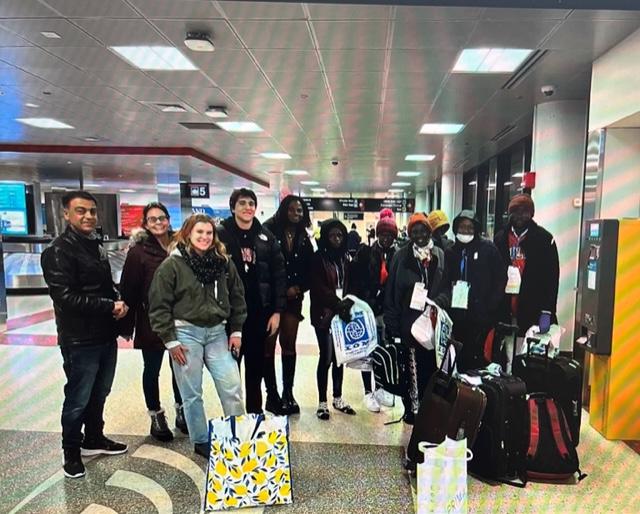 We handed them out some jackets for the Boston weather. It kind of reminded me of growing up in Miami, [where it was] always like 75-80° out, and then coming to Boston, especially in the winter, it’s like 25° outside, so I think I definitely had that in mind.”
Thomas further related to the experience of the Koufoukikas as a first-generation American. His mother was born in Brazil and his father in Mexico.
“The immigrant perspective [I have] because of my family really drove me to help these people. I think being born in the US and being able to speak English and get around—it’s great to be able to use my skills and my familiarity [to help].”
In addition to speaking English, Thomas speaks Portuguese, Spanish, and a little bit of French, which came in handy when he met the Koufoukikas at the airport.
“The family only spoke French, and I did take two years of French in high school, but I kind of forgot a lot.” He says with a smile. “I made an effort though to speak with them. They seemed confused when we met, like, ‘Who are these people?’ But I introduced myself and then they understood a little bit better.”
Thomas introduced the Koufoukikas to a driver hired by IINE. While the driver didn’t speak French, he held up his phone to show them a screen displaying the family’s name. Thomas says “their eyes lit up” when they saw it.
“It definitely made me realize how hard it can be,” he reflects. You can be approached by anyone—it’s not always someone that’s trying to help you out. Their journey was so long, They were at Dulles [Airport] for like 8 hours, being interrogated by American immigration officials, and they finally made it to Boston and were super tired—it was just great to be able to assist them, moving them into a comfortable place to sleep in Boston so they could start their new life—[it makes me] realize just how fortunate I am.”
After the driver took the Koufoukikas to a motel where they would stay while their apartment was being prepared, Thomas went back to Northeastern with his team members. They used the dormitory kitchen to prepare the family a Congolese-style chicken dish for which he had found a recipe online, and then delivered it to them—his last duty as a resettlement volunteer.
Thomas left his experience inspired and plans to volunteer more in the future. He offers this advice to other students who may be interested:
“I’d say go for it! Maybe it can be a little bit scary at first, but try to put yourself in their shoes. You know, it’s so hard for, especially refugees, who, they’re just, looking for a better life and a better future.”
University of Massachusetts Boston: Data Dictionary, Housing Handbook, and ESOL for Equality
Over at the University of Massachusetts (UMass) Boston, students in a class called, “The Complex Landscape of Refugee Resettlement: Transnational Migration and Concurrent Realities,” engaged in some other very practical projects with lasting impact.
Assessing Progress with a Data Dictionary
After learning about the need from IINE staff, one group of UMass students developed what they called a “Data Dictionary,” a survey-based assessment tool to measure the effectiveness of IINE programs in helping refugees integrate into their new communities. Informed by their academic research, the diagnostic tool included questions for clients on how they were progressing in meeting their goals of achieving language skills, accessing public benefits, integrating into their new communities, achieving self-sufficiency, and progressing toward citizenship. The final tool was translated into two additional languages before being handed off to IINE case workers who now plan to pilot it with a family of refugee clients.
A Housing-Search Handbook
UMass Boston Resettlement volunteers worked on one of the first stages of the process—and one of the most challenging: finding affordable housing that’s walkable to key resources such as public transportation, grocery stores, and community centers, in a notoriously scarce housing market. After learning about the process and pitfalls of the housing search from IINE, the group of seven students set out to directly contact landlords to make their pitch about IINE clients as tenants, check availability and interest, and then pass on leads to IINE staff. They used information gleaned from the experience to help document and streamline the housing search, creating a spreadsheet that automates key listing information and a brochure full of useful tips and step-by-step instructions.
Read IINE’s post on finding housing for refugees.
“These resources are incredible!” says Kate, who supervised the project. “These students took the initiative, pushing through the intimidation factor of having informed, sensitive conversations, and handed us tools that make our work easier, and of course, greatly improve the lives of refugees making a fresh start here.”
At the end of the project, students reflected on their learning and success. One student wrote,
“This project really made me hone my research skills and learn how to be resourceful, and also gave me the opportunity to reflect on my position where housing isn’t an issue I have but is one I can help others with.”
ESOL for Equality
UMass Boston students in an English for Speakers of Other Languages cohort had the opportunity to step into the shoes of an instructor for some eager adult learners. Naming their project “ESOL for Equality,” each UMass Student was paired with one client currently on IINE’s ESOL waiting list. With training and guidance from IINE, they each designed and implemented an individualized course of study for their students and taught it over a semester.
“These designs were really thoughtful and well executed!” says Kate. “Our ‘ESOL for Equality”’ instructors took the time to get to know their students’ goals and language levels and then helped teach the specific vocabulary they needed.”
“One instructor wanted to meet her student at a local library, so she formed a relationship with the librarian, and as part of a class, helped her student get a library card. She also helped her open a bank account. Other instructors developed videos for the clients to help them drill lessons, worked with them over Zoom and coached them on digital literacy, played word games with them, and even took them on field trips to local museums! This went beyond English instruction, facilitating some great opportunities for social connections and cultural exchange.”
Gianna Speaks, a UMass Boston Biochemistry major who served as an “ESOL for Equality” instructor and decided to continue as an IINE ESOL teacher when the project concluded, reflected, “Volunteering for ESOL was an eye-opening experience. It really allowed me to get a glimpse at the lives of refugees, and the similarities and differences in cultures and ways of life. It also gave me a peek into the struggles that come with having to adapt to a new language on top of everything else. It was very rewarding seeing how each lesson brought my client closer to their goals (getting a job/going to school).”
---
IINE is continuing to develop new forms of partnerships with higher education institutions. In April, IINE launched a pilot program at the Boston University Center for Forced Displacement. Instructors in the program are providing workshops for IINE case workers in refugee resettlement policy and practice, on the global and national levels, to broaden and contextualize their understanding of the field. The long-term goals of the initiative are to create a model that can be replicated by other universities and resettlement agencies and to create a credential for participants to help advance their careers.
With these first successes now in the books, IINE is excited to forge more partnerships with colleges and universities going forward, bringing together practitioners and researchers, and connecting the next wave of youth who have made their way to Boston to study with refugees who have come here seeking safety and a new start—all preparing for a bright future.


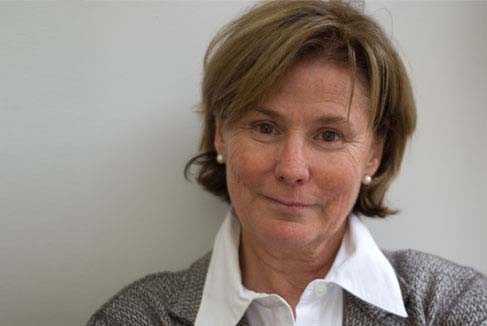 У 2005 році, Каролін Бенедикт-Дреw, який раніше служив на посаді керівника відділу політики мера Провіденса Девіда Н. Сісілліна, став Президент і головний виконавчий директор Міжнародного інституту Бостона (МІБ) - його десятий лідер. На першому курсі вона створено Міжнародний жіночий день (IWD) Обід на підтримку жінокen і дівчина біженці та іммігрантипідкреслити їхні унікальні потреби, і святкувати їхній успіхес. Протягом усього її життя на посаді, вона наглядав за різними проблемами переселення та інновацій.







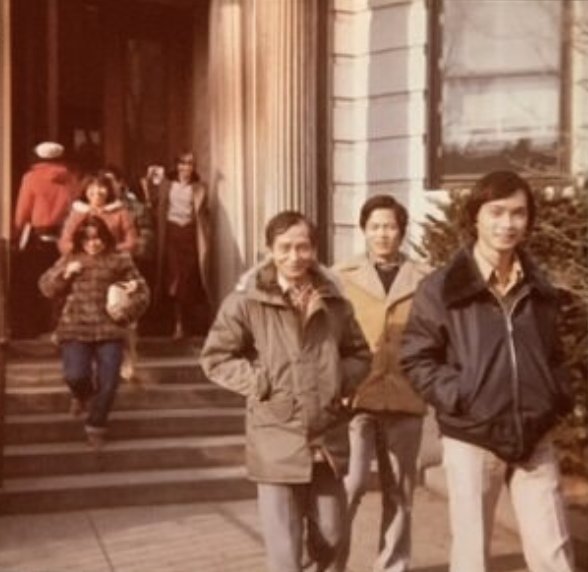
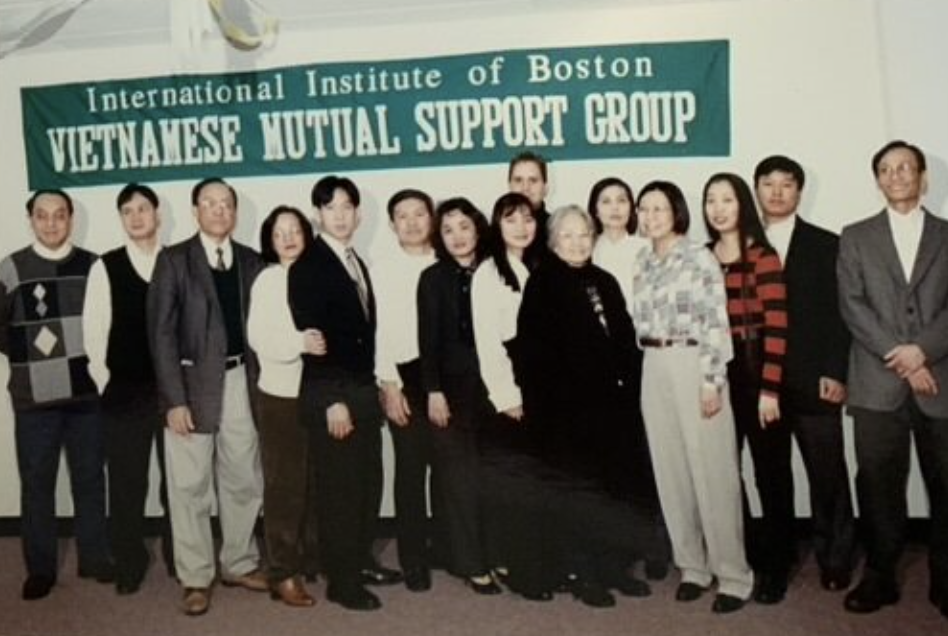
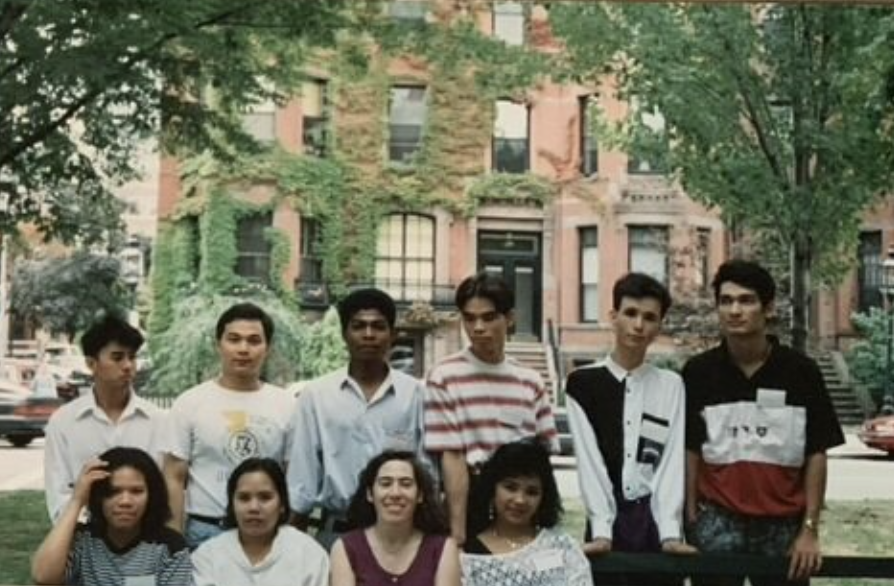



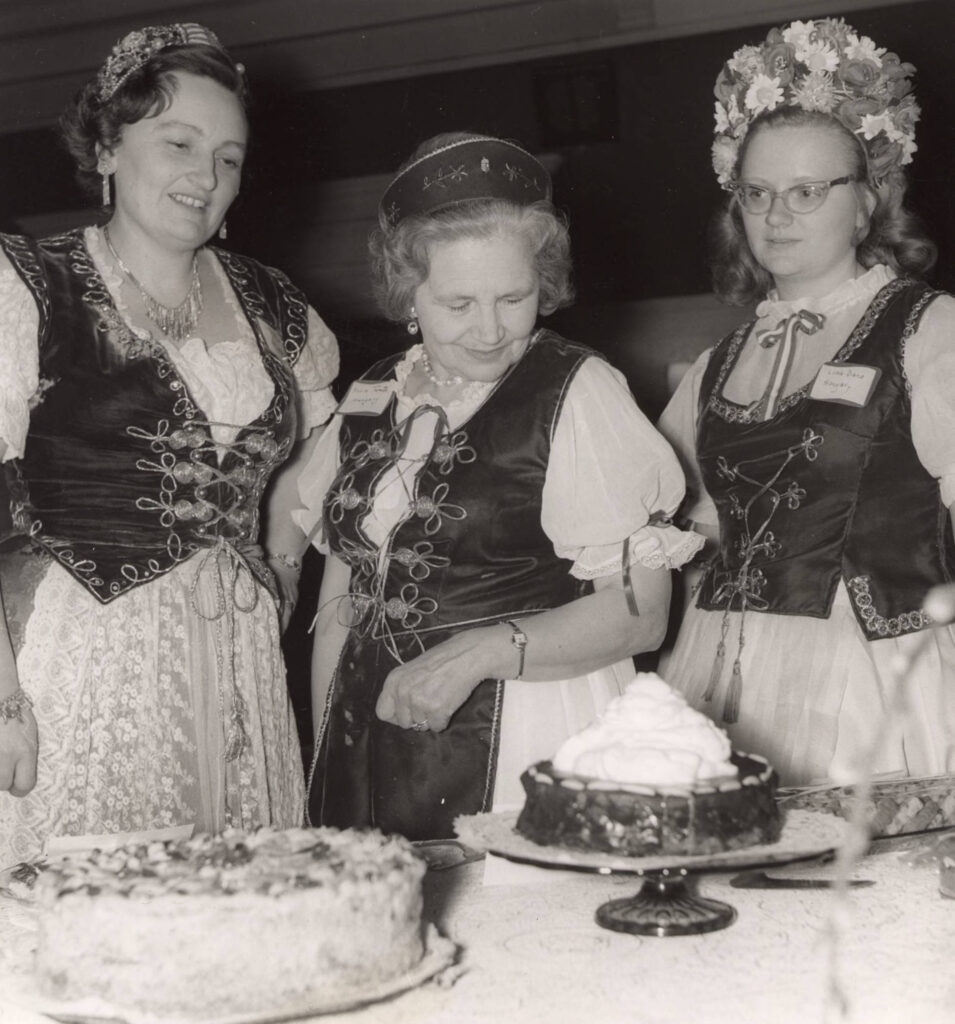 Ще в Бостоні Міжнародний інститут поспішав скоординувати свої дії з федеральним урядом, щоб прийняти якомога більше угорських біженців до закінчення терміну дії Закону про допомогу біженцям наприкінці грудня. Деяких впустили до кінця року, але, зрештою, ще більше було прийнято після того, як вперше в країні було застосовано "гуманітарне умовно-дострокове звільнення", що дозволило іммігрантам, яким загрожувала небезпека, в'їхати до США за надзвичайних обставин, але з обмеженими правами та захистом. У 1958 році Конгрес прийняв закон, який дозволив угорським умовно-достроково звільненим особам стати законними постійними мешканцями Сполучених Штатів, створивши важливий прецедент.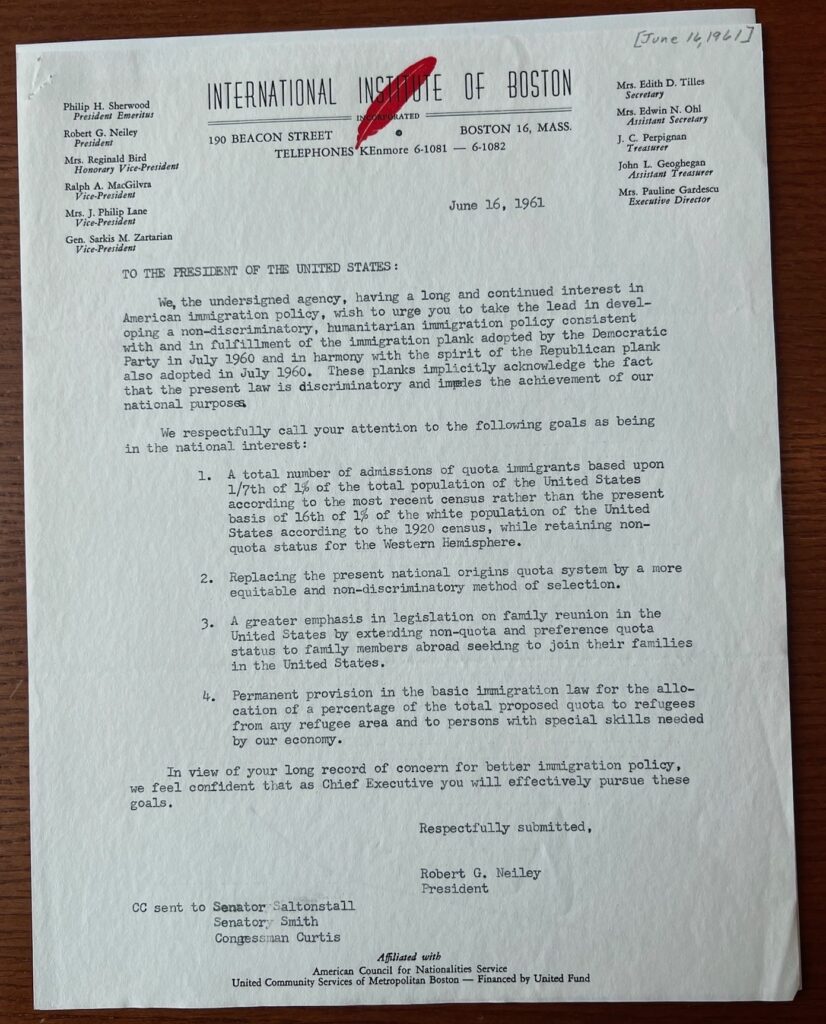
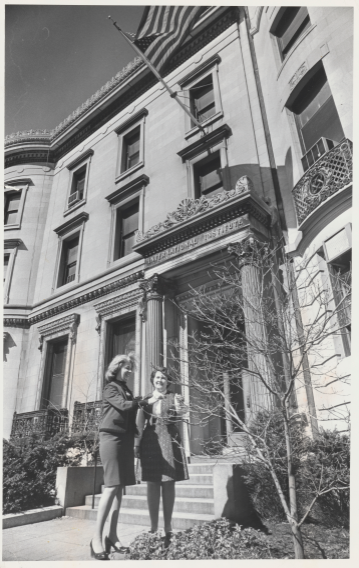 У 1964 році МІБ отримав новий будинок. Зростаюча організація придбала власну будівлю за адресою 287 Commonwealth Avenue у бостонському районі Бек-Бей і зібрала понад 100 000 доларів від Ради директорів та членів організації, щоб облаштувати приміщення для роботи з кейсами, проведення занять і культурних заходів. Співробітники переїхали туди і розпочали роботу якраз вчасно - за рік до прийняття історичного законопроекту про імміграційну реформу, який назавжди змінив би імміграційну політику і роботу IINE.
 Що ви вивчаєте в Тафтсі і що вас привабило в цьому навчанні?