metapixel
تخطي إلى المحتوى الرئيسي

بوسطن
2 شارع بويلستون، الطابق الثالث
بوسطن، ماساتشوستس 02116
617.695.9990

لويل
101 شارع جاكسون 101، شارع جاكسون، جناح 2
لويل، ماساتشوستس 01852
978.459.9031

مانشستر
470 شارع باين 470، الطابق السفلي
مانشستر، NH 03104
603.647.1500

اتصل بنا
info@iine.org info@iine.org
iine.org

للتواصل مع وسائل الإعلام
comms@iine.org

تابعنا


تبرع

المؤلف: دانييل غوتييه

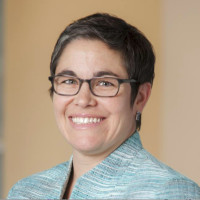
تعرّف على الصورة المصغّرة لرئيسنا التنفيذي الرئيسي

تعرّف على رئيس الموارد البشرية لدينا  

Our Chief Human Resources Officer Nina Nova-Duran reflects on IINE’s culture, how the organization has grown since she joined in 2021, and her advice for potential employees.   

Tell us about your path to the International Institute of New England.

I came to the role with over 20 years of experience in human resources and eight years of experience in operations management. I had previously been part of the executive team at Table Talk Pies, where I oversaw all three manufacturing facilities and corporate offices. In that role, I had a strong connection to the employees working on the ground floor, most of whom were immigrants. That aspect of my work was very rewarding – arranging ESOL classes, offering professional development opportunities, and strengthening career paths so these employees could stay and grow with us.  

When I learned about the role at IINE, I was excited for the opportunity to bring my experience—specifically around strategic planning, creating culture change, and growing rapidly—to an entirely new sector, and most of all, to a mission I was immediately drawn to.  

I also grew up in IINE’s backyard, basically! My parents and I immigrated to Roxbury, MA from the Dominican Republic when I was five years old. I always think about how if my parents had known about IINE—and had received the help, ESOL classes, employment support, etc. that IINE provides—their experience in the U.S. would have been so different. I’m glad to be part of an organization helping people like my parents to find a fresh start in their new country.  

How has the organization evolved since you first joined? 

When I first arrived at IINE, there were around 60 full-time and part-time staff and around 30 on-call. Two and a half years later, we have tripled in size. We have added new Programs staff to our Boston, Lowell, and Manchester offices; expanded the Unaccompanied Children’s Program by building a whole new team in New York; and ensured all of these new staff have the support they need by hiring additional roles across the Finance, Operations, HR, and Advancement departments. While growing the organization, we have also focused on diversifying our staff to reflect the client populations we serve. When I first started at IINE, the organization was welcoming hundreds of Afghan evacuees. We were able to identify several clients with strong professional backgrounds, who we were then able to hire as full-time staff. Currently, we are supporting thousands of Haitian immigrants, and have hired many to the team. They join us with a unique understanding of our mission, the immigrant process, and our client’s cultures and backgrounds. Today, 48% of our staff were born outside of the U.S. 

In addition to offering us a chance to diversify our staff, our growth has allowed us to strengthen our policies and infrastructure. I’m proud that we have been able to equip our staff with the tools and training needed to advance in their careers, so we can frequently promote from within.  

How would you describe IINE’s culture? 

Everyone is very genuine about their commitment to the mission. Our work isn’t easy, but our staff are so dedicated. They truly care about helping refugees and immigrants, and we make sure to celebrate and recognize that.  

We also know how to have fun! It’s so important that people have an opportunity to get out of their shells, express their unique personalities, and get to know each other. Our quarterly in-person events allow everyone to disconnect from work and enjoy themselves.  

Staff Photos

Those events are also an important tool for fostering a sense of community across our three sites and virtual staff. My team is always thinking about how we can build relationships and communication across the organization. Part of that is ensuring the HR team is always present and reachable. We make a point of attending staff meetings at each of our sites and regularly sharing updates on policies, events, resources, etc. It’s important that all staff feel engaged and informed.  

What do you look for in potential employees? 

I look for candidates who display what we call our Core Competencies: 

  • An ability to collaborate effectively and compassionately and consider the impact of one’s actions on others 
  • A commitment to excellence and to bringing one’s best to work every day 
  • A desire to continuously improve and the ability to embrace challenges as the fuel for learning 
  • An awareness of culture, bias, and privilege, and a desire to seek out insights and perspectives from under-represented voices 
  • An ability to communicate effectively and respectfully with everyone they encounter 
  • A genuine belief in IINE’s mission, which drives all of our work 

In addition to our core competencies, I look for candidates who are innovative, eager to bring ideas to the table, and who are excited at the prospect of growing with the organization.  

What advice would you give someone interested in joining IINE? 

This might seem obvious, but do your homework! Understand our mission and our clients, and then help me understand how your vision and passions align with our work. The cover letter, in particular, is a great opportunity to capture your experience and interests. Sometimes a resume doesn’t tell the full story, especially if you do not have direct experience for the role, so I always advise candidates to use the cover letter to sell themselves. 

Anything else you would like to share with our readers? 

I’d like to say how grateful I am to work beside such collaborative, insightful professionals – both on my team and across the organization. We are only as strong as the people we have around us, and I really value the feedback, insights, and perspectives of my colleagues. It makes IINE a special place to work!  

HR Team
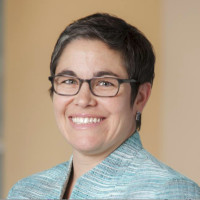
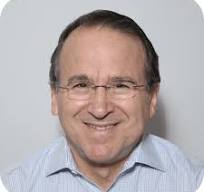
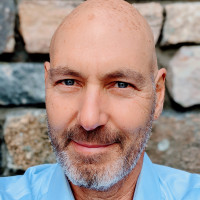
From L to R: Talent Acquisition Specialist Courtney Good, Chief Human Resources Officer Nina Nova-Duran, HR Coordinator Jayne Cormier, Senior HRIS Generalist Lisa Stewart

Interested in joining our team? Our collaborative, team-oriented environment offers opportunities to serve refugees and immigrants, while learning from other staff and departments. View career opportunities here.

قصة نازيا: التزام لاجئة أفغانية بالتعليم والأمل بلا هوادة

Nazia Blog Banner

The hardest and most important job

Growing up in Afghanistan, Nazia developed a true passion for teaching at a young age. She became an English instructor when she was in 10th grade, and for years, continued teaching for little or no money, eager to gain experience.  

“Teaching has been my dream job. In our country, people don’t have a good perspective about teaching – they think it’s a simple job, but it’s the hardest and most important job. A doctor once had a teacher. A president once had a teacher.”   

With time, Nazia became successful and well-known in her profession. While completing her university degree in education, she taught English to both children and university students, and then after graduating, accepted a role teaching adult learners online. With hard work and sacrifice, she had built a life for herself doing what she loved. 


A dark cloud 

Then, the Taliban came and took it all away. It was 2021, and Kabul had fallen in what felt like an instant.  

“[Women] lost the right to get an education and have a job. We couldn’t travel alone, we had to have a guardian. It felt like a really big, dark cloud had come over our country and it was not going to move away. It made everything dark. You felt like thunder was going to hit you; the thunder was the Taliban.” 

As a woman, it was now illegal for Nazia to teach. It took her a full year to find an opportunity to do so anywaya decision which came with real peril.

“Taliban were living in our neighborhood, so when I taught, I would close all the windows and doors. I felt afraid they would hear my voice talking in English, and I would cause danger for my family.” 

The Taliban did their best to fan the flames of her fear. 

“Two separate times, I received a WhatsApp message from an unknown number with a profile picture of the Taliban, asking me ‘Have you started teaching again?’ I deleted the message and blocked the account. It was terrifying, but I didn’t stop because there were a lot of women who needed education, they needed a light in the darkness. My class was not only for teaching English, it was to give students motivation to be brave, to never lose hope.” 

Nazia did not give up. In fact, she wanted to do more. She decided to start a social support and education group for fellow women living under the Taliban, which she named “Lifesaver Girls.” It took her many tries to find an education center brave enough to host this illegal gathering, but with perseverance, she was able to convene one meeting. She felt she had to. 

“After the Taliban took over, most of the girls got disappointed and depressed. This group motivated them. When they first came to the meeting, you could feel the hopelessness and [see] deep sorrow in their faces. We talked about some successful women who did their best in the hardest situations, and we introduced them to online ways to get an education. At the end of the session, you could see the brightness of hope in their eyes.”  

A really hard night 

Nazia had been living in Ghazni, a city about two hours from Kabul. In December of 2023, she received a call from the organization that was helping to evacuate her from Afghanistan. They told her to be in Kabul the next morning. Women were not allowed to travel alone, so she set off with her father. They waited 14 days before being evacuated to Pakistan. Then they had to walk an hour in the middle of the night to meet the driver who would take them to Pakistan and then to Qatar.  

“It was a really hard night. It was so stressful. At the Afghanistan-Pakistan border, the Taliban checked all of the stuff we had and asked ‘Where are you going? Are you going to a foreign country?’ I told them ‘No, I’m sick.’ My father was pushing me in a wheelchair so they would believe me.” 

Nazia told the Taliban that another male relative was waiting for her at the border, so that her father was able to leave her. Then she was alone. She was checked by the Taliban four separate times. When she got to Pakistan, she stayed three nights before being evacuated to a camp in Qatar. It was a difficult period.  

“It was like you are in a big jail. You are not allowed to go out of the camp. I was stressed that my case wouldn’t be accepted, and I would think about how I would live in Afghanistan. I would be arrested for leaving the country alone.”  

After 28 days, Nazia’s case was approved. She arrived in Boston in January 2024.  

Learning how to walk 

Nazia with IINE Career Navigator Emma Pond

Within one week of her arrival in Boston, Nazia enrolled in services at the International Institute of New England (IINE). Case Workers quickly helped her get her social security card, enroll in food benefits and health care, and acquire her work permit. IINE’s Education and Employment teams helped her to write a resume, begin searching for jobs, and explore opportunities to pursue a master’s degree. She was also invited to a monthly support group for fellow Afghan women to meet, socialize, share advice, and explore their new city together.  

IINE’s Afghan Women’s Group in Boston

Nazia says that the people she meets at IINE are “really kind and helpful. I’m really thankful.” She is adjusting to life in Boston and learning how to navigate new challenges with IINE’s help.  

“It has some hardships. I’m getting used to a new environment—living without my family, traveling alone—but it is an interesting experience. Nowadays, I’m like a baby trying to walk, standing and falling down, but still not losing hope. The baby is sure they will learn how to walk even though it is hard. Here in the U.S., I’m learning how to walk. IINE is helping me to learn.”  

Finding the light 

Even before she came to the U.S., Nazia had dreamed of pursuing a master’s degree and then a PhD at Harvard University. Now this dream feels closer. 

I came to Boston by chance— it’s a really beautiful coincidence. I want to get my master’s and PhD in [Teaching English for Speakers of Other Languages], and one day, become a professor. Everyone says being a Harvard student would be hard; I agree it’s hard, but it is not impossible.” 

Nazia is also a writer. She has already had some success—a short story published on the website of a university in Iowa. She’s writing more short stories and hopes to write a romance novel one day. One thing’s for sure: nothing will stop her from striving for her dreams. It’s not easy, but she knows she now has support—and freedom.  

“In our country, we couldn’t go out after 5 p.m. Here, I can. I feel safe. There is no Taliban here, no one that will restrict me from following my dreams. When I have a hard time and miss my country, I walk around, and I see beautiful smiles. I feel ‘this might be hard, but I’m in a good environment… ‘I believe that when something is hard, it makes you the real version of you. There might be moments you feel down, like nothing is going to get right, but still in that moment, we can find the light.”  

نحن فخورون باستقبال وتوطين ودعمإد اللاجئين في منطقة نيو إنجلاند لأكثر من 100 عام. اعرف المزيد عن عن عملنا في إعادة توطين اللاجئين هنا.

مدونة بينبوينت

أهمية الفوارق الدقيقة والتعاطف: تسليط الضوء على خدمات IINE اللغوية

When you need a translator in order to be understood, trust is everything.

There’s real vulnerability in relying on someone to accurately relay your meaning, tone, and intention in a language you don’t understand—and there’s security and comfort in being able to trust that your interpreter is both skilled and caring enough to get it right.

Through IINE’s Language Services, IINE staff frequently rely on interpreters of speech and translators of text with these qualities to help refugees and immigrants access services, secure housing, and apply for jobs.  

Because IINE understands how important this service is in helping newcomers to integrate, and in helping their new communities get the most from their resources and skills, we also provide low-cost language services to other nonprofits, schools, hospitals, and community partners. Services include on-site interpretation, remote (phone and video) interpretation on-demand, and document translation services for immigration documents, all in over 300 languages. 

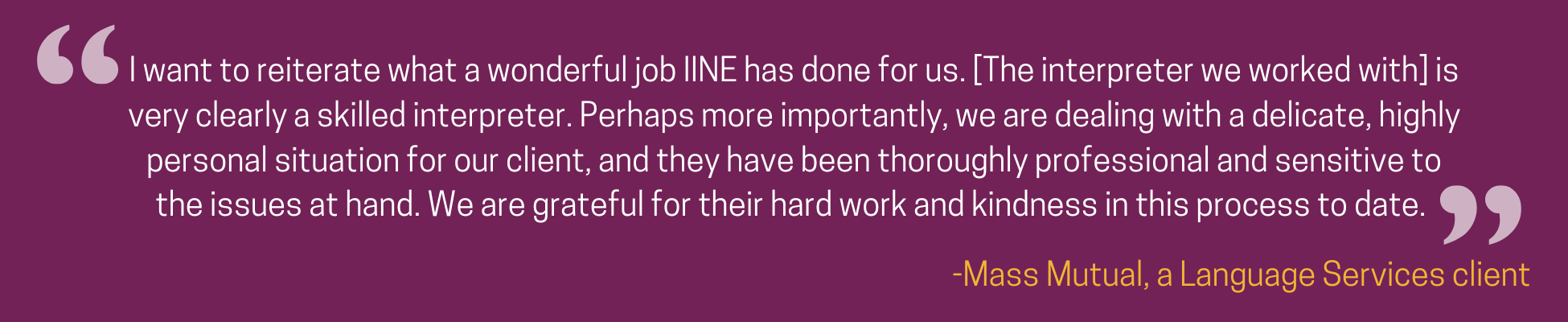
Interpreters quote

In 2023, IINE Language Services provided 3,000 hours of interpretation for more than 1,400 clients.

All revenue generated is reinvested in IINE’s programs and services for immigrants and refugees. For Tram Fultz, who manages the Language Services, this reinvestment is one of the most important reasons for clients to choose the service.

Tram Fultz

“I think that if you’re mission-minded; invested in diversity, equity, and inclusion; and interested in having your work reflect the changing demographics of our country, then you want to use organizations that represent that to the fullest amount possible.”  

Tram points out that the program supports IINE’s mission even further through its hiring practices: “We try to employ our refugee and immigrant clients to give them that leg up into the middle-to-upper reaches of our economic society.” 

One important part of working within IINE and hiring IINE clients is the deep empathy that translators bring to their work. Tram points to a recent experience working with pro bono lawyers to assist Afghan and Haitian families in applying for asylum as illustrative of this compassion.  

 “The feedback that we’ve gotten on our interpreters is that they’re very sensitive. That’s so important because just the very nature of the fact that you have to seek asylum means something really, really terrible happened.” 

It’s easy for Tram to empathize with our clients as well. Tram was born in Vietnam, and her father met her mother shortly after escaping from a reeducation camp. When Tram was very young, she and her family fled to the U.S. as refugees. She remembers very well what it was like to be a non-native speaker suddenly immersed in a foreign culture and expected to succeed. 

“I was six years old, and I didn’t know any English at all—maybe I could say ‘hello,’ but that was about it—and I went to the first grade [in Connecticut]. There were no interventions. There was nobody that even had the capacity to psychologically understand what learning a new language would be like. I remember looking around in the lunchroom for someone who looked like me and coming up with nothing. And I spoke no English. So, that whole first year of first grade, I didn’t say anything because I didn’t understand what was happening. But by the time I repeated the 1st grade the next year, I had enough mastery of the language to get the kind of grades expected of me by my family.” 

“On top of all that, my family didn’t speak English either, so I was basically the translator at, you know, seven years old.” 

These experiences especially have brought Tram to view translation services as far more than a practical matter. 

“Speaking in one’s mother tongue, with all of its intricacies, is really important. If we lived in a perfect world, it should actually be a right. We should have the right to be able to communicate in languages that we understand. That’s why in all the sci-fi, everybody has some implantable device so that they can automatically communicate, and other people can receive what they’re saying.” 

Tram believes that when clients choose IINE’s Language Services, whether they’re hospitals, municipalities, or individuals, they are making an important moral choice. They’re choosing honesty and accessibility.  

“It means that they’re trying to look at people holistically, rather than at a demographic level, and we’re proud to provide them with support.” 

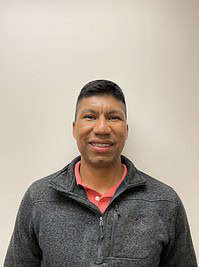
Juan, one of our interpreters, fully shares in this sense of mission.

“I cherish every single encounter [with a client],” he says. “It’s the satisfaction of knowing that someone is able to be assisted.” 

Juan, an IINE Interpreter

Juan was born in Colombia. He moved to the U.S. when he was 22 years old with his mother, who does not speak English. Like Tram, his experience as a translator began with helping his family. He says he was drawn to the job “as a way of applying what I know to help bridge communication for folks like my mother, especially in a medical setting.” 

While he translates for a wide variety of clients, including legal, educational, and corporate, Juan is particularly passionate about interpreting in a medical setting because of his own professional background. Juan was once a medical technician in the New Hampshire National Guard and now primarily works as a physician’s assistant at a medical center in NH.  

Part of what he finds gratifying about interpreting in a medical setting is that he understands the stakes, having had past experiences in which he felt that highly important information was not being translated accurately when people were in great need of help. He says, “It is a good feeling when [it’s] not just interpreting, but also making sure [people] understand.”  Juan’s empathy and dedication have led his clients to request him again and again. 

Juan emphasizes that he translates not necessarily because he needs this work—he mostly translates on his days off from his primary job—but because he finds it so fulfilling. “I truly enjoy that people feel informed,” he says.

IINE connects communities and cultures through language. Learn more about our interpretation and translation services. 

تبديد 10 خرافات شائعة عن المهاجرين واللاجئين

بقلم ألكسندرا ويبر، نائب الرئيس الأول والرئيس التنفيذي للتطوير في المعهد الدولي في نيو إنجلاند

Public conversations around immigration policy are becoming more heated, politicized, and, dangerously, filled with inaccuracies. Educating ourselves on immigration policy, the immigration process, the level of support refugees and immigrants receive, and how they pay that support back in dividends—and then sharing this information with others—can help create a more honest narrative and a warmer welcome for newcomers. Here’s a breakdown of some common misunderstandings corrected with nonpartisan facts and figures

1. Myth: It’s easy to enter and remain in the U.S. 

Reality: The legal immigration process is arduous, complicated, and backloggedand many of the rules change in response to current events and political considerations. 

  • For refugees, the process to come to the U.S. is offered to very few, entails multiple steps, including an extensive vetting process, and often takes years to achieve (see our blog post, “Explainer: The U.S. Refugee Resettlement Program” to learn more).
     
  • For many other immigrants eligible for U.S. entry, the complexity and cost of the application process is intense. Many allowed to enter are given only a temporary opportunity to stay and those hoping for longer-term protection must fight uphill battles to adjust their initial status to a more permanent status that allows them to remain in the country.
     
  • Once an individual files the application for citizenship, which cannot happen until at least five years after receiving a green card, they often have to wait years more. In 2012, the average processing time from citizenship application to approval was 4.6 months. Today, the wait has tripled in length to 15.5 months. 

2. Myth: Immigrants are more likely to be criminals.  

Reality: The opposite is true. 

  • Statistically, immigrants residing in the U.S. are less likely to be criminals. A recent study analyzing 150 years of U.S. Census data shows that immigrants have never been incarcerated at a higher rate than U.S.-born individuals. The gap has widened since 1960, and immigrants today are 60% less likely to be incarcerated than U.S.-born citizens.
     
  • Furthermore, crime rates actually decreased as immigration grew in 200 U.S. cities from 1970 to 2016.
     
  • While Fentanyl trafficking in the U.S. has been persistently blamed on immigrants, this claim is false. As recently reported by the New Hampshire Bulletin, “In 2022, U.S. Sentencing Commission data showed that Americans accounted for nearly 90 percent of convicted fentanyl drug traffickers, and 96 percent of fentanyl seizures occurred at official ports of entry, not along migration routes between checkpoints, according to U.S. Customs and Border Protection reports analyzed by the Washington Post.” 

Immigration and crime stat

3. Myth: Refugees and immigrants receive an unfair level of support from the government and are a drain on the U.S. economy. 

Reality: The support new arrivals receive is extremely limited. Additionally, most refugees and immigrants enter the U.S. workforce immediately upon becoming eligible and then go on to contribute tremendously to our economy, giving back far more than they ever received 

  • Refugees and persecuted populations receive only basic support on arrival through public programs such as food stamps. Most begin their lives in the U.S. with extremely limited resources. Public support received by these families is temporary and requires participation in the U.S. workforce. Initial support is also repaid many times over as families contribute to the economy and tax base immediately and, if allowed to stay, across a lifetime.
     
  • Newcomers strengthen our workforce, filling roles in healthcare, STEM, construction, environmental services, and more, and 22% of entrepreneurs nationwide were born outside of the U.S. According to a 2021 report from the American Immigration Council, immigrants in the U.S. have a collective spending power of $1.4 trillion and paid $525 billion in taxes each year.
     
  • In many New England states, immigrants are the key and often only strategy to combatting a shrinking workforce and community. Our local and national economies depend on immigrants. In fact, according to a recent report from the Migration Policy Institute, “Immigrants and their U.S.-born children accounted for all U.S. civilian labor force growth in the past two decades.  

4. Myth: Immigrants take jobs from other Americans.

Reality: This is a falsehood often used to pit vulnerable groups against one another and divert focus from policies that exploit and undervalue workers. It is untrue on many levels. 

  • “The Lump of Labor Fallacy” is a term economists use for the misconception that there is only a fixed number of jobs to be had in the U.S., implying that newcomers would need to take or limit opportunities from U.S.-born individuals. As a recent study from the Economic Policy Institute shows: “the idea that immigrants are making things worse for U.S.-born workers is wrong. The reality is that the labor market is absorbing immigrants at a rapid pace, while simultaneously maintaining record-low unemployment for U.S.-born workers.”
     
  • Far from stealing jobs, immigrants often take on taxing jobs that other Americans are not willing to do. As the Brookings Institution has stated: “The impact of immigrant labor on the wages of native-born workers is low… However, [immigrant] workers often work the unpleasant, back-breaking jobs that native-born workers are not willing to do.”
     
  • We currently have more job openings than qualified applicants to fill them both nationwide and in New England, including dangerous labor shortages in healthcare fields. 
     
  • The future of our labor force depends on immigration. As the U.S. birthrate steadily declines, immigrants are vital to growing the labor force. According to a recent report from the Migration Policy Institute, “With U.S. birth rates falling, the immigrant-origin population has been a vital source of growth for the U.S. population in the past two decades. Without immigrants and their U.S.-born children, the prime working-age population (ages 25–54) would have shrunk by more than 8 million people and the population of children and young adults under age 24 would have shrunk by more than 5 million people between 2000 and 2023.”  

5. Myth: Today’s immigrants don’t want to learn English.    

Reality: Most immigrants are extremely eager to learn English in order to navigate their communities, advocate for themselves and their families, and enter and succeed in the workforce as quickly as possible. Here in New England, every language instruction provider, including IINE, has long waiting lists for our free ESOL classes. Due to budget cuts, providers currently fill less than 10% of demand for these classes. 

6. Myth: U.S. asylum policies are causing a crisis. If the U.S. ended or restricted peoples’ rights to enter the U.S. seeking a safe haven from persecution and violence, we wouldn’t have unmanageable immigration surges. 

Reality: People seeking freedom from persecution and violence will do whatever they can to reach safety. Attempts to restrict their ability to apply for legal protection, such as Title 42 and “Remain in Mexico, have not stopped or slowed attempts; in fact, attempts have grown exponentially during the implementation of these policies, which have done nothing to address the root causes of displacement. Restrictions merely backlog the legal process by millions of cases and remove protections for an extremely vulnerable population, exposing them to further persecution and violence.  

7. Myth: Supposed asylum-seekers are really just coming here for jobs.

Reality: When people attempt to claim asylum, they have to prove that they face persecution or have a credible fear of persecution in their home countries that prevents them from returning.  

  • Most are fleeing repressive regimes and destabilization that threaten their lives. They make impossibly dangerous journeys to come to the U.S., jeopardizing the safety of their families and themselves—a risk they would never take if there was a better choice. Often arriving with few financial resources and immense language and cultural barriers, they begin their lives in the U.S. facing tremendous challenges.
     
  • This myth persists in large part because our current immigration legal system is so under-resourced that pending asylum cases stretch into the millions, and once started, can take as long as five years to complete.
     
  • Asylum is far from guaranteed and the uncertainty surrounding the process can be frightening and destabilizing. This is not a situation one would seek for any reason other than dire necessity.  

8. Myth: Immigrants are being imported by the Democratic Party to sway election results.

Reality: This harmful conspiracy theory has no basis in fact or logic.  

  • It takes many years for immigrants to gain eligibility to vote, and any claims that immigrants have voted who were not eligible to do so have been proven false by voting records.
     
  • Immigrants are not a homogeneous group, and the idea that future immigration will necessarily favor the Democratic Party falsely assumes that most immigrants vote the same way, or even that most immigrants from the same regions vote the same way, and that their political loyalties are unchangeable. Various claims that immigration has significantly favored the Democratic Party in elections have also been disproven.
     
  • In many cases, this conspiracy theory is predicated on a false assumption that immigrants simply vote based on immigration policy. Like most American voters, immigrants vote based on a range of issues that affect their quality of life and align with their diverse values.  

Any claims that immigrants have voted who were not eligible to do so have been proven false

9. Myth: Refugees and immigrants bring culture, ideology, or ideas that are harmful to the U.S

Reality: Immigrants most often come to the U.S. because of their affinity for its economic and governing principles, not in spite of them.  

10. Myth: The U.S. prioritizes services for refugees and immigrants more than for its own military veterans. 

Reality: It is counterproductive and illogical to artificially pit these priorities against one another, but if a comparison is called for, the investment is not even close.  

  • The U.S. allocated $303.8 billion to the Veterans Administration in 2023, compared to $1.7 billion to the Office of Refugee Resettlement and $913.6 million for the entire U.S. Citizenship and Immigration Services department.  

Another variant of this myth is that U.S. values dictate that it should not do anything to help refugees and asylum seekers until it has helped all underserved U.S. Veterans. 

  • This ignores the important facts that many veterans are themselves former immigrants and that immigrants have always been important contributors to U.S. military efforts.
     
  •  It is also counter to one of the key values our military fights to defend—that the U.S. is a defender of freedom and democracy and safe haven from repression and anti-democratic forces.  

- - -

Welcoming refugees and immigrants strengthens U.S. communities, our cultural diversity, our economy, our integrity as a defender of freedom, our global standing, and our unique identity as a pluralistic nation. Dispelling myths is an important way to make their pathways easier.  

Thank you for your interest in supporting refugees and immigrants in our community. Learn more about these issues by subscribing to our newsletter and following us on social media 

المعهد الدولي في نيو إنجلاند يتلقى هدية خيرية تاريخية من مؤسسة بانسل الخيرية

Bancel Philanthropies’ pledge of $6,000,000 marks the largest single philanthropic gift in IINE history 

BOSTON April 25, 2024 – The International Institute of New England (IINE) has announced it has received the largest single philanthropic gift in organizational history from Bancel Philanthropies. The gift of $6,000,000 — $1,000,000 per year over six years — will be used to assist IINE in providing life-changing support services to refugees and immigrants rebuilding their lives in the New England region.  

This historic gift comes at a time when the Commonwealth of Massachusetts has been working diligently to integrate a growing number of immigrant families. For decades, IINE has implemented and honed a proven community-driven integration model, bringing both the operational and economic advantages of immigrant integration to the Commonwealth. With this additional funding from Bancel Philanthropies, IINE’s services, such as legal assistance, housing support, and case management services, will allow the organization to further advocate for permanent housing solutions, expedited work authorizations, and expanded support systems and services to help families achieve stability. 

“This gift is an incredible show of confidence in the work we do every day to meet the needs of the refugees and immigrants in our care and in the enduring importance of our mission,” said Jeff Thielman, president and CEO of the International Institute of New England. “Bancel Philanthropies shares our belief in advocating for the human rights, protection, and support of refugees and immigrants. With these funds, IINE will be able to further expand its support services and programs to help the growing number of new arrivals who urgently need support from our whole community to build a life here.”

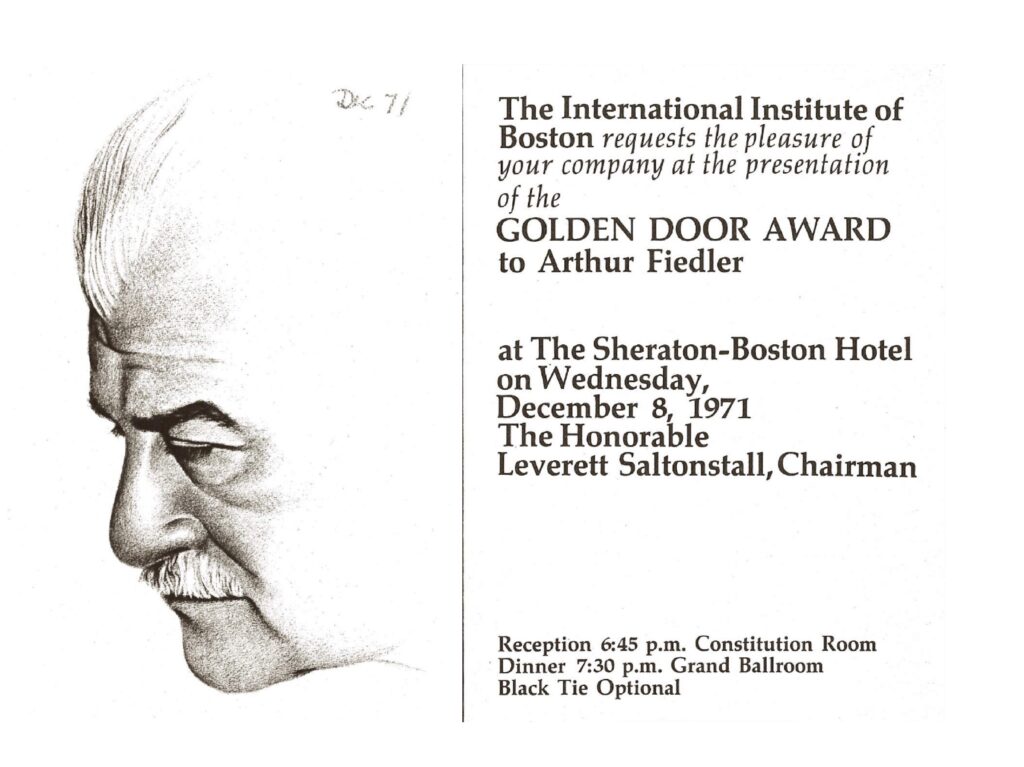
Bancel Philanthropies is the family philanthropy of Brenda and Stéphane Bancel and invests in people and programs with the potential to transform lives, advance justice, and heal communities. Stéphane Bancel, an immigrant from France and the CEO of Moderna Therapeutics, was honored as IINE’s Golden Door Award recipient in 2022, a prestigious award given annually to a leader born outside the United States who has made outstanding contributions to American society. 

“Stéphane and I are inspired by organizations like the International Institute of New England that are helping those in need and enriching our society as a result,” Brenda Bancel said. “We’re honored to offer our support, which will allow IINE to continue making a real difference for refugees and immigrants in New England. Having witnessed firsthand IINE’s ability to unite the community in service of their clients, we have complete confidence that our contribution will allow them to advocate for our new community members’ rights, safety, and success even more effectively. “

As one of the longest-established and most trusted social service organizations in the region, IINE serves thousands of individuals and families annually. This gift from Bancel Philanthropies will allow IINE to increase its services and offerings to serve more than 20,000 immigrants in 2024, which is critical in responding to the large influx of Haitian and Central and South American families arriving homeless in Massachusetts. 

نبذة عن المعهد الدولي لنيو إنجلاند

The International Institute of New England (IINE) creates opportunities for refugees and immigrants to succeed through resettlement, education, career advancement, and pathways to citizenship. With locations in Boston and Lowell, Massachusetts, and Manchester, New Hampshire, IINE serves more than 10,000 individuals annually, including people displaced by political instability, violence, and climate crises, child and adult survivors of human trafficking, and unaccompanied children joining family members in New England. IINE offers a comprehensive range of programs and services to help these newcomers feel welcome, achieve stability and security, access resources in their new communities, advance their education and employment goals, and integrate into their communities. IINE’s expertise builds on more than a century of service, and with continued partnership from community groups and support from philanthropists throughout New England, IINE will continue this service for the next 100 years and beyond. 

ABOUT BANCEL PHILANTHROPIES 

Bancel Philanthropies is the family philanthropy of Brenda and Stéphane Bancel, and invests in people and programs with the potential to transform lives, advance justice and heal communities. Our goal is to fully exert our belief in the goodness of humanity through building relationships with community leaders. We fund projects that speak to the fundamental emotion that nurtures us through hardship and sustains the human heart: love. Our funding priorities are creating equitable access to education, increasing food security, reducing health inequities, bolstering interfaith initiatives, reducing racial inequities, supporting trauma survivors and vulnerable communities, improving youth mental health and social isolation, and stewarding sustainable conservation and food systems. To learn more, visit bancelphilanthropies.org. 

نبذة مختصرة عن مجلس الإدارة

سؤال وجواب مع عضو مجلس الإدارة ليبي ماي

A member of the International Institute of New England’s Board of Directors since 2021, Libby May is a communications executive specializing in K-12 education and higher education issues. She currently serves as the Chief External Affairs and Communications Officer for Southern New Hampshire University, where her work includes internal and external communications, media relations, events, alumni engagement, community relations, and government affairs. Libby supports IINE’s continued growth through her deep commitment to strengthening the Greater Manchester community and ensuring more equitable opportunities for all.  

We spoke with Libby to learn more about her passion for welcoming refugees and immigrants, how she strives to be an effective board member, and what excites her most about IINE’s future.  

هل يمكنك مشاركة القليل عن نفسك؟

I grew up in Washington, DC and spent most of my career there, working with nonprofit and advocacy organizations in the field of communications. So, I’m not a New England native, but I was drawn here for my current role—as the Chief External Affairs and Communications Officer for Southern New Hampshire University—which I have held for the past nine years.  

I’m really proud and feel very lucky to work with nonprofits. My first job out of college was at a PR firm, and I didn’t love it. I remember someone telling me around that time, “Think about what gets you out of bed in the morning and follow that instinct.” It was the best professional advice I have ever received. For me, the answer was clear: working with nonprofits to tell their stories and bring more good into the world. There’s nothing better than working beside passionate individuals to further a mission.  

Another big part of my background is that I am a mom to two young kids. Raising them has fueled my work – in education and the nonprofit space, as a whole. I want to help build diverse, welcoming communities for them to grow up in.  

أخبرنا عن yرحلتنا إلى المعهد الدولي في نيو إنجلاند.

In 2017, Southern New Hampshire University opened the Center for New Americans to serve the needs of immigrants in Greater Manchester. We wanted to acknowledge that there were many other groups in the area supporting this population, while identifying opportunities for us to fill in any gaps. We began to partner with other organizations to provide language, education, and wellness support – this was my first introduction to the International Institute of New England.  

From the start, I was so impressed by the organization’s commitment to providing wraparound programming. When an opportunity came around to join the Board, I was excited to become even more connected to the community.  

ما هي في رأيك أهم مساهمات عضو مجلس الإدارة؟

I think one of the most important things a board member can do is lean in. Read the materials, understand the team’s work, ask great questions, be there and be involved.  

I think particularly with nonprofits, which don’t tend to have large staffs or budgets, board members can really make a difference. In a way, I use my expertise  to be an unpaid consultant. So whether that means helping brainstorm A/B tests we can run on email campaigns or weighing in on social media vendors, I try to draw on my professional expertise and act as a voice of support.  

As a board member, I always try to listen to the team and voice that their work matters – it’s powerful for people.  

Looking forward, what excites you most about IINE’s future? 

I’m so proud of how IINE is always willing to pivot to meet the needs of the populations they serve. I loved watching IINE create programming for Afghan women—how they recognized the women’s unique needs by asking the right questions and brought together people and resources so organically. The staff at IINE are genuinely curious. They ask, “What can and should we be doing differently?” Seeing this adaptability makes me hopeful about the organization’s future.   

Of course, I’m especially excited about the work in New Hampshire specifically. As I shared, I’m not from New Hampshire, but I have come to really respect the grit of the people here. The NH nonprofit community, in particular, is made up of incredible, hard-working people who are doing collaborative, boots-on-the-ground work to support new arrivals. I walk into a building every day where I’m reminded that this state was built on the backs of immigrants. For folks in New Hampshire, no matter how many generations removed they may be from when their families first came here, they remember those journeys, and they recognize the determination and strength it takes to come here, put down roots, and build a life. I think New Hampshire folks see themselves in immigrants – we all share the desire to work hard to support ourselves and our families.  

ما الذي يلهمك عملك الخيري؟

My parents always instilled in me that as members of a community, it’s our duty to give back. You don’t walk through a door without holding it open for the person behind you. You never know when you will need someone else to hold the door for you.  

It’s these values that have fueled my work with nonprofits and my philanthropy overall. It’s what I aim to instill in my young kids as well. They’ll tell you, Mom always says you can be anything in the world, just have a kind heart. We all have a responsibility to give back to the world that we live in.  

يضم مجلس إدارة IINE قادة الشركات والمجتمع من جميع أنحاء نيو إنجلاند. اطلع على أعضائنا وفريق القيادة هنا.

1935-1944: "لا تدينوا - تفهموا"

"100 عام من الترحيب: سلسلة "إحياء الذكرى المئوية لمئوية بوسطن":
القسط رقم 3

مرحبًا بكم في الجزء الثالث من سلسلتنا "100 عام من الترحيب: إحياءً للذكرى المئوية لتأسيس المعهد الدولي لتكنولوجيا المعلومات والاتصالات في بوسطن." Tكان الجزء السابق السابقة, "1924-1934: تعزيز المجتمع," وصفإد كيف أن معهد بوسطن الدولي الذي تم تشكيله حديثًا (IIB) مساحة للاحتفال بالمجتمعات المهاجرة في المدينة ودعمها خلال فترة الهجرة المقيدة والمصاعب الاقتصادية.

في منتصف الثلاثينيات إلى منتصف الأربعينيات من القرن العشرين، خاض المعهد الدولي في بوسطن غمار الكساد الكبير والحرب العالمية الثانية - بحر هائج من الضغوط الاقتصادية والخوف من الأعداء الحقيقيين والمتخيلين على حد سواء، ووجهات النظر المتنافسة حول الولاء الوطني.

خلال هذه الفترة، وجد المعهد خلال هذه الفترة طرقًا لمساعدة الجنود الأمريكيين في بوسطن وحلفاء الولايات المتحدة في الخارج؛ واللاجئين اليهود الفارين من النازيين؛ والمهاجرين من دول المحور في اليابان وإيطاليا وألمانيا، بينما كان يتصدى أيضًا لقانون الاستبعاد الصيني التمييزي وخدمة المجتمع الصيني في بوسطن.

بدأ هذا التوازن الرائع بإعلان الاستقلال.

أكثر عالمية و"أمريكية حقيقية"

أول حفلة راقصة دولية أقامها المعهد في فندق ستاتلر عام 1938. صورة التقطها ريتشارد ميريل، بإذن من مكتبة بوسطن العامة والكومنولث الرقمي.

في بداية الثلاثينيات من القرن العشرين، نقل المعهد الدولي في بوسطن مكاتبه من جمعية الشابات المسيحيات في بوسطن التي تأسس فيها إلى مكاتبه الخاصة في شارع بيكون، ووسّع تركيزه الأولي من خدمة النساء والفتيات المهاجرات إلى خدمة جميع المهاجرين، مع استمرار "العاملين في مجال الجنسية" من مجتمعات المهاجرين في بوسطن في العمل مباشرة مع العملاء.

في عام 1935، نشرة المعهد الدولي للمنارة الدولية المنارة الدولية، أبلغت عضويتها أنها "حريصة على أن تكون "دولية" أكثر من أي وقت مضى وفي الوقت نفسه أمريكية حقيقية أكثر من أي وقت مضى."

أولاً، تخلت بالكامل عن ارتباطها بجمعية الشابات المسيحيات في بوسطن (YWCA). ستكون الآن "منظمة تمثل رجالاً ونساءً من مختلف الأعراق والأمم والعقائد"، ويحكمها مجلس إدارة يضم أعضاء من مجتمع المهاجرين في المدينة. ومن شأن هذه الخطوة أن تفصل الجمعية عن أي انتماء ديني واحد من أجل خدمة المهاجرين من جميع الأديان على أفضل وجه. كما أن منارة "ظهور قيادات مدنية أمريكية جديدة"، من مجتمعات المهاجرين في بوسطن، سيمكن المعهد من الترحيب ب "الشباب والشابات المتعلمين والمبادرين" بصفتهم "أعضاء وقادة وكذلك مشاركين في الأنشطة."

ثانياً، توسيع صلته بالشركاء المجتمعيين، انضم المعهد الدولي المستقل حديثاً إلى مجلس بوسطن للوكالات الاجتماعية في بوسطن، وتعزيزاً لالتزامه بالحركة الوطنية التي انبثق منها، انضم إلى المعهد الوطني لرعاية المهاجرين، الذي أصبح يُسمى فيما بعد الاتحاد الأمريكي للمعاهد الدولية.

ثالثًا، كان هناك بعض عمليات إعادة البناء التنظيمي التي يجب القيام بها. فخلال ثلاثينيات القرن العشرين، أدت ويلات الكساد الكبير إلى تخفيضات كبيرة، بما في ذلك تخفيض عدد الموظفين. وللتعافي، أطلقت الأمينة التنفيذية المؤسسة للمعهد جورجيا إيلي أول حفل راقص للمعهد الدولي في بوسطن في فندق ستاتلر الفخم. وقد ساعد هذا الحفل الاحتفالي لجمع التبرعات على حشد المؤيدين لقضيته من خلال الاحتفال بمساهمات مجتمع المهاجرين في بوسطن. عرض الحدث الأزياء والمأكولات والرقص العالمي.

استمرارًا لالتزامها بالتعددية الثقافية، أصبحت ماريون بلاكويل في عام 1937 السكرتيرة التنفيذية الثانية للمعهد الدولي في عام 1937. متحدثةً باسم حركة المعهد الدولي، وكتبت في رسالة إلى محرر مجلة هارينك، الصحيفة الأرمنية في بوسطن، "أعتقد أنه من الكارثي قطع تقاليد وروابط البلد القديمة، ولا أؤمن بفكرة بوتقة الانصهار التي من شأنها أن تجعل جميع الناس في أمريكا من نوع واحد". عزز المعهد، المستقل والمهاجر، قيمة تنوع أولئك الذين رحب بهم وخدمهم.

لا تدين-افهم!

في أواخر الثلاثينيات وأوائل الأربعينيات من القرن العشرين، وتحت قيادة ماريون بلاكويل، واصل المعهد الدولي في بوسطن معارضته الشديدة للتمييز ضد الأجانب من خلال الدعوة. وقد نجح المعهد في الضغط ضد التشريعات الفيدرالية المقترحة القاسية واللاإنسانية المتعلقة بالهجرة والتي كانت ستعمل على ترحيل المهاجرين الذين يتلقون الإغاثة الحكومية مستغلة المخاوف الاقتصادية في فترة الكساد، وإنشاء معسكرات اعتقال لأولئك الذين لا يمكن ترحيلهم.

بينما كانت الحرب العالمية الثانية تؤجج مشاعر عدم الثقة في المهاجرين - وتحديداً القادمين من دول المحور ألمانيا وإيطاليا واليابان - سارع المعهد الدولي في بوسطن إلى الدفاع عنهم. في مذكرة "من مكتب المدير التنفيذي" في مجلة المنارة الدولية النشرة الإخبارية الدولية، كتبت ماريون بلاكويل: "لا تدينوا - بل افهموا! هذه هي الكلمة الرئيسية لفلسفة المعهد الدولي... الحرب تستلزم بعض اللوائح ولكنها لا تتطلب منا كأفراد أن نفقد الإحساس بالتناسب. [لقد تبنينا دائمًا قضية الجماعات الأقل فهمًا في الثقافات الأجنبية".

عندما لم يتمكن النشطاء في نهاية المطاف من منع الحكومة الأمريكية من إنشاء معسكرات الاعتقال في زمن الحرب، ركز المعهد الدولي في بوسطن جهوده على دعم إعادة إدماج أولئك الذين تم اعتقالهم. في أوائل الأربعينيات من القرن العشرين، ساعد المعهد الدولي في بوسطن في تشكيل لجنة ضيافة نيسي لمساعدة المواطنين اليابانيين والأمريكيين اليابانيين الذين تم إطلاق سراحهم من المعسكرات. استضاف المعهد الدولي اللجنة، التي ساعدت ما يقرب من 600 شخص تم إجلاؤهم من المعسكرات في العثور على سكن طارئ وخدمات حيوية أخرى في بوسطن. كما عملت اللجنة على ربط المحتجزين الذين تم نقلهم، ومعظمهم من الطلاب، بعائلات اليابانيين من الجيل الأول والثاني من اليابانيين في بوسطن.

جبهات دعم متعددة في زمن الحرب

ومع دخول الولايات المتحدة الحرب ضد القوات الفاشية في الخارج، ازدحمت بوسطن بجهود التعبئة. أصبحت ساحة البحرية في بوسطن في تشارلزتاون الموقع المخصص لإنتاج السفن المدمرة ومركزاً لإصلاح السفن البحرية بجميع أنواعها. وأرسلت قاعدة عسكرية في جنوب بوسطن سفن الإمداد إلى القوات في جميع أنحاء أوروبا. واستقبلت قاعدة فورت ديفينز القريبة المجندين من جميع أنحاء نيو إنجلاند واستخدمت كمركز لتدريب جنود الجيش المقاتلين والطهاة والقساوسة والممرضات.

وجد معهد بوسطن الدولي في بوسطن كل السبل المتاحة لمساعدة المهاجرين واللاجئين في بوسطن أثناء الحرب. كان أحد مجالات التركيز هو دعم الجيل الثاني من المهاجرين الذين يخدمون في القوات المسلحة الذين كانوا متمركزين في بوسطن أثناء التدريب الأساسي، أو أثناء انتظار الانتشار، أو أثناء الإجازة. وبناءً على نجاحه في الربط بين الناس من خلال التجمعات الاجتماعية والفعاليات الفنية، عمل المعهد مع لجنة الترفيه للجنود والبحارة التي شكلها مسؤولو المدينة والولاية لاستضافة احتفالات ترحيبية ورقصات لأفراد القوات المسلحة المحليين وربطهم بعائلات المهاجرين المحليين من نفس الثقافات الذين دعوهم إلى منازلهم لتناول العشاء في الأعياد. ساعد مكتب الهجرة الدولي في جمع التبرعات للجنة تدعى "الدفاع عن الحلفاء" التي نظمت مجموعات محلية لإرسال المساعدات إلى الدول التي تنضم إلى الولايات المتحدة في معركتها. وأصبحت خدمات الدعم القانوني للهجرة التي يقدمها المعهد الدولي للهجرة تركز على ضمان منح أي شخص لم يولد في الولايات المتحدة وخدم في زيها الرسمي في الخارج حق دخول الولايات المتحدة والحصول على الجنسية الكاملة في بوسطن.

وفي هذه الأثناء، عندما بدأت الفظائع التي ارتكبها النازيون في خلق أزمة لاجئين لم تكن الولايات المتحدة قد استوعبتها، اشترك المعهد الدولي للتعليم الدولي مع جمعية محلية للمساعدة المتبادلة ترعى أعدادًا صغيرة من اللاجئين اليهود لإعادة توطينهم في بوسطن. وتبنّى المعهد هذه القضية، وقام بتزويد الوافدين الجدد بتعليم اللغة الإنجليزية لمساعدتهم على الاندماج.

واليوم، يقع مكتب IINE في بوسطن على حدود الحي الصيني في بوسطن

انفتح طريق أخير لدعم المهاجرين عندما شكلت الولايات المتحدة تحالفًا مع الصين. وضغط المعهد الدولي بقوة لإلغاء قانون الاستبعاد الصيني الوطني الذي أغلق الباب أمام المهاجرين الصينيين لعقود. وبمجرد إلغاء هذا القانون بنجاح في عام 1942، قام المعهد الدولي بتعيين أول "سكرتير للجنسية الصينية"، وهو مهاجر صيني سيقود جهود المعهد الدولي لخدمة الجالية الصينية في المدينة، بما في ذلك لم شمل العائلات التي فرّقها نظام الحصص الذي حل محل قانون الإقصاء.

واليوم، توجد مكاتب بوسطن التابعة للمعهد الدولي لنيو إنجلاند في مركز التجارة الصيني على حدود حي بوسطن الصيني. وداخل هذه المكاتب، يواصل المعهد الدولي توظيف موظفين متنوعين يمثلون الأشخاص الذين يخدمهم المعهد الدولي لنيو إنجلاند، ويعمل مع الشركاء المحليين والوطنيين على حد سواء لإيجاد كل السبل المتاحة للترحيب بالقادمين الجدد الذين يحتاجون إلى دعمنا والذين يجددون مجتمعات بوسطن.

خلال عامنا المئوي، نحتفل بمرور 100 عام من الدعم الذي غيّر حياة اللاجئين والمهاجرين في بوسطن الكبرى ونستعد للقرن الثاني من خدمتنا. اعرف المزيد هنا: الذكرى المئوية لـ IINE بوسطن.

الصورة المصغرة لمدونة صاحب العمل

أرباب العمل المحليون يقولون إن توظيف اللاجئين والمهاجرين هو مكسب للجميع

عندما يصل اللاجئون والمهاجرون إلى نيو إنجلاند يكونون متحمسين للانضمام إلى القوى العاملة والنجاح والتقدم في حياتهم المهنية والمساهمة في مجتمعاتهم الجديدة. خلال مرحلة انتقالية مليئة بعدم اليقين، فإن الحصول على وظيفة في الولايات المتحدة هو خطوتهم الرئيسية الأولى نحو الأمن المالي والسعي لتحقيق أحلامهم.

منذ تأسيس المعهد الدولي منذ أكثر من 100 عام مضت، قدم المعهد الدولي الدعم لهؤلاء الوافدين الجدد في تطوير المهارات والخبرات اللازمة لدخول سوق العمل بنجاح. يساعدفريق التوظيف في معهد IINE عملاءه على التأقلم مع ثقافة مكان العمل في الولايات المتحدة، وتحديد الأهداف قصيرة وطويلة الأجل، والعثور على الوظائف والتقدم إليها. في عام 2023، من خلال العمل مع شبكة راسخة ومتنامية من وكالات التوظيف المحلية وأرباب العمل، أعدت IINE 1881 عميلاً من اللاجئين والمهاجرين لدخول سوق العمل ووظفت 469 عميلاً في وظائف بأجور بداية قوية ومزايا ومسارات واضحة للتقدم.

يصف أرباب العمل المحليون توظيف اللاجئين والمهاجرين بأنه مكسب للطرفين؛ فهم يعلمون أنهم يحصلون على موظفين يتمتعون بأخلاقيات عمل رائعة سيعززون ثقافة شركاتهم، ويفتخرون بمساعدة الأشخاص الذين تغلبوا على تحديات مؤلمة من أجل فرصة بداية جديدة.

تعرّف على بعض الشركاء الاستثنائيين من أصحاب العمل الذين وظفوا عملاء IINE - وحققوا نتائج هائلة...

نحنستاف، وهي وكالة توظيف وطنية لها فرع في لويل، ماساتشوستس، شراكة مع IINE لمدة 10 سنوات توظيف أكثر من 3,000 لاجئ ومهاجر في وظائف صناعية للمبتدئين.

يوسف وكيليتواصل يوسف عبدي، وهو مدير خدمات التوظيف في شركة IINE منذ فترة طويلة وهو نفسه لاجئ سابق من الصومال، مع كيلي دويل، مدير منطقة WeStaff، لأول مرة في عام 2014. ولم يستغرق الأمر وقتاً طويلاً حتى فهما كيف يمكنهما مساعدة عملاء بعضهما البعض. وسرعان ما كانا يلتقيان بشكل متكرر، ويستعرضان مهارات وخبرات اللاجئين والمهاجرين الذين كان يوسف يعمل على توظيفهم، ويطابقانهم مع فرص العمل المتاحة، ويساعدانهم في ملء أوراق التوظيف.

يقول كيلي: "كان يحضر من 10 إلى 15 شخصًا في وقت واحد". "في البداية، كنا نقضي ساعات معًا. وسرعان ما وصل الأمر إلى مرحلة كان يوسف يثق بي ويعرف أنني سأعتني بأشخاصه جيدًا، فكان يمرّ بي ويلقي عليّ التحية سريعًا ويعانقني ثم يذهب للقيام ببعض الأعمال الأخرى لبضع ساعات ثم يعود. وانتهى بي الأمر بتوظيف الكثير من الناس من خلال مساعدة يوسف!"

لا يستطيع كيلي أن يقول ما يكفي عن مدى نجاح هذه المجموعة من الموظفين على مر السنين, "لقد أصبحوا في نهاية المطاف أفضل موظفينا. إن أخلاقيات عملهم لا تصدق - ونحن نعلم أنهم يتحلون بالتواضع، لأنهم يأتون بخلفيات تعليمية ومهنية مثيرة للاهتمام، وقد لا يكون ذلك ما نقوم به على الإطلاق، لكنهم يعملون في تصنيعنا أو مستودعاتنا لأن هذا ما ما نقوم به ما نقوم به، وينتهي بهم الأمر بأن يكونوا أفضل الموظفين هناك. والشيء الجميل هو أننا نقطة انطلاق لهم لتنمية مهاراتهم اللغوية، وكسب بعض المال، وتأسيس أنفسهم، والحصول على تراخيص، وبدء حياة هنا."

اقتباس كيلي

وتقول إن بإمكانها التحدث طوال اليوم عن الأشخاص الرائعين الذين قابلتهم من خلال الشراكة وما يعنيه لهم الحصول على فرصة العمل. وتتذكر قائلةً: "كان لديّ هذان الموظفان الشابان ذات مرة"، "كانا سيستقلان القطار إلى ويلمنجتون ثم يمشيان ميلًا ونصف الميل للوصول إلى الشركة العميلة. أنت لا تريد أبدًا أن تهيئهما للفشل، لذا قلت لهما: "أتعرفان أن مسافة ميل ونصف تبدو مسافة طويلة جدًا". فقالوا: "هل تعلم كم كانت المسافة التي كان علينا أن نمشيها إلى المدرسة؟ لم نكن لنفكر في المشي 10 أميال ذهابًا وإيابًا للوصول إلى المدرسة، وفي كثير من الأحيان لم نكن نرتدي أحذية في أقدامنا".

تقول كيلي إنها لن تنسى أبداً المنظور الذي أظهره لها هذا الأمر. كما أنها تشعر بالامتنان أيضاً لأن فريق يوسف قادر على ترتيب توصيلات لزبائنه، و"حتى أنه يوفر لهم أحذية ذات أحذية ذات أصابع فولاذية!"

شهادة كيلي

كما تشكلت ثقافة شركتها الخاصة إلى حد كبير من خلال الشراكة, "أقول لموظفيّ: "لا تنسوا أبداً ما نقوم به. إنها ليست مجرد وكالة توظيف. نحن نلمس حياة الناس كل يوم هنا. ليس لديكم أدنى فكرة عن تأثيرنا على الأشخاص الذين يأتون إلى هنا من مخيمات اللاجئين أو غيرها من المواقف المروعة. نحن نساعدهم على الاستقرار والثقة بالنفس، ومن ثم نراقبهم وهم يكبرون في حياتهم الجديدة. لقد وظفنا عائلات بأكملها، ووظفنا أشخاصاً عادوا وحصلوا على وظائف ذات مستوى أعلى.

في عام 2015، عندما كان يُطلق على شركة كيلي اسم "Remedy Intelligent Staffing" حصلت كيلي على شهادة تقدير من مكتب ماساتشوستس للاجئين والمهاجرين في فعالية نظمها مكتب ماساتشوستس للاجئين والمهاجرين احتفالاً بالموظفين والمتطوعين والشركاء المجتمعيين. وفي وقت لاحق من العام نفسه، حصلت على جائزة "أفضل موظفة توظيف للعام" على المستوى الوطني في حفل أقيم في لاس فيغاس.

يقول كيلي: "يمكنني أن أخبرك أن ذلك كان بسبب يوسف وجميع الأشخاص الذين جاءوا من IINE". "كل ذلك أدى إلى حدوث بعض الأشياء الرائعة حقًا في عالمي."

Ofemz, aوكالة وكالة الرعاية الصحية المنزلية في مانشستر، نيو هامبشاير التي تأسست وتملكها وتديرها يديرها بواسطة مهاجرين نيجيريين فيمي وأودون أولابي, قامت مؤخرًا بتوظيف عشرات من عملاء IINE ومن المقرر إجراء مقابلات مع المزيد. ويصفان شراكتهما مع IINE بأنها "تجربة رائعة".

فيمي أولابي

يقول فيمي إنهم عندما بدأوا العمل وبدأوا في البحث عن موظفين، كانوا يعلمون أنهم يريدون توظيف زملائهم المهاجرين. وكانا يفكران في الدعم الذي كانا يتمنيان لو كانا قد حصلا عليه عندما كانا يبحثان عن أول وظيفة لهما في الولايات المتحدة، ويتذكر فيمي قائلاً: "كان الأمر صعباً قبل أن نتمكن من الحصول على وظيفة". "لقد فعلنا ذلك بمفردنا وكان علينا القيام بكل شيء."

تواصل الأولابيون مع أشخاص من داخل كنيستهم وشبكاتهم المجتمعية. عندما علم فيمي عن منظمة IINE، أرسل بريدًا إلكترونيًا يسأل عما إذا كان هناك "مهاجرون جدد بدأوا للتو في الإعداد" قد يكونون مهتمين بالعمل، وما إذا كان بإمكانهم المشاركة بأي صفة. يقول فيمي: "أنا سعيد للغاية لأنني أرسلت تلك الرسالة الإلكترونية".

تضع أوفمز مساعدي الرعاية الصحية المنزلية، الذين يساعدون الأشخاص المتقدمين في العمر الذين يحتاجون إلى المساعدة في مهام حياتهم اليومية ولكنهم يفضلون البقاء في منازلهم بدلاً من مرافق الرعاية المنزلية. وهم يعملون مع أشخاص في أشد حالاتهم ضعفاً ويحتاجون إلى مساعدتهم على الشعور بالأمان والدعم والراحة. يشعر فيمي بإحساس هائل بالمسؤولية تجاه عملائه. "بعضهم يضيء عندما يروننا. فهم يروننا كعائلتهم." يصف فيمي أيضاً عملاءه بأنهم "مثل عائلتي". فالثقة في الأشخاص الذين يرسلهم لمساعدتهم أمر في غاية الأهمية.

ويقول إن عملاء IINE الذين وظفهم كانوا مثاليين لهذا الدور. "لقد كان الأمر رائعاً. رائعاً. لقد أثبت الأفراد الذين وظفناهم من خلال IINE أنهم مساهمون متميزون في فريقنا. لقد أحبهم عملاؤنا. إنهم مجتهدون للغاية ومتحمسون حقاً لما يقومون به. لقد كانت تجربة رائعة حقاً حتى الآن. سيقول العملاء: "أنا أريد هذا الشخص بعينه فقط لأنني أحب الطريقة التي يعمل بها."

تأمل فيمي في توظيف المزيد من عملاء IINE قريباً جداً. "هناك علاقة جيدة مع الأشخاص الذين يدعمون IINE بمجرد وصولهم إلى هنا، ونأمل أن نحصل على المزيد من الأشخاص المدربين على المهارات اللغوية والمهارات الأخرى لمواصلة تقديم المساعدة، ويبدو أن هذا العمل يبدو رائعًا بالنسبة لهم."

فندق هارفارد سكوير الذي يستوعب زوار الجامعة الشهيرة خارج بوسطن، لديه شراكة توظيف مع المعهد الدولي لتكنولوجيا المعلومات منذ خمس سنوات. وهم داعمين لعملاء IINE الذين قاموا الذين وظفوهم فخورون بهذه العلاقة.

في عامي 2021 و2022، كانت منظمة IINE تعمل على إعادة توطين مئات الأفغان الذين تم إجلاؤهم فجأة من وطنهم الأم، لأنهم أصبحوا مستهدفين عندما استولت حركة طالبان على السلطة. كان فندق هارفارد سكوير شريكاً قوياً، حيث وظّف العديد منهم لشغل وظائف في التدبير المنزلي بالفندق وخدمة العملاء في مكتب الاستقبال.

وقد ساعد مدير الفندق ريتشارد كاربوني في تدريب هؤلاء العملاء وغيرهم، كما عمل كمتحدث ضيف في برامج التدريب على مهارات الضيافة التي يقدمها معهد التدريب الدولي للفنادق والمطاعم (IINE)، حيث قدم نظرة ثاقبة في هذا المجال. 

"يعمل جميع أعضاء فريق عمل المعهد الدولي للمعلوماتية بشكل جيد للغاية ويساهمون في الفريق." كتب ريتشارد في رسالة بالبريد الإلكتروني "البعض منهم سيكمل عامين في مايو 2024!"

قام أخصائي التوظيف في IINE شون بيرك مؤخراً بتوظيف أحد العملاء كمدبرة منزل في الفندق والذي أشاد بالفرصة.

يقول شون: "عبد الله لاجئ من السنغال جاء إلى الولايات المتحدة في أواخر عام 2022". "لقد كان العمل معه ممتعاً للغاية وكان سباقاً في البحث عن وظيفة وتعلم اللغة الإنجليزية. وهو يريد في النهاية افتتاح مطعمه الخاص في بوسطن. بدأ العمل في فندق هارفارد سكوير وكلما تحدثنا عن العمل، يقول دائماً كم هو سعيد بالعمل هناك. وقد أقاموا له حفلة عيد ميلاد بعد فترة وجيزة من بدء عمله!"

ويضيف شون قائلاً: "هذا هو الحال بالنسبة لصاحب العمل هذا". "إنهم داعمون جداً لعملائنا بشكل عام، ونحن نعلم أنه عندما نقوم بتوظيف شخص ما هناك، فسيكون موضع تقدير. وقد استمرت هذه الشراكة لأن عملائنا لديهم سجل حافل بالنجاح في المساهمة هناك، ويعلم الفندق أنهم يحصلون على مرشحين مدربين تدريباً جيداً ودعم مستمر من شركة IINE. كما أنهم يعلمون قليلاً عن خلفيات عملائنا ويسعدهم مساعدتهم."

إنه مكسب للطرفين. 

في عام 2023، أعدت IINE 1881 عميلاً من اللاجئين والمهاجرين لدخول سوق العمل ووظفت 469 عميلاً في وظائف بأجور مبدئية مرتفعة ومزايا ومسارات واضحة للتقدم. اعرف المزيد عن خدمات التوظيف لدينا وفرص المشاركة هنا. 

من مكتب الرئيس التنفيذي: الحجج الاقتصادية للترحيب باللاجئين والمهاجرين

بقلم جيف ثيلمان، الرئيس والمدير التنفيذي للمعهد الدولي في نيو إنجلاند

بالنسبة لأولئك منا الذين يشعرون بقوة تجاه الدفاع عن حقوق اللاجئين والمهاجرين وحمايتهم، فإن الأسباب التي تدفعنا للقيام بذلك هي أسباب إنسانية بحتة. فاللاجئون والمهاجرون يتحملون رحلات طويلة وخطيرة في كثير من الأحيان إلى الولايات المتحدة لأنه ليس لديهم خيار آخر. يُظهر الأفراد والعائلات الذين يعانون من صدمة حديثة ويصلون إلى الولايات المتحدة بموارد واتصالات قليلة جداً، شجاعة ومرونة غير عادية. الترحيب بهم ودعمهم واجب أخلاقي.

ولكن بالإضافة إلى الأسباب الإنسانية، هناك أسباب اقتصادية واضحة لاحتضان الوافدين الجدد. فقد سلطت العديد من التقارير الأخيرة الضوء على الدور الحاسم الذي لعبه اللاجئون والمهاجرون تاريخياً في تنمية اقتصاد أمتنا والمساهمات التي سيقدمونها في السنوات القادمة. تابع القراءة لتكتشف لماذا لا يعد الترحيب بالمهاجرين في مجتمعاتنا أمراً صائباً من حيث المبدأ فحسب، بل هو أيضاً الأمر الذكي الذي يجب القيام به...

1. يعزز اللاجئون والمهاجرون قوتنا العاملة من خلال شغل الوظائف التي تشتد الحاجة إليها في مجموعة من الصناعات.

على الصعيد الوطني، هناك وظيفتان شاغرتان لكل باحث عن عمل - وهي فجوة عمالية من المتوقع أن تستمر لسنواتبينما يتعافى الاقتصاد من جائحة كوفيد-19. إن وصول اللاجئين والمهاجرين أمر بالغ الأهمية لتضييق هذه الفجوة. من خلال شغل الوظائف في مجموعة من الصناعات، من الرعاية الصحية إلى العلوم والتكنولوجيا والهندسة والرياضيات والبناء, والخدمات البيئية وغيرها، فإن الوافدين الجدد يجلبون معهم الخبرة والنمو لقوتنا العاملة.

الحجج الاقتصادية
المصدر: مجلس الهجرة الأمريكي

بالإضافة إلى ذلك، يتسم المهاجرون بروح المبادرة ويبدأون أعمالهم التجارية بمعدل أعلى بكثير من U.S.-المقيمون المولودون في الولايات المتحدة. 22% من رواد الأعمال على مستوى الدولة-3.4 مليون شخص-ولدوا خارج الولايات المتحدة.S.

2.يسدد المهاجرونأكثر من الدعم الأولي الذي يتلقونه.

بينما يتلقى اللاجئون والمهاجرون مساعدة متواضعة من الحكومة عند وصولهمفإن المساهمات الاقتصادية التي يقدمونها تفوق بكثيربكثير تلك الدعم الأولي الدعم الأولي. عندما أتحدث مع عملائنا، غالبًا ما يكون من أول الأشياء التي يخبرونني هو مدى حرصهم على الحصول على تصريح عملوالعثور على وظيفة وإعالة أسرهم. و يمكنك أن ترى ذلك في الأرقام.

المساهمات الاقتصادية

وجدتقرير جديد أن اللاجئين وطالبي اللجوء دفعوا ضرائب أكثر منn أنفقت الحكومة عليهم. بالإضافة إلى ذلك فإن اللاجئين وطالبي اللجوء الذين كانوا في في الولايات المتحدة.S. لمدة عشر سنوات أو أكثر يكسبون نفس مستوى من الدخل، في المتوسط، مثل عامة السكانو لأن أكبر من هؤلاء السكان في سن العمل, يساهم اللاجئون واللاجئون يساهمون أكثر للفرد الواحد أكثر من الولايات المتحدة.S.-السكان المولودين في الولايات المتحدة.

3. معبدون الوافدين الجدد، سيتقلص عدد السكان - والقاعدة الضريبية - في العديد من الولايات.

خذ ولاية ماساتشوستس على سبيل المثال. منذ عام 2020، فقدت الولاية ما يقرب من 110,000 من السكان. بلغت الهجرة إلى الخارج أعلى مستوياتها منذ 30 عامًا. وفي الوقت نفسه، فإنيشيخ سكان الولاية, و ومعدل المواليد آخذ في الانخفاض. وفي الوقت نفسه، شمالاً في نيو هامبشاير بينما الهجرة إلى الخارج قد قد لا تكون سببًا للقلق مدعاة للقلق، فإن متوسط عمر سكان الولايةالسكان في الولاية في الولاية. باعتبارها ثاني أقدم ولاية في البلادنيو هامبشايرالقوى العاملة في نيو هامبشاير تشيخ بسرعة. ليس فقط هناك مساحة في بلدنا للأشخاص الذين يصلون إلى هنا بحثًا عن الأمان، نحن نحتاج لهم لضمان نمو اقتصادنا.

- - -

Rيأتي اللاجئون والمهاجرون إلى الولايات المتحدة عندما لم يعد البقاء في بلدانهم الأصلية لم يعد خيارًا خياراً قابلاً للتطبيق - بسبب الخوف من الاضطهاد, بسبب الحرب, وبسبب بسبب الأخطار الهائلة المهددة للحياة. عندما يفعلون ذلك، بالإضافة إلى إثرائهم العميق لثقافة ومجتمع وتنوع المجتمعات التي ينضمون إليهافإنهم يساعدون في بناء مستقبل أكثر ازدهارًا لنا جميعًا.

على مدى السنوات العشر القادمة، من 2023 إلى 2034، سيزيد الناتج المحلي الإجمالي للولايات المتحدة بمقدار 7 تريليون دولار بسبب المهاجرين.

ومع ذلك, من أجل الاندماج بنجاح في مجتمعاتهم الجديدة، والانضمام إلى القوى العاملة، وتحقيق إمكاناتهم، يحتاج اللاجئون والمهاجرون إلى دعم مبكر كافٍ. المعهد الدولي لنيو إنجلاند مكرس لتزويد لعملائنا أساساً قوياً حتى يتمكنوا من تحقيق أحلامهم والمساهمة في مجتمعاتهم الجديدة. مجتمعاتهم الجديدةمجتمعاتهم الجديدة.

أشكركم مرة أخرى على دعمكم المستمر. فاللاجئون والمهاجرون يجدون الأمان والأمل في منطقتنا بسببكم.

1924-1934: تعزيز المجتمع

"100 عام من الترحيب: سلسلة "إحياء الذكرى المئوية لمئوية بوسطن":
القسط رقم 2

مرحباً بكم في الجزء الثاني من سلسلتنا, "100 عام من الترحيب: إحياءً لذكرى مئوية بوسطن في المعهد الدولي لتكنولوجيا المعلومات والاتصالاتl." يمكنك العثور على tالدفعة الأولى التي وصف طفرة طفرة الهجرة التي عززت اقتصاد المصانع في بوسطن في الفترة من 1910-1924 و تشكيل المعاهد الدولية في جميع أنحاء البلاد, هنا: "1910-1924: إعادة تعريف الأمركة." نعود إلى من حيث توقفنا توقفنا - في عام 1924، عام تأسيس المعهد الدولي في بوسطن.

في هذه الفترةمعهد بوسطن الدولي (IIB) الذي تم تشكيله حديثًا مساحة للاحتفال ودعم مجتمعات المهاجرين في المدينة خلال فترة تقييد الهجرة والصعوبات الاقتصادية.

الإبحار في المياه العكرة

تأسس المعهد الدولي في بوسطن في جمعية الشابات المسيحيات في بوسطن في عام 1924 كجزء من حركة وطنية للمعاهد الدولية التي روجت للممارسة الراديكالية آنذاك الاندماج دون إجبار الاستيعاب القسري.

في الفترة التي سبقت التأسيس، ركزت جمعية الشابات المسيحيات على مساعدة النساء المهاجرات الوافدات حديثًا في الحصول على الجنسية في الوقت الذي كان يصل فيه عشرات الآلاف من المهاجرين إلى ميناء بوسطن كل عام، وغالبًا ما كانوا يشغلون وظائف في المصانع التي تم بناؤها حديثًا. وبحلول عام 1924، انقلب الوضع مع تباطؤ الهجرة بسبب القوانين الفيدرالية التمييزية، وبعد فترة وجيزة، أدى الكساد الكبير إلى إغلاق العديد من المصانع والشركات التي كانت توظف مهاجرين جدد من بوسطن خلال فترة ازدهار الهجرة السابقة.

ومع ذلك، كانت بوسطن لا تزال مدينة المهاجرين. فوفقًا للإحصاء الفيدرالي لعام 1930، كان أكثر من 60% من سكان بوسطن إما مولودين خارج الولايات المتحدة أو أن كلا الوالدين كانا من خارج الولايات المتحدة. وقد كرس المعهد الدولي في بوسطن ومؤيدوه جهودهم لمساعدتهم على البقاء والازدهار.

منذ منتصف العشرينيات وحتى منتصف الثلاثينيات من القرن العشرين، قاد المعهد الدولي في بوسطن جهود التصدي لجهود احتجاز المهاجرين وترحيلهم، وحث أنصاره على الكتابة إلى أعضاء الكونغرس للتعبير عن دعمهم الثابت لأفراد مجتمعهم الجدد. وبينما كان المعهد الدولي في بوسطن يقدم الخدمات الأساسية التي لا تزال تُقدم حتى اليوم - المناصرة والحصول على التعليم والوظائف والرعاية الصحية والمساعدة القانونية للمهاجرين - ركز المعهد الدولي في بوسطن أيضًا على دعم المهاجرين المضطهدين في استكشاف التراث الثقافي الذي جلبوه إلى بوسطن والتعبير عنه واستمداد القوة منه، مما شكل طابع مدينتنا.

جمع المجتمعات معًا في A منزل جديد نابض بالحياة منزل جديد نابض بالحياة

رسم لمبنى المعهد الدولي في بوسطن في 190 شارع بيكون، من غلاف النشرة الإخبارية لـ"ذا بيكون
رسم لمبنى المعهد الدولي في بوسطن الواقع في 190 شارع بيكون.

في عام 1930، انتقل المعهد الدولي من جمعية الشابات المسيحيات في 12 شارع نيوبري إلى مكاتب في 190 شارع بيكون، على مسافة قريبة من بوسطن كومون ومبنى ولاية ماساتشوستس وما سيصبح مكتب بوسطن الحالي للمعهد الدولي لنيو إنجلاند في 2 شارع بويلستون. سيكون هذا المبنى هو مقر المعهد الدولي في بوسطن حتى عام 1964.

ومن هنا قامت الوكالة لأول مرة بتوسيع نطاق عملائها ليشمل الرجال والفتيان وكذلك النساء والفتيات. وبالإضافة إلى توفير العمل في أحياء بوسطن، واصل المعهد الدولي أيضًا توسيع نطاق برامجه الاجتماعية والثقافية. ضم أول موظفي المعهد الدولي في بوسطن اثنين من "السكرتارية" المحترفين (كما كان يُطلق على جميع الموظفين) من "العاملين في مجال الجنسية". وقد قام هؤلاء الموظفون أنفسهم من المهاجرين، بتقديم الحالات وتنظيم البرامج الثقافية لـ بوسطن الجديدة الجاليات الأرمنية والروسية واليونانية والبولندية الجديدة في بوسطن. وأضيف سكرتير سوري وسكرتير إيطالي خلال العامين التاليين.

ومع هذا الفريق من العاملين في مجال الجنسية، بدأت الوكالة في تسهيل البرامج التعليمية والاجتماعية والثقافية. فقد ساعدوا مجموعة من النساء الأرمن في تأسيس مدرسة "جيرتاسيراتز النسائية" لتعلم اللغة الإنجليزية وتعليم اللغة الأرمنية لأطفالهن، ونظموا نادياً اجتماعياً أرمنياً، وساعدوا في تشكيل نادي الطلاب البولنديين لدراسة اللغة والثقافة البولندية.

وقد ساعدت هذه البرامج، والعديد من البرامج التي تلتها، مجموعات المهاجرين من الجيل الأول على التواصل وتشكيل مجتمعات متماسكة وساعدت الجيل الثاني من الأمريكيين - الذين كان العديد منهم ممزقين بين عائلاتهم وضغوط الاندماج - على البقاء على اتصال بثقافتهم ومجتمعاتهم في وقت كانوا بحاجة إلى التكاتف معًا للحصول على الدعم.

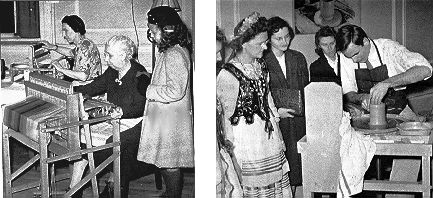
راقصون شعبيون يتجمعون في معهد IINE. بإذن من مكتبة شليزنجر، معهد هارفارد رادكليف.
تجمع النساء للرقص الشعبي في معهد هارفارد رادكليف. بإذن من مكتبة شليزنجر، معهد هارفارد رادكليف.

وفي الثلاثينات من القرن العشرين، رعى المعهد الدولي في بوسطن نادياً للفتيات الإيطاليات لتعليم اللغة الإيطالية وآدابها، وكان سكرتير الوكالة الإيطالية يأمل أن "يمنح الفتيات شعوراً بالفخر والاعتزاز بعظمة أسلافهن"، كما رعى المعهد منظمة لدراسة اللغة اليونانية و والتاريخ وإنتاج مسرحيات يونانية؛ ونادي الفتيات السوريات لدراسة اللغة العربية، ونادي الأمهات السوريات الذي يقدم المحاضرات والأغاني باللغة العربية، ونادي لدراسة الأدب الروسي. وتجمع المهاجرون التشيكيون لإلقاء محاضرات عن التاريخ التشيكي، وتجمع المهاجرون الفنلنديون لحضور برامج موسيقية، وتجمع الأوكرانيون للرقص والغناء الشعبي.

ومن خلال صراعات السياسات التمييزية والكساد الاقتصادي، جمعت هذه النوادي والصفوف المهاجرين معًا ليستمدوا القوة من بعضهم البعض، وبناء التضامن والقيادة، وممارسة التعبير الفني الذي لا يحمل تقاليدهم فحسب، بل يساعدهم أيضًا على مشاركة ثقافاتهم مع جيرانهم الجدد.

إن أصداء النوادي الاجتماعية التي كان يرعاها المعهد الدولي في بوسطن منذ 100 عام مضت تظهر اليوم في مجموعات الخياطة والطهي التي شكلها المعهد الدولي للخياطة والطبخ للنساء الأفغانيات الوافدات حديثاً اللاتي استهدفتهن حركة طالبان، وفي برنامج قصص الحقيبة الذي يقدم من خلاله اللاجئون والمهاجرون والجيل الثاني من الأمريكيين قصصهم الشخصية عن الهجرة والبدايات الجديدة.

المنارة الدولية

غلاف مبكر للنشرة الإخبارية للمعهد، المنارة الدولية

في عام 1933، أطلق المعهد الدولي في بوسطن المنارة الدوليةوهي نشرة إخبارية تُبقي الأعضاء على اطلاع دائم على برامجها وعلى قضايا الهجرة الملحة في ذلك الوقت وكيفية الدفاع عن حقوق المهاجرين. وكانت أول محررة لها, كانت ألفريدا موشر ابنة دبلوماسي أمريكي وخريجة جامعة بوسطن وتتحدث عدة لغات أوروبية. وقد تطوعت موشر التي طالما كانت مناصرة للمهاجرين، وتطوعت في جمعية الشابات المسيحيات لمساعدة النساء المهاجرات في قضايا المواطنة والتجنس، وقادت نوادي للنساء الأنجلو-أمريكيات والسويسريات والفرنسيات والأرمن. كانت متحدثة طبيعية للاحتفال بعمل الوكالة ودعوة أعضائها إلى العمل.

واليوم، يحافظ المعهد الدولي لنيو إنجلاند الجديدة ومؤيدوه على منارة الترحيب باللاجئين والمهاجرين، ويحمل المعهد الدولي لنيو إنجلاند ومؤيدوه شغف مؤسسيه وتفانيهم في تقديم الخدمات الأساسية التي يحتاجها سكان بوسطن الجدد للاندماج والازدهار. على مدار 100 عام، واصلنا الصمود أمام التغيرات الجذرية في سياسة الهجرة والتحولات في النظرة إلى القادمين الجدد الخارجة عن إرادتنا، وركزنا خدماتنا على الاستجابة لاحتياجات الأفراد والعائلات التي نخدمها. وكما أدرك العاملون الأوائل في المعهد الدولي أن المهاجرين يشكلون عنصرًا حيويًا في إطار بوسطن - ومع الدعم الأولي، يصبحون في وضع جيد للوصول إلى كامل إمكاناتهم في مجتمعاتنا.

خلال عامنا المئوي، نحتفل بمرور 100 عام من الدعم الذي غيّر حياة اللاجئين والمهاجرين في بوسطن الكبرى ونستعد للقرن الثاني من خدمتنا. اعرف المزيد هنا: الذكرى المئوية لـ IINE بوسطن.

تقرير تسليط الضوء: الخدمات القانونية (مارس 2024)

تقرير تسليط الضوء هو تقرير ربع سنوي لتزويدك بفهم أعمق لعملنا. يركز تقرير تسليط الضوء هذا يركز على خدماتنا القانونية للهجرة, wالتي تتناول الاحتياجات الاحتياجات العاجلة للوافدين الجدد للوافدين الجدد إلى بلدنا.

المعهد الدولي للتكنولوجيا الطبية يكرّم جيوفاني كافوريو، رئيس مجلس الإدارة التنفيذي لشركة بريستول مايرز سكويب، في حفل توزيع جوائز الباب الذهبي ال 42

يوم الاثنين 4 مارس, اجتمع 480 عضوًا من أعضاء مجتمع IINE في فندق فيرمونت كوبلي بلازا في بوسطن لحضور حفل توزيع جوائز الباب الذهبي ال 42. تُمنح جائزة الباب الذهبي كل عام لأحد المهاجرين الذين قدموا مساهمات بارزة للمجتمع الأمريكي. أخذت الجائزة اسمها من كلمات إيما لازاروس المنقوشة على قاعدة تمثال الحرية: "من يدها المنارة يضيء الترحيب في جميع أنحاء العالم... أرفع مصباحي بجانب الباب الذهبي." وقد مُنحت الجائزة هذا العام إلى جيوفاني كافوريو, الرئيس التنفيذي رئيس مجلس الإدارة والرئيس التنفيذي السابق لمجلس الإدارة والرئيس التنفيذي السابق لشركة بريستول مايرز سكويب.

أبرز أحداث الأمسية

الحائز على جائزة الباب الذهبي جيوفاني كافوريو المدافعون عن حقوق الإنسان من أجل الدعم العادل لجميع جميع المهاجرين حتى يتمكنوا من تحقيق أحلامهم

وُلد جيوفاني وتلقى تعليمه كطبيب متدرب في إيطاليا، وانضم إلى شركة بريستول مايرز سكويب في عام 2000، وتولى عدداً من الأدوار على مر السنين، أبرزها منصب الرئيس التنفيذي واليوم يشغل منصب رئيس مجلس الإدارة التنفيذي. وفي حفل توزيع جائزة الباب الذهبي، أشاد زملاء جيوفاني، بمن فيهم فيكي ساتو، رئيس مجلس إدارة شركة "دينالي ثيرابيوتيكس" و"فير للتكنولوجيا الحيوية"، وتيد صامويلز، المدير المستقل الرئيسي في شركة "بريستول مايرز سكويب"، بقيادته المؤثرة التي أدت إلى تطوير أدوية غيرت بشكل جذري الطريقة التي نعالج بها السرطان، والتزامه بتطوير ثقافة تركز على المريض مدفوعة بالابتكار والمساءلة، وإيمانه القوي بقيمة التنوع والشمول في الأعمال.  

قبل جيوفاني جائزة الباب الذهبي بكل تواضع، وتوقف للحظة ليعترف بالامتياز الذي حظي به عند قدومه إلى الولايات المتحدة كمهاجر - شهادة في الطب وشركة أمريكية تدعمه - ويدعو بلدنا إلى تزويد المهاجرين الجدد بالدعم اللازم لبناء أساس قوي. تعرف على المزيد عن جيوفاني وإنجازاته الاستثنائية في الفيديو أدناه.

بيير بيير أخصائي القضايا الرئيسية في IINE الخاص بـ IINE جولنور لوران وسفينة نيازي يتشاركان قصصاً ملهمة وصعبة عن قصص ملهمة وصعبة عن الهجرة القسرية

Iفي هايتي، تدرج بيير في المناصب كطبيب موهوب, في نهاية المطاففي نهاية المطاف في نهاية المطاف استجابة بورت أو برنس على مستوى المدينة لتفشي فيروس كورونا المستجد. كان هذا الدور الذي اعتنقه بيير الذي لطالما انجذب إلى مساعدة المحتاجين. عندما تصاعدت أعمال عنف العصابات في بلده المحبوب، لم يكن أمام بيير أي خيار سوى المغادرة. لم لم يريد الذهاب، ولكن بعد عدة محاولات اختطاف، عرف أنها الطريقة الوحيدة لضمان سلامته وسلامة عائلته. في الولايات المتحدة بيير وجد IINE - وهدفًا جديدًا. بصفتهأخصائي حالة رئيسي يواصل يواصل في خدمة الآخرين من خلال مساعدة زملائه الهايتيين في العثور على الأمن و وبداية جديدة في ماساتشوستس. استمع إلى قصة بيير في الفيديو أعلاه.

سيفينا نيازي في جائزة الباب الذهبي 2024

مضيف الأمسيةوتحدثت الأخصائية الرئيسية في القضايا صافينا نيازي عن رحلة هجرتها القسرية. صافينا من أفغانستان، وهي في الأصل من إلى الولايات المتحدة في عام 2017 ووتمت إعادة توطينها من قبل وهي اليوم عضو في فريقنا القانوني. شاركتنا صافينا كيف شاهدت بخوف من بعيد كيف استولت حركة طالبان على بلدها الأم في عام 2021 والراحة التي شعرت بها عندما تمكنت صديقة مقربة وزميلة موثوقة من الفرار ولمّ شملها معها هنا.

لقد أدمعت دموع كل من بيير وصافينا في قصتي بيير وصافينا في الحفل عيون الحاضرين حيث تذكرواب لنا جميعًا كم من اللاجئين والمهاجرين في كثير من الأحيان اضطرار اللاجئين والمهاجرين أن يتركوا وراءهم ليجدوا العثور على الأمان و وإعادة بناء حياتهم في مجتمعاتنا.

مؤيدو الشبكة الدولية للمعلوماتية يجمعون ما يقرب من 1.7 مليون دولار من أجل اللاجئين والمهاجرين

وقد حققت الأمسية نجاحاً باهراً بفضل الدعم السخي للحضور والجهات الراعية، بما في ذلك جوردون ديال وشركاه. Group Advisory Group LP، وشركة Bristol Myers Squibb، وشركة Biogen، وشركة Evercore، وجان هاينز، ومارك جوزيف كوندون, مارك وبيكي ليفين، وموديرنا، ومورجان ستانلي، ومورجان ستانلي، و ثيرموفيشر العلمية مبلغ 1.7 مليون دولار التي تم جمعها في الوقت المناسب. قال الرئيس التنفيذي والرئيس جيف ثيلمان: "إن منظمة IINE هي الآن أكبر مورد على نطاق واسع للاجئين والمهاجرين الوافدين حديثًا الذين يسعون للحصول على الإغاثة الإنسانية في ماساتشوستس ونيو هامبشاير". "منذ ثلاث سنوات، قمنا خدمنا 4,000 عميل; وهذا العام، نحن في طريقنا لخدمةخدمة 18,000 فرد وعائلة، بما في ذلك الآلاف من الهايتيين, والأفغانوالأفغان والأوكرانيين الباحثين عن السلام والأمن.أشكركم على وجودكم هنا الليلة، وعلى احتفالكم ودعمكم لمهمتنا، وعلى إيمانكم بالمهاجرين واللاجئين."

اعرف المزيد عن جائزة الباب الذهبي هنا.