metapixel
تخطي إلى المحتوى الرئيسي

بوسطن
2 شارع بويلستون، الطابق الثالث
بوسطن، ماساتشوستس 02116
617.695.9990

لويل
101 شارع جاكسون 101، شارع جاكسون، جناح 2
لويل، ماساتشوستس 01852
978.459.9031

مانشستر
470 شارع باين 470، الطابق السفلي
مانشستر، NH 03104
603.647.1500

اتصل بنا
info@iine.org info@iine.org
iine.org

للتواصل مع وسائل الإعلام
comms@iine.org

تابعنا


تبرع

المؤلف: دانييل غوتييه

1995-2004: أحلام الحرية

مرحباً بكم في الدفعة التاسعة من سلسلتنا "100 عام من الترحيب:إحياءً للذكرى المئوية لتأسيس المعهد الدولي لتكنولوجيا المعلومات والاتصالات في بوسطن." الدفعة السابقة، "1985-1994:حماية سكان بوسطن الجدد"، والتي وصفت جهود معهد بوسطن الدولي في بوسطن الجهود المستمرة لإعادة توطين لاجئي أزمات النزوح في جنوب شرق آسيا, شمال أفريقيا, ودول الاتحاد السوفيتي السابق Uالاتحاد السوفيتي السابق; المنظمة العمل القانوني والدعوي المتنامي للمنظمة; و كيف ساعدت الآلاف من المهاجرين الذين مُنحوا العفو بموجب قانون إصلاح ومراقبة الهجرة لعام 1986.

تسهيل المساعدة المتبادلة

في منتصف التسعينيات المعهد الدولي في بوسطن (IIB) ظل مصدرًا مهمًا لدعم للمجتمعات التي ساعدها في في بناء من خلال إعادة توطين اللاجئين على مدى العقدين الماضيين من خلال العمل مع مساعدتهم المتبادلة المنظمات. استضافت تشكيل مجموعة الدعم المتبادل الفيتنامية, بدأت العمل مع جمعية بوسطن جمعية المساعدة المتبادلة للجالية الإثيوبية في بوسطن, واستضافت اجتماعات لعدة مجموعات مماثلة من مجموعات المهاجرين المتزايدة.

استضافة "أحلام الحرية"

أطفال يستكشفون معرضاً تفاعلياً في متحف أحلام الحرية

في عام 1998، نقل المعهد مكاتبه من جادة الكومنولث، حيث كان موجودًا منذ منتصف الستينيات، إلى مساحة أكبر في شارع وان ميلك ستريت في الحي المالي في بوسطن، مع مساحة للمزيد من الفصول الدراسية ومختبر كمبيوتر جديد وغير ذلك.

ستكون هذه المساحة الجديدة مفتوحة بشكل فريد للجمهور. في الطابق السفلي للمتحف، أنشأ المعهد متحف أحلام الحرية: متحف بوسطن للهجرة في بوسطن.

واستنادًا إلى إرث مهرجان نيو إنجلاند الشعبي الذي ساعد المعهد في تنظيمه لمشاركة التقاليد الثقافية الغنية للمهاجرين الجدد، قدم متحف أحلام الحرية معارض تفاعلية تعرض صورًا فوتوغرافية ومقتنيات وقصصًا شخصية تقدم لمحات عن حياة المهاجرين واللاجئين الذين استقروا في بوسطن على مدى عقود. كما استضاف المتحف أيضاً محاضرات وورش عمل ومناقشات مجتمعية حول قضايا مثل قوانين الهجرة والاندماج المجتمعي وتحدي التمييز الثقافي والعرقي. في أوائل العقد الأول من القرن الحادي والعشرين، رعى المتحف واستضاف عروضاً من قبل مهرجان هيومن رايتس ووتش السينمائي.

السعي وراء الأحلام

شارع ون ميلك ستريت سرعان ما أصبح المنزل موطن ل العديد من برامج التكامل التي ساعدت عملاء المعهد على تحقيق أهدافهم من الحصول علىالحصول على a أول وظيفة في الولايات المتحدة, إلى شراءسيارة سيارة ومنزل، إلى الحصول على الجنسية الأمريكية.-"أحلام الحرية" الخاصة بهم." A مليون مليون دولار مليون دولار منحة من مؤسسة بوسطن و a شراكة مع فنادق هيلتون في إطلاق برنامج تدريب على المهارات لتوظيف أكثر من 260 وافداً جديداً فيفي وظائف في فنادق بوسطن. A الممول فيدراليًا برنامج "الادخار من أجل النجاح الممول اتحاديًا يقدم للقادمين الجدد محو الأمية المالية والمصرفية, ومهارات إدارة الأموال، بل ساعدهم أيضًا في إنشاء حساب توفير حساب ادخارs وتحديد هدف الادخارs من أجل عملية شراء رئيسية، ثم توفير أموال مطابقة بمجرد تحقيق الهدفs تم تحقيق الهدف. وقُدمت دورة جديدة في "شراء منزل 101" أولاً باللغة الفيتنامية والكريولية الهايتية، ثم لاحقاً باللغة الصينية والكريولية في الرأس الأخضر. مركز المواطنة الجديد الجديد اللاجئين و والمهاجرين مع امتحان الجنسيةالتحضير لامتحان الجنسية وخدمات التجنيس الأخرى.

الدفاع عن الفئات الأكثر ضعفاً

أخرى جديدة ومهمة أخرى جديدة ومهمة IIB خدمت برامج السكان المهاجرين الذين يحتاجون إلى رعاية خاصة من أجل التعافي من الاضطهاد الذي تعرضوا له في الماضي و والبدء في الازدهار. Iأطلقت IB المركز الدولي مركز الناجين الدولي تقديم خدمات إدارة الحالات والخدمات الاستشارية ل الناجين من التعذيب والصدمات الأخرى المرتبطة بالحرب, كما حصل المركز أيضًا على أول عقد من وزارة العدل الأمريكية لخدمة ضحايا الاتجار بالبشر، وتوفيرخدمات الصحة النفسية والسكن والمساعدة والمساعدة القانونية. IIB أيضًا أصبح موردًا إقليميًا في مكافحة الاتجار بالبشر, عقد وتدريب شبكة من ضباط إنفاذ القانون من أجل تحسين تحديد وخدمة الاتجار بالبشر الناجين من الاتجار بالبشر.

أطفال كوسوفو والفتيان الضائعون

واصل المكتب الدولي للهجرة الترحيب بمجموعات جديدة من اللاجئين في بوسطن ومساعدتهم على التعافي والاندماج. في نهاية تسعينيات القرن الماضي، اندلعت أزمة في شبه جزيرة البلقان في أوروبا الشرقية. فقد كان الصراع العرقي يمزق البلاد التي كانت تُعرف سابقاً باسم يوغوسلافيا بعنف لعدة سنوات، وفي عام 1999، تدخل حلف شمال الأطلسي (الناتو) وقصف القوات الحكومية وسيطر مؤقتاً على منطقة كوسوفو المشتعلة في محاولة لإنهاء المذبحة العرقية واسعة النطاق. وفي عملية النزوح الجماعي التي تلت ذلك، أعيد توطين اللاجئين من مناطق متعددة من أطراف النزاع في بوسطن. وكان العديد منهم من ذوي الأصول الألبانية من كوسوفو الذين كانوا يتوقون للانضمام إلى مجتمع كبير بالفعل من ألبان بوسطن الذين خدمهم مكتب الشؤون الدولية على مر السنين. وأثناء ترحيبهم بهؤلاء اللاجئين الجدد، كان المعهد الدولي للأعمال الخيرية مهتمًا بشكل خاص بالعديد من الأطفال القادمين ونظم برنامجًا صيفيًا "أطفال كوسوفو" في ضاحية لين في بوسطن لمساعدتهم على الاستعداد للالتحاق بالمدارس العامة المحلية في الخريف.

 أعاد البنك الإسلامي الدولي توطين العشرات من فتيان السودان التائهين، بمن فيهم جون قرنق (إلى اليسار) وإزيكيل ماين (في الوسط) في منزلهم في لين في عام 2001. صورة لبيل غرين، بإذن من صحيفة بوسطن غلوب.

وفي نفس الفترة، استقبل المعهد أيضاً في بوسطن 75 ممن يُطلق عليهم "فتيان السودان التائهين"، وهم مجموعة من اللاجئين المراهقين من قبيلة الدينكا في جنوب السودان الذين تم أسرهم وهم أطفال صغار وأجبروا على الخدمة كجنود في جيش شمال السودان. وقد فرّ العديد منهم أولاً إلى إثيوبيا، ثم إلى كينيا، حيث عانوا من المعاملة الوحشية والحبس لفترات طويلة في مخيم كاكوما للاجئين. وفي أوائل العقد الأول من القرن الحادي والعشرين، أدى تصاعد العنف في الحرب الأهلية السودانية إلى تجدد الاهتمام بمحنة "الفتيان التائهين" وتم الترحيب بالآلاف منهم في الولايات المتحدة. واستخدم البعض مختبر الحاسوب الجديد في مكتب المعهد في شارع ميلك ستريت للبحث عن أفراد أسرهم المفقودين.

معنا أو ضدنا

تغيرت المشاعر العامة تجاه اللاجئين بشكل كبير في أعقاب أحداث 11 سبتمبر 2001. فبعد فترة وجيزة من قيام أعضاء من تنظيم القاعدة الإرهابي الدولي باختطاف أربع طائرات وإلقائها في برجي مركز التجارة العالمي في نيويورك، والبنتاغون في واشنطن العاصمة، مما أسفر عن مقتل ما يقرب من 3000 مدني، أعلن الرئيس جورج دبليو بوش "الحرب على الإرهاب" بقيادة الولايات المتحدة. وفي هذا النوع الجديد من الحرب تم توضيح قاعدة واحدة فقط: جميع دول العالم "إما أن تكونوا معنا أو تكونوا مع الإرهابيين".

وبينما كان الجيش الأمريكي يحشد قواته للمشاركة في "عملية الحرية الدائمة"، وهي هجوم على نظام طالبان القمعي الذي كان يحكم أفغانستان والذي كان يأوي إرهابيي تنظيم القاعدة، سادت أجواء من الخوف والانقسام والتحيز في جميع أنحاء الولايات المتحدة، بما في ذلك في بوسطن، التي انطلقت منها اثنتان من الرحلات المختطفة. وأصبح العديد من المسلمين والعرب الأمريكيين هدفًا للعنف والتهديدات والأحكام المسبقة. سارع المكتب الإسلامي الدولي إلى العمل لحشد استجابة محلية، وتنظيم اجتماع لقادة الجالية الأفغانية في بوسطن لإصدار بيان صحفي حول الأزمة، وترتيب اجتماع بين القادة العرب الأمريكيين في بوسطن ووحدة جرائم الكراهية في إدارة شرطة بوسطن، ووضع دليل موارد مجتمعية للجالية المسلمة في بوسطن. كما دخل المكتب الإسلامي الدولي في شراكة مع منظمة خدمات دعم المجتمع المسلم في ماساتشوستس لتقديم المشورة للمهاجرين الذين يواجهون الصدمات النفسية ويشعرون بعدم الأمان في مجتمعاتهم.

ومع استمرار الحرب في أفغانستان، اتسعت الحرب على الإرهاب في عام 2003 مع ظهور "عملية حرية العراق". أدى كلا الصراعين إلى نزوح أعداد كبيرة من اللاجئين، ولكن رداً على هجمات 11 سبتمبر قلصت الولايات المتحدة برنامج قبول اللاجئين من 70,000 لاجئ في عام 2001 إلى حوالي 27,000 في عام 2002، وأصبح التدقيق في اللاجئين من الدول العربية والإسلامية مقيداً بشكل متزايد. ولكن مع بدء وصول أول اللاجئين الأفغان والعراقيين المقبولين من هذه الحروب إلى بوسطن، كان مكتب الهجرة الدولي موجوداً للترحيب بهم ومساعدتهم بفخر ليصبحوا من سكان بوسطن.

- - - 

لا تزال العديد من البرامج التي أُنشئت لأول مرة في المعهد الدولي في بوسطن في التسعينيات وأوائل الألفية الجديدة تزدهر وتتطور في المعهد الدولي في نيو إنجلاند اليوم. يساعد برنامج "استعد، استعد، اخدم!" الوافدين الجدد إلى بوسطن على التدريب والعثور على عمل في صناعة الضيافة المحلية اليوم. ولا يزال برنامج الادخار يُقدَّم حتى اليوم ويستمر في مساعدة اللاجئين والمهاجرين على شراء سياراتهم ومنازلهم الأولى هنا. يواصل معهد IINE تقديم برامج مخصصة لضحايا التعذيب، ويساعد برنامجنا لمساعدة ضحايا الاتجار بالبشر (TVAP) المئات كل عام على التعافي وإعادة بناء حياتهم.

يواصل معهد IINE الوقوف مع جميع ضحايا التمييز وربطهم بالموارد المجتمعية التي يحتاجونها ليشعروا بالترحيب والأمان والدعم.

خلال عامنا المئوي، نحتفل بمرور 100 عام من الدعم الذي غيّر حياة اللاجئين والمهاجرين في بوسطن الكبرى ونستعد للقرن الثاني من خدمتنا. اعرف المزيد هنا: الذكرى المئوية لـ IINE بوسطن.

من مكتب الرئيس التنفيذي: الشخصية الأمريكية على المحك 

بقلم جيف ثيلمان، الرئيس والمدير التنفيذي للمعهد الدولي في نيو إنجلاند

لقد احتفل العديد من الأمريكيين بطابع بلدنا وتكوينه بعبارة "نحن أمة من المهاجرين". نحن ندرك أن الولايات المتحدة هي نموذج مثالي وأن كونك أمريكيًا لا يعني أن تكون أمريكيًا لا يعني أن يكون لك أصل عرقي أو قومي. فالأشخاص من أي خلفيّة، ومن أي بلد ولدوا في أي بلد، ومن أي أصل عرقي أو إثني يمكن أن يصبحوا أمريكيين، وقد أصبحوا كذلك بالفعل.

واليوم، هناك أكثر من 12% من الأمريكيين المولودين في الولايات المتحدة من أبوين أو جدين لم يولدوا هنا، ويشكل المهاجرون أكثر من 14% من سكان الولايات المتحدة. لا تزال الولايات المتحدة تستفيد اقتصاديًا وثقافيًا وسياسيًا من ترحيبنا بالمهاجرين كما هو الحال منذ تأسيس هذه الأمة. إن مكانتنا في العالم، وقدرتنا على الحفاظ على اقتصادنا الرائد في العالم، وثراء الثقافة الأمريكية ما كان لها أن تتحقق لولا المساهمات الكبيرة للمهاجرين.

نتشرف كل يوم في المعهد الدولي لنيو إنجلاند الجديدة بالترحيب بالوافدين الجدد إلى منطقتنا ودعمهم، ونتشرف بمساعدتهم على تحقيق النجاح والفرص في وطنهم الجديد. إننا نشعر بالرعب من التصريحات العنصرية والمعادية للأجانب التي أدلى بها التي أدلى بها المرشح الجمهوري للرئاسة, وحملته الانتخابيةوالعديد من أعضاء حزبه الذين يقومون بمحاولة محاولة ساخرة وغير أخلاقية للغاية شيطنة المهاجرين و والمجموعات العرقية التي كان لها دور أساسي في نجاح الولايات المتحدة منذتأسيسها.

من المهم التركيز على الحقائق، وما هو على المحك عندما نتجاهلها. يشكّل المهاجرون اليوم 19% من القوى العاملة؛ ويدفع المهاجرون كل عام حوالي 500 مليار دولار من الضرائب الفيدرالية وضرائب الولايات والضرائب المحلية؛ ويبدأ المهاجرون أعمالهم التجارية بمعدل ضعف معدل السكان عامة؛ واستنادًا إلى أبحاث مستفيضة تعود إلى أكثر من 140 عامًا, فإن المهاجرين اليوم أقل عرضة للسجن بنسبة 60% من السكان المحليين.

يتفهم معظم الأمريكيين أهمية الهجرة المدارة ويحتفلون بالقدرة الفريدة لأمتنا على احتضان ودمج الوافدين الجدد من جميع أنحاء العالم. فنحن نستمتع بالأفكار والفن والطعام والموسيقى والثراء الذي يجلبه كل مهاجر جديد وكل مجموعة عرقية جديدة إلى ثقافتنا. إننا نقف شامخين كأمة تعمل وفق الواجب الأخلاقي لإنقاذ اللاجئين وطالبي اللجوء الذين فروا من الحرب والعنف، أو الذين اضطهدتهم حكوماتهم أو المجرمين الخارجين عن القانون في بلدانهم الأصلية.

"أولئك الذين يتجاهلون العنصرية محكوم عليهم بتكرارها."

على الرغم من النجاحات والمساهمات التي لا تعد ولا تحصى للمهاجرين وأحفادهم، إلا أن تاريخ الولايات المتحدة مليء بالإجراءات الضارة لتقييد بعض المهاجرين وعدم الاعتراف بهم كأمريكيين جدد. تعود الأمثلة إلى أكثر من 150 عامًا. فقد سعى قانون إقصاء الصينيين لعام 1882 إلى منع المهاجرين الصينيين من البقاء في الولايات المتحدة بعد الترحيب بعمالتهم لبناء السكك الحديدية العابرة للقارات. كما تم فرض حصص قطرية بموجب قانون الهجرة لعام 1924 للحد بشدة، من بين أمور أخرى، من عدد المهاجرين من جنوب وشرق أوروبا واستبعاد المهاجرين الآسيويين تمامًا. وبعد موجات من المهاجرين الأيرلنديين والإيطاليين إلى بوسطن، لم تكن الشركات التي تنص على "الأيرلنديون لا يحتاجون إلى تقديم طلب" أو "الإيطاليون غير مرحب بهم" غير شائعة، ولم تعترف الأمة إلا مؤخرًا بضرر اعتقال المواطنين الأمريكيين من أصل ياباني على الساحل الغربي خلال الحرب العالمية الثانية. هناك المزيد من الأمثلة على المحاولات المضللة، والعنصرية في كثير من الأحيان، لمنع مجموعات معينة من المهاجرين من القدوم إلى أمريكا.

ولحسن حظ اقتصادنا ومجتمعنا وهويتنا الأمريكية، فقد تم التغلب على معظم هذه الجهود. ومع ذلك، نرى في الحملة الرئاسية اليوم عودةً، إن لم يكن زيادةً مروعة، في الحملة الانتخابية الرئاسية لتشويه صورة المهاجرين وأحفادهم وحتى المجموعات العرقية "الأمريكية" من خلال النداءات العنصرية والأكاذيب الصارخة والتجاهل الكاسح للتاريخ الطويل من الفوائد الاقتصادية والاجتماعية والأخلاقية للهجرة إلى أمتنا.

إن الغالبية العظمى من المهاجرين القادمين إلى الولايات المتحدة يأتون إلى هنا سعياً وراء حياة أفضل. إنهم يدركون الفرصة العظيمة التي يوفرها لهم الاقتصاد المزدهر ويعتزون بالحريات التي تأتي مع العيش في الولايات المتحدة، وهم ممتنون للغاية لهذه الأمة التي وفرت لهم ولأسرهم، وخاصة أطفالهم وأحفادهم، فرصة التمتع بحياة هادئة ومنتجة. وينطبق هذا على جميع المهاجرين، سواء وصلوا إلى هنا من خلال تأشيرة عمل، أو من خلال صلة عائلية، أو من خلال برنامج اللاجئين، أو من خلال التأشيرات المؤقتة التي صدرت بسبب الحرب والصراع في بلدانهم الأصلية، وحتى بالنسبة لأولئك الذين لم يُصرح لهم بالدخول.

جيراننا الجدد ليسوا في الغالب "مجرمين وقتلة". إنهم لا يستنزفون الموارد أو يأخذون الوظائف من الأمريكيين. وهم لا يأكلون حيواناتنا الأليفة.

على الصعيد الاقتصادي، فإن تقييد الوافدين الجدد وتنفيذ الترحيل الجماعي من شأنه أن يقلل من النشاط والنمو. ومن شأن انخفاض عدد المهاجرين أن يعني زيادات كبيرة في أسعار المنتجات الأمريكية، لا سيما في الصناعات الزراعية واللحوم والألبان، وكذلك في مجالات البناء والرعاية الصحية، التي تعتمد بشكل كبير على العمالة المهاجرة.

أما على المستوى العالمي، فإن إغلاق حدودنا سيقلل بشكل كبير من سلطتنا المعنوية وقدرتنا على إيجاد حلول أفضل لقضايا النزوح والهجرة في جميع أنحاء العالم.

المهاجرون ليسوا مجرد جزء لا يتجزأ من تاريخنا، بل هم القوة الدافعة لمستقبلنا. إن ما هو على المحك في الانتخابات الرئاسية في 5 نوفمبرهو هو الشخصية الأمريكية. هل سنظل أمة مرحبة مبنية على مبادئ الحرية والعدالة والمساواة للجميع؟ هل سنستمر في فهم أن كوننا أمريكيين يعني اعتناق هذه القيم وليس فقط أن نولد هنا لأبوين "صحيحين"؟ أم أننا سنغلق أبوابنا وننكر انعكاس مجتمع المهاجرين عندما ننظر في مرآتنا الجماعية؟ الخيار لنا.

تعرّف على بيل جيليت

الملف الشخصي للموظف: تعرّف على بيل جيليت، مدير السياسة العامة والمناصرة

بعد أن عمل بيل سابقًا في مجلس الإدارة، انضم بيل إلى المعهد الدولي لتكنولوجيا المعلومات والاتصالات في عام 2024 بصفته مديراً للسياسة العامة والمناصرة. على مدونتنا يتحدث عن هذا الدور الجديد، وتاريخه مع IINE, و وقضايا المناصرة الرئيسية التي التي التي ركزنا عليها في نيو هامبشاير وماساتشوستس.

ما هو دورك كمدير للسياسة العامة والمناصرة؟

بيل (الثاني من اليمين) مع السيناتور إد ماركي من اليسار إلى اليمين، والرئيس والمدير التنفيذي للمعهد الدولي لتكنولوجيا المعلومات والاتصالات جيف ثيلمان ونائب الرئيس الأول والرئيس التنفيذي للتقدم في المعهد الدولي لتكنولوجيا المعلومات والاتصالات زان ويبر

هذا هو الدور الجديد للمركز الدولي للمعلوماتية الدولية، والذي تم إنشاؤه بناءً على النمو والتأثير الكبير الذي حققناه على مدى السنوات العديدة الماضية حيث واصلنا تلبية احتياجات المهاجرين الذين يصلون إلى هنا نازحين بسبب الحرب والاضطرابات السياسية.

أتتبع تشريعات الولاية والتشريعات الفيدرالية التي تؤثر على اللاجئين والمهاجرين في ماساتشوستس ونيو هامبشاير، وفي جميع أنحاء نيو إنجلاند ومدينة نيويورك، وأقدم مدخلات لصانعي القرار - وأتأكد من أنهم عندما يفكرون في السياسات، فإنهم يعرفون الحقائق حول احتياجات عملائنا ونقاط قوتهم والفوائد التي يجلبونها لمجتمعاتهم والقوى العاملة.

ويشمل الدور أيضًا بناء الدعم العام للمعهد الدولي للهجرة وإعادة التوطين والقضية العامة لإعادة التوطين والهجرة، بما في ذلك من خلال التنسيق مع الوكالات الأخرى للتأكد من أن رسائلنا للجمهور متسقة، وأن تعاملنا مع المشرعين يتسم بالكفاءة.

ما هو تاريخك مع شركة IINE وكيف وصلت إلى هذا المنصب؟

لقد كنت عضوًا في مجلس الإدارة كعضو أولًا ثم رئيسًا في عام 2008 (عندما كان المعهد الدولي للمعلومات البيئية (IINE) أصغر بكثير) مما جلب منظور نيو هامبشاير واتصالاتها إلى على الطاولة. في ذلك الوقت، قرر عمدة مانشستر تيد غاتساس أنه سيكون من المفيد سياسياً استغلال شكوك الناس حول القادمين الجدد ومخاوفهم من أن الترحيب بالناس يعني سلبهم أشياء منهم، وذلك باقتراح وقف توطين اللاجئين في المدينة لمدة عامين. عملت مع أعضاء آخرين في مجلس إدارة IINE وممثلين فيدراليين ووكالات أخرى لإقناع أعضاء المجلس التنفيذي، الذين يوافقون على ميزانية الولاية، وكذلك مجلس الشيوخ في نيو هامبشاير، بأن هذه الخطة لا أساس لها من الصحة وضارة. وقد وافقوا على ذلك.

بعد خدمتي في مجلس إدارة IINE، وبينما أخذني عملي في مجال الأعمال والتعليم العالي إلى داخل البلاد وخارجها، بقيت في مجلس قيادة IINE وظللت مهتمًا جدًا بقضايا الهجرة. لقد أكد لي النمو الذي شهده معهد IINE والتركيز العام المتزايد على الهجرة، بما في ذلك المعلومات المضللة التي تتخلل الآن المناقشات الوطنية والولائية، مدى أهمية عمل المعهد بالنسبة لنيو هامبشاير وماساتشوستس. شعرت أن هذا العام هو الوقت المناسب للعودة وبذل ما بوسعي للمساعدة.

ما هي القضايا والتشريعات الرئيسية التي يركز عليها المعهد الدولي للمعلوماتية والتربية حالياً؟

حسنًا، قد يتغير هذا الأمر سريعًا - لكن أحد أول ما الأشياء التي قمت بها في هذا الدور هو معالجة مشروع قانون تم اقتراحه في مجلس الشيوخ في نيو هامبشاير لجعل المهاجرين، حتى أولئك أولئك المصرح لهم بالعيش والعمل في الولاية، الحصول على الإقامة الدائمة أو الجنسية قبل أن يتمكنوا من الحصول على رخص القيادة.

الأساس المنطقي الذي قدمه مقدمو مشروع القانون هو أن السماح لغير المواطنين بالحصول على رخص قيادة من شأنه أن سيمنحهم وسيلة للتصويت. كان هذا ردًا على لمشكلة. اللاجئون واللاجئون هنا بشكل قانوني ومصرح لهم بالعمل، ونحن بحاجة إليهم في القوى العاملة، ولا يمكنهم الوصول إلى العمل دون قيادة السيارة. إن الشرطة وإدارة المرور وأرباب العمل جميعهم يريدون التأكد من أن هؤلاء من أن هؤلاء المقيمين يتعلمون قواعد الطريق ويمكنهم المساهمة في في اقتصاد الولاية.

بالعمل مع الشركاء، شرحت هذا الأمر لبعض أعضاء مجلس الشيوخ الرئيسيين ثم أدليت بشهادتي أمام لجنة مجلس الشيوخ التي تنظر في مشروع القانون. أُحيل التعديل إلى "مزيد من الدراسة"، مما يعني أنه معلق على الأقل في الوقت الحالي.

ماذا عن ماساتشوستس؟

في الوقت الحالي، هناك الكثير من التركيز على العديد من الأسر المهاجرة التي تعيش في ملاجئ الطوارئ والمواقع الفائضة. لقد اكتملت الطاقة الاستيعابية للملاجئ، ونريد جميعًا أن تحصل هذه العائلات على سكن دائم وتتجه نحو الاكتفاء الذاتي بسرعة وبشكل مستدام. إن وكالات إعادة التوطين الثمانية في ولاية ماساتشوستس بعض التمويل من الولاية للمساعدة في هذا الأمر، ولكنها مهمة صعبة ومعقدة للغاية وتتضمن مجموعة متشابكة من الوسطاء، وسوق إسكان متناثر للغاية بأسعار معقولة، وقواعد متغيرة بسرعة حول المدة التي يمكن للأشخاص البقاء فيها في ملاجئ مختلفة قصيرة الأجل.

هذه مشكلة لا يمكن حلها إلا بالتعاون والتواصل. تتولى منظمة IINE زمام المبادرة في التنسيق بين وكالات إعادة التوطين المعنية وهي "المتحدث الرسمي" في تمثيل احتياجات عملائنا أمام الصحافة والمشرعين. نحن ننقل ما تتواصل به العائلات معنا، ونحاول التأكد من أن الجميع يتفهم احتياجاتهم وتجاربهم، ونحاول أن نقدم لهم الدعم اللازم حتى يتمكنوا من الانتقال إلى مرحلة السلامة والأمان الأساسيين، ودعم أنفسهم والمساعدة في تقوية مجتمعاتنا.

بيل في سباق IINE السنوي من أجل اللاجئين والمهاجرين

ما هي أكثر الأمور التي تثير شغفك على الصعيد المهني؟

أنا متحمس لامتلاك القدرة على العمل في منصب وفي منظمة حيث يمكنك إحداث فرق حقيقي في حياة الناس.وقد وجدت هذا في التعليم وبالتأكيد هنا في المعهد الدولي لتكنولوجيا المعلومات. أنا أؤمن بالدور الأساسي الذي ساهمت به الهجرة والمهاجرون أنفسهم، ويجب أن يستمروا في المساهمة في خلق و والحفاظ على مجتمعنا واقتصادنا الوطني الناجح والنابض بالحياة.

ما الذي تستمتع به في وقت فراغك؟

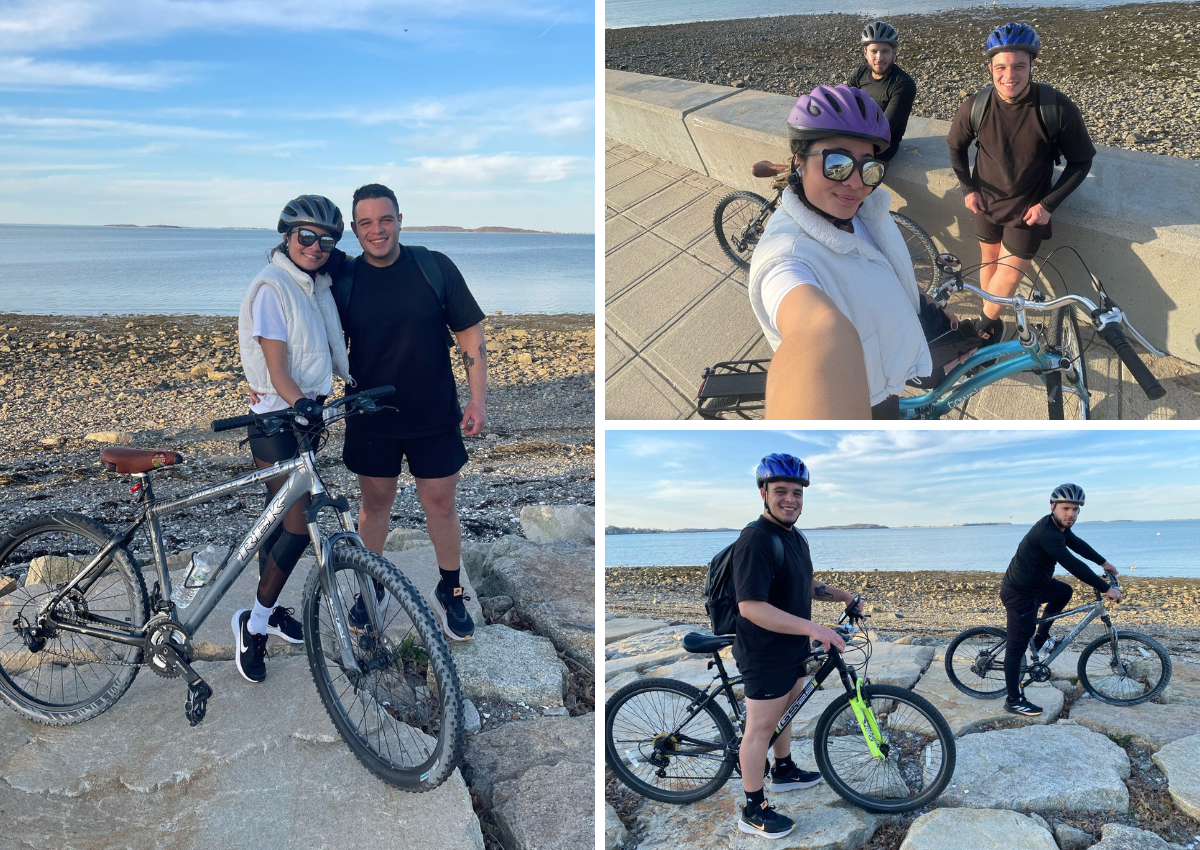
يأتي قضاء الوقت مع العائلة على رأس القائمة دائماً، يليه ركوب الدراجات، وقضاء الوقت في الهواء الطلق مع كلابنا، والإبحار، والتجديف، والتزلج. 

تعرف على المزيد حول جهود المناصرة التي يبذلها المعهد الدولي للمعلومات الصناعية، منذ أن فتحنا أبوابنا لأول مرة منذ أكثر من 100 عام وحتى اليوم، في تقريرنا المخصص عن المناصرة

لماذا يفرّ الهايتيون من وطنهم والتحديات التي يواجهونها في الولايات المتحدة؟

5 أشياء يجب معرفتها عن الأزمة في هايتي

لماذا يهرب الهايتيون الفرار من وطنهم والتحديات التي يواجهونها التي يواجهونها في الولايات المتحدة

Declaring independence in 1804, Haiti became the first free Black republic in the world. Two centuries later, it is a country of resilient people and exceptional island beauty. Sadly, after centuries of foreign intervention, occupation, and coerced debt, political instability, and natural disasters, this nation of 11.5 million people is also the poorest country in the Western Hemisphere. Over the past three years, the number of Haitians forced to flee their country has grown rapidly.  

The International Institute of New England has become New England’s leading resettlement provider for Haitians, having served more than 16,000 Haitian individuals and families in recent years. But how did we get here? And what is life like for Haitians once they arrive in the U.S.? Here are 5 things to know about the crisis of Haitian displacement.  

1. عانت هايتي من تاريخ طويل ومعقد من القمع والاستغلال والتدخل الأجنبي.

ونتيجة لهذا التاريخ فإن هايتي على حافة الانهيار. فالدولة الكاريبية تعاني من عدم الاستقرار السياسي والفساد؛ وعنف العصابات؛ والاتجار بالمخدرات؛ والاتجار بالبشر، وارتفاع حوادث الاختطاف والعنف الجنسي والعنف القائم على نوع الجنس, وحشية الشرطة وجرائم القتل. ويؤثر الجوع الحاد على 1.6 مليون هايتي. تفكك النظام القضائي. ما يقرب من 900 مدرسة أغلقت أبوابهاتاركةً 200,000 طفل دون الوصول إلى مواصلة التعليم. كما أن المستشفيات المكتظة و إغلاقهاارتفع معدل وفيات الأمهات وحديثي الولادة إلى أعلى معدل في نصف الكرة الغربي. وتقدر الوكالات الإنسانية الآن أولئك الذين الذين يحتاجون إلى المساعدات 5.5 مليون شخص. وقد أجبر هذا الأمر الناس على مغادرة هايتي بمئات الآلاف.

2. ابتليت هايتي بكوارث طبيعية مدمرة أودت بحياة مئات الآلاف وشردت الملايين.

في يناير/كانون الثاني من عام 2010، شهدت هايتي أكثر الكوارث الطبيعية تدميراً حتى الآن. فقد تسبب الزلزال واسع النطاق في مقتل أكثر من 220,000 شخص وإصابة 300,000 شخص وتشريد 1.5 مليون شخص. ثم، في عام 2021، هزّ زلزال آخر الجزء الجنوبي من البلاد، مما أسفر عن مقتل 2000 شخص وتشريد عشرات الآلاف. وبعد أيام، تسببت عاصفة استوائية في إحداث المزيد من الدمار في ذلك الجزء من البلاد. كما ضرب زلزال في عام 2023، مما تسبب مرة أخرى في حدوث اضطرابات اجتماعية هائلة اجتماعي هائل وأودى بحياة أكثر من 2,000 شخص. تسبب الدمار الشامل لهذه الكوارث الطبيعية في احتياجات إنسانية هائلة. بينما تقدمت العديد من الدول لتقديم المساعدات الخارجية, إلا أنها فقد أسيئت إدارتها بشكل كبير من قبل جهات غير-غير الحكومية غير الحكومية.

3. تزداد ندرة المياه والمجاعة سوءاً يوماً بعد يوم وتؤثر الآن على ملايين الهايتيين في جميع أنحاء البلاد.

هايتي جزيرة صغيرة ذات تعداد سكاني ضخم بالنسبة لحجمها. ويعاني أكثر من 50% من سكان هايتي حاليًا من انعدام الأمن الغذائي، ويعتبر ربع أطفال هايتي تقريبًا (22%) يعانون من سوء التغذية. بالإضافة إلى ذلك، فإن ثلثي السكان يفتقرون إلى خدمات الصرف الصحي المناسبة، وثلثهم لا يحصلون على المياه النظيفة. إن المجاعة المنتشرة على نطاق واسع وندرة المياه وضعف البنية التحتية هي نتيجة لتاريخ من التخلف. وقد أدت الكوارث الطبيعية إلى تفاقم الأوضاع، حيث عطلت الزراعة في جميع أنحاء البلاد.

أدى الافتقار إلى المياه النظيفة والصرف الصحي والبنية التحتية والخدمات الاجتماعية إلى جعل هايتي عرضة لانتشار الأمراض على نطاق واسع. في أكتوبر/تشرين الأول 2022، اجتاح وباء الكوليرا الجزيرة وأصاب أكثر من 13,000 شخص. وأكثر السكان عرضة للخطر هم النازحون داخلياً الذين فروا من منازلهم.

4. بالنسبة للهايتيين الذين يتخذون القرار الصعب بمغادرة وطنهم، فإن رحلة دخول الولايات المتحدة محفوفة بالمخاطر - وليست دائماً ناجحة.

الرحلة إلى الحدود الأمريكية طويلة وصعبة. فالعديد من الهايتيين يسافرون أولاً إلى أمريكا الجنوبية ثم يسافرون عبر أمريكا الوسطى، ويتحملون مسافات طويلة بالحافلة وعلى الأقدام. ويحاول آخرون القيام بالرحلة على متن قارب يغادرون مباشرةً من هايتي. وقد حدثت حالات عديدة لانقلاب هذه القوارب التي تحمل مئات المهاجرين، مما أدى إلى وقوع إصابات وغرق.

5. وبمجرد وصولهم إلى الولايات المتحدة، يتلقى الهايتيون دعماً محدوداً.

Most Haitians who entered the U.S. in recent years were granted a “parole” status, which allows them to remain legally for a period of up to two years, access limited financial assistance, and apply for public benefits through resettlement agencies like IINE. Many Haitian families spend their life savings on their journey to the U.S. and arrive with no resources, homeless and forced to stay with acquaintances or other community members in crowded living spaces, or to stay in shelters. They commonly have little fluency in English and limited access to language classes. While eager to secure jobs, many Haitian entrants do not have the means to hire an attorney to support their employment authorization applications. Many are denied and many others experience delays of up to one year for approval. 

- - -

More than one million people of Haitian descent live in the U.S., and the third largest Haitian diaspora outside Haiti resides in Massachusetts. Haitians are integral to the United States: enriching our culture, strengthening bonds across communities, and bolstering our economy.

The recent decisions to end Temporary Protected Status for Haiti and the CHNV (Cuban, Haitian, Nicaraugan, Venezuelan) program are unjustly targeting immigrants who came to our country through legal pathways. To strip these families and individuals of work authorizations and legal protections, and to force them back to the unlivable, dangerous counditions from which they fled is inhumane. 

The International Institute of New England remians committted to continuing to support the Haitian immigrant community in every way we can.

المصادر: الجزيرة، بينوه,مركز الكوارث العمل الخيري، مجلس العلاقات الخارجية، هيومن رايتس ووتش, أطباء بلا حدود أطباء بلا حدود, رويترزUN مكتب المفوض السامي لحقوق الإنسان, منظمة الأمم المتحدة للطفولة (اليونيسيف), مكتب تعداد الولايات المتحدةالوكالة الأمريكية للتنمية الدولية, منظمة الصحة العالمية، منظمة الصحة العالمية, ومنظمة الرؤية العالمية.

ماذا لو قالت الولايات المتحدة لا للمهاجرين؟

10 ways extreme immigration restrictions and crackdowns would negatively affect us all

Immigration policy has been a flashpoint issue of the 2024 election. Negative myths about immigrants have dominated campaign attack ads, U.S. leaders are divided on immigration policies, and the the platform of a major political party seeks to ban immigration from several countries, militarize immigration enforcement, enact mass deportations, end family reunification, and use “extreme vetting” to reduce legal immigration.

Here are 10 ways these policies would affect your daily life and our country as a whole:

1. Food would get EVEN more expensive.

Immigrants represent about 21% of all workers in the U.S. food supply industry, playing large roles in everything from farming and food production, to distribution, to grocery wholesale and retail. Labor shortages and supply chain interruptions would lead to higher prices for food.

2. Medical care would be harder to get.

About 26% of doctors and surgeons and 40% of home health care aids are immigrants. As the U.S. population ages, the need for care is increasing. Meanwhile, practitioners are retiring. A labor shortage would lead to dangerous gaps in care, longer wait times, and strain on providers which could lower the quality of care.

3. Our country would become far less diverse. 

We would lose the variety of cultures and the blending and remixing of ideas, language, artistic expression, and traditions that make U.S. life so rich—elements of life we now take for granted, from eating pizza, tacos, and sushi; to practicing yoga and meditation; to dancing salsa and bopping to reggae, to cheering on Rafael Devers and Al Horford.

4. Your neighborhood would likely get more fearful and less safe. 

The constant threat of profiling and deportation would put many Americans on edge, leading to community tension and more fear of law enforcement and other government officials. Studies show that immigrants are less likely to commit crimes than non-immigrants. Less trust and unity is more dangerous for everyone.

5. Businesses would suffer.

Major U.S. industries like construction, manufacturing, hospitality, and technology are highly dependent on a mix of specialized immigrant and U.S.-born workers. In Massachusetts, immigrants staff our hospitals and universities, engineering and manufacturing firms like G.E. and Raytheon, and biotech companies like Moderna and Biogen. Removing one group of workers from the equation would wreak economic havoc. Immigrants also tend to be more entrepreneurial—on a per capita basis they are 80% more likely to start new businesses.

6. We would no longer have the world’s best universities.

We’d lose the ability to draw and train the best professors, researchers, and students from throughout the world and benefit from their contributions to our country. This would particularly affect Boston, a city whose character is shaped in no small part by its ability to draw talented and driven people from throughout the world to Harvard, M.I.T., and more than 60 other area colleges and universities.

7. Our economy would lose $900 billion over 10 years in tax revenue and consumer spending.

Because the U.S. population is rapidly aging and dwindling, and newcomers tend be younger and have larger families, we would be, on average, a far less youthful and populous country. Immigrants account for 13% of the U.S. population and 77% are of working age. Whether citizens or awaiting status, they are consumers, workers, and taxpayers.  

8. The innovation that has defined our country would halt.

From inventing the telephone to the polio vaccine, Hollywood movies to Levi’s jeans, microprocessors to Internet search engines, U.S. immigrants have driven innovation globally. Immigrants are directly responsible for a quarter of all patents in the U.S. We would lose the edge of attracting the best and brightest to experiment, develop, and invent here.

9. We would forfeit our leadership as protectors of freedom, democracy, and the oppressed.

Slamming our doors on people fleeing persecution, tyranny, violence and environmental catastrophes would violate our humanitarian values, and in many cases, international law. We would lose the trust of allies and much of our influence over international conflicts and policy.

10. Millions of American families would be permanently torn apart.

In the U.S. 1,400 children who were intentionally separated from their families by the immigration policies of the previous administration have yet to be reunited. 5.5 million American children currently live with at least one undocumented family member. Many millions more adults are waiting to be reunited with family members abroad whose visas are delayed by backlogs. All of these American children and families would be rejected and abandoned by our government.

- - -

The good news is, we still have a choice. We can advocate to remain a land of opportunity, diversity, and refuge.

1985-1994: حماية سكان بوسطن الجديدة

Welcome to the eighth installment of our series “100 Years of Welcome: Commemorating IINE’s Boston Centennial.” The previous installment, “1975–1984: Refining Refugee Resettlement,” described the International Institute of Boston (IIB)’s resettlement of refugees of the Vietnam War and the increased government partnership and scaled up services made possible by the Refugee Act of 1980, including stronger legal services and new programs addressing mental health challenges. 

The passage of the Refugee Act in 1980 increased refugee admissions and created the federal Office of Refugee Resettlement. This led to new growth, collaboration, and support for the International Institute of Boston, which shifted its chief focus in the early 1980s to refugee resettlement to meet the displacement crises created by the Vietnam War.  

Refugee Training program 1988
A refugee client participates in a training program in 1988

IIB continued to support South Asian refugees throughout the 1980s, particularly in 1988, when the federal Amerasian Homecoming Act admitted to the U.S. thousands of refugee children of mixed American and Vietnamese parentage whose heritage was a source of discrimination in Vietnam. IIB resettled hundreds of these children and their families, welcoming them into the growing Vietnamese communities in and around Boston, and launched the Alternative Education Project to help them learn literacy, English, and math. Throughout the 1970s and 80s, new attorneys and paralegals joined the Legal Services team to help refugees through the complicated process of applying for citizenship, and to reunite their families in the U.S. 

Welcome for Post-Cold War Refugees

Soon after, when the Berlin Wall fell in 1989, bringing the Cold War to an end, IINE welcomed thousands of Jews fleeing persecution under Soviet regimes. Also welcomed were many refugees from the former Yugoslavia, where a civil war had led to ethnic cleansing and other mass atrocities. As brutal conflicts erupted throughout Northern Africa, IIB welcomed refugees from Ethiopia, Eritrea, Somalia, and Sudan.  

At the same time refugee arrivals were surging, however, federal funding for refugee resettlement was decreasing dramatically and by the mid-1980s IIB’s staff and operations were forced to contract. By 1985, IIB had reduced to a small but mighty crew of staff members who spoke a collective 17 languages, including attorneys and paralegals who had been added to bolster the Legal Services team. For a time, IIB’s principal program focus became legal services and advocacy. 

Legal Clinics and Emergency Assistance

1986 was a particularly momentous year for the Legal Services team as IIB launched the first immigration legal clinic of its kind in the area. In weekly workshops, the clinic provided Boston’s immigrant community with assistance in completing immigration forms and preparing their applications for permanent residency and citizenship.  

That same year, IIB formed the Immigration Detainees Emergency Assistance (IDEA) program, bringing together 50 local attorneys to free people being held at an immigration detention center in Boston’s North End. Headed by an IIB paralegal and funded by The Boston Foundation and Lawyers Committee for International Human Rights, the IDEA program provided training to volunteer lawyers, assisted with interpretation and document preparation, monitored hearing dates, and raised bond money to help safely extricate those detained.  

A Partner in Reform

It was also in 1986 that a blockbuster Immigration Reform and Control Act was signed by President Ronald Regan, dramatically altering the landscape in which IIB operated. The bill balanced stricter border controls and penalties for hiring undocumented workers with large-scale amnesty for the nation’s population of undocumented immigrants—a tremendous opportunity for foreign-born individuals living in the U.S. without secure legal status to obtain permanent residency and pathways to citizenships. All immigrants who had entered the U.S. before 1982, and all immigrant farm workers who could prove that they had been employed for at least 90 days, were eligible. There was a one-year window to apply, and doing so required a fee, fingerprinting, and a whole host of paperwork. IIB was one of several agencies throughout the country designated to help immigrants complete applications, through which about three million Americans gained legal status. 

IIB staff and clients in the 1990s

Many of IIB’s legal services today are shaped by the other major reform of the era: the Immigration Act of 1990. This act created Temporary Protective Status (TPS) to admit people from countries plagued by armed conflict, environmental disasters, or other extreme threats, and permitted them to work while in the U.S. It raised the caps on both immigrant and refugee admission, created a new preference category for family immigration, and allowed employers to apply for temporary visas to hire skilled workers. 

Also, in another counterweight to the “quota system,” which, from the 1920s through the 1950s had restricted immigration by country largely based on ethnic discrimination (against which IIB had fought passionately), the Immigration Act of 1990 also created the “Diversity Lottery” to grant visas to people from nationality groups currently underrepresented in the U.S. This Act was not only another step forward in increasing the nation’s diversity, but also another victory for family reunification. In the mid-1990s IIB began working with families to help their eligible family members living abroad apply for this lottery in the hopes of being reunited.  

Victim Assistance and Advocacy

While working to secure legal rights for Boston’s immigrants and refugees, IIB was also helping to ensure they were welcomed by neighbors and community members and working to protect their physical and mental health and safety. IIB’s Social Services department connected newcomers to counseling and crisis intervention support services, including a Victim Assistance program for those who had faced assault, racial harassment, or domestic violence. IIB partnered closely with the Asian Task Force Against Domestic Violence and became the first agency of its kind to offer resources for responding to domestic violence in a beginning-level English-language class.  
 
To help protect rights and promote support for newcomers throughout Massachusetts, in 1987, IIB joined with other local resettlement agencies, immigrant-led community organizations, faith-based organizations, civil and human rights advocates, and providers of social, legal and health services to found the Massachusetts Immigrant and Refugee Advocacy Coalition (MIRA). The Coalitions first Executive Director was former IIB Program Director Muriel Heiberger. Highly active today, MIRA is now 100-organizations strong. 

New Partners and Frontiers

An IIB volunteer helps two Russian refugees as they apply for permanent residence in 1992

During the 1990s, IIB’s service ambitions continued to exceed its size, inspiring more new partnerships. One way the agency was able to expand capacity was to invest in volunteer training programs, bringing community members directly into the work of welcoming newcomers. Once trained, a crucial new corps of volunteers was integrated into both direct service and education programs.  

In 1994, IIB connected with a community group that was serving refugees in the nearby gateway city of Manchester, New Hampshire, and opened its first field office outside of Boston, paving the way for what would later become the multi-site International Institute of New England.  

- - - 

Today, IINE’s Immigration Legal Services team continues to help persecuted immigrants, including thousands with Temporary Protective Status, to apply for permanent residency and citizenship and to reunite their families. It also helps businesses to apply for temporary visas to employ skilled immigrant workers. IINE leadership sits on the Advisory Council of today’s Massachusetts Immigrant and Refugee Advocacy Coalition. Hundreds of community volunteers are integrated into across our organization in all departments. Our Manchester site serves more than 1,000 refugees and immigrants from countries throughout the world with housing and basic needs support, education, career services, legal services, and advocacy.  

خلال عامنا المئوي، نحتفل بمرور 100 عام من الدعم الذي غيّر حياة اللاجئين والمهاجرين في بوسطن الكبرى ونستعد للقرن الثاني من خدمتنا. اعرف المزيد هنا: الذكرى المئوية لـ IINE بوسطن.

فلادا خاليزييفا

"أعرف كيف أكون لاجئاً. والآن أريد أن أساعد الناس": رحلة فلادا من أوكرانيا التي مزقتها الحرب إلى نيو هامبشاير

“In One Moment”

Vlada has found safety in New Hampshire after fleeing her war-torn home country of Ukraine

في عام 2022، في بلدها الأصلي أوكرانيا، بدأت فلادا بدأت "وظيفة أحلامها"، وهي العمل كمديرة لوسائل التواصل الاجتماعي، بعد أن أكملت مؤخرًا درجة الماجستير في اللغويات في العام السابق.

“It was a job that I was so loving,” Vlada says, “but everything finished in one moment. In the days that the war started, I lost my job.”

Vlada and her family had been living a quiet and peaceful life in what turned out to be the wrong place at the wrong time.

“I lived in Kharkiv, which is on the border of Belarus and Russia,” she explains, “and it was the most attacked city from the first day the war started. We were the first people who heard, like, this sharp noise outside, and at first thought it was just something like fireworks—but it was starting at four in the morning, so yeah, it was something else, and it was really scary.” 

“After Three Days…We Were Alone” 

Kharkiv was the first major target of Russia’s sudden and unprovoked invasion of Ukraine. It was bombed relentlessly, forcing its residents to make terrible calculations.

“Maybe three days after the war started, we were alone,” Vlada says, “like without any public transportation, without any groceries, supermarkets—everything was closed. Maybe 30% of people left, and moved to other cities, or they started to cross the border. Some just stayed there. We were among those who stayed—who didn’t believe the war could happen. Everyone thought that the war would finish in three days, that everyone just could communicate together and find a way to solve the problem.” 

Vlada lived on the eighth floor of a nine-story building whose residents included many children. As destruction surrounded them, they scrambled to figure out how to remain safe, often huddling in the basement. The closer the bombing got to them, the more isolated they became.

“We didn’t have our car or any transportation to move or to leave. We lost Internet connections. We lost any connection with the world around us. We didn’t know what was happening and we couldn’t call anyone to say that we were still alive” 

Still, Vlada and her family clung to hope that the bombing would soon pass and recovery would begin. 

“Each day you were thinking like, OK, that building was crushed, but you will survive, and your building will survive even after everything, and maybe someone will come in to help you. Someone will provide transportation to evacuate you, or whatever else. But our part of the city was blocked, and all that we saw were a lot of tanks crossing around our apartment and the like.” 

“I Don’t Really Understand How We Survived” 

After the second attack, Vlada and her family had no choice but to leave. 

“We just took our two cats and, like two bags, and started to run out from the building.” 

Vlada’s grandfather lived about twenty minutes away. They couldn’t contact him and had no idea what they’d find when they reached his home. Fortunately, it proved to be a safe place. The next day, a friend of Vlada’s father was able to pick them up there and drive them out of Kharkiv and into the countryside where they stayed for about three months, recovering and planning their next moves.  

Vlada’s father found a new job in Kharkiv and he and her mother decided to rent a new apartment there. Vlada’s godmother found a sponsoring family in the U.S. through the Uniting for Ukraine program, and she and Vlada set out together for Nashua, New Hampshire.

“When I just crossed the border to Poland, I started to breathe, because I was in a safe place, even though not yet in the United States, I felt, OK now I’m safe. I don’t need to be afraid all the time that something will happen. And when I reached the United States, I felt that way even more.” 

In the first few days, Vlada remembers taking great comfort in eating simple foods that had stopped being available in Ukraine—fresh fruits and vegetables—and ice cream.  

Her sponsors helped her begin to navigate living in the U.S. They introduced her to the city, U.S. culture, and other Ukrainians in the area.

“I really appreciated their help. They opened the door to the safe life without bomb attacks every day.”

To help her secure benefits and work authorization, and learn how to find a job in the U.S., the family connected Vlada to the International Institute of New England which has offices in nearby Manchester. There, she met her Case Manager, Sarah Niazai, now a close friend.

But within two weeks of getting adjusted, the unthinkable happened. Vlada called her mother in Kharkiv, who explained that there had been a break between bomb attacks, but they had started up again.  

“She started to cry and she was so scared. She said, ‘I can’t find Dad. I think he’s been killed.’” 

“I Want to Help People” 

Still reeling from this news, Vlada threw herself into her job search. She found part-time work at a T.J. Maxx clothing store, as a Teaching Aid for English for Speakers of other Languages classes at an adult learning center, and as Front Desk Manager at a dental office. She accepted them all at once and worked 56 hours/week. Vlada was emotionally and physically exhausted, but this was what she needed to do to get by. 

Once she found her footing, she shifted to more work that would allow her to help fellow immigrants, spending a year coordinating and providing language interpretation. She still kept her eye on job postings, and something was sparked in her when she saw an opening at the International Institute of New England. She remembered the help she had received there when she needed it most.

“It was like, OK, I really need this position! I want to help people. I know how to be a refugee, which is great experience! This is a job to provide a lot of support for people whose experience I can understand. 

“I Know Something About That” 

Now an IINE Case Manager with clients of her own, Vlada says that, while it has its own challenges, it feels rewarding to use her incredibly difficult experience to help fellow refugees and immigrants.  

“There are a lot of clients coming in with trauma and I can be like, yeah, I know something about that.” It may be different— I have many clients who are Afghan women who dealt with the Taliban, and yeah, I haven’t had that experience—but I can try to help them. I can try to support them, just by telling them that right now they’re in a safe place and they can get back everything they lost in their country.” 

Vlada herself feels like she’s in a good place now.

“I’m taking things day-by-day. In my past I was the kind of person that planned a lot for the future. Then everything crashed in a moment. I still love Ukraine. I want to return one day and to get another life there. But right now, I so appreciate the United States, who helped us a lot. I appreciate the people I work with, who are really nice. I love them all, and they’re good friends. And yeah, they support you when you need it.” 

---

Refugees and immigrants make long, difficult journeys to escape violence and rebuild their lives in the U.S. You can give them the help they need to start fresh today. 

"مثل حلم يتحقق": رحلة فاريشتا من لاجئة أفغانية إلى مواطنة أمريكية

“It is like a dream come true. It is the biggest day of my life. After all the problems and long journey, finally I achieved what I wished for. I am also so glad that I am working in such wonderful environments and supporting refugees to achieve the goals of their life.” 

On August 14, 2024, Farishta Shams, a former Afghan refugee and current IINE Resettlement Services Manager, was sworn in as a U.S. citizen along with her husband. Farishta was an IINE client when she first arrived in the U.S. in 2019. She became an IINE client once again this past February when she began working with the Immigration Legal Services team to apply for her citizenship. 

Helping Women Meant Life as a Target 

When asked about the “problems and long journey” she was thinking about on her day of celebration, Farishta smiles and says, “Oh, this will be a story.”   

Back in Kandahar, Afghanistan, Farishta worked for the United States Agency for International Development (USAID).  

Farishta in Afghanistan
Farishta and her USAID colleagues in Afghanistan

“It was a bit of problem working with the U.S,” she says. “You had to hide your identity and home address and everything. While I was working for the USAID project, I had been attacked by the Taliban twice in the car while going to or from work.” 

The Taliban was not the only threat.  

“We were providing trainings for woman to know how to start up small businesses, and there were some husbands who didn’t like women to work, and so there were times when these husbands or their relations were also trying to create a problems for us.” 

In order to help fellow Afghan women, Farishta frequently felt like a fugitive and essentially had to live a double life. 

“During the whole journey, my nine-year experience, I changed my home multiple times. I even had to hide myself for months because they found everything. I spread the word to everyone that I had resigned my job, that I was just a teacher. I was leaving my house at 6:00 a.m. and coming home at 5:00 p.m., acting as a teacher, but really I was working for the government. It was not only my problem, it was entire family’s problem—the Taliban could target my entire family.” 

After Farishta was attacked in her car for the second time, she told the head of her project at USAID. He began the process of helping her apply for a Special Immigrant Visa so she could flee to safety. Farishta says it typically takes three to five years to get a Special Immigrant Visa approved to come the U.S., but because she had been attacked while working for them, USAID helped her get her visa within two.  

“A New Life” 

“The day I reached Kabul airport, and then arrived at Dubai, I felt like I found a new life,” Farishta remembers. “I never had felt that happy—that nobody is following me, nobody’s calling. I felt that I had caused problems but that now my family would no longer be at risk because I had left.”  

When she arrived in the U.S., IINE helped Farishta and her husband resettle in Lowell, Massachusetts. “They really helped me with housing, with applying for benefits, finding me a job and showing me how to complete my bachelor’s degree. I also took classes to improve my English.” 

Farishta was deeply impressed with IINE’s staff and the support she received, and recognized the work as similar to what she had been able to do with USAID. She felt that working at IINE would now be her dream job. She was thrilled when, in 2021, she was able to join the organization as an IINE Case Specialist. 

“The experience of helping people, it’s really another dream come true working here,” she says. After a year, she was promoted to her current role as a Resettlement Services Manager. 

“Now It’s My Own Country” 

Farishta at her naturalization ceremony

Last February, Farishta reached out to IINE’s Immigration Legal Services team about she and her husband applying for citizenship. Staff Attorney Pooja Salve was assigned to their case.  

“Pooja did a really good job!” Farishta says.” It was very smooth and easy process. She helped fill and check the paperwork. She had a mock interview with us that really helped us get an idea of what is expected of you. She updated us on every application status.” 

Farishta went into her citizenship interview prepared. “I was practicing for the questions every ten minutes, every night!” she remembers.  

“Every exam has some anxiety. I thought a huge officer with a big heavy voice would come in and take my interview—you know officers can be scary—but then when a lady came in and called me, she was so sweet! I was shocked! When she asked the questions, my anxiety went away, and the process ran smoothly.” 

As soon as she learned she had passed, Farishta pulled out her phone. “First of all I reached out to the team at IINE to tell them that I had passed!” Then she went on to her swearing-in ceremony.

“That was really exciting for me! I feel like now it’s like I’m originally from this country! We just registered to vote. It’s like our own country!”  

Farishta is also excited to finally have the freedom to travel. Because her father worked with the Canadian government, much of her family resettled there. She also has a sister in Germany whom she’s been longing to visit. Her new Green Card and passport will make many joyous reunions possible in her future.

“It really is a dream come true,” she says.  

---

Refugees and immigrants make long, difficult journeys to escape violence and rebuild their lives in the U.S. You can give them the help they need to start fresh today. 

قصص الحقيبة ®Suitcase Stories: عشتار، مهاجرة من هاييتي، تشاركنا سبب مجيئها وسبب بقائها

عشتاروهي مهاجرة حديثة من هايتي، تعمل في Cأخصائية في شركة IINE في لويلماساتشوستس ماساتشوستس. شاركت عشتار قصص الحقيبة® أدائها مع العديد من الجماهير, تؤرخ لها أدائهاd رحلة والدها رحلتها إلى الولايات المتحدة سعياً وراء الرعاية الطبية، و وتطور علاقتهاs كل من به و wمع البلد التي هي الآن تقيم فيه الآن. هذا هو هذه القصة بكلماتها الخاصة.

منذ حوالي عامين، خطر ببالي أنني يجب أن أكون والد والدي. كنت في هايتي وكان والدي مريضاً جداً. 

عشتار مع والدها في هايتي

كعائلة (لأن صوتًا واحدًا لم يكن كافيًا)، كان علينا إقناعه بالذهاب إلى المستشفى. لم يكن يريد ذلك، ولم يكن يراجع أي طبيب في ذلك الوقت. كان "طبيب الرعاية الأولية"، كما تسمونه هنا، هو شقيقه الأصغر، الذي كان طبيبي أيضًا، لكنه قُتل في العام السابق خلال محاولة اختطاف بشعة. ومنذ ذلك الحين، لم يكن لوالدي طبيب مقيم ولم يكن يثق في الكثير من الأطباء. لقد كان عنيدًا حقًا؛ لقد سمعت أنها سمة عائلية، لكن لا تقلقوا، لقد تخطى جيلي (لا يمكنكم إثبات خطئي)!

على أي حال، بعد يومين، أقنعنا والدي، ووافق على الذهاب إلى المستشفى. عندما وصلنا إلى هناك، أخبروني أنه قبل أن يتمكن من رؤية الطبيب، يجب أن أذهب إلى مكتب الاستقبال. سألني الموظف عن تأمين والدي. على الرغم من أن والدي كان يعمل لدى الحكومة لمدة 50 عامًا تقريبًا، إلا أنه لم يكن لديه تأمينًا جيدًا، لذلك كان على خطة والدتي - أو هكذا اعتقدنا. عندما قدمت بطاقتها، راجعوا مزود التأمين ثم أخبروني أن والدي لم يعد مؤهلاً للتغطية لأنه تجاوز السبعين. وعندها أدركت أنه على ما يبدو، في هايتي، عندما تتجاوز السبعين من العمر وتكون عادةً في أشد الحاجة إلى التأمين، أعتقد أنك لم تعد مؤهلاً للحصول على حماية الرعاية. لذا، كان عليّ أن أعطي بطاقتي الائتمانية على الفور فقط لتأمين الرعاية الطبية الأساسية.

في ذلك الوقت، كنت أعمل منذ حوالي ست سنوات، لذلك لم يكن لديّ الكثير من المدخرات؛ أنت تعرف ماذا يفعل الشباب بالمال! لا يحتفلون... يتسوقون. أعطيت بطاقتي على أي حال لأنه لم يكن لدي خيار آخر. احتاج والدي إلى رعاية طبية عاجلة. أمضى حوالي أسبوع في المستشفى وتحسنت حالته قليلاً، لكن أصبح من الواضح أنه كان علينا أن نفعل المزيد لأنه لم يتم حل أي شيء.

عم عشتار إرنست، وأختها كريستينا، ووالدها، وأختها آريان

كانت آخر مرة زار فيها والدي الطبيب قبل حوالي 6 أشهر. وكان ذلك الطبيب قد شخّص إصابته بالسرطان في المرحلة الرابعة وذكر بحزم أنه لا يوجد علاج متاح في هايتي. كانت توصيته هي السفر إلى جمهورية الدومينيكان أو كوبا أو الولايات المتحدة الأمريكية للحصول على فرصة للنجاة. بحثنا في جميع الخيارات. في تلك المرحلة، كان لدى والدي تأشيرة دخول إلى الولايات المتحدة الأمريكية، ولكن بدلاً من البحث عن الرعاية في مكان آخر، تركها تنتهي صلاحيتها. كان عنيدًا.

ومع ذلك، لم يعد بإمكاننا الآن أن نلجأ إلى التقاعس والأمل في الأفضل حيث كان والدي يعاني دون أن نجد ملاذًا حتى لألمه الشديد. لذا، حثثت أعمامي وعماتي على التحدث إليه، وتمكنا أخيرًا من إقناع والدي بالانتقال. سافرنا أنا وهو إلى الولايات المتحدة وعندما وصلنا، توجهنا مباشرة من المطار إلى مركز بوسطن الطبي. كانت رحلة طويلة، وكان والدي متعبًا ومتألمًا للغاية.

ها أنا ذا مرة أخرى في ردهة المستشفى، متوترة للغاية لأنني لم يكن لدي بطاقة ائتمان صالحة في هذا البلد الجديد ولم يكن لدى والدي تأمين صحي. لكن المفاجأة! لم يطلبوا ذلك. تم إدخاله بعد فترة وجيزة وقضى حوالي أسبوع هناك. بعد ذلك، عدنا إلى منزل عمي الذي رحب بنا بكرم الضيافة. لديّ العديد من الأعمام والعمات في هذه الولاية، وهذا هو السبب الرئيسي الذي جعلنا نختار المجيء إلى ماساتشوستس، إلى جانب حقيقة أنني سمعت أنها واحدة من أفضل الولايات فيما يتعلق بالرعاية الصحية. وأستطيع أن أشهد على ذلك؛ فقد كان لدى والدي فريق عمل رائع في مركز BMC.

عشتار ووالدها في حفل زفاف شقيقتها

في الوقت الذي كنت أقوم فيه برعاية والدي في المنزل، كنت لا أزال أعمل لدى صاحب العمل في هايتي. كانوا متفهمين جداً وسمحوا لي بالعمل عن بُعد. كنت منسقة برنامج الكفالة، حيث كنت أدعم المدارس في المجتمعات النائية وأساعد الأطفال الضعفاء في الحصول على تعليم جيد. كنت أعمل بجد، و بالكاد العمل لأنني أحببت ذلك! كنت أسافر دائمًا إلى أماكن جديدة، ولا أبتعد كثيرًا عن الشاطئ، وألتقي بأشخاص جدد، وأبدأ مبادرات التمكين، وأعمل على تمكينهم. أحببت ذلك، ولكن بعد فترة وجيزة تم تسريحي من العمل. كانت المنظمة التي كنت أعمل معها، وهي منظمة غير حكومية مقرها الولايات المتحدة، قد أوقفت جميع عملياتها في هايتي. لم يعد بإمكانهم ببساطة الحفاظ على أنشطتهم في البلاد لأن الوضع المتدهور جعل الوضع خطيرًا للغاية.

ولحسن الحظ، أتيحت لي الفرصة للتقدم بطلب للحصول على تصريح عمل، فبدأت العملية. عندما ذكرت ذلك لوالدي (لأننا تحدثنا عن كل شيء تقريبًا)، طلب مني أن أتقدم بطلب من أجله أيضًا. حسناً، لم أستطع الرفض استناداً إلى حقيقة أنه كان مريضاً بمرض عضال، فقلت له: "أبي، أعتقد أن سن التقاعد هنا هو 65 عاماً لذا فأنت لست بحاجة إلى تصريح عمل". فأجابني: "هل تعرف كم عمر ترامب وبايدن؟ يجب أن أعترف أنه أقنعني بذلك ولم يكن لدي أي حجة، لذلك تركته وشأنه. كان والدي في الواقع لا يزال يأمل في أن يتعافى تمامًا ويتمكن من العمل. حتى أنه ظل يجادلني بأنه يريد العودة إلى هايتي. لكن أنا وعائلتي كنا نعلم أن ذلك غير واقعي.

وبعد فترة وجيزة، توفي بالفعل، بعد شهرين فقط من وجوده هنا. لقد جئنا متأخرين جدًا للعلاج؛ حيث لم يتلقَّ سوى الرعاية التلطيفية. ومع ذلك، كنت لا أزال سعيدًا لأن التعامل مع رعاية والدي في هايتي كان أمرًا معقدًا. لقد كان الأمر معقداً بين ثلاثتنا نحن الثلاثة وأختي الصغرى وابن عمي. لكن هنا، كان لوالدي تسعة أشقاء، وقد أمضى أشهره الأخيرة محاطاً بعائلته. كان أقارب والدي وأبناؤه الأكبر سنًا يأتون جميعًا لقضاء بعض الوقت معه. كانوا يحضرون الطعام يوميًا في المستشفى (لأن والدي بالطبع لم يكن يحب طعام المستشفى). كنت سعيدًا أيضًا لأنني كنت في مكان أرتاح فيه من العبء والضغط اليومي الذي كنت أشعر به لأنني لم أكن قادرًا على رعاية والدي لأنه كان يتلقى الدعم اللازم. كنت ممتنة لأنه استطاع أن يموت بأكبر قدر ممكن من الإنسانية.

من اليسار إلى اليمين شقيقتا عشتار كريستينا وآريان وعشتار وأختها نامي ووالدها برايس 

كان ذلك أحد الأسباب الرئيسية التي دفعتني لاختيار البقاء في الولايات المتحدة والرغبة في المساهمة في هذا المجتمع. وشعرت أنه من الصواب أن أخصص ضرائبي لأمور مهمة مثل صحة والدي. فسنواته الخمسون التي قضاها في هايتي وهو يعمل بفخر ويدفع الضرائب في هايتي لم تخدمه كثيرًا في النهاية. شعرت بالإحباط، ورغم حبي لبلدي، إلا أنني لم أكن أريد أن يكون مصيري مثل مصير عمي - مقتولاً ومتروكاً في الشوارع، أو مثل مصير والدي - يموت ببطء بسبب عدم تلقي العلاج. لذلك على الرغم من حزني الشديد، بدأت التركيز على العمل.

لقد سعدت عندما حصلت قريباً على وظيفة في المعهد الدولي في نيو إنجلاند الجديدة. أشعر بالرضا لأنني أستطيع دعم المهاجرين مثلي ومثل والدي. ويسعدني أن أتمكن من ربطهم بالموارد المتاحة. وتتيح لي هذه الوظيفة أن أساهم بعملي وضرائبي.

ومع ذلك، عندما استلمت أول راتب لي، ورأيت ما ترجمت إليه تلك الضرائب... تفاجأت كثيرًا! اشتكيت للجميع. أتذكر أنني ناقشت الأمر مع أخت أكبر مني كانت تعيش في الولايات المتحدة طوال حياتها، فقالت لي وهي تنظر إليّ وفي عينيها شفقة ولكن ابتسامة على شفتيها: "يا فتاة، ألم تعرفي؟ إنهم يسمونها تاكسشوستس!".

إنه أمر مؤلم حتى يومنا هذا (أقل تسوقًا)، لكنني ممتنة أنني هنا في هذا المجتمع، أساهم وأنمو وأساعد الآخرين على النمو أيضًا. كانت مغادرة هايتي تتعلق بحبّي أنا وعائلتي أولاً، بعد أن عانيت من الضغط المستمر بسبب العنف والتهديدات والأمراض التي تهدد حياتي وما إلى ذلك. بالنسبة لي، لم يكن القدوم إلى الولايات المتحدة اختيارًا للعيش بكرامة فحسب، بل كان بالنسبة لوالدي اختيارًا للموت بكرامة. وهذا شيء أتمناه بشدة للناس في هايتي كل يوم.

تدعو"قصص الحقيبة" ®Suitcase Stories رواة القصص إلى تطوير ومشاركة تجارب شخصية ذات مغزى عن الهجرة والتبادل الثقافي مع الآخرين - من الجماهير الكبيرة إلى المجموعات الصغيرة من جميع الأعمار. اعرف المزيد عن قصص الحقيبة®.

سؤال وجواب مع عضو مجلس الإدارة الجديد ريتشارد جولوب

Richard Golob brings broad experience at the international level, from global environmental issues to outsourcing in numerous countries, to his new role on the International Institute of New England’s Board of Directors. In addition to leading Quantori, Inc., one of the world’s leading data sciences and digital transformation services companies in the life sciences and healthcare sectors, Richard serves on the Leadership Board of Beth Israel Deaconess Medical Center, is a Board Member of the United Nations Association of Greater Boston and the Anti-Defamation League – New England, and serves as President of the Puchovichi Memorial Park Project. Richard received his A.B. degree in Biochemical Sciences from Harvard College.  

We spoke with Richard to learn more about his career path, his personal connection to IINE’s mission, and what he’s looking forward to most in joining the board.  

هل يمكنك مشاركة القليل عن نفسك؟

I am the grandson of immigrants who came through Ellis Island. Two of my grandparents emigrated from Russia, one from Belarus, and one from Austria. So, I was raised on the concept that America is a great nation – because it is multi-racial, multi-ethnic, multi-lingual, and multi-religious – and that it’s a place where people from around the world can come to find a new life and to prosper.  

Because of my upbringing, I have been involved with international activities for most of my life – whether it was raising humanitarian relief funds for the victims of the Nigerian Civil War as a high school student in New York, or communicating with scientific correspondents from around the world about major environmental events in one of my first jobs at the Smithsonian Institution’s Center for Short-Lived Phenomena.  

In 2001, my career shifted from the environment field to global outsourcing, and I co-founded a scientific informatics outsourcing company, GGA Software Systems. At GGA, we hired software engineers, mathematicians, and scientists almost exclusively in Russia, and they worked with clients in the United States and Europe. This international collaboration appealed to me because it was a chance to bring together thousands of people who were historically at odds with one another and have them work in partnership to develop effective, innovative solutions.  

Today, I oversee Quantori, a data science and digital services company for the life sciences and healthcare sectors. We founded the company five years ago, again hiring professionals primarily in Russia. When Russia invaded Ukraine, we had to work quickly to move our colleagues out of Russia and provide comprehensive support to find them and their families housing, healthcare, and education in Armenia, Georgia, Kazakhstan, and other countries. At Quantori, we were undertaking the type of work that the International Institute of New England does every day and were fortunate to be able to help our colleagues find safety in a new home.  

Speaking of, tell us about your journey to IINE.  

I have been involved with nonprofits, including organizations in the international arena, for a long time and have been on the board of the United Nations Association of Greater Boston since the early 2000s, during which I spent many years as the President. Through this work, I met Christina Bai, who was on IINE’s board. She introduced me to the organization’s work, and I attended a few events. I became very impressed with IINE’s impact. I knew I wanted to contribute to the mission of helping refugees, asylees, and unaccompanied children to build new lives and enrich our country.  

Is there someone you honor by supporting IINE?  

I honor my grandparents and the voyage they embarked on in the late 1890s/early 1900s to come to the Unites States. That was certainly a difficult voyage, and building a new life in the United States was difficult too. They persevered, while instilling in their children an excellent work ethic and moral code.  

I think of my Belarusian grandfather, in particular. Because of the Iron Curtain, our family never had a chance to visit his hometown of Puchovichi. When I began traveling to Russia for work after 2001, I decided to visit Puchovichi, and I became the first member of my family to return to my grandfather’s hometown. A local history teacher gave me a tour of the area, and then, because he knew of my Jewish heritage, he brought me to a remote area outside of the town. We walked across a large agricultural field and climbed up a hill covered in vines and bushes. At the top, my guide told me that, on September 22, 1941, the Nazis had gathered 1,260 Jews from the area, brought them to the top of the hill, murdered them, and buried them in two large pits there. I remember standing on the hilltop, deeply saddened by this tragedy that I had just learned about, and thinking how grateful I was that my grandfather had left Belarus when he did. If he had stayed in Puchovichi, he would have been one of the victims in the pits, and my family would never have survived to enjoy a new life in the United States.  

The refugees and immigrants that IINE serves – they, too, are escaping conflict zones to give themselves and their families a chance at a better life. Because of their bravery, their future generations will live here in the United States safely – just as I do because of my grandfather’s decision to leave Belarus. 

ما هي في رأيك أهم مسؤوليات عضو مجلس الإدارة؟

First and foremost, it’s to provide oversight – to ensure that the organization has sound financial footing and an effective program for the future.  

As a board member, I like to think creatively about an organization and its programs – not just where it is today, but where it might be in five or ten years, and not just the programs it has now, but the programs it might consider for the future or how to innovate the existing programs in a way that’s more effective and still in keeping with its mission.  

What excites you most about IINE’s future? 

We know the need for IINE’s services will only grow, and right now, IINE’s work is front and center. I look forward to helping ensure we are able to provide the same and enhanced services to current clients and to the many more refugees and immigrants that will come to IINE seeking support – no matter who wins the November election for President 

يضم مجلس إدارة IINE قادة الشركات والمجتمع من جميع أنحاء نيو إنجلاند. اطلع على أعضائنا وفريق القيادة هنا.

1975-1984: إعادة تعريف إعادة توطين اللاجئين

مرحباً بكم في الدفعة السابعة من سلسلتنا "100 عام من الترحيب:إحياءً للذكرى المئوية لتأسيس المعهد الدولي لتكنولوجيا المعلومات والاتصالات في بوسطن." الجزءالسابق "1965-1974:الترحيب بالعالم"، وصف كيف سمحتالإصلاحات التي تم إدخالهابشق الأنفس على نظام الهجرة الأمريكي لمعهد بوسطن الدولي (IIB)بالترحيب بمجموعة أكثر تنوعًا من المهاجرين واللاجئين من جميع أنحاء العالم.

إعادة تعريف "اللاجئ"

شهد عام 1975 النهاية الرسمية لحرب فيتنام التي استمرت لثلاثين عامًا. وقد دفعت آثارها الطويلة مئات الآلاف من اللاجئين إلى الفرار من فيتنام والبلدان المحيطة بها. أدى هذا النزوح الجماعي الناجم عن الحرب التي شاركت فيها الولايات المتحدة بشكل مركزي إلى تغييرات كبيرة في السياسات الفيدرالية تجاه اللاجئين - واستجابة لذلك، تغييرات كبيرة في نطاق ونموذج معهد بوسطن الدولي.  

رحب المعهد باللاجئين من جنوب شرق آسيا في الثمانينات من القرن الماضي

رحبت الولايات المتحدة بما يقرب من مليون لاجئ على مدار عشر سنوات بعد حرب فيتنام، وكانت منطقة بوسطن وجهة رئيسية. وساعد معهد بوسطن الدولي للخدمات الدولية الوافدين الفيتناميين الجدد على إعادة توطينهم في الحي الصيني وألستون/برايتون وشرق بوسطن وقسم فيلدز كورنر في دورشيستر، ولاحقاً في ضواحي كوينسي وراندولف ومالدن.

كانت المجموعة الأولى من اللاجئين في الأساس من المسؤولين في الحكومة الفيتنامية الجنوبية المهزومة. بدأت موجة أكبر بكثير في الوصول إلى بوسطن الكبرى بين عام 1978 ومنتصف الثمانينيات، بعد غزو فيتنام لكمبوتشيا (كمبوديا) في عام 1979 و"حقول القتل" التي أعقبت ذلك. وفي الوقت نفسه، أدت الحرب الحدودية بين الصين وفيتنام إلى نزوح جماعي للسكان الفيتناميين من أصل صيني، الذين فر معظمهم في قوارب صغيرة تتسرب منها المياه في ظروف مرعبة.  

مجموعة الدعم المتبادل الفيتنامية IIB الفيتنامية
دعم البنك الدولي لتجمعات مجموعة الدعم المتبادل الفيتنامية

وقد سمحت سلسلة من القوانين الفيدرالية الجديدة بزيادة قبول اللاجئين، لكن أكثر القوانين التي أحدثت تحولاً كان قانون اللاجئين لعام 1980. وقد تبنى هذا القانون تعريف الأمم المتحدة للاجئ بأنه أي شخص موجود خارج بلد جنسيته أو بلد إقامته المعتادة وغير قادر أو غير راغب في العودة بسبب "خوف له ما يبرره من الاضطهاد بسبب العرق أو الدين أو الجنسية أو الانتماء إلى فئة اجتماعية معينة أو الرأي السياسي".

وقد رفع قانون اللاجئين السقف السنوي لقبول اللاجئين إلى 50,000 لاجئ، ومنح المكتب التنفيذي للولايات المتحدة سلطة قبول لاجئين إضافيين استجابة لحالات الطوارئ. كما أنشأ مكتب إعادة توطين اللاجئين الممول فيدرالياً للعمل مع الولايات لتمويل وإدارة خدمات ما بعد إعادة التوطين من خلال شبكة من المنظمات المحلية، بما في ذلك المعاهد الدولية. ولا تزال هذه العلاقة تقود الكثير من عمل المعهد الدولي لتوطين اللاجئين حتى اليوم.

توسيع نطاق الخدمات

الشباب في برنامج البنك الدولي للأمريكتين

مع زيادة الدعم المالي الفيدرالي والولائي المتزايد، توسعت برامج المعهد الدولي لإعادة التوطين والتعليم والتوظيف والخدمات الأخرى بشكل كبير. وظف المعهد العديد من الموظفين الفيتناميين وأصبح وكالة راعية لإعادة توطين اللاجئين من فيتنام وكمبوديا ولاوس. وقدمت خدمات مناسبة ثقافيًا، بما في ذلك برامج خاصة للغة الإنجليزية للشباب الأمريكي الآسيوي، وفصول محو الأمية الأساسية للبالغين. كانت الغرف في مكتب المعهد في 287 جادة الكومنولث مشغولة طوال النهار والليل، وتم تقسيمها لاستيعاب المزيد من الفصول الدراسية. ازداد عدد الموظفين والمتطوعين بشكل كبير. تولى أعضاء مجلس إدارة IIB دورًا نشطًا في دعم الخدمات، وشكلوا فيلقًا من السيارات لمقابلة الطائرات القادمة من اللاجئين الوافدين، وتزويد اللاجئين الجدد بوسائل النقل للوصول إلى منازلهم الجديدة، والتسوق لشراء الملابس ومحلات البقالة، وحضور مقابلات العمل. في حين أصبح التعليم والخدمات المباشرة أولوية بالنسبة ل IIB, تم تشكيل رابطة اللاجئين الهنود الصينيين في نيو إنجلاند لاستضافة حفلات الزفاف البوذية وغيرها من الاحتفالات والمناسبات الأخرى لعملاء المعهد المتزايدين من عملاء جنوب شرق آسيا.

استعراض العضلات القانونية الجديدة

While IIB had always provided clients with guidance on navigating complicated and ever-changing immigration laws, in the mid-1970s, IIB began hiring staff attorneys to head its Legal Services department. One of the first of these was Deborah Anker, a second generation American whose parents had escaped the Holocaust. Anker would later go on to teach the first immigration law course at Harvard University, where she founded the Harvard Immigration and Refugee Clinical Program, and still teaches law today.

دانيال يوهانيس

بدأت أنكر فترة عملها في الوقت الذي كان فيه المعهد، بالإضافة إلى عمله مع النازحين من حرب فيتنام، يعمل على استقبال اللاجئين من إثيوبيا كان يعمل على الترحيب باللاجئين من إثيوبيا الذين كانوا يفرون من a من العنف و وقمعي النظام القمعي الذي أدى صعوده في نهاية المطاف أدى إلى حرب أهلية التي أدت إلى انتشار المجاعة, والفقر و والمزيد من الاضطهاد. أحد أحد الإثيوبيين الذي ساعده أنكر في في إحضار إلى بوسطن كان دانيال يوهانسوهو أمريكيأمريكي جديد سيتم تعيينه يومًا ما من قبل الرئيس باراك أوباما سفيرًا للولايات المتحدة الأمريكية لدى منظمة التعاون الاقتصادي والتنمية.

الاستفادة من الدعم الجديد 

في الثمانينات، ومع توفر المزيد من التمويل على مستوى الولاية والمزيد من الموظفين لمتابعة المنح وتنفيذ البرامج، تمكن المعهد من إطلاق سلسلة من المبادرات لمساعدة اللاجئين الوافدين حديثاً على إعادة بناء حياتهم على المدى المتوسط إلى الطويل.

عندما فرّ الآلاف من كوبا في هجرة "مارييل بوتليفت"، حصل المعهد على منحة من إدارة الخدمات الاجتماعية في ماساتشوستس لإنشاء مركز جديد متعدد الخدمات لهم في حي جامايكا بلين في بوسطن. وقد ساعد المركز في عامه الأول أكثر من 200 لاجئ كوبي، ووفر فرص عمل ل 110 منهم.

وبتمويلات فيدرالية وحكومية جديدة أخرى، أنشأ المعهد برامج تدريبية وموارد لمعلمي اللغة الإنجليزية للناطقين باللغات في جميع أنحاء بوسطن الكبرى، وبدأ أول فصل لمحو أمية الكبار، وأنشأ برامج خاصة لمساعدة الأطفال الأمريكيين الآسيويين وأمهاتهم، وبدأ برنامجًا جديدًا للخدمات الاجتماعية يركز على تقديم المشورة ثنائية اللغة وثنائية الثقافة للمساعدة في معالجة الصدمات التي يعاني منها اللاجئون نتيجة لرحلات هجرتهم وبعدها.

- - - 

واليوم، يواصل المعهد الدولي يواصل ابتكار وتوسيع البرامج بناءً على احتياجات الوافدين الجدد. نحن نحن نعمل مع المكتب الفيدرالي لإعادة توطين اللاجئين ومع مع كومنولث ماساتشوستس في ماساتشوستس تنفيذ أكثر من 80 برنامجًا متعاقدًا مع الحكومة الفيدرالية والولاية. A يرأس محامي الموظفينقسم الخدمات القانونية للهجرة لدينا، والذي يقدم الدعم المجاني أو دعمًا مجانيًا منخفضًا لأكثر من 1,000 لاجئ ومهاجر كل عام. البرنامج يتم تدريب موظفي البرنامج على تقديم الخدمات الواعية بالصدمات النفسية، و ونعقد بانتظام نعقد بانتظام مجموعات دعم الأقران ونعمل مع الشركاء المجتمعيين لتلبية احتياجات الصحة النفسية للاجئين والمهاجرين والمهاجرين الذين نخدمهم الذين نخدمهم - ضمان أن يجدوا الأمان والرفاهية والقوة في مواجهة مستقبلهم الجديد.

خلال عامنا المئوي، نحتفل بمرور 100 عام من الدعم الذي غيّر حياة اللاجئين والمهاجرين في بوسطن الكبرى ونستعد للقرن الثاني من خدمتنا. اعرف المزيد هنا: الذكرى المئوية لـ IINE بوسطن.

سؤال وجواب مع عضو مجلس الإدارة الجديد ويد روبنشتاين

سؤال وجواب مع عضو مجلس الإدارة الجديد ويد روبنشتاين

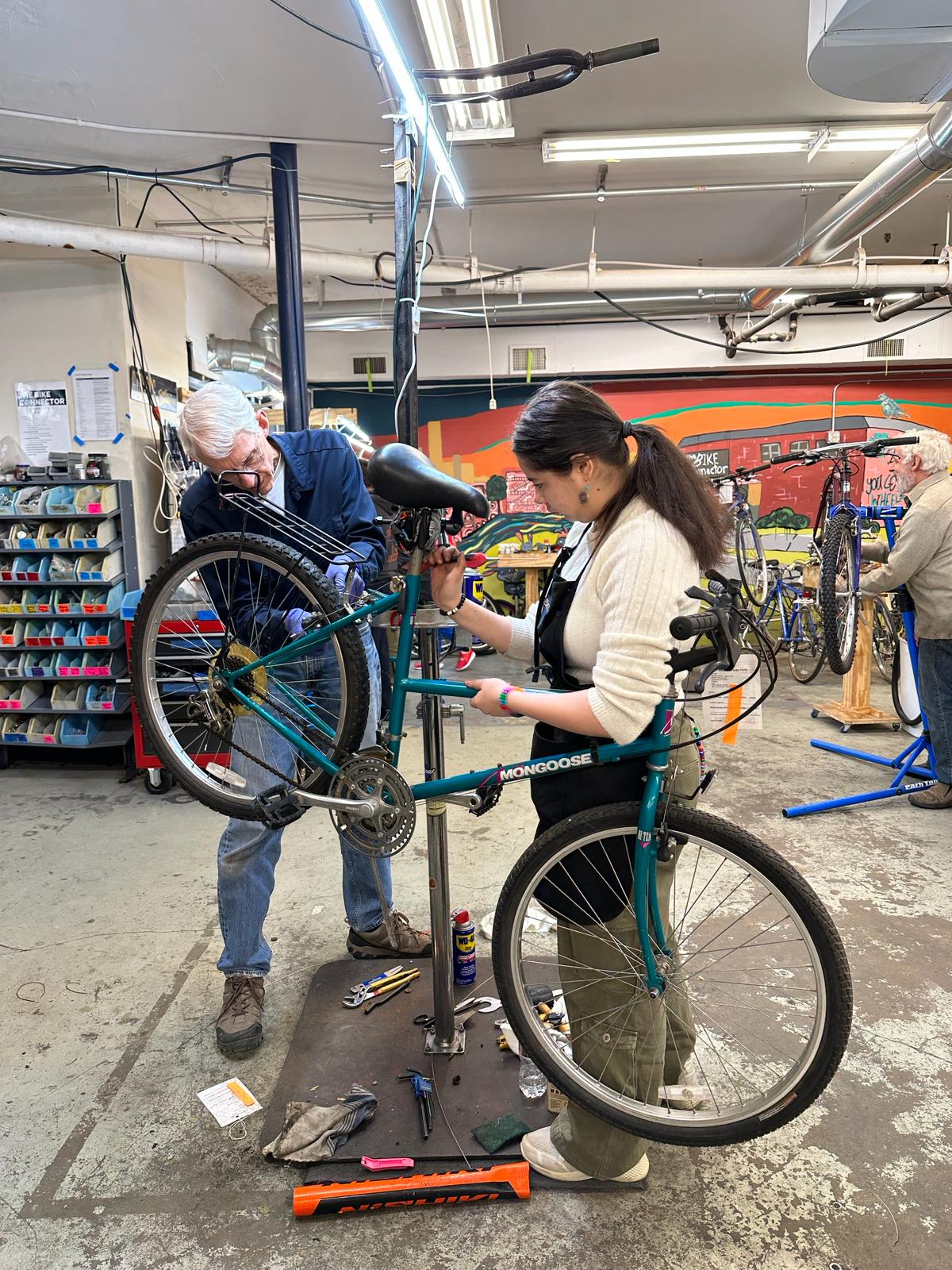
A long-time volunteer, community partner, and Leadership Council member, Wade Rubinstein recently joined IINE’s Board of Directors. As Founder and President of The Bike Connector, Inc. in Lowell, Massachusetts, Wade spends his days making bikes accessible and safe for everyone, including many IINE clients who bike to work, school, shopping and appointments. The son of immigrants to the United States, Wade has devoted many hours to supporting refugees, including helping to find housing for a family who fled Afghanistan and settled in Eastern Massachusetts. He brings deep experience in information technology, education, and entrepreneurship to his new role.   

We spoke with Wade to learn more about his family’s history, how his involvement with IINE has grown over the years, and what gives him hope as he thinks about the organization’s future. 

هل يمكنك مشاركة القليل عن نفسك؟

وايد روبنشتاينI am the son of immigrants. My mother’s family came to Boston in the 1920s after fleeing pogroms in Russia. My father, who grew up in a town that’s now part of Ukraine, was a Holocaust survivor. During the war, he was in hiding for 3 years. The Soviets liberated him in the spring of 1944. An orphan after the war, my dad lived in Displaced Persons camps in Czechoslovakia and Germany. He was smuggled into Palestine in 1946 and came to the U.S. as a refugee in the early 1950s to join family members who were already here. 

لقد شكلتني رحلة والديّ بطريقة أساسية. وبفضل مرونتهما وعملهما الدؤوب، أتيحت لي الفرصة لأصبح خريجاً جامعياً من الجيل الأول.

I studied computer science at Boston College (in the same class as IINE CEO and President Jeff Thielman!). After college, I worked at a Digital Equipment Corporation for 10 years, before going on to work at several telecommunications start-ups. In 2003, I left the field and pursued a degree in elementary education. I taught in West Newton for a couple of years. Then, I decided to open up an ice cream shop, Reasons to Be Cheerful, which I ran for eight years. I sold the shop in 2018 and founded The Bike Academy, which was an after-school bike riding program in Lowell and morphed into the nonprofit I run today – The Bike Connector  

I’ve always felt life is too short to not pursue your interests; it keeps things interesting! And for me, it’s felt like my opportunity to live the American Dream – which I can only do because of the choices and sacrifices my parents made.  

أخبرنا عن رحلتك إلى المعهد الدولي في نيو إنجلاند. 

From L to R: Lowell Education Manager Sherry Spaulding, Wade, Ungaye, and Lowell Managing Director Caroline Rowe at IINE’s World Refugee Day celebration, where Wade was inducted into the Lowell 100 in honor of his exceptional contributions to refugees and immigrants in the Lowell community

In 2017, I attended a Suitcase Stories® event in my community. Hearing the speakers share their migration stories piqued my interest, and I decided to get involved. I began volunteering with the ESOL team in Lowell. It was awesome. I met so many amazing people, including Ungaye – a refugee youth whom I remain close to today and who now works at The Bike Connector. I loved being in a classroom with immigrants from all over the world—a room filled with different languages and customs—as they learned English and about the U.S. The experience opened up my eyes and my heart.  

After establishing The Bike Connector, I noticed that many of IINE’s clients rode bikes. There was a clear need: bikes are an inexpensive means of transportation, don’t require a license, and are faster than walking. But often, the bikes the immigrants were riding were unsafe; they were broken, mis-sized, and at times, literally pulled out of the city’s canals.  

I began donating bikes to the ESOL students, and over time, the relationship between our organization and IINE grew. We’ve given bikes to Haitian and Central and South American immigrants, Ukrainian refugees, and Afghan refugees. IINE’s Case Managers bring their clients to us, and we get to be some of the first folks they meet in this country. In addition to providing bikes, we provide maintenance support so people can stay on their bikes. We also work closely with IINE’s refugee youth clients to teach them bike safety and the rules of the road.  

What motivates you to give to IINE? Is there someone you honor by doing so?  

Wade’s non-profit, The Bike Connector, provides refugees and immigrants with bikes and ongoing maintenance

My mother and father have passed, but at IINE, I see them in the eyes of the people we serve. These are people who have taken huge risks and are working really hard to provide their children with better lives, people who want to honor their cultures and traditions and also integrate and become American. I feel a real emotional connection to their stories.  

I also think about the help my father received when he first came to the U.S. HIAS, a Jewish American nonprofit, was instrumental in helping him navigate his new home, where everything felt complex and foreign, and find success. I see IINE providing that same life-changing support.   

I find it so upsetting how immigration has become such a divisive issue. I want to make sure immigrants feel welcome and supported here – that they find opportunity, just like my parents did. Their journeys aren’t easy, and they deserve our help.  

ما هي في رأيك أهم مسؤوليات عضو مجلس الإدارة؟

The primary responsibility is the fiscal sustainability of the organization. The board has to ensure the organization can adapt to where the winds are blowing – and IINE has proven it can do this. I’ve been so impressed with IINE’s board, executive team, and all of the staff. I’ve watched in recent years as the organization has navigated changing political winds, the fall of Afghanistan, the Russian invasion of Ukraine, and the humanitarian crisis in Haiti. IINE was able to scale and respond to crisis after crisis, and to do it all with such dedication and a big heart. That tremendous adaptability is only possible with exceptional staff and strong leadership.  

I’m looking forward to building on this work as a board member so that the organization, its staff, and the clients can all thrive.  

What excites you most about IINE’s future? 

There are over 100 million people who have been forcibly displaced around the world and who need a safe haven. That IINE is able to provide that safe haven and touch as many lives as we do – that makes me very happy. By providing support to find housing and jobs, learn English, and access legal services, IINE makes the transition to a new country a little easier. I’m excited for IINE’s impact to continue to grow.  

I’m also excited to see how IINE’s clients will give back, as I know they will. Whenever I’m hiring for an open position at The Bike Connector, the first place I look for candidates is IINE’s clients. If you can negotiate fleeing your home and coming to the U.S.—which for many people can take years or decades—you are clearly resilient. Those are the people I want to work with. They are highly motivated and make a positive contribution to their new country.

Welcoming immigrants truly benefits us all – it’s our nation’s diversity that makes it so awesome. I see people every day, coming from all kinds of backgrounds, making connections. Where else in the world can you see that? It gives me a lot of hope.  

يضم مجلس إدارة IINE قادة الشركات والمجتمع من جميع أنحاء نيو إنجلاند. اطلع على أعضائنا وفريق القيادة هنا.