metapixel
Перейти до основного змісту

Бостон
2 Boylston Street, 3rd Floor
Boston, MA 02116
617.695.9990

Лоуелл
101 Jackson Street, Suite 2
Lowell, MA 01852
978.459.9031

Манчестер
470 Pine Street, Lower Level
Manchester, NH 03104
603.647.1500

Звертайтеся
info@iine.org
iine.org

Контакти для ЗМІ
comms@iine.org

Слідуйте за нами


Пожертвувати

Our offices will be closed on Friday, June 19 in observance of Juneteenth.

Автор: Даніель Готьє

Знайомтеся, Білл Гіллетт.

Профіль співробітника: Зустрічайте Білла Гіллетта, директора з питань державної політики та адвокації

Having previously served on the Board of Directors, Bill rejoined IINE in 2024 as the Director of Public Policy & Advocacy. On our blog, he reflects on this new role, his history with IINE, and the key advocacy issues on which we’ve been focused in New Hampshire and Massachusetts.  

What’s your role as Director of Public Policy & Advocacy?

Bill (second from right) with, from left to right, MA Senator Ed Markey, IINE President & CEO Jeff Thielman, and IINE SVP & Chief Advancement Officer Xan Weber

This is a new role for IINE, created based on our significant growth and influence over the last several years as we have continued to meet the needs of immigrants arriving here displaced by war and political turmoil.  

I track state and federal legislation that affects refugees and immigrants in Massachusetts and New Hampshire, and across New England and New York City, and provide input to decision-makers—making sure that when they’re considering policy, they know the facts about our clients’ needs, strengths, and the benefits they bring to their communities and the workforce.  

The role also includes building public support for IINE, and for the overall cause of resettlement and immigration, including through coordinating with other agencies to make sure that our messaging to the public is consistent, and our dealings with legislators are efficient. 

What’s your history with IINE and how did you come to this role?

I was on the Board of Directors as first a member and then chair way back in 2008 (when IINE was much smaller) bringing New Hampshire perspective and connections to the table. At the time, Manchester Mayor Ted Gatsas decided it would be politically advantageous to prey on people’s suspicions about newcomers and fears that welcoming people meant having things taken away from them, by proposing a two-year moratorium on settling refugees in the city. I worked with other IINE Board members, federal representatives, and other agencies to convince the members of the Executive Council, who approve the state’s budget, as well as the New Hampshire Senate, that this was a baseless and harmful plan. They agreed. 

After my service on IINE’s Board, while my work in business and higher education took me in and out of the country, I remained on IINE’s Leadership Council and stayed very interested in immigration issues. IINE’s growth and the increasing public focus on immigration, including the misinformation now permeating the national and state debates, reiterated to me how important the work of IINE is to New Hampshire and Massachusetts. This year felt like the right time to come back and do what I can to help. 

On what key issues and legislation is IINE currently focused?

Well, this may change quickly—but one of the first things I did in this role was to address a bill being proposed in the New Hampshire Senate to make immigrants, even those authorized to live and work in the state, acquire permanent residence or citizenship before they can get driver’s licenses.  

The rationale given by the bill’s sponsors was that letting non-citizens have driver’s licenses would give them an avenue to vote. This was a response to a non-problem. Refugees and asylees are here legally and are authorized to work, we need them in the workforce, and they can’t get to work without driving. The police, DMV, and employers all want to make sure these residents learn the rules of the road and can contribute to the state’s economy.  

Working with partners, I explained this to some key senators and then testified before the senate committee considering the bill. The amendment was relegated for “further study,” meaning it is on hold at least for now. 

How about in Massachusetts?

Right now, there’s a lot of focus on many immigrant families living in emergency shelters and overflow sites. The shelters are at capacity, and we all want these families to get into permanent housing and move towards self-sufficiency quickly and sustainably. The eight Massachusetts-based resettlement agencies have been given some funding by the state to help with this, but it’s a very challenging and complicated task involving a tangle of intermediaries, a very sparse affordable housing market, and rapidly changing rules around how long people can stay in various short-term shelters.  

This is a problem that can only be solved with cooperation and communication. IINE is taking the lead in coordinating the resettlement agencies involved and is the “spokesperson” in representing the needs of our clients to the press and lawmakers. We’re conveying what families communicate to us, trying to make sure everyone understands their needs and experiences, and trying to give them the necessary support so they can move into a phase of basic safety and security, supporting themselves and helping to strengthen our communities. 

Bill at IINE’s annual Ride for Refugees and Immigrants

What are you most passionate about professionally?

I’m passionate about having the ability to work in a position and in an organization where you can make a real difference in people’s lives. I found this in education and decidedly here at IINE. I believe in the essential part that immigration and immigrants themselves have contributed, and must continue to contribute, in creating and maintaining our successful and vibrant national society and economy.  

What do you enjoy doing in your free time?

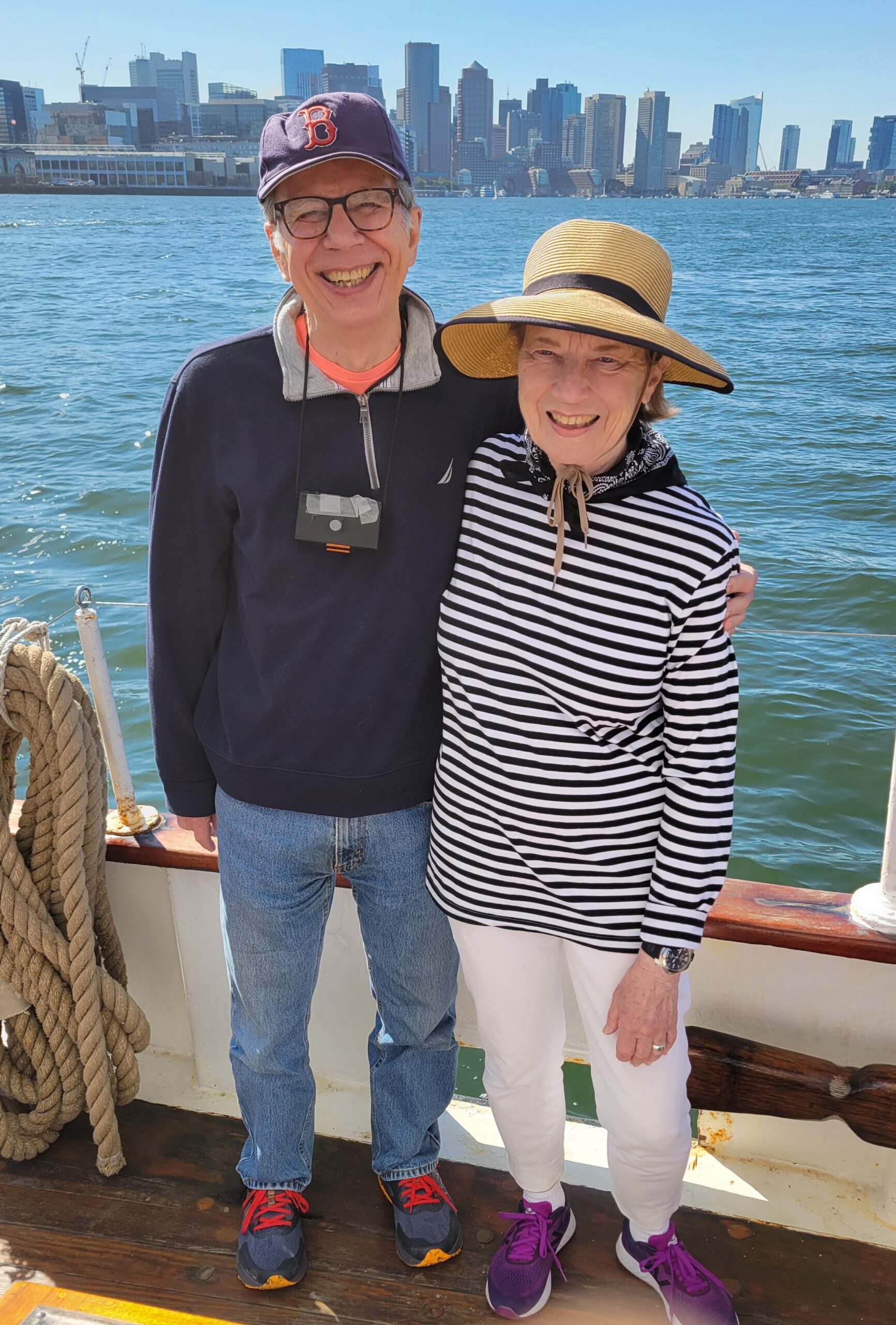
Spending time with family is always top of the list followed by cycling, spending time outdoors with our dogs, sailing, kayaking, and skiing. 

Learn more about IINE’s advocacy efforts, from when we first opened our doors over 100 years ago to today, in our Spotlight Report: On Advocacy

Чому гаїтяни тікають з дому та з якими проблемами вони стикаються в США.

5 речей, які потрібно знати про кризу на Гаїті

Чому гаїтяни тікають тікають свій дім та виклики, з якими вони стикаються стикаються в у США.

Declaring independence in 1804, Haiti became the first free Black republic in the world. Two centuries later, it is a country of resilient people and exceptional island beauty. Sadly, after centuries of foreign intervention, occupation, and coerced debt, political instability, and natural disasters, this nation of 11.5 million people is also the poorest country in the Western Hemisphere. Over the past three years, the number of Haitians forced to flee their country has grown rapidly.  

The International Institute of New England has become New England’s leading resettlement provider for Haitians, having served more than 16,000 Haitian individuals and families in recent years. But how did we get here? And what is life like for Haitians once they arrive in the U.S.? Here are 5 things to know about the crisis of Haitian displacement.  

1. Гаїті пережило довгу і складну історію іноземного гноблення, експлуатації та інтервенції.

As a result of this history, Haiti edges toward collapse. The Caribbean nation suffers from political instability and corruption; gang violence; drug trafficking; human trafficking, and high incidents of kidnapping, sexual and gender-based violence, police brutality and homicide. Acute hunger affects 1.6 million Haitians. The justice system has disintegrated. Nearly 900 schools have shuttered their doors, leaving 200,000 children without access to further education. As hospitals overcrowd and close, the maternal and neonatal mortality rate has risen to the highest in the Western Hemisphere. Humanitarian agencies now estimate those requiring aid number 5.5 million. This has forced people to leave Haiti by the hundreds of thousands. 

2. Гаїті потерпає від руйнівних стихійних лих, які забрали сотні тисяч життів і змусили мільйони людей залишити свої домівки.

In January of 2010, Haiti experienced its most devastating natural disaster to date. A large-scale earthquake killed more than 220,000, injured 300,000, and displaced 1.5 million people. Then, in 2021, another earthquake rocked the southern part of the country, killing 2,000 people and displacing tens of thousands more. Days later, a tropical storm wreaked more havoc in that part of the nation. An earthquake struck in 2023, again causing massive social upheaval and killing more than 2,000 lives. The mass destruction of these natural disasters has caused enormous humanitarian need. While many countries have stepped up to provide foreign aid, it has been significantly mismanaged by nongovernmental agencies. 

3. Нестача води і голод погіршуються з кожним днем і зараз впливають на мільйони гаїтян по всій країні.

Haiti is a small island with a massive population for its size. More than 50% of Haitians are currently experiencing food insecurity, and nearly a quarter (22%) of the nation’s children are considered malnourished. In addition, two-thirds of the population lack proper sanitation services, and a third does not have access to clean water. Widespread famine, water scarcity, and weak infrastructure are the result of a history of underdevelopment. Natural disasters have worsened conditions, as they have disrupted agriculture country-wide. 

A lack of clean water, sanitation, infrastructure and social services has left Haiti vulnerable to widespread disease. In October 2022 a cholera epidemic swept across the island, infecting more than 13,000 people. The most vulnerable population are those internally displaced people who have fled their homes. 

4. Для гаїтян, які прийняли важке рішення покинути рідну країну, подорож до США є небезпечною і не завжди успішною.

The journey to the U.S. border is long and difficult. Many Haitians fly first to South America and then travel through Central America, enduring long stretches by bus and on foot. Others attempt the journey by boat, leaving directly from Haiti. There have been numerous instances of these boats carrying hundreds of immigrants capsizing, leading to injuries and drownings.   

5. Опинившись у США, гаїтяни отримують обмежену підтримку.

Most Haitians who entered the U.S. in recent years were granted a “parole” status, which allows them to remain legally for a period of up to two years, access limited financial assistance, and apply for public benefits through resettlement agencies like IINE. Many Haitian families spend their life savings on their journey to the U.S. and arrive with no resources, homeless and forced to stay with acquaintances or other community members in crowded living spaces, or to stay in shelters. They commonly have little fluency in English and limited access to language classes. While eager to secure jobs, many Haitian entrants do not have the means to hire an attorney to support their employment authorization applications. Many are denied and many others experience delays of up to one year for approval. 

- - -

More than one million people of Haitian descent live in the U.S., and the third largest Haitian diaspora outside Haiti resides in Massachusetts. Haitians are integral to the United States: enriching our culture, strengthening bonds across communities, and bolstering our economy.

The recent decisions to end Temporary Protected Status for Haiti and the CHNV (Cuban, Haitian, Nicaraugan, Venezuelan) program are unjustly targeting immigrants who came to our country through legal pathways. To strip these families and individuals of work authorizations and legal protections, and to force them back to the unlivable, dangerous counditions from which they fled is inhumane. 

The International Institute of New England remians committted to continuing to support the Haitian immigrant community in every way we can.

Sources: Al Jazeera, BINUH,Center for Disaster Philanthropy, Council on Foreign Relations, Human Rights Watch, Médecins Sans Frontières, Reuters,UN Human Rights Office of the High Commissioner, UNICEF, United States Census Bureau, USAID, World Health Organization, and World Vision.

Що, якби США сказали "ні" іммігрантам?

10 ways extreme immigration restrictions and crackdowns would negatively affect us all

Immigration policy has been a flashpoint issue of the 2024 election. Negative myths about immigrants have dominated campaign attack ads, U.S. leaders are divided on immigration policies, and the the platform of a major political party seeks to ban immigration from several countries, militarize immigration enforcement, enact mass deportations, end family reunification, and use “extreme vetting” to reduce legal immigration.

Here are 10 ways these policies would affect your daily life and our country as a whole:

1. Food would get EVEN more expensive.

Immigrants represent about 21% of all workers in the U.S. food supply industry, playing large roles in everything from farming and food production, to distribution, to grocery wholesale and retail. Labor shortages and supply chain interruptions would lead to higher prices for food.

2. Medical care would be harder to get.

About 26% of doctors and surgeons and 40% of home health care aids are immigrants. As the U.S. population ages, the need for care is increasing. Meanwhile, practitioners are retiring. A labor shortage would lead to dangerous gaps in care, longer wait times, and strain on providers which could lower the quality of care.

3. Our country would become far less diverse. 

We would lose the variety of cultures and the blending and remixing of ideas, language, artistic expression, and traditions that make U.S. life so rich—elements of life we now take for granted, from eating pizza, tacos, and sushi; to practicing yoga and meditation; to dancing salsa and bopping to reggae, to cheering on Rafael Devers and Al Horford.

4. Your neighborhood would likely get more fearful and less safe. 

The constant threat of profiling and deportation would put many Americans on edge, leading to community tension and more fear of law enforcement and other government officials. Studies show that immigrants are less likely to commit crimes than non-immigrants. Less trust and unity is more dangerous for everyone.

5. Businesses would suffer.

Major U.S. industries like construction, manufacturing, hospitality, and technology are highly dependent on a mix of specialized immigrant and U.S.-born workers. In Massachusetts, immigrants staff our hospitals and universities, engineering and manufacturing firms like G.E. and Raytheon, and biotech companies like Moderna and Biogen. Removing one group of workers from the equation would wreak economic havoc. Immigrants also tend to be more entrepreneurial—on a per capita basis they are 80% more likely to start new businesses.

6. We would no longer have the world’s best universities.

We’d lose the ability to draw and train the best professors, researchers, and students from throughout the world and benefit from their contributions to our country. This would particularly affect Boston, a city whose character is shaped in no small part by its ability to draw talented and driven people from throughout the world to Harvard, M.I.T., and more than 60 other area colleges and universities.

7. Our economy would lose $900 billion over 10 years in tax revenue and consumer spending.

Because the U.S. population is rapidly aging and dwindling, and newcomers tend be younger and have larger families, we would be, on average, a far less youthful and populous country. Immigrants account for 13% of the U.S. population and 77% are of working age. Whether citizens or awaiting status, they are consumers, workers, and taxpayers.  

8. The innovation that has defined our country would halt.

From inventing the telephone to the polio vaccine, Hollywood movies to Levi’s jeans, microprocessors to Internet search engines, U.S. immigrants have driven innovation globally. Immigrants are directly responsible for a quarter of all patents in the U.S. We would lose the edge of attracting the best and brightest to experiment, develop, and invent here.

9. We would forfeit our leadership as protectors of freedom, democracy, and the oppressed.

Slamming our doors on people fleeing persecution, tyranny, violence and environmental catastrophes would violate our humanitarian values, and in many cases, international law. We would lose the trust of allies and much of our influence over international conflicts and policy.

10. Millions of American families would be permanently torn apart.

У США 1 400 дітей, які були навмисно розлучені зі своїми сім'ями через імміграційну політику попередньої адміністрації, досі не возз'єдналися. 5,5 мільйонів американських дітей наразі живуть принаймні з одним недокументованим членом сім'ї. Ще багато мільйонів дорослих чекають на возз'єднання з членами сім'ї за кордоном, чиї візи затримуються через черги. Всі ці американські діти і сім'ї будуть відкинуті і покинуті нашим урядом.

- - -

The good news is, we still have a choice. We can advocate to remain a land of opportunity, diversity, and refuge.

1985-1994: Захист мешканців Нового Бостона

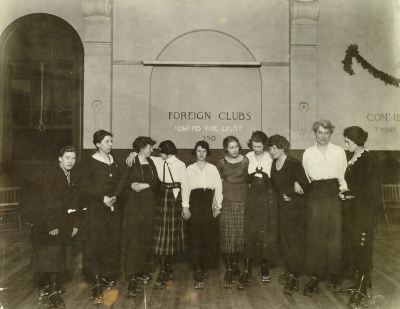
Welcome to the eighth installment of our series “100 Years of Welcome: Commemorating IINE’s Boston Centennial.” The previous installment, “1975–1984: Refining Refugee Resettlement,” described the International Institute of Boston (IIB)’s resettlement of refugees of the Vietnam War and the increased government partnership and scaled up services made possible by the Refugee Act of 1980, including stronger legal services and new programs addressing mental health challenges. 

The passage of the Refugee Act in 1980 increased refugee admissions and created the federal Office of Refugee Resettlement. This led to new growth, collaboration, and support for the International Institute of Boston, which shifted its chief focus in the early 1980s to refugee resettlement to meet the displacement crises created by the Vietnam War.  

Refugee Training program 1988
A refugee client participates in a training program in 1988

IIB continued to support South Asian refugees throughout the 1980s, particularly in 1988, when the federal Amerasian Homecoming Act admitted to the U.S. thousands of refugee children of mixed American and Vietnamese parentage whose heritage was a source of discrimination in Vietnam. IIB resettled hundreds of these children and their families, welcoming them into the growing Vietnamese communities in and around Boston, and launched the Alternative Education Project to help them learn literacy, English, and math. Throughout the 1970s and 80s, new attorneys and paralegals joined the Legal Services team to help refugees through the complicated process of applying for citizenship, and to reunite their families in the U.S. 

Welcome for Post-Cold War Refugees

Soon after, when the Berlin Wall fell in 1989, bringing the Cold War to an end, IINE welcomed thousands of Jews fleeing persecution under Soviet regimes. Also welcomed were many refugees from the former Yugoslavia, where a civil war had led to ethnic cleansing and other mass atrocities. As brutal conflicts erupted throughout Northern Africa, IIB welcomed refugees from Ethiopia, Eritrea, Somalia, and Sudan.  

At the same time refugee arrivals were surging, however, federal funding for refugee resettlement was decreasing dramatically and by the mid-1980s IIB’s staff and operations were forced to contract. By 1985, IIB had reduced to a small but mighty crew of staff members who spoke a collective 17 languages, including attorneys and paralegals who had been added to bolster the Legal Services team. For a time, IIB’s principal program focus became legal services and advocacy. 

Legal Clinics and Emergency Assistance

1986 was a particularly momentous year for the Legal Services team as IIB launched the first immigration legal clinic of its kind in the area. In weekly workshops, the clinic provided Boston’s immigrant community with assistance in completing immigration forms and preparing their applications for permanent residency and citizenship.  

That same year, IIB formed the Immigration Detainees Emergency Assistance (IDEA) program, bringing together 50 local attorneys to free people being held at an immigration detention center in Boston’s North End. Headed by an IIB paralegal and funded by The Boston Foundation and Lawyers Committee for International Human Rights, the IDEA program provided training to volunteer lawyers, assisted with interpretation and document preparation, monitored hearing dates, and raised bond money to help safely extricate those detained.  

A Partner in Reform

It was also in 1986 that a blockbuster Immigration Reform and Control Act was signed by President Ronald Regan, dramatically altering the landscape in which IIB operated. The bill balanced stricter border controls and penalties for hiring undocumented workers with large-scale amnesty for the nation’s population of undocumented immigrants—a tremendous opportunity for foreign-born individuals living in the U.S. without secure legal status to obtain permanent residency and pathways to citizenships. All immigrants who had entered the U.S. before 1982, and all immigrant farm workers who could prove that they had been employed for at least 90 days, were eligible. There was a one-year window to apply, and doing so required a fee, fingerprinting, and a whole host of paperwork. IIB was one of several agencies throughout the country designated to help immigrants complete applications, through which about three million Americans gained legal status. 

IIB staff and clients in the 1990s

Many of IIB’s legal services today are shaped by the other major reform of the era: the Immigration Act of 1990. This act created Temporary Protective Status (TPS) to admit people from countries plagued by armed conflict, environmental disasters, or other extreme threats, and permitted them to work while in the U.S. It raised the caps on both immigrant and refugee admission, created a new preference category for family immigration, and allowed employers to apply for temporary visas to hire skilled workers. 

Also, in another counterweight to the “quota system,” which, from the 1920s through the 1950s had restricted immigration by country largely based on ethnic discrimination (against which IIB had fought passionately), the Immigration Act of 1990 also created the “Diversity Lottery” to grant visas to people from nationality groups currently underrepresented in the U.S. This Act was not only another step forward in increasing the nation’s diversity, but also another victory for family reunification. In the mid-1990s IIB began working with families to help their eligible family members living abroad apply for this lottery in the hopes of being reunited.  

Victim Assistance and Advocacy

While working to secure legal rights for Boston’s immigrants and refugees, IIB was also helping to ensure they were welcomed by neighbors and community members and working to protect their physical and mental health and safety. IIB’s Social Services department connected newcomers to counseling and crisis intervention support services, including a Victim Assistance program for those who had faced assault, racial harassment, or domestic violence. IIB partnered closely with the Asian Task Force Against Domestic Violence and became the first agency of its kind to offer resources for responding to domestic violence in a beginning-level English-language class.  
 
To help protect rights and promote support for newcomers throughout Massachusetts, in 1987, IIB joined with other local resettlement agencies, immigrant-led community organizations, faith-based organizations, civil and human rights advocates, and providers of social, legal and health services to found the Massachusetts Immigrant and Refugee Advocacy Coalition (MIRA). The Coalitions first Executive Director was former IIB Program Director Muriel Heiberger. Highly active today, MIRA is now 100-organizations strong. 

New Partners and Frontiers

An IIB volunteer helps two Russian refugees as they apply for permanent residence in 1992

During the 1990s, IIB’s service ambitions continued to exceed its size, inspiring more new partnerships. One way the agency was able to expand capacity was to invest in volunteer training programs, bringing community members directly into the work of welcoming newcomers. Once trained, a crucial new corps of volunteers was integrated into both direct service and education programs.  

In 1994, IIB connected with a community group that was serving refugees in the nearby gateway city of Manchester, New Hampshire, and opened its first field office outside of Boston, paving the way for what would later become the multi-site International Institute of New England.  

- - - 

Today, IINE’s Immigration Legal Services team continues to help persecuted immigrants, including thousands with Temporary Protective Status, to apply for permanent residency and citizenship and to reunite their families. It also helps businesses to apply for temporary visas to employ skilled immigrant workers. IINE leadership sits on the Advisory Council of today’s Massachusetts Immigrant and Refugee Advocacy Coalition. Hundreds of community volunteers are integrated into across our organization in all departments. Our Manchester site serves more than 1,000 refugees and immigrants from countries throughout the world with housing and basic needs support, education, career services, legal services, and advocacy.  

У рік нашого сторіччя ми святкуємо 100 років підтримки біженців та іммігрантів у Великому Бостоні, яка змінила їхні життя, і готуємося до другого століття нашого служіння. Дізнайтеся більше тут: Століття IINE в Бостоні.

Влада Халізієва

"Я знаю, як бути біженцем. Тепер я хочу допомагати людям": Подорож Влади з охопленої війною України до Нью-Гемпширу

“In One Moment”

Vlada has found safety in New Hampshire after fleeing her war-torn home country of Ukraine

У 2022 році в рідній країні, Україні, Влада розпочала роботу "своєї мрії", працюючи менеджером соціальних мереж, після того, як минулого року отримала ступінь магістра лінгвістики.

“It was a job that I was so loving,” Vlada says, “but everything finished in one moment. In the days that the war started, I lost my job.”

Vlada and her family had been living a quiet and peaceful life in what turned out to be the wrong place at the wrong time.

“I lived in Kharkiv, which is on the border of Belarus and Russia,” she explains, “and it was the most attacked city from the first day the war started. We were the first people who heard, like, this sharp noise outside, and at first thought it was just something like fireworks—but it was starting at four in the morning, so yeah, it was something else, and it was really scary.” 

“After Three Days…We Were Alone” 

Kharkiv was the first major target of Russia’s sudden and unprovoked invasion of Ukraine. It was bombed relentlessly, forcing its residents to make terrible calculations.

“Maybe three days after the war started, we were alone,” Vlada says, “like without any public transportation, without any groceries, supermarkets—everything was closed. Maybe 30% of people left, and moved to other cities, or they started to cross the border. Some just stayed there. We were among those who stayed—who didn’t believe the war could happen. Everyone thought that the war would finish in three days, that everyone just could communicate together and find a way to solve the problem.” 

Vlada lived on the eighth floor of a nine-story building whose residents included many children. As destruction surrounded them, they scrambled to figure out how to remain safe, often huddling in the basement. The closer the bombing got to them, the more isolated they became.

“We didn’t have our car or any transportation to move or to leave. We lost Internet connections. We lost any connection with the world around us. We didn’t know what was happening and we couldn’t call anyone to say that we were still alive” 

Still, Vlada and her family clung to hope that the bombing would soon pass and recovery would begin. 

“Each day you were thinking like, OK, that building was crushed, but you will survive, and your building will survive even after everything, and maybe someone will come in to help you. Someone will provide transportation to evacuate you, or whatever else. But our part of the city was blocked, and all that we saw were a lot of tanks crossing around our apartment and the like.” 

“I Don’t Really Understand How We Survived” 

After the second attack, Vlada and her family had no choice but to leave. 

“We just took our two cats and, like two bags, and started to run out from the building.” 

Vlada’s grandfather lived about twenty minutes away. They couldn’t contact him and had no idea what they’d find when they reached his home. Fortunately, it proved to be a safe place. The next day, a friend of Vlada’s father was able to pick them up there and drive them out of Kharkiv and into the countryside where they stayed for about three months, recovering and planning their next moves.  

Vlada’s father found a new job in Kharkiv and he and her mother decided to rent a new apartment there. Vlada’s godmother found a sponsoring family in the U.S. through the Uniting for Ukraine program, and she and Vlada set out together for Nashua, New Hampshire.

“When I just crossed the border to Poland, I started to breathe, because I was in a safe place, even though not yet in the United States, I felt, OK now I’m safe. I don’t need to be afraid all the time that something will happen. And when I reached the United States, I felt that way even more.” 

In the first few days, Vlada remembers taking great comfort in eating simple foods that had stopped being available in Ukraine—fresh fruits and vegetables—and ice cream.  

Her sponsors helped her begin to navigate living in the U.S. They introduced her to the city, U.S. culture, and other Ukrainians in the area.

“I really appreciated their help. They opened the door to the safe life without bomb attacks every day.”

To help her secure benefits and work authorization, and learn how to find a job in the U.S., the family connected Vlada to the International Institute of New England which has offices in nearby Manchester. There, she met her Case Manager, Sarah Niazai, now a close friend.

But within two weeks of getting adjusted, the unthinkable happened. Vlada called her mother in Kharkiv, who explained that there had been a break between bomb attacks, but they had started up again.  

“She started to cry and she was so scared. She said, ‘I can’t find Dad. I think he’s been killed.’” 

“I Want to Help People” 

Still reeling from this news, Vlada threw herself into her job search. She found part-time work at a T.J. Maxx clothing store, as a Teaching Aid for English for Speakers of other Languages classes at an adult learning center, and as Front Desk Manager at a dental office. She accepted them all at once and worked 56 hours/week. Vlada was emotionally and physically exhausted, but this was what she needed to do to get by. 

Once she found her footing, she shifted to more work that would allow her to help fellow immigrants, spending a year coordinating and providing language interpretation. She still kept her eye on job postings, and something was sparked in her when she saw an opening at the International Institute of New England. She remembered the help she had received there when she needed it most.

“It was like, OK, I really need this position! I want to help people. I know how to be a refugee, which is great experience! This is a job to provide a lot of support for people whose experience I can understand. 

“I Know Something About That” 

Now an IINE Case Manager with clients of her own, Vlada says that, while it has its own challenges, it feels rewarding to use her incredibly difficult experience to help fellow refugees and immigrants.  

“There are a lot of clients coming in with trauma and I can be like, yeah, I know something about that.” It may be different— I have many clients who are Afghan women who dealt with the Taliban, and yeah, I haven’t had that experience—but I can try to help them. I can try to support them, just by telling them that right now they’re in a safe place and they can get back everything they lost in their country.” 

Vlada herself feels like she’s in a good place now.

“I’m taking things day-by-day. In my past I was the kind of person that planned a lot for the future. Then everything crashed in a moment. I still love Ukraine. I want to return one day and to get another life there. But right now, I so appreciate the United States, who helped us a lot. I appreciate the people I work with, who are really nice. I love them all, and they’re good friends. And yeah, they support you when you need it.” 

---

Refugees and immigrants make long, difficult journeys to escape violence and rebuild their lives in the U.S. You can give them the help they need to start fresh today. 

"Як здійснення мрії": Шлях Фарішти від афганської біженки до громадянки США

“It is like a dream come true. It is the biggest day of my life. After all the problems and long journey, finally I achieved what I wished for. I am also so glad that I am working in such wonderful environments and supporting refugees to achieve the goals of their life.” 

On August 14, 2024, Farishta Shams, a former Afghan refugee and current IINE Resettlement Services Manager, was sworn in as a U.S. citizen along with her husband. Farishta was an IINE client when she first arrived in the U.S. in 2019. She became an IINE client once again this past February when she began working with the Immigration Legal Services team to apply for her citizenship. 

Helping Women Meant Life as a Target 

When asked about the “problems and long journey” she was thinking about on her day of celebration, Farishta smiles and says, “Oh, this will be a story.”   

Back in Kandahar, Afghanistan, Farishta worked for the United States Agency for International Development (USAID).  

Farishta in Afghanistan
Farishta and her USAID colleagues in Afghanistan

“It was a bit of problem working with the U.S,” she says. “You had to hide your identity and home address and everything. While I was working for the USAID project, I had been attacked by the Taliban twice in the car while going to or from work.” 

The Taliban was not the only threat.  

“We were providing trainings for woman to know how to start up small businesses, and there were some husbands who didn’t like women to work, and so there were times when these husbands or their relations were also trying to create a problems for us.” 

In order to help fellow Afghan women, Farishta frequently felt like a fugitive and essentially had to live a double life. 

“During the whole journey, my nine-year experience, I changed my home multiple times. I even had to hide myself for months because they found everything. I spread the word to everyone that I had resigned my job, that I was just a teacher. I was leaving my house at 6:00 a.m. and coming home at 5:00 p.m., acting as a teacher, but really I was working for the government. It was not only my problem, it was entire family’s problem—the Taliban could target my entire family.” 

After Farishta was attacked in her car for the second time, she told the head of her project at USAID. He began the process of helping her apply for a Special Immigrant Visa so she could flee to safety. Farishta says it typically takes three to five years to get a Special Immigrant Visa approved to come the U.S., but because she had been attacked while working for them, USAID helped her get her visa within two.  

“A New Life” 

“The day I reached Kabul airport, and then arrived at Dubai, I felt like I found a new life,” Farishta remembers. “I never had felt that happy—that nobody is following me, nobody’s calling. I felt that I had caused problems but that now my family would no longer be at risk because I had left.”  

When she arrived in the U.S., IINE helped Farishta and her husband resettle in Lowell, Massachusetts. “They really helped me with housing, with applying for benefits, finding me a job and showing me how to complete my bachelor’s degree. I also took classes to improve my English.” 

Farishta was deeply impressed with IINE’s staff and the support she received, and recognized the work as similar to what she had been able to do with USAID. She felt that working at IINE would now be her dream job. She was thrilled when, in 2021, she was able to join the organization as an IINE Case Specialist. 

“The experience of helping people, it’s really another dream come true working here,” she says. After a year, she was promoted to her current role as a Resettlement Services Manager. 

“Now It’s My Own Country” 

Farishta at her naturalization ceremony

Last February, Farishta reached out to IINE’s Immigration Legal Services team about she and her husband applying for citizenship. Staff Attorney Pooja Salve was assigned to their case.  

“Pooja did a really good job!” Farishta says.” It was very smooth and easy process. She helped fill and check the paperwork. She had a mock interview with us that really helped us get an idea of what is expected of you. She updated us on every application status.” 

Farishta went into her citizenship interview prepared. “I was practicing for the questions every ten minutes, every night!” she remembers.  

“Every exam has some anxiety. I thought a huge officer with a big heavy voice would come in and take my interview—you know officers can be scary—but then when a lady came in and called me, she was so sweet! I was shocked! When she asked the questions, my anxiety went away, and the process ran smoothly.” 

As soon as she learned she had passed, Farishta pulled out her phone. “First of all I reached out to the team at IINE to tell them that I had passed!” Then she went on to her swearing-in ceremony.

“That was really exciting for me! I feel like now it’s like I’m originally from this country! We just registered to vote. It’s like our own country!”  

Farishta is also excited to finally have the freedom to travel. Because her father worked with the Canadian government, much of her family resettled there. She also has a sister in Germany whom she’s been longing to visit. Her new Green Card and passport will make many joyous reunions possible in her future.

“It really is a dream come true,” she says.  

---

Refugees and immigrants make long, difficult journeys to escape violence and rebuild their lives in the U.S. You can give them the help they need to start fresh today. 

Suitcase Stories®: Іштар, іммігрантка з Гаїті, розповідає, чому вона приїхала і чому залишається

Іштарнещодавня іммігрантка з Гаїті, працює на посаді Cасистенткою в IINE в Лоуелліу Лоуеллі, штат Массачусетс. в офісі. Іштар поділилася своїми Suitcase Stories® виступом з багатьма глядачами, розповідаючи про свою хроніку and її батька подорож до США в пошуках медичної допомоги, і еволюцію її стосунківs як як з ним, так і wз країною. в якій вона зараз проживає.. Це історія історія з її власних слів.

Близько двох років тому мені спало на думку, що я маю стати батьком мого батька. Я був на Гаїті, і мій батько був дуже хворий. 

Іштар з батьком на Гаїті

Всією сім'єю (бо одного голосу було недостатньо) ми повинні були переконати його піти в лікарню. Він не хотів, і на той час не відвідував жодного лікаря. Його "лікарем первинної медичної допомоги", як ви називаєте це тут, був його молодший брат, який також був моїм лікарем, але він був убитий за рік до того під час жахливої спроби викрадення. Відтоді у мого батька не було сімейного лікаря, і він не довіряв багатьом лікарям. Він був дуже впертим; я чула, що це сімейна риса, але не хвилюйтеся, моє покоління вона оминула (ви не можете довести, що я помиляюся)!

Так чи інакше, через пару днів ми переконали батька, і він погодився поїхати в лікарню. Коли ми приїхали туди, мені сказали, що перш ніж він потрапить до лікаря, я повинна зайти в приймальне відділення. Клерк запитав мене про страховку мого батька. Хоча мій батько пропрацював на уряд близько 50 років, у нього не було хорошої страховки, тому він був застрахований у мами - або ми так думали. Коли я подав її картку, вони перевірили її у страховій компанії, а потім сказали мені, що мій батько більше не має права на страховку, оскільки йому було більше сімдесяти років. Тоді я зрозуміла, що, очевидно, на Гаїті, коли вам за сімдесят і ви, як правило, найбільше потребуєте медичної допомоги, ви більше не маєте права на її отримання. Тож мені довелося віддати свою кредитну картку на місці, щоб забезпечити собі елементарну медичну допомогу.

Тоді я працював близько шести років, тож заощаджень було небагато; ви ж знаєте, що молодь робить з грошима! Не на тусовки... на шопінг. Я все одно дала свою картку, бо не мала вибору. Мій батько потребував термінової медичної допомоги. Він провів близько тижня в лікарні, йому стало трохи краще, але стало зрозуміло, що ми повинні робити більше, тому що нічого не вирішувалося.

Дядько Іштар Ернест, сестра Крістіна, батько та сестра Аріанна

Востаннє мій батько був у лікаря близько 6 місяців тому. Той лікар поставив йому діагноз "рак 4 стадії" і твердо заявив, що на Гаїті його неможливо вилікувати. Він порекомендував виїхати до Домініканської Республіки, Куби або Сполучених Штатів Америки, щоб мати шанс вижити. Ми розглянули всі варіанти. На той момент у мого батька була американська віза, але замість того, щоб звернутися по медичну допомогу, він дозволив їй закінчитися. Упертий.

Однак тепер ми не могли більше вдаватися до бездіяльності і сподіватися на краще, оскільки мій батько страждав, не в змозі вгамувати навіть свій сильний біль. Я попросив своїх дядьків і тіток поговорити з ним, і ми нарешті змогли переконати батька переїхати. Ми з ним поїхали до США, а коли прилетіли, то одразу з аеропорту поїхали до Бостонського медичного центру. Це була довга подорож, мій батько був втомлений і страждав від сильного болю.

І ось я знову опинився в холі лікарні, дуже схвильований, тому що у мене не було дійсної кредитної картки в цій новій країні, а у мого батька все ще не було страховки. Але сюрприз! Вони про це не просили. Незабаром його прийняли, і він провів там близько тижня. Після цього ми поїхали додому до мого дядька, який люб'язно нас прийняв. У мене багато дядьків і тіток у цьому штаті, і це головна причина, чому ми вирішили приїхати до Массачусетсу, окрім того, що я чув, що це один з найкращих штатів, коли йдеться про охорону здоров'я. Я можу це підтвердити: у мого батька була чудова команда в BMC.

Іштар з батьком на весіллі сестри

Хоча я був головним опікуном мого батька вдома, я все ще працював на свого роботодавця на Гаїті. Вони поставилися з розумінням і дозволили мені працювати віддалено. Я була координатором спонсорської програми, підтримувала школи у віддалених громадах і допомагала вразливим дітям отримати доступ до якісної освіти. Я багато працювала, і не просто працювала, бо мені це подобалося! Я постійно подорожувала в нові місця, ніколи не відходячи далеко від пляжу, знайомилася з новими людьми, започатковувала ініціативи з розширення прав і можливостей, і сама розширювала їхні можливості. Мені це подобалося, але невдовзі мене звільнили. Організація, з якою я працювала, американська неурядова організація, скорочувала всі операції на Гаїті. Вони просто не могли більше підтримувати свою діяльність у країні, оскільки погіршення ситуації зробило її надто небезпечною.

На щастя, у мене була можливість подати заяву на отримання дозволу на роботу, тож я розпочав цей процес. Коли я розповів про це батькові (бо ми говорили майже про все), він попросив мене подати документи і за нього. Ну, я не міг відмовити на підставі того, що він невиліковно хворий, тому я сказав: "Тату, я думаю, що пенсійний вік тут 65 років, тому тобі не потрібен дозвіл на роботу". Він відповів: "А ти знаєш, скільки років Трампу і Байдену?". Мушу визнати, що він мене зачепив, і я не мав жодних аргументів, тому залишив його в спокої. Насправді мій батько все ще сподівався, що він повністю одужає і зможе працювати. Він навіть продовжував стверджувати, що хоче повернутися на Гаїті. Але ми з сім'єю знали, що це нереально.

Невдовзі він помер, лише через два місяці після того, як потрапив сюди. Ми приїхали надто пізно для лікування, йому надали лише паліативну допомогу. Але я все одно була щаслива, бо на Гаїті було складно організувати догляд за моїм батьком. Це був клопіт між нами трьома, молодшою сестрою і двоюрідним братом. Але тут у мого батька було дев'ять братів і сестер, і він провів свої останні місяці в оточенні родини. Родичі мого батька і його старші діти приходили, щоб провести з ним час. Вони щодня приносили їжу в лікарню (бо, звісно, тато не любив лікарняну їжу). Я також був щасливий бути в місці, де я був звільнений від тягаря і щоденного стресу, що я не зможу піклуватися про мого батька, тому що він отримував необхідну підтримку. Я була вдячна за те, що він міг померти якомога гуманніше.

Зліва направо: Сестри Іштар Крістіна та Аріанна, Іштар, її сестра Ноамі та її батько Прайс 

Це була одна з головних причин, чому я вирішила залишитися в США і хотіла зробити свій внесок у це суспільство. Я вважав правильним, щоб мої податки йшли на такі важливі речі, як здоров'я мого батька. Його 50 років гордої праці та сплати податків на Гаїті принесли йому дуже мало користі. Я був розчарований, і, незважаючи на мою любов до моєї країни, я не хотів, щоб моя доля була схожа на долю мого дядька - вбитого і залишеного на вулиці, або на долю мого батька - повільно вмираючого через відсутність лікування. Тому, незважаючи на те, що я горював, я почав зосереджуватися на працевлаштуванні.

Я був дуже радий, коли незабаром отримав посаду в Міжнародному інституті Нової Англії. Я відчуваю задоволення від того, що можу підтримувати таких іммігрантів, як я і мій батько. Я радий, що маю змогу надавати їм доступ до наявних ресурсів. Ця робота дозволяє мені робити внесок своєю робочою силою і своїми податками.

Однак, коли я отримав першу зарплату і побачив, у що перетворилися ці податки... я був так здивований! Я поскаржилася всім. Пам'ятаю, як обговорювала це питання зі старшою сестрою, яка все життя прожила в США, і вона сказала, дивлячись на мене з жалем в очах, але з посмішкою на вустах: "Ох, дівчинко, ти не знала? Це називається ТАКСАЧУССЕТС!"

Це болить і досі (менше ходжу по магазинах), але я вдячна, що я тут, у цій спільноті, роблю свій внесок, зростаю і допомагаю зростати іншим. Виїзд з Гаїті був пов'язаний з любов'ю до мене і моєї сім'ї в першу чергу, після того, як я пережила постійний стрес через насильство, погрози, небезпечні для життя хвороби і так далі. Для мене переїзд до Сполучених Штатів був вибором не лише жити з гідністю, але й, як і для мого батька, вибором померти з гідністю. Це те, чого я відчайдушно бажаю людям на Гаїті кожного дня.

Suitcase Stories® запрошує оповідачів розвивати власний значущий досвід міграції та міжкультурного обміну та ділитися ним з іншими - від великих аудиторій до невеликих груп - різного віку. Дізнайтеся більше про Suitcase Stories®.

Питання та відповіді з новим членом правління Річардом Голобом

Richard Golob brings broad experience at the international level, from global environmental issues to outsourcing in numerous countries, to his new role on the International Institute of New England’s Board of Directors. In addition to leading Quantori, Inc., one of the world’s leading data sciences and digital transformation services companies in the life sciences and healthcare sectors, Richard serves on the Leadership Board of Beth Israel Deaconess Medical Center, is a Board Member of the United Nations Association of Greater Boston and the Anti-Defamation League – New England, and serves as President of the Puchovichi Memorial Park Project. Richard received his A.B. degree in Biochemical Sciences from Harvard College.  

We spoke with Richard to learn more about his career path, his personal connection to IINE’s mission, and what he’s looking forward to most in joining the board.  

Можете розповісти трохи про себе?

I am the grandson of immigrants who came through Ellis Island. Two of my grandparents emigrated from Russia, one from Belarus, and one from Austria. So, I was raised on the concept that America is a great nation – because it is multi-racial, multi-ethnic, multi-lingual, and multi-religious – and that it’s a place where people from around the world can come to find a new life and to prosper.  

Because of my upbringing, I have been involved with international activities for most of my life – whether it was raising humanitarian relief funds for the victims of the Nigerian Civil War as a high school student in New York, or communicating with scientific correspondents from around the world about major environmental events in one of my first jobs at the Smithsonian Institution’s Center for Short-Lived Phenomena.  

In 2001, my career shifted from the environment field to global outsourcing, and I co-founded a scientific informatics outsourcing company, GGA Software Systems. At GGA, we hired software engineers, mathematicians, and scientists almost exclusively in Russia, and they worked with clients in the United States and Europe. This international collaboration appealed to me because it was a chance to bring together thousands of people who were historically at odds with one another and have them work in partnership to develop effective, innovative solutions.  

Today, I oversee Quantori, a data science and digital services company for the life sciences and healthcare sectors. We founded the company five years ago, again hiring professionals primarily in Russia. When Russia invaded Ukraine, we had to work quickly to move our colleagues out of Russia and provide comprehensive support to find them and their families housing, healthcare, and education in Armenia, Georgia, Kazakhstan, and other countries. At Quantori, we were undertaking the type of work that the International Institute of New England does every day and were fortunate to be able to help our colleagues find safety in a new home.  

Speaking of, tell us about your journey to IINE.  

I have been involved with nonprofits, including organizations in the international arena, for a long time and have been on the board of the United Nations Association of Greater Boston since the early 2000s, during which I spent many years as the President. Through this work, I met Christina Bai, who was on IINE’s board. She introduced me to the organization’s work, and I attended a few events. I became very impressed with IINE’s impact. I knew I wanted to contribute to the mission of helping refugees, asylees, and unaccompanied children to build new lives and enrich our country.  

Is there someone you honor by supporting IINE?  

I honor my grandparents and the voyage they embarked on in the late 1890s/early 1900s to come to the Unites States. That was certainly a difficult voyage, and building a new life in the United States was difficult too. They persevered, while instilling in their children an excellent work ethic and moral code.  

I think of my Belarusian grandfather, in particular. Because of the Iron Curtain, our family never had a chance to visit his hometown of Puchovichi. When I began traveling to Russia for work after 2001, I decided to visit Puchovichi, and I became the first member of my family to return to my grandfather’s hometown. A local history teacher gave me a tour of the area, and then, because he knew of my Jewish heritage, he brought me to a remote area outside of the town. We walked across a large agricultural field and climbed up a hill covered in vines and bushes. At the top, my guide told me that, on September 22, 1941, the Nazis had gathered 1,260 Jews from the area, brought them to the top of the hill, murdered them, and buried them in two large pits there. I remember standing on the hilltop, deeply saddened by this tragedy that I had just learned about, and thinking how grateful I was that my grandfather had left Belarus when he did. If he had stayed in Puchovichi, he would have been one of the victims in the pits, and my family would never have survived to enjoy a new life in the United States.  

The refugees and immigrants that IINE serves – they, too, are escaping conflict zones to give themselves and their families a chance at a better life. Because of their bravery, their future generations will live here in the United States safely – just as I do because of my grandfather’s decision to leave Belarus. 

What do you consider a board member’s most important responsibilities?

First and foremost, it’s to provide oversight – to ensure that the organization has sound financial footing and an effective program for the future.  

As a board member, I like to think creatively about an organization and its programs – not just where it is today, but where it might be in five or ten years, and not just the programs it has now, but the programs it might consider for the future or how to innovate the existing programs in a way that’s more effective and still in keeping with its mission.  

What excites you most about IINE’s future? 

We know the need for IINE’s services will only grow, and right now, IINE’s work is front and center. I look forward to helping ensure we are able to provide the same and enhanced services to current clients and to the many more refugees and immigrants that will come to IINE seeking support – no matter who wins the November election for President 

До Ради директорів IINE входять корпоративні та громадські лідери з усієї Нової Англії. Ознайомитися з нашими членами та командою керівників можна тут.

1975-1984: Переосмислення переселення біженців

Ласкаво просимо до сьому частину нашої серії "100 років гостинності:Відзначення сторіччя IINE в Бостоні". У попередній частині "1965-1974:Вітаючи світ", розповідає про те, як важко здобуті реформи імміграційної системи США дозволили Міжнародному інституту Бостона (МІБ )приймати більш різноманітне населення іммігрантів та біженців з усього світу.

Переосмислення поняття "біженець"

1975 рік ознаменувався офіційним завершенням війни у В'єтнамі, яка тривала тридцять років. Її тривалі наслідки змусили сотні тисяч біженців тікати з В'єтнаму та сусідніх країн. Це масове переміщення, спричинене війною, в якій США брали активну участь, призвело до значних змін у федеральній політиці щодо біженців - і, як відповідь, до значних змін у масштабах і моделі Міжнародного інституту Бостона.  

МІБ приймав біженців з Південно-Східної Азії у 1980-х роках

Протягом десяти років після війни у В'єтнамі Сполучені Штати прийняли майже мільйон біженців, і район Бостона був основним пунктом призначення. МІБ допоміг новоприбулим в'єтнамцям оселитися в Чайнатауні, Олстоні/Брайтоні, Східному Бостоні, в районі Філдс-Корнер у Дорчестері, а згодом у передмістях Квінсі, Рендольфі та Малдені.

Першою групою біженців були переважно чиновники переможеного уряду Південного В'єтнаму. Значно більша хвиля почала прибувати до Великого Бостона між 1978 та серединою 1980-х років, після вторгнення В'єтнаму до Кампучії (Камбоджі) у 1979 році та геноцидних "полів вбивств", що послідували за цим. У той же час прикордонна війна між Китаєм і В'єтнамом призвела до масової еміграції в'єтнамського етнічного китайського населення, більшість з яких тікали на маленьких дірявих човнах у жахливих умовах.  

В'єтнамська група взаємопідтримки МІБ
МІБ підтримав зустрічі в'єтнамської групи взаємодопомоги

Низка нових федеральних законів дозволила збільшити прийом біженців, але найбільш трансформаційним став Закон про біженців 1980 року. Цей закон прийняв визначення Організації Об'єднаних Націй, згідно з яким біженцем вважається будь-яка особа, яка перебуває за межами країни своєї громадянської належності або звичайного місця проживання і не може або не бажає туди повернутися через "цілком обґрунтовані побоювання стати жертвою переслідувань за ознакою раси, релігії, громадянства, належності до певної соціальної групи або політичних переконань".

Закон про біженців підняв щорічний ліміт прийому біженців до 50 000 і надав виконавчій владі США повноваження приймати додаткових біженців у відповідь на надзвичайні ситуації. Також було створено фінансоване з федерального бюджету Управління з розселення біженців, яке співпрацює зі штатами у фінансуванні та адмініструванні послуг після розселення через мережу місцевих організацій, включно з міжнародними інститутами. Ці відносини і сьогодні визначають більшу частину роботи IINE.

Scaling Up Services

Youth in IIB’s Amerasian Program

Зі збільшенням федеральної та державної фінансової підтримки програми МІБ з переселення, освіти, працевлаштування та інших послуг значно розширилися. МІБ найняв кількох в'єтнамських співробітників і став спонсором переселення біженців з В'єтнаму, Камбоджі та Лаосу. Він надавав послуги з урахуванням культурних особливостей, включаючи спеціальні програми вивчення англійської мови для американської молоді азійського походження, а також курси базової грамотності для дорослих. Кімнати в офісі МІБ за адресою 287 Commonwealth Avenue були зайняті вдень і вночі, і їх розділили на частини, щоб розмістити ще більше класів. Кількість співробітників і волонтерів зростала в геометричній прогресії. Члени правління МІБ взяли на себе активну роль у підтримці послуг, сформувавши автокоманду, щоб зустрічати літаки з біженцями, які прибували, і забезпечувати нових біженців транспортом, щоб вони могли дістатися до своїх нових домівок, купувати одяг і продукти, а також відвідувати співбесіди з працевлаштування. Хоча освіта та прямі послуги стали пріоритетними для МІБ, була створена Асоціація індокитайських біженців Нової Англії, яка займається проведенням буддійських весіль та інших церемоній і заходів для зростаючої кількості клієнтів МІБ з Південно-Східної Азії.

Flexing New Legal Muscle

While IIB had always provided clients with guidance on navigating complicated and ever-changing immigration laws, in the mid-1970s, IIB began hiring staff attorneys to head its Legal Services department. One of the first of these was Deborah Anker, a second generation American whose parents had escaped the Holocaust. Anker would later go on to teach the first immigration law course at Harvard University, where she founded the Harvard Immigration and Refugee Clinical Program, and still teaches law today.

Daniel Yohannes

Анкер розпочала свою роботу на посаді в той час, коли, окрім роботи з людьми, переміщеними внаслідок війни у В'єтнамі, МІБ працював з біженцями з Ефіопії працював над прийомом біженців з Ефіопії. які тікали від a жорстокого і репресивного режиму. чиє піднесення зрештою призвело до до громадянської війни. яка поширила голод, бідність, і подальші переслідування.. Один з ефіопських клієнтів якого Анкер допоміг привезти до до Бостона. був Деніел Йоханнесновий американець.американець, якого одного дня призначить президентом Бараком Обамою послом США в Організації економічного співробітництва та розвитку.

Використання нової підтримки 

У 1980-х роках, маючи більше фінансування на державному рівні та більше персоналу для отримання грантів і реалізації програм, МІБ зміг розпочати низку ініціатив, спрямованих на допомогу новоприбулим біженцям у відновленні їхнього життя в середньо- та довгостроковій перспективі.

When thousands fled Cuba in the “Mariel Boatlift” exodus, IIB secured a grant from the Massachusetts Department of Social Services to establish a new multiservice center for them in the Jamaica Plain neighborhood of Boston. In its first year, the center helped more than 200 Cuban refugees, securing jobs for 110.  

Завдяки іншим новим федеральним та державним фондам, МІБ створив навчальні програми та ресурси для викладачів англійської мови для носіїв мов у Великому Бостоні, відкрив перший клас грамотності для дорослих, розробив спеціальні програми для допомоги азійсько-американським дітям та їхнім матерям, а також ініціював нову програму соціальних послуг з акцентом на двомовне та бікультурне консультування, щоб допомогти подолати травми, яких зазнали біженці як в результаті, так і після їхньої міграційної подорожі.

- - - 

Сьогодні Міжнародний інститут продовжує впроваджувати інновації та розширювати програми відповідно до потреб новоприбулих мігрантів. Ми співпрацюємо з Федеральним управлінням з розселення біженців та з штатом Співдружністю штату Массачусетс щоб реалізовувати понад 80 федеральних та державних програм. A Штатний адвокат очолюєнаш відділ імміграційних юридичних послуг, який надає послуги pro bono або pro bono або низькооплачувану підтримку понад 1,000 біженців та іммігрантів щороку. Програма співробітники навчаються надавати травмо-інформованих послуг, і ми регулярно скликаємо групи взаємодопомоги та співпрацюємо з громадськими партнерами для задоволення потреб біженців та іммігрантів у сфері психічного здоров'я. іммігрантів ми служимо - забезпечення їм безпеки, добробуту та сили, коли вони зустрічаються з новим майбутнім.

У рік нашого сторіччя ми святкуємо 100 років підтримки біженців та іммігрантів у Великому Бостоні, яка змінила їхні життя, і готуємося до другого століття нашого служіння. Дізнайтеся більше тут: Століття IINE в Бостоні.

Питання та відповіді з новим членом правління Вейдом Рубінштейном

Питання та відповіді з новим членом правління Вейдом Рубінштейном

A long-time volunteer, community partner, and Leadership Council member, Wade Rubinstein recently joined IINE’s Board of Directors. As Founder and President of The Bike Connector, Inc. in Lowell, Massachusetts, Wade spends his days making bikes accessible and safe for everyone, including many IINE clients who bike to work, school, shopping and appointments. The son of immigrants to the United States, Wade has devoted many hours to supporting refugees, including helping to find housing for a family who fled Afghanistan and settled in Eastern Massachusetts. He brings deep experience in information technology, education, and entrepreneurship to his new role.   

We spoke with Wade to learn more about his family’s history, how his involvement with IINE has grown over the years, and what gives him hope as he thinks about the organization’s future. 

Можете розповісти трохи про себе?

Уейд РубінштейнI am the son of immigrants. My mother’s family came to Boston in the 1920s after fleeing pogroms in Russia. My father, who grew up in a town that’s now part of Ukraine, was a Holocaust survivor. During the war, he was in hiding for 3 years. The Soviets liberated him in the spring of 1944. An orphan after the war, my dad lived in Displaced Persons camps in Czechoslovakia and Germany. He was smuggled into Palestine in 1946 and came to the U.S. as a refugee in the early 1950s to join family members who were already here. 

Подорожі моїх батьків сформували мене у фундаментальний спосіб. Завдяки їхній стійкості та наполегливій праці я отримав шанс стати випускником коледжу в першому поколінні.

I studied computer science at Boston College (in the same class as IINE CEO and President Jeff Thielman!). After college, I worked at a Digital Equipment Corporation for 10 years, before going on to work at several telecommunications start-ups. In 2003, I left the field and pursued a degree in elementary education. I taught in West Newton for a couple of years. Then, I decided to open up an ice cream shop, Reasons to Be Cheerful, which I ran for eight years. I sold the shop in 2018 and founded The Bike Academy, which was an after-school bike riding program in Lowell and morphed into the nonprofit I run today – The Bike Connector  

I’ve always felt life is too short to not pursue your interests; it keeps things interesting! And for me, it’s felt like my opportunity to live the American Dream – which I can only do because of the choices and sacrifices my parents made.  

Розкажіть про свій шлях до Міжнародного інституту Нової Англії. 

From L to R: Lowell Education Manager Sherry Spaulding, Wade, Ungaye, and Lowell Managing Director Caroline Rowe at IINE’s World Refugee Day celebration, where Wade was inducted into the Lowell 100 in honor of his exceptional contributions to refugees and immigrants in the Lowell community

In 2017, I attended a Suitcase Stories® event in my community. Hearing the speakers share their migration stories piqued my interest, and I decided to get involved. I began volunteering with the ESOL team in Lowell. It was awesome. I met so many amazing people, including Ungaye – a refugee youth whom I remain close to today and who now works at The Bike Connector. I loved being in a classroom with immigrants from all over the world—a room filled with different languages and customs—as they learned English and about the U.S. The experience opened up my eyes and my heart.  

After establishing The Bike Connector, I noticed that many of IINE’s clients rode bikes. There was a clear need: bikes are an inexpensive means of transportation, don’t require a license, and are faster than walking. But often, the bikes the immigrants were riding were unsafe; they were broken, mis-sized, and at times, literally pulled out of the city’s canals.  

I began donating bikes to the ESOL students, and over time, the relationship between our organization and IINE grew. We’ve given bikes to Haitian and Central and South American immigrants, Ukrainian refugees, and Afghan refugees. IINE’s Case Managers bring their clients to us, and we get to be some of the first folks they meet in this country. In addition to providing bikes, we provide maintenance support so people can stay on their bikes. We also work closely with IINE’s refugee youth clients to teach them bike safety and the rules of the road.  

What motivates you to give to IINE? Is there someone you honor by doing so?  

Wade’s non-profit, The Bike Connector, provides refugees and immigrants with bikes and ongoing maintenance

My mother and father have passed, but at IINE, I see them in the eyes of the people we serve. These are people who have taken huge risks and are working really hard to provide their children with better lives, people who want to honor their cultures and traditions and also integrate and become American. I feel a real emotional connection to their stories.  

I also think about the help my father received when he first came to the U.S. HIAS, a Jewish American nonprofit, was instrumental in helping him navigate his new home, where everything felt complex and foreign, and find success. I see IINE providing that same life-changing support.   

I find it so upsetting how immigration has become such a divisive issue. I want to make sure immigrants feel welcome and supported here – that they find opportunity, just like my parents did. Their journeys aren’t easy, and they deserve our help.  

What do you consider a board member’s most important responsibilities?

The primary responsibility is the fiscal sustainability of the organization. The board has to ensure the organization can adapt to where the winds are blowing – and IINE has proven it can do this. I’ve been so impressed with IINE’s board, executive team, and all of the staff. I’ve watched in recent years as the organization has navigated changing political winds, the fall of Afghanistan, the Russian invasion of Ukraine, and the humanitarian crisis in Haiti. IINE was able to scale and respond to crisis after crisis, and to do it all with such dedication and a big heart. That tremendous adaptability is only possible with exceptional staff and strong leadership.  

I’m looking forward to building on this work as a board member so that the organization, its staff, and the clients can all thrive.  

What excites you most about IINE’s future? 

There are over 100 million people who have been forcibly displaced around the world and who need a safe haven. That IINE is able to provide that safe haven and touch as many lives as we do – that makes me very happy. By providing support to find housing and jobs, learn English, and access legal services, IINE makes the transition to a new country a little easier. I’m excited for IINE’s impact to continue to grow.  

I’m also excited to see how IINE’s clients will give back, as I know they will. Whenever I’m hiring for an open position at The Bike Connector, the first place I look for candidates is IINE’s clients. If you can negotiate fleeing your home and coming to the U.S.—which for many people can take years or decades—you are clearly resilient. Those are the people I want to work with. They are highly motivated and make a positive contribution to their new country.

Welcoming immigrants truly benefits us all – it’s our nation’s diversity that makes it so awesome. I see people every day, coming from all kinds of backgrounds, making connections. Where else in the world can you see that? It gives me a lot of hope.  

До Ради директорів IINE входять корпоративні та громадські лідери з усієї Нової Англії. Ознайомитися з нашими членами та командою керівників можна тут.

Питання та відповіді з новим членом правління Кароліною Сан-Мартін

Питання та відповіді з новим членом правління Кароліною Сан-Мартін

Carolina San Martin joined the International Institute of New England’s Board of Directors in 2024, bringing over 20 years of experience in financial services, and significant expertise in audit, risk management, product and business management, and international development. A native Spanish speaker originally from Argentina, Carolina has a Master of Arts in International Finance and Economics from the Johns Hopkins University School for Advanced International Studies and a Bachelor of Arts in International Relations with Honors, magna cum laude, from Brown University.  

We spoke with Carolina to learn more about how she became involved with IINE, what she considers the most important responsibilities of a Board member, and what excites her about the organization’s future.  

Можете розповісти трохи про себе?

Кароліна Сан-МартінI’m originally from Argentina. My mom and I came to the U.S. just before I turned five, and I grew up in Atlanta, Georgia. After attending college in New England, I decided to go abroad. I began my career in the international development field in Russia before pursuing my master’s in Italy. It was an amazing opportunity. Living in different countries both as a child and later as an adult really helped me develop a global perspective. Eventually, I decided to return to the U.S. and settle down in Massachusetts. I’ve been in Cambridge, where I live with my husband and our two kids, for over 20 years.  

Professionally, I have spent most of my career in financial services and asset management. For the last eight years, I focused on sustainable investing. I launched and led the environmental, social, and governance (ESG) research and stewardship practice at Wellington Management before moving on earlier this year.  

Розкажіть про свій шлях до Міжнародного інституту Нової Англії. 

Growing up, I never felt like I had roots in one place. I’m Argentinian, but my family moved to Brazil a month before I was born, and then I spent my youth in Atlanta. New England is where I finally established roots; raising my family here has made it home.   

I reached a point in my career where I was ready to use my skills and experience to give back to my local community, and I wanted to help others find a home here, too. That led me to IINE. As an immigrant, the mission resonated with me. The more I learned about IINE’s work, the more impressed I became by its scale and longevity. IINE is celebrating 100 years of service in Boston this year; that speaks to the organization’s enduring impact.  

Is there someone you honor by supporting refugees and immigrants?

My mom and I had a lot of support in coming to the U.S., but it still wasn’t easy. My mom was in her mid-20s and a single parent. She had always dreamed of coming to the U.S., so she didn’t hesitate, but it took a lot of courage, too. It was the late 70s, a time before there was much immigration in the south, and no one around us spoke Spanish.  

Some of my earliest memories here are of starting kindergarten and not speaking any English. It made me a very shy kid, but with time and hindsight, I overcame my shyness and realized what a gift it was to have experienced this. It taught me how to be resilient and observant, to learn from and connect with others.  

Our experience was different from that of IINE’s clients today, but there are commonalities, too. In supporting them, I honor my mother’s bravery and strength.  

What do you consider the most important contributions of a board member?

One of my goals is to amplify the work. Before I became involved, I didn’t know about this amazing organization in my own backyard! I want to help make sure that others discover IINE, too. 

One of the most important responsibilities we have as board members is providing oversight. With my role at Wellington, I spent years studying how boards operate, speaking with board directors, and seeing firsthand how the people and structures at the top can make or break an organization. Strong oversight builds trust – among employees, among clients, and among supporters.  

I’m looking forward to supporting the important work the board is already doing to help ensure IINE’s growth, to provide a local response to a global issue, and to set the organization up for success for the next 100 years.  

What excites you most about IINE’s future? 

Immigration has become such a politicized topic – that’s challenging, but it’s also such an opportunity. It’s a chance for us to communicate how much immigrants contribute to our communities. The bottom line, as so much of the data shows, is that more immigration leads to more economic growth. Immigrants fill labor gaps, and they are 80% more likely to start new businesses, which then creates more jobs. At IINE, we see proof every day that investing in immigrants is an investment in our country and our prosperity. That’s what I’m excited about – IINE is in a unique position to bring these positive impacts to life and address one of the big concerns in public discourse right now. 

До Ради директорів IINE входять корпоративні та громадські лідери з усієї Нової Англії. Ознайомитися з нашими членами та командою керівників можна тут.

Міжнародний інститут Нової Англії обирає Річарда Голоба, Уейда Рубінштейна та Кароліну Сан-Мартін до складу Ради директорів

BOSTON – August 5, 2024 – The International Institute of New England (IINE), one of the region’s longest-established nonprofits serving refugees and immigrants, has announced the election of three new members to its Board of Directors: Richard Golob, Cofounder and CEO of Quantori, Wade Rubinstein, Founder and President of The Bike Connector, and Carolina San Martin, retired Director of Environmental, Social, and Governance Research of Wellington Management, to its Board of Directors.

“Carolina, Wade, and Richard’s deep experience and humanitarian commitment will be invaluable in helping us ensure that refugees and immigrants find safety and strong early support in our New England communities,” said Jeffrey Thielman, President and CEO of IINE. “As we embark on our second century of service, we remain committed to providing opportunities for newcomers to our nation to put down roots, succeed, and contribute to our region’s growth and prosperity.”

Річард Голоб

Річард ГолобRichard Golob has broad experience at the international level, from global environmental issues to outsourcing in numerous countries. He is Cofounder and CEO of Quantori, Inc., one of the world’s leading data sciences and digital transformation services companies for the life sciences and healthcare sectors. Previously, he served as Global Head of Life Sciences at EPAM Systems, a publicly traded firm with more than 60,000 professionals worldwide. Richard joined EPAM through its acquisition of GGA Software Systems, a scientific informatics outsourcing company that Richard cofounded and where he served as CEO.

Earlier in his career, Richard was actively involved in the environmental and energy fields, serving as an adviser to government agencies worldwide and to the United Nations Environment Programme, as well as a publisher of respected environmental newsletters. He also served as an environmental industry adviser to the venture capital firm Charles River Ventures and as Chairman of the Harvard Environmental Health Council at the Harvard T.H. Chan School of Public Health. Currently, in addition to his role as a member of the IINE Board of Directors, he serves on the Leadership Board of Beth Israel Deaconess Medical Center and is a Board Member of the United Nations Association of Greater Boston and the Anti-Defamation League – New England, and the President of the Puchovichi Memorial Park Project. Richard received his A.B. degree in Biochemical Sciences from Harvard College.

“With deep experience serving on nonprofit boards, I am thrilled to join IINE in its effort to continuously rise to the challenge and meet the needs of an ever-growing population of forcibly displaced families and individuals,” said Golob. “With innovation and dedication, IINE will provide more than 18,000 refugees and immigrants from 70 countries with critical, life-changing services this year, and I look forward to being a part of this necessary work.”

Уейд Рубінштейн

Уейд РубінштейнWade Rubinstein is the Founder and President of The Bike Connector, Inc. in Lowell, Massachusetts, which he launched to make bikes accessible and safe for all Lowell community members, including many IINE clients who bike to work and school. The son of immigrants to the United States, Wade has personally devoted many hours to supporting refugees, including directly supporting a family last year who fled Afghanistan and settled in Eastern Massachusetts.

Wade received his Bachelor of Science in Computer Science from Boston College and spent twenty years working in information technology. Specializing in data network design and optical technology, Wade helped architect multiple private and public telecommunications networks. In 2003, he left his career in high technology to pursue a Master’s in Education and teach in public schools. Since then, he has pursued several entrepreneurial projects, including a highly successful café in Concord, Massachusetts called “Reasons to be Cheerful” which specializes in homemade ice cream, crepes, and gourmet coffee. He now devotes most of his time to The Bike Connector, volunteering with IINE, and supporting other non-profit causes.

“I have had the pleasure of volunteering in IINE’s ESOL classroom, partnering to provide refugee youth with bikes and riding lessons as the President of my organization, The Bike Connector, and previously serving on the IINE Leadership Council,” said Rubinstein. “Through each of these engagements, I have seen IINE’s dedication to providing refugees and immigrants with a promising future in New England – and the great courage and resilience of our newest neighbors. I am honored to deepen my engagement and join the Board of Directors.”

Кароліна Сан-Мартін

Кароліна Сан-МартінCarolina San Martin is a strategic leader with experience at the forefront of finance and sustainability. Her board expertise includes finance, sustainability, energy transition, talent management, DE&I, and governance. Carolina started out in the field of international development and took an unconventional route into a career in investment management. She joined Wellington Management in 2005 and retired in 2024 after serving as its first Director of Environmental, Social, and Governance Research, managing $1T in assets.

Carolina is a native Spanish speaker with experience living in Latin America and Europe. She is a CFA Charterholder, has a Master of Arts in International Finance and Economics and European Studies from the Johns Hopkins University School for Advanced International Studies (SAIS), and has a Bachelor of Arts in International Relations with Honors, magna cum laude, from Brown University.

“As an immigrant myself, it is an honor to join an organization dedicated to providing new arrivals with the support, educational resources, training, and legal services they need to thrive,” said San Martin. “As a Board Member, I look forward to drawing on my significant experience in governance, talent management, and DEI to help ensure IINE’s long-term sustainability and impact.”

ПРО МІЖНАРОДНИЙ ІНСТИТУТ НОВОЇ АНГЛІЇ

The International Institute of New England (IINE) creates opportunities for refugees and immigrants to succeed through resettlement, education, career advancement and pathways to citizenship. With locations in Boston and Lowell, Massachusetts and Manchester, New Hampshire, IINE serves more than 18,000 individuals annually, including people displaced by political instability, violence, and climate crises, child and adult survivors of human trafficking, and unaccompanied children joining family members in New England. IINE offers a comprehensive range of programs and services to help newcomers feel welcome; achieve stability and security; access resources in their new communities; advance their education and employment goals; and integrate into their communities. IINE’s expertise builds on more than a century of service and accomplishes its mission in partnership with community groups, stakeholders, and supporters throughout New England.

Our Board of Directors include corporate and community leaders from across New England. Meet the Board.