metapixel
Перейти до основного змісту

Бостон
2 Boylston Street, 3rd Floor
Boston, MA 02116
617.695.9990

Лоуелл
101 Jackson Street, Suite 2
Lowell, MA 01852
978.459.9031

Манчестер
470 Pine Street, Lower Level
Manchester, NH 03104
603.647.1500

Звертайтеся
info@iine.org
iine.org

Контакти для ЗМІ
comms@iine.org

Слідуйте за нами


Пожертвувати

Автор: Даніель Готьє

1975-1984: Переосмислення переселення біженців

Ласкаво просимо до сьому частину нашої серії "100 років гостинності:Відзначення сторіччя IINE в Бостоні". У попередній частині "1965-1974:Вітаючи світ", розповідає про те, як важко здобуті реформи імміграційної системи США дозволили Міжнародному інституту Бостона (МІБ )приймати більш різноманітне населення іммігрантів та біженців з усього світу.

Переосмислення поняття "біженець"

1975 рік ознаменувався офіційним завершенням війни у В'єтнамі, яка тривала тридцять років. Її тривалі наслідки змусили сотні тисяч біженців тікати з В'єтнаму та сусідніх країн. Це масове переміщення, спричинене війною, в якій США брали активну участь, призвело до значних змін у федеральній політиці щодо біженців - і, як відповідь, до значних змін у масштабах і моделі Міжнародного інституту Бостона.  

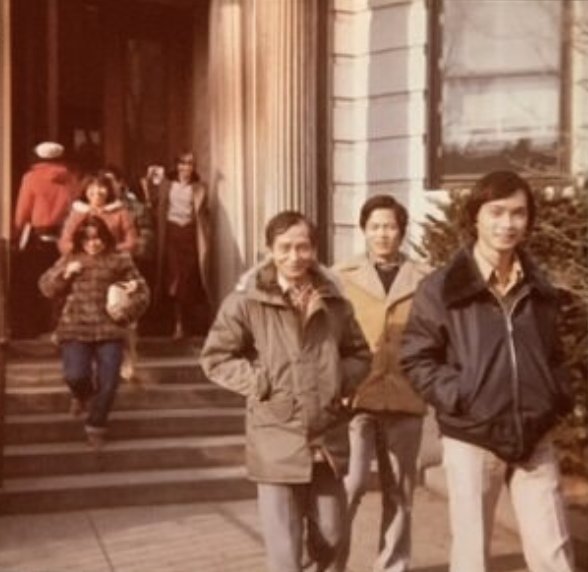
МІБ приймав біженців з Південно-Східної Азії у 1980-х роках

Протягом десяти років після війни у В'єтнамі Сполучені Штати прийняли майже мільйон біженців, і район Бостона був основним пунктом призначення. МІБ допоміг новоприбулим в'єтнамцям оселитися в Чайнатауні, Олстоні/Брайтоні, Східному Бостоні, в районі Філдс-Корнер у Дорчестері, а згодом у передмістях Квінсі, Рендольфі та Малдені.

Першою групою біженців були переважно чиновники переможеного уряду Південного В'єтнаму. Значно більша хвиля почала прибувати до Великого Бостона між 1978 та серединою 1980-х років, після вторгнення В'єтнаму до Кампучії (Камбоджі) у 1979 році та геноцидних "полів вбивств", що послідували за цим. У той же час прикордонна війна між Китаєм і В'єтнамом призвела до масової еміграції в'єтнамського етнічного китайського населення, більшість з яких тікали на маленьких дірявих човнах у жахливих умовах.  

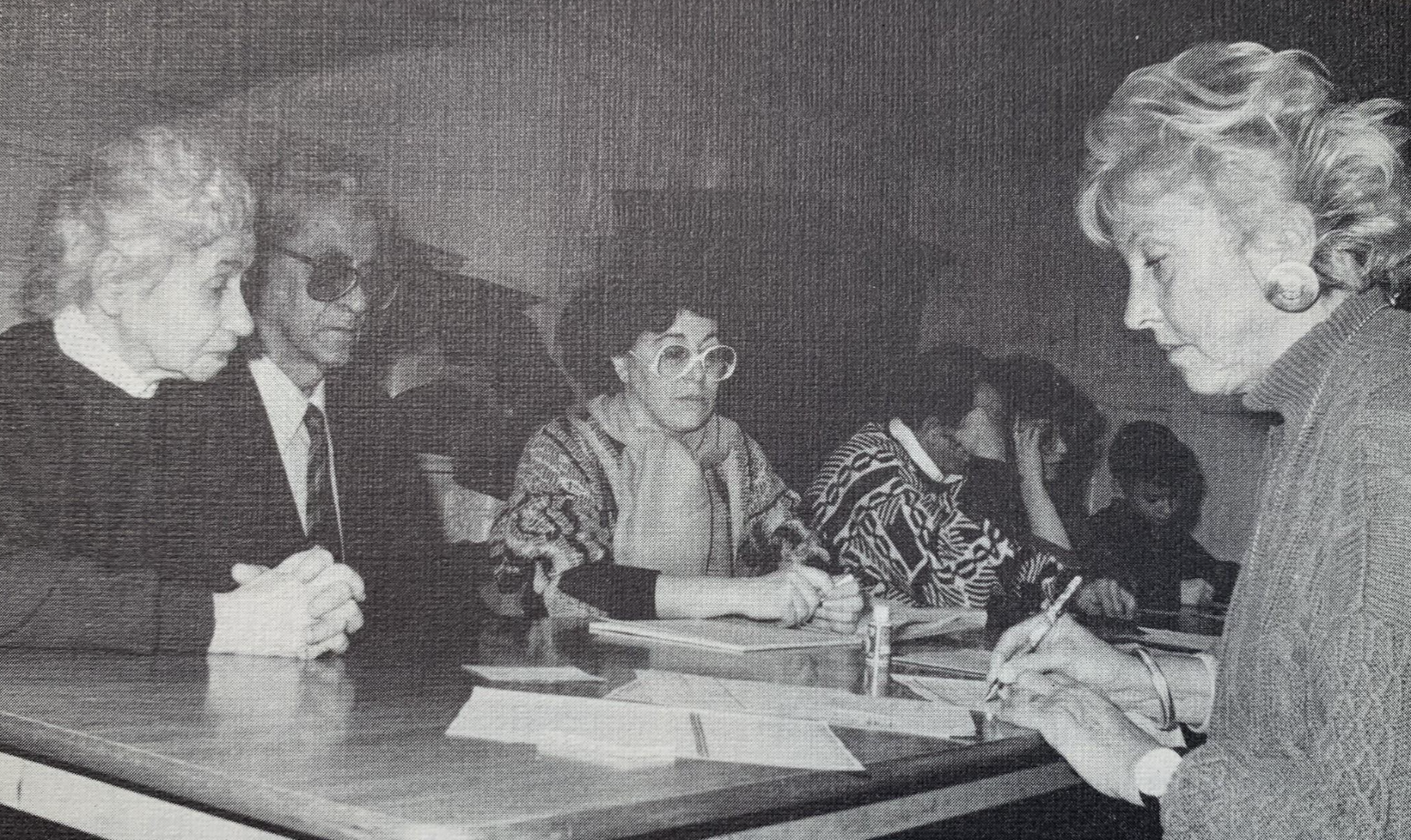
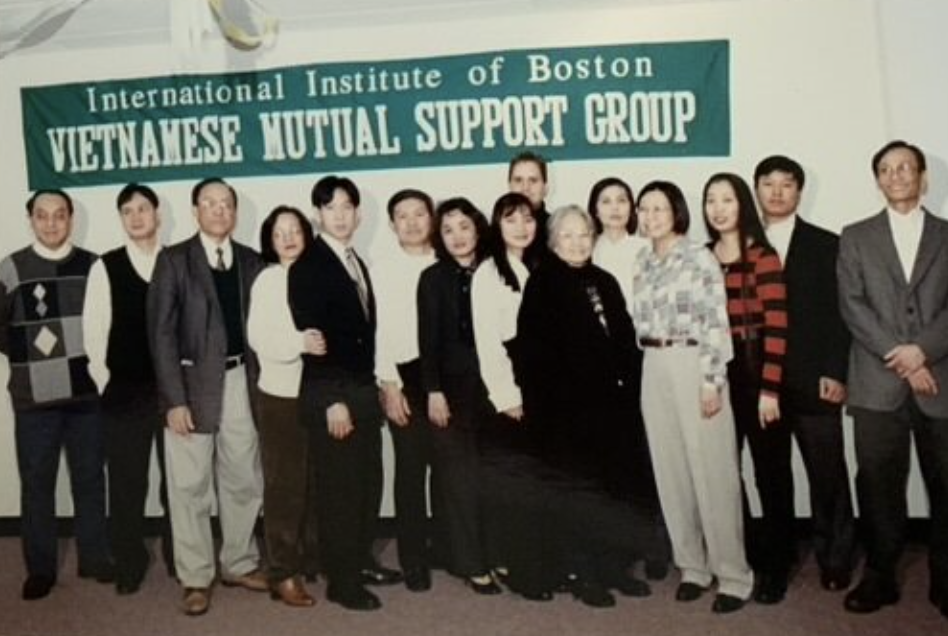
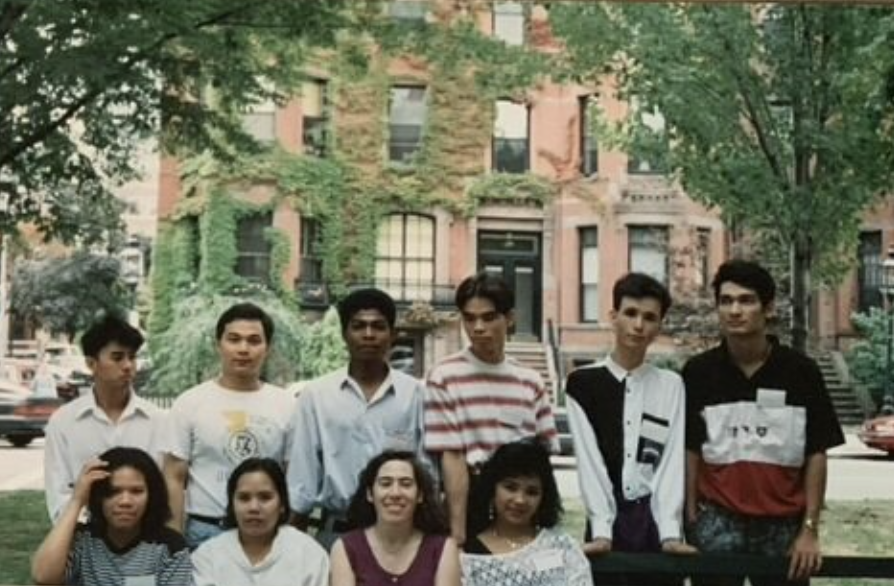
В'єтнамська група взаємопідтримки МІБ
МІБ підтримав зустрічі в'єтнамської групи взаємодопомоги

Низка нових федеральних законів дозволила збільшити прийом біженців, але найбільш трансформаційним став Закон про біженців 1980 року. Цей закон прийняв визначення Організації Об'єднаних Націй, згідно з яким біженцем вважається будь-яка особа, яка перебуває за межами країни своєї громадянської належності або звичайного місця проживання і не може або не бажає туди повернутися через "цілком обґрунтовані побоювання стати жертвою переслідувань за ознакою раси, релігії, громадянства, належності до певної соціальної групи або політичних переконань".

Закон про біженців підняв щорічний ліміт прийому біженців до 50 000 і надав виконавчій владі США повноваження приймати додаткових біженців у відповідь на надзвичайні ситуації. Також було створено фінансоване з федерального бюджету Управління з розселення біженців, яке співпрацює зі штатами у фінансуванні та адмініструванні послуг після розселення через мережу місцевих організацій, включно з міжнародними інститутами. Ці відносини і сьогодні визначають більшу частину роботи IINE.

Scaling Up Services

Youth in IIB’s Amerasian Program

Зі збільшенням федеральної та державної фінансової підтримки програми МІБ з переселення, освіти, працевлаштування та інших послуг значно розширилися. МІБ найняв кількох в'єтнамських співробітників і став спонсором переселення біженців з В'єтнаму, Камбоджі та Лаосу. Він надавав послуги з урахуванням культурних особливостей, включаючи спеціальні програми вивчення англійської мови для американської молоді азійського походження, а також курси базової грамотності для дорослих. Кімнати в офісі МІБ за адресою 287 Commonwealth Avenue були зайняті вдень і вночі, і їх розділили на частини, щоб розмістити ще більше класів. Кількість співробітників і волонтерів зростала в геометричній прогресії. Члени правління МІБ взяли на себе активну роль у підтримці послуг, сформувавши автокоманду, щоб зустрічати літаки з біженцями, які прибували, і забезпечувати нових біженців транспортом, щоб вони могли дістатися до своїх нових домівок, купувати одяг і продукти, а також відвідувати співбесіди з працевлаштування. Хоча освіта та прямі послуги стали пріоритетними для МІБ, була створена Асоціація індокитайських біженців Нової Англії, яка займається проведенням буддійських весіль та інших церемоній і заходів для зростаючої кількості клієнтів МІБ з Південно-Східної Азії.

Flexing New Legal Muscle

While IIB had always provided clients with guidance on navigating complicated and ever-changing immigration laws, in the mid-1970s, IIB began hiring staff attorneys to head its Legal Services department. One of the first of these was Deborah Anker, a second generation American whose parents had escaped the Holocaust. Anker would later go on to teach the first immigration law course at Harvard University, where she founded the Harvard Immigration and Refugee Clinical Program, and still teaches law today.

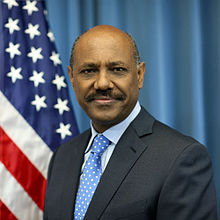
Daniel Yohannes

Анкер розпочала свою роботу на посаді в той час, коли, окрім роботи з людьми, переміщеними внаслідок війни у В'єтнамі, МІБ працював з біженцями з Ефіопії працював над прийомом біженців з Ефіопії. які тікали від a жорстокого і репресивного режиму. чиє піднесення зрештою призвело до до громадянської війни. яка поширила голод, бідність, і подальші переслідування.. Один з ефіопських клієнтів якого Анкер допоміг привезти до до Бостона. був Деніел Йоханнесновий американець.американець, якого одного дня призначить президентом Бараком Обамою послом США в Організації економічного співробітництва та розвитку.

Використання нової підтримки 

У 1980-х роках, маючи більше фінансування на державному рівні та більше персоналу для отримання грантів і реалізації програм, МІБ зміг розпочати низку ініціатив, спрямованих на допомогу новоприбулим біженцям у відновленні їхнього життя в середньо- та довгостроковій перспективі.

When thousands fled Cuba in the “Mariel Boatlift” exodus, IIB secured a grant from the Massachusetts Department of Social Services to establish a new multiservice center for them in the Jamaica Plain neighborhood of Boston. In its first year, the center helped more than 200 Cuban refugees, securing jobs for 110.  

Завдяки іншим новим федеральним та державним фондам, МІБ створив навчальні програми та ресурси для викладачів англійської мови для носіїв мов у Великому Бостоні, відкрив перший клас грамотності для дорослих, розробив спеціальні програми для допомоги азійсько-американським дітям та їхнім матерям, а також ініціював нову програму соціальних послуг з акцентом на двомовне та бікультурне консультування, щоб допомогти подолати травми, яких зазнали біженці як в результаті, так і після їхньої міграційної подорожі.

- - - 

Сьогодні Міжнародний інститут продовжує впроваджувати інновації та розширювати програми відповідно до потреб новоприбулих мігрантів. Ми співпрацюємо з Федеральним управлінням з розселення біженців та з штатом Співдружністю штату Массачусетс щоб реалізовувати понад 80 федеральних та державних програм. A Штатний адвокат очолюєнаш відділ імміграційних юридичних послуг, який надає послуги pro bono або pro bono або низькооплачувану підтримку понад 1,000 біженців та іммігрантів щороку. Програма співробітники навчаються надавати травмо-інформованих послуг, і ми регулярно скликаємо групи взаємодопомоги та співпрацюємо з громадськими партнерами для задоволення потреб біженців та іммігрантів у сфері психічного здоров'я. іммігрантів ми служимо - забезпечення їм безпеки, добробуту та сили, коли вони зустрічаються з новим майбутнім.

У рік нашого сторіччя ми святкуємо 100 років підтримки біженців та іммігрантів у Великому Бостоні, яка змінила їхні життя, і готуємося до другого століття нашого служіння. Дізнайтеся більше тут: Століття IINE в Бостоні.

Питання та відповіді з новим членом правління Вейдом Рубінштейном

Питання та відповіді з новим членом правління Вейдом Рубінштейном

A long-time volunteer, community partner, and Leadership Council member, Wade Rubinstein recently joined IINE’s Board of Directors. As Founder and President of The Bike Connector, Inc. in Lowell, Massachusetts, Wade spends his days making bikes accessible and safe for everyone, including many IINE clients who bike to work, school, shopping and appointments. The son of immigrants to the United States, Wade has devoted many hours to supporting refugees, including helping to find housing for a family who fled Afghanistan and settled in Eastern Massachusetts. He brings deep experience in information technology, education, and entrepreneurship to his new role.   

We spoke with Wade to learn more about his family’s history, how his involvement with IINE has grown over the years, and what gives him hope as he thinks about the organization’s future. 

Можете розповісти трохи про себе?

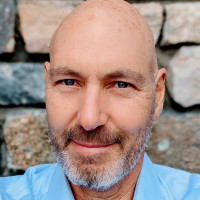
Уейд РубінштейнI am the son of immigrants. My mother’s family came to Boston in the 1920s after fleeing pogroms in Russia. My father, who grew up in a town that’s now part of Ukraine, was a Holocaust survivor. During the war, he was in hiding for 3 years. The Soviets liberated him in the spring of 1944. An orphan after the war, my dad lived in Displaced Persons camps in Czechoslovakia and Germany. He was smuggled into Palestine in 1946 and came to the U.S. as a refugee in the early 1950s to join family members who were already here. 

Подорожі моїх батьків сформували мене у фундаментальний спосіб. Завдяки їхній стійкості та наполегливій праці я отримав шанс стати випускником коледжу в першому поколінні.

I studied computer science at Boston College (in the same class as IINE CEO and President Jeff Thielman!). After college, I worked at a Digital Equipment Corporation for 10 years, before going on to work at several telecommunications start-ups. In 2003, I left the field and pursued a degree in elementary education. I taught in West Newton for a couple of years. Then, I decided to open up an ice cream shop, Reasons to Be Cheerful, which I ran for eight years. I sold the shop in 2018 and founded The Bike Academy, which was an after-school bike riding program in Lowell and morphed into the nonprofit I run today – The Bike Connector  

I’ve always felt life is too short to not pursue your interests; it keeps things interesting! And for me, it’s felt like my opportunity to live the American Dream – which I can only do because of the choices and sacrifices my parents made.  

Розкажіть про свій шлях до Міжнародного інституту Нової Англії. 

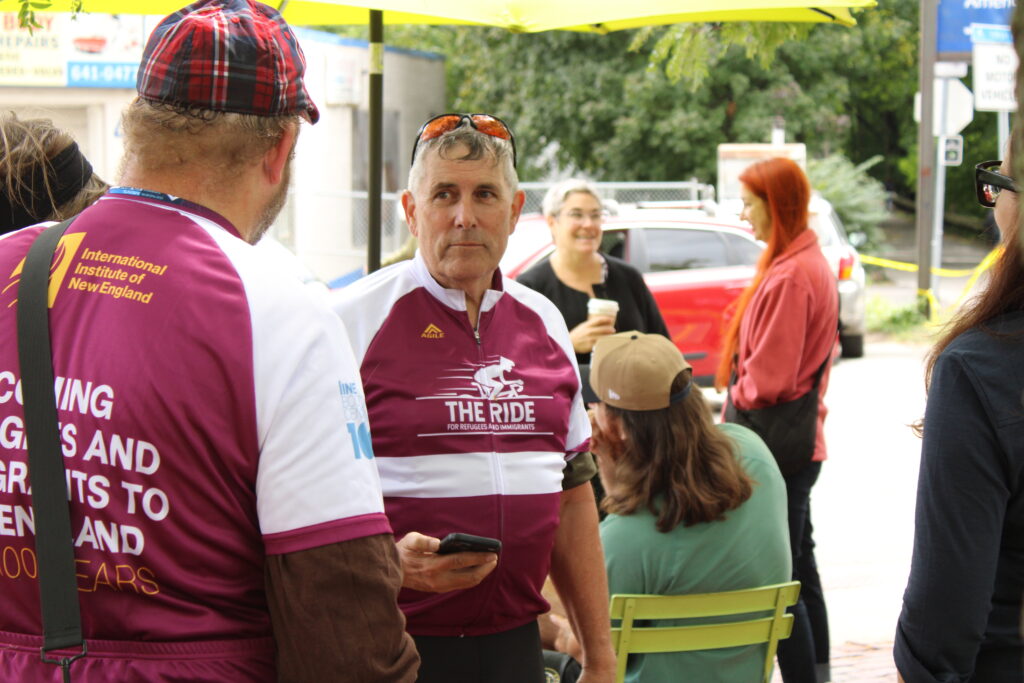
From L to R: Lowell Education Manager Sherry Spaulding, Wade, Ungaye, and Lowell Managing Director Caroline Rowe at IINE’s World Refugee Day celebration, where Wade was inducted into the Lowell 100 in honor of his exceptional contributions to refugees and immigrants in the Lowell community

In 2017, I attended a Suitcase Stories® event in my community. Hearing the speakers share their migration stories piqued my interest, and I decided to get involved. I began volunteering with the ESOL team in Lowell. It was awesome. I met so many amazing people, including Ungaye – a refugee youth whom I remain close to today and who now works at The Bike Connector. I loved being in a classroom with immigrants from all over the world—a room filled with different languages and customs—as they learned English and about the U.S. The experience opened up my eyes and my heart.  

After establishing The Bike Connector, I noticed that many of IINE’s clients rode bikes. There was a clear need: bikes are an inexpensive means of transportation, don’t require a license, and are faster than walking. But often, the bikes the immigrants were riding were unsafe; they were broken, mis-sized, and at times, literally pulled out of the city’s canals.  

I began donating bikes to the ESOL students, and over time, the relationship between our organization and IINE grew. We’ve given bikes to Haitian and Central and South American immigrants, Ukrainian refugees, and Afghan refugees. IINE’s Case Managers bring their clients to us, and we get to be some of the first folks they meet in this country. In addition to providing bikes, we provide maintenance support so people can stay on their bikes. We also work closely with IINE’s refugee youth clients to teach them bike safety and the rules of the road.  

What motivates you to give to IINE? Is there someone you honor by doing so?  

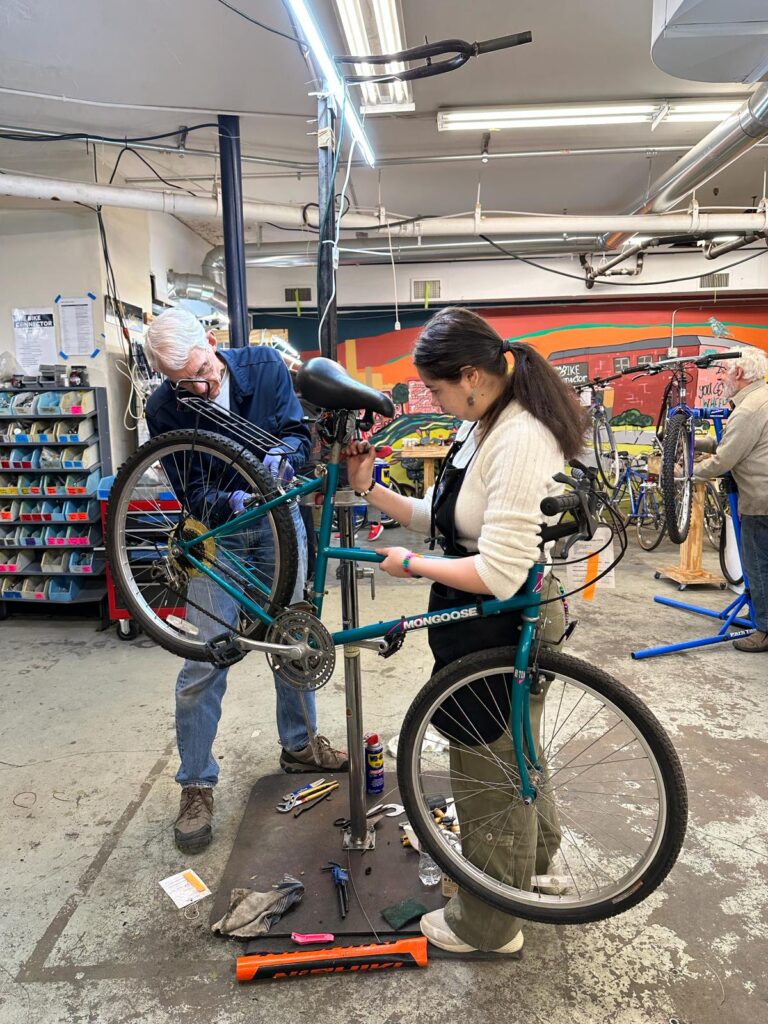
Wade’s non-profit, The Bike Connector, provides refugees and immigrants with bikes and ongoing maintenance

My mother and father have passed, but at IINE, I see them in the eyes of the people we serve. These are people who have taken huge risks and are working really hard to provide their children with better lives, people who want to honor their cultures and traditions and also integrate and become American. I feel a real emotional connection to their stories.  

I also think about the help my father received when he first came to the U.S. HIAS, a Jewish American nonprofit, was instrumental in helping him navigate his new home, where everything felt complex and foreign, and find success. I see IINE providing that same life-changing support.   

I find it so upsetting how immigration has become such a divisive issue. I want to make sure immigrants feel welcome and supported here – that they find opportunity, just like my parents did. Their journeys aren’t easy, and they deserve our help.  

What do you consider a board member’s most important responsibilities?

The primary responsibility is the fiscal sustainability of the organization. The board has to ensure the organization can adapt to where the winds are blowing – and IINE has proven it can do this. I’ve been so impressed with IINE’s board, executive team, and all of the staff. I’ve watched in recent years as the organization has navigated changing political winds, the fall of Afghanistan, the Russian invasion of Ukraine, and the humanitarian crisis in Haiti. IINE was able to scale and respond to crisis after crisis, and to do it all with such dedication and a big heart. That tremendous adaptability is only possible with exceptional staff and strong leadership.  

I’m looking forward to building on this work as a board member so that the organization, its staff, and the clients can all thrive.  

What excites you most about IINE’s future? 

There are over 100 million people who have been forcibly displaced around the world and who need a safe haven. That IINE is able to provide that safe haven and touch as many lives as we do – that makes me very happy. By providing support to find housing and jobs, learn English, and access legal services, IINE makes the transition to a new country a little easier. I’m excited for IINE’s impact to continue to grow.  

I’m also excited to see how IINE’s clients will give back, as I know they will. Whenever I’m hiring for an open position at The Bike Connector, the first place I look for candidates is IINE’s clients. If you can negotiate fleeing your home and coming to the U.S.—which for many people can take years or decades—you are clearly resilient. Those are the people I want to work with. They are highly motivated and make a positive contribution to their new country.

Welcoming immigrants truly benefits us all – it’s our nation’s diversity that makes it so awesome. I see people every day, coming from all kinds of backgrounds, making connections. Where else in the world can you see that? It gives me a lot of hope.  

До Ради директорів IINE входять корпоративні та громадські лідери з усієї Нової Англії. Ознайомитися з нашими членами та командою керівників можна тут.

Питання та відповіді з новим членом правління Кароліною Сан-Мартін

Питання та відповіді з новим членом правління Кароліною Сан-Мартін

Carolina San Martin joined the International Institute of New England’s Board of Directors in 2024, bringing over 20 years of experience in financial services, and significant expertise in audit, risk management, product and business management, and international development. A native Spanish speaker originally from Argentina, Carolina has a Master of Arts in International Finance and Economics from the Johns Hopkins University School for Advanced International Studies and a Bachelor of Arts in International Relations with Honors, magna cum laude, from Brown University.  

We spoke with Carolina to learn more about how she became involved with IINE, what she considers the most important responsibilities of a Board member, and what excites her about the organization’s future.  

Можете розповісти трохи про себе?

Кароліна Сан-МартінI’m originally from Argentina. My mom and I came to the U.S. just before I turned five, and I grew up in Atlanta, Georgia. After attending college in New England, I decided to go abroad. I began my career in the international development field in Russia before pursuing my master’s in Italy. It was an amazing opportunity. Living in different countries both as a child and later as an adult really helped me develop a global perspective. Eventually, I decided to return to the U.S. and settle down in Massachusetts. I’ve been in Cambridge, where I live with my husband and our two kids, for over 20 years.  

Professionally, I have spent most of my career in financial services and asset management. For the last eight years, I focused on sustainable investing. I launched and led the environmental, social, and governance (ESG) research and stewardship practice at Wellington Management before moving on earlier this year.  

Розкажіть про свій шлях до Міжнародного інституту Нової Англії. 

Growing up, I never felt like I had roots in one place. I’m Argentinian, but my family moved to Brazil a month before I was born, and then I spent my youth in Atlanta. New England is where I finally established roots; raising my family here has made it home.   

I reached a point in my career where I was ready to use my skills and experience to give back to my local community, and I wanted to help others find a home here, too. That led me to IINE. As an immigrant, the mission resonated with me. The more I learned about IINE’s work, the more impressed I became by its scale and longevity. IINE is celebrating 100 years of service in Boston this year; that speaks to the organization’s enduring impact.  

Is there someone you honor by supporting refugees and immigrants?

My mom and I had a lot of support in coming to the U.S., but it still wasn’t easy. My mom was in her mid-20s and a single parent. She had always dreamed of coming to the U.S., so she didn’t hesitate, but it took a lot of courage, too. It was the late 70s, a time before there was much immigration in the south, and no one around us spoke Spanish.  

Some of my earliest memories here are of starting kindergarten and not speaking any English. It made me a very shy kid, but with time and hindsight, I overcame my shyness and realized what a gift it was to have experienced this. It taught me how to be resilient and observant, to learn from and connect with others.  

Our experience was different from that of IINE’s clients today, but there are commonalities, too. In supporting them, I honor my mother’s bravery and strength.  

What do you consider the most important contributions of a board member?

One of my goals is to amplify the work. Before I became involved, I didn’t know about this amazing organization in my own backyard! I want to help make sure that others discover IINE, too. 

One of the most important responsibilities we have as board members is providing oversight. With my role at Wellington, I spent years studying how boards operate, speaking with board directors, and seeing firsthand how the people and structures at the top can make or break an organization. Strong oversight builds trust – among employees, among clients, and among supporters.  

I’m looking forward to supporting the important work the board is already doing to help ensure IINE’s growth, to provide a local response to a global issue, and to set the organization up for success for the next 100 years.  

What excites you most about IINE’s future? 

Immigration has become such a politicized topic – that’s challenging, but it’s also such an opportunity. It’s a chance for us to communicate how much immigrants contribute to our communities. The bottom line, as so much of the data shows, is that more immigration leads to more economic growth. Immigrants fill labor gaps, and they are 80% more likely to start new businesses, which then creates more jobs. At IINE, we see proof every day that investing in immigrants is an investment in our country and our prosperity. That’s what I’m excited about – IINE is in a unique position to bring these positive impacts to life and address one of the big concerns in public discourse right now. 

До Ради директорів IINE входять корпоративні та громадські лідери з усієї Нової Англії. Ознайомитися з нашими членами та командою керівників можна тут.

Міжнародний інститут Нової Англії обирає Річарда Голоба, Уейда Рубінштейна та Кароліну Сан-Мартін до складу Ради директорів

BOSTON – August 5, 2024 – The International Institute of New England (IINE), one of the region’s longest-established nonprofits serving refugees and immigrants, has announced the election of three new members to its Board of Directors: Richard Golob, Cofounder and CEO of Quantori, Wade Rubinstein, Founder and President of The Bike Connector, and Carolina San Martin, retired Director of Environmental, Social, and Governance Research of Wellington Management, to its Board of Directors.

“Carolina, Wade, and Richard’s deep experience and humanitarian commitment will be invaluable in helping us ensure that refugees and immigrants find safety and strong early support in our New England communities,” said Jeffrey Thielman, President and CEO of IINE. “As we embark on our second century of service, we remain committed to providing opportunities for newcomers to our nation to put down roots, succeed, and contribute to our region’s growth and prosperity.”

Річард Голоб

Річард ГолобRichard Golob has broad experience at the international level, from global environmental issues to outsourcing in numerous countries. He is Cofounder and CEO of Quantori, Inc., one of the world’s leading data sciences and digital transformation services companies for the life sciences and healthcare sectors. Previously, he served as Global Head of Life Sciences at EPAM Systems, a publicly traded firm with more than 60,000 professionals worldwide. Richard joined EPAM through its acquisition of GGA Software Systems, a scientific informatics outsourcing company that Richard cofounded and where he served as CEO.

Earlier in his career, Richard was actively involved in the environmental and energy fields, serving as an adviser to government agencies worldwide and to the United Nations Environment Programme, as well as a publisher of respected environmental newsletters. He also served as an environmental industry adviser to the venture capital firm Charles River Ventures and as Chairman of the Harvard Environmental Health Council at the Harvard T.H. Chan School of Public Health. Currently, in addition to his role as a member of the IINE Board of Directors, he serves on the Leadership Board of Beth Israel Deaconess Medical Center and is a Board Member of the United Nations Association of Greater Boston and the Anti-Defamation League – New England, and the President of the Puchovichi Memorial Park Project. Richard received his A.B. degree in Biochemical Sciences from Harvard College.

“With deep experience serving on nonprofit boards, I am thrilled to join IINE in its effort to continuously rise to the challenge and meet the needs of an ever-growing population of forcibly displaced families and individuals,” said Golob. “With innovation and dedication, IINE will provide more than 18,000 refugees and immigrants from 70 countries with critical, life-changing services this year, and I look forward to being a part of this necessary work.”

Уейд Рубінштейн

Уейд РубінштейнWade Rubinstein is the Founder and President of The Bike Connector, Inc. in Lowell, Massachusetts, which he launched to make bikes accessible and safe for all Lowell community members, including many IINE clients who bike to work and school. The son of immigrants to the United States, Wade has personally devoted many hours to supporting refugees, including directly supporting a family last year who fled Afghanistan and settled in Eastern Massachusetts.

Wade received his Bachelor of Science in Computer Science from Boston College and spent twenty years working in information technology. Specializing in data network design and optical technology, Wade helped architect multiple private and public telecommunications networks. In 2003, he left his career in high technology to pursue a Master’s in Education and teach in public schools. Since then, he has pursued several entrepreneurial projects, including a highly successful café in Concord, Massachusetts called “Reasons to be Cheerful” which specializes in homemade ice cream, crepes, and gourmet coffee. He now devotes most of his time to The Bike Connector, volunteering with IINE, and supporting other non-profit causes.

“I have had the pleasure of volunteering in IINE’s ESOL classroom, partnering to provide refugee youth with bikes and riding lessons as the President of my organization, The Bike Connector, and previously serving on the IINE Leadership Council,” said Rubinstein. “Through each of these engagements, I have seen IINE’s dedication to providing refugees and immigrants with a promising future in New England – and the great courage and resilience of our newest neighbors. I am honored to deepen my engagement and join the Board of Directors.”

Кароліна Сан-Мартін

Кароліна Сан-МартінCarolina San Martin is a strategic leader with experience at the forefront of finance and sustainability. Her board expertise includes finance, sustainability, energy transition, talent management, DE&I, and governance. Carolina started out in the field of international development and took an unconventional route into a career in investment management. She joined Wellington Management in 2005 and retired in 2024 after serving as its first Director of Environmental, Social, and Governance Research, managing $1T in assets.

Carolina is a native Spanish speaker with experience living in Latin America and Europe. She is a CFA Charterholder, has a Master of Arts in International Finance and Economics and European Studies from the Johns Hopkins University School for Advanced International Studies (SAIS), and has a Bachelor of Arts in International Relations with Honors, magna cum laude, from Brown University.

“As an immigrant myself, it is an honor to join an organization dedicated to providing new arrivals with the support, educational resources, training, and legal services they need to thrive,” said San Martin. “As a Board Member, I look forward to drawing on my significant experience in governance, talent management, and DEI to help ensure IINE’s long-term sustainability and impact.”

ПРО МІЖНАРОДНИЙ ІНСТИТУТ НОВОЇ АНГЛІЇ

The International Institute of New England (IINE) creates opportunities for refugees and immigrants to succeed through resettlement, education, career advancement and pathways to citizenship. With locations in Boston and Lowell, Massachusetts and Manchester, New Hampshire, IINE serves more than 18,000 individuals annually, including people displaced by political instability, violence, and climate crises, child and adult survivors of human trafficking, and unaccompanied children joining family members in New England. IINE offers a comprehensive range of programs and services to help newcomers feel welcome; achieve stability and security; access resources in their new communities; advance their education and employment goals; and integrate into their communities. IINE’s expertise builds on more than a century of service and accomplishes its mission in partnership with community groups, stakeholders, and supporters throughout New England.

Our Board of Directors include corporate and community leaders from across New England. Meet the Board.

1965-1974: Вітання світу

Ласкаво просимо до шостої частини нашої серії "100 років гостинності: Відзначення сторіччя IINE в Бостоні". У цій статті ми розповімо про попередня частина, "1954-1964: Допомога біженцям понад квоти," описує, як Міжнародний інститут Бостона (МІБ) знайшов способи обійти та лобіювати дискримінаційного федеральну "систему квот" запровадженої у 1924, яка встановлювала ліміти на кількість іммігрантів, прийнятих в США з певних країн..

Вистраждана реформа нарешті прийшла

Міжнародний інститут Бостона (МІБ) давно виступав проти системи квот і публічно лобіював її скасування, починаючи з 1950-х років, коли виконавчий директор МІБ Поліна Гардеску виступила перед Конгресом із закликом до її скасування, і вона та голова правління МІБ Роберт Нілі продовжували виступати за реформу на початку шістдесятих років. До середини десятиліття ситуація нарешті змінилася. Після Другої світової війни громадська думка почала змінюватись у бік більшої вдячності іноземним союзникам і прихильності до людей, які прагнуть свободи, більшої обізнаності про кризу біженців і підтримки новоприбулих, які приїхали як дружини ветеранів. Крім того, настання ери громадянських прав підвищило чутливість до расової дискримінації.

У 1965 році МІБ та його союзники нарешті здобули перемогу, коли Закон про імміграцію та громадянство (також відомий як Закон Гарта Селлера) був підписаний. Віддзеркалюючи політику МІБ, викладену в листі до президента Кеннеді 1961 року, закон скасував старі дискримінаційні квоти для країн, збільшив кількість іммігрантів, що приймалися щороку, і створив преференції для возз'єднання сімей, кваліфікованих робітників і біженців. Цей закон мав змінити імміграційну політику країни. У Бостоні та в США в цілому, переважно європейське іммігрантське населення поступово поступилося місцем більш глобальному і зростаючому числу новоприбулих з Азії, Латинської Америки та Карибського басейну.

Операція "Доброта

Fслідуючи тенденції, що склалася на ринку Cстарого Wвоєнних років, tерша нова хвиля іммігрантів мибіженців з країни. з країни, яку раптово взяли в облогу радянські танки. Коли новий реформаторський лідер Александр Дубек запровадив fсвободу слова, преси, і подорожей в у своїй комуністичній країні, Чехословаччина була захоплена Радянським Союзом та його союзниками.Радянський Союз та його союзники з метою придушити "Празьку весну".i"Празьку весну" шляхом масового вбивства протестувальників.. Tтисячі тисяч чехословаків чехословаків втекли. У БосУ Боснії і Герцеговині ми намагалися миlcomта розселення біженців з зони конфлікту, під назвою "Операція "Доброта," під керівництвом tвін Міжнародного інституту за підтримки Бостонського комітету, Американського фонду для чехословацьких біженців, Американського фонду для чехословацьких біженців, який був заснований членом правління МІБ і розмістився в його офісах. Оскільки Фонд надавав транспортну підтримку, МІБ зосередився на роботаспівпраця зі своїми мережами щоб знайти житла для житло для новоприбулих і працевлаштування.

Вітаючи світ

Зі збільшенням кількості нових іммігрантів штат МІБ збільшився з 10 осіб у 1965 році до 70 осіб десять років потому. Щоб краще вітати та обслуговувати цю більш різноманітну групу новоприбулих, МІБ запровадив низку глобально орієнтованих програм. Очолив ці зусилля Гаспар Яко, угорський іммігрант, який став першим виконавчим директором МІБ, народженим за межами США.  

Святкування у всьому світі
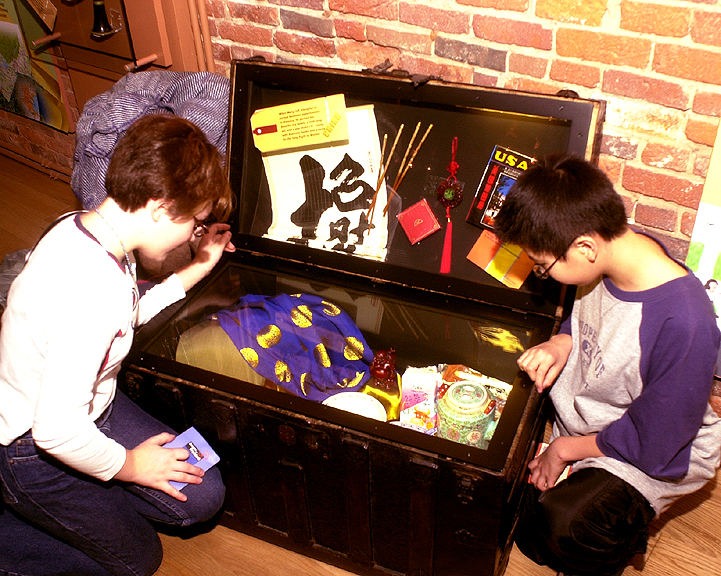
Флаєр на міжнародний ярмарок IIB "Святкування всього світу

У 1970 році Джако започаткував "Святкування всього світу" - щорічний міжнародний ярмарок, на якому в Збройовій палаті Співдружності демонструвалися вироби декоративно-прикладного мистецтва, їжа та вистави, що відбувалися в різних країнах світу. Як і попередні культурні заходи Міжнародного інституту, "Святкування всього світу" демонструвало культури іммігрантів з усього світу. До європейських етнічних груп приєдналися представники Індії, Японії, Китаю, Індонезії, Єгипту та Кенії. 

МІБ заснував програму обміну для старшокласників "Посли дружби", яка відправила 750 старшокласників та вчителів за кордон під час весняних канікул, а також привезла іноземних студентів до США. Пізніше програма "Посли дружби" поширилася на всю країну, відправивши понад 9000 американських студентів за кордон у 1973 році.

Підтримка перших націй

Примітно, що в той самий час, коли МІБ працював над тим, щоб краще обслуговувати більш різноманітний контингент новоприбулих мігрантів, вони митакож підтримують американців з корінних мешканців Мікмаку, Пенобскот, Пассамакуодді, Арустука, ірокезів, навахо, та племен сіу, які яківсе частіше мігрують до Бостона з Канади.Нью-Йорка, і мисуворих США. МІБ провів кілька зустрічей Бостонської ради індіанців, які прагнули заснувати власний культурний центр та надавати стипендії для молоді..

Розширення мовного доступу

До 1973 року, коли населення Бостона продовжувало ставати більш різноманітним, IIB різко розширив свої пропозиції мовних курсів. Класи іспанської мови мими додали, щоб допомогти місцевому медичному персоналу, вчителям і соціальним працівникам обслуговувати a зростаюче населення з Пуерто-Рико та Латинської Америки.

Додаткові заняття з іноземної мови мими пропонуємо французькою, італійською, та португальською. У той час як IINE продовжував проводити заняття з англійської мови для носіїв інших мов (ESOL) у своїх офісах на Спільніймиальт-авеню, нові партнерства митакож були сформовані нові партнерства, які дозволять проводити курси ESOL класи ESOL на-у місцевих компаніях. щоб допомогти працівникам-іммігрантам досягти успіху на робочому місці.

Премія "Золоті двері

Запрошуємо на Гала-вечір нагородження премією "Золоті двері" 1971 року на честь австрійського диригента Артура Філдера

Найбільш стійка традиція, яку МІБ започаткував у цей час, був започаткування премії "Золоті двері". Свою назву вона отримала від рядка з вірша Емми Лазарус, присвяченого Статуї Свободи- "Я піднімаю свій світильник біля Золотих дверей", ця нагорода була вперше вручена в 1970 році, щоб вшанувати внесок видатного громадянина США, який іммігрував до країни. Першим лауреатом став китайський архітектор І.М. Пей, згодоммидиригент Бостонського поп-оркестру Артур Фідлер (австрієць), ресторатор Ентоні Атанас (албанець) і засновник Star Market Стівен Мугар (вірменин). Вшановуючи минулих лауреатів з 25 різних країн, премія "Золоті двері" продовжує своє існування і сьогодні, вшановуючи внесок іммігрантів у життя в США і є важливим джерелом фінансування роботи Міжнародного інститутуМіжнародного інституту імміграції.

Сьогодні Міжнародний інститут вдячний за можливість миlcomта підтримуємо біженців та іммігрантів з більш ніж 75 країн світу. Ми продовжуємо налагоджувати нові партнерські зв'язкимина наші програми ESOL та місцевий бізнес, щоб допомогти підготувати сучасних біженців та іммігрантів до роботи в галузях, які відчайдушно потребують їхніх навичок та послуг. Ми також також продовжуємо традицію нагородження " Золоті двері ", щоб об'єднати нашу спільноту для вшанування та вшанування та історії історії іммігрантів, які зміцнюють і збагачують наш регіон.

У рік нашого сторіччя ми святкуємо 100 років підтримки біженців та іммігрантів у Великому Бостоні, яка змінила їхні життя, і готуємося до другого століття нашого служіння. Дізнайтеся більше тут: Століття IINE в Бостоні.
Реальність на американсько-мексиканському кордоні

Від генерального директора: реальність на американсько-мексиканському кордоні

Джефф Тільман, президент і головний виконавчий директор Міжнародного інституту Нової Англії

In mid-July, I visited the border communities of El Paso, Texas and Ciudad Juárez, Mexico. The visit was an opportunity to learn first-hand about the challenges that asylum seekers, including the many who become IINE clients, experience when they attempt to enter the U.S.  

I was joined by IINE SVP and Chief Advancement Officer Xan Weber (second from right), IINE Marketing Coordinator Christina Duran (far right), who herself grew up in a border community, and Aaron Nodjomian-Escajeda (far left), Senior Policy Analyst for the U.S. Committee for Refugees and Immigrants (USCRI), the national resettlement network of which IINE is a regional partner.  

In Mexico, we met asylum seekers from Central and South America who were completing immigration applications on the Customs and Border Protection One (CBP-1) mobile app, with the help of staff from a human and legal services agency. Like many of our clients, they were hoping to join their family and members of their community here.  

We saw for ourselves that the U.S.-Mexico border—the most frequently crossed in the world—is far from chaotic, as it is so often depicted in the U.S. media. With shelters in Ciudad Juárez now at half their capacity, multiple advocates explained that the decrease in people traveling to the border to seek asylum is not due to better conditions in their home countries, but rather because of U.S. Executive Orders restricting crossings, and efforts by cooperative Mexican authorities to keep migrants in southern Mexico.   

Ciudad Juárez and El Paso have vibrant and beautiful cultures. Many families have members in both cities, many work in one community and live in another, and we learned that there is an ethos of faith and community support on both sides for migrants making the journey north. Our group had a chance encounter with a woman from Mexico who was returning from a trip to see family in Denver. She shared that she and her husband had helped a Colombian family of eight to get to the border and eventually cross.  

In Ciudad Juárez, we met with the leadership of an agency run by the Mexican state of Chihuahua to support migrants. After our meeting, we were able to sit with three migrants completing a CBP-1 application with help from the staff of a local NGO. One of them told us he had been forced to flee his home country after a criminal syndicate targeted his business. All of them told us they were fleeing difficult situations, had friends and family in the U.S., and were hoping to find any job they could to make ends meet. 

We also met with the International Office of Migration, operated by the United Nations, and a field office of the International Rescue Committee. It was reassuring to see that, as with providers in New England, these groups talk with one another frequently, share ideas, and work collaboratively to help “people on the move,” who are seeking asylum. We also saw a tent city that houses migrants awaiting appointments to enter the U.S. and paused in silence when we walked to the site of a former Mexican detention facility where a deadly fire killed more than 40 migrants in 2023.   

In El Paso, we encountered a network of organizations that help people after they cross the border, including Annunciation House, a faith-based emergency housing and service provider where some of our colleagues volunteered prior to joining IINE. Border patrol officers bring asylum seekers—usually those with a notice to appear before an immigration court—to “A House” for safety.  

We learned about Border Servant Corps, a non-profit organization that works with CBP-1 applicants after they have been approved for admission to the U.S., and our group spoke with the Director of Advocacy and Legal Services of Las Americas Immigrant Advocacy Center, which serves hundreds of migrants each year. The staff we met were passionate and committed, just like our team at IINE. We also spent some time with the Director of the Center for Inter-American and Border Studies at the University of Texas at El Paso, who gave us an overview of the decades-long growth of a bureaucratic border protection system that has made it more dangerous and difficult for people to come to the U.S.  

Finally, in El Paso, we met with the leadership of a shelter facility for Unaccompanied Children. We learned about the service social workers and educators do to support the children before they reunite with family and transition to IINE’s Home Study and Post Release Services program.   

It was inspiring and humbling to see so many people stepping up to provide these different types of support—and how much need there is for their services.   

The border is a place where deadlines and rules change frequently. Asylum seekers told us that they face more danger in Mexico, including kidnappings and the need to pay bribes, than they did crossing the Darien Gap—the infamously treacherous border territory between Colombia and Panama. Beyond danger and extortion, the U.S. CBP-1 mobile app is on its 26th version and continues to have technical glitches that can disrupt and delay an already complicated process.  

It is jarring and confusing to see fences and walls between the U.S. and Mexico, especially after hearing advocates on both sides explain that the border security system has led to an increase in exploitation of migrants by bad actors in Mexico and a sometimes-deadly journey for legitimate asylum seekers hoping to receive protection in the U.S. What gives us hope, however small, is that asylum seekers and unaccompanied children are supported by a passionate network of NGOs, faith communities, and community groups.   

Our field visit to the southern border reinforces our understanding of the critical role IINE plays in offering a warm, kind, and humane welcome to people who have fled terrible conditions and are fighting for their right to safety and basic derechos humanos—human rights.  

This was IINE’s first of several planned field visits to better understand the experiences of our clients. Our findings will be captured in a publication to be released this fall, co-sponsored with USCRI, entitled, “Las Mariposas de la Frontera: Uplifting the Stories of Asylum Seekers at the U.S.-Mexico Border.” 

Ескіз блогу Кеті Бруно

Чому вони дають: Інтерв'ю з донором IINE Кеті Бруно 

Our donors play a critical role in ensuring that every refugee and immigrant who comes to our doors finds the safety and support they need to start fresh in our communities. In our Why They Give series, we talk with our donors to learn more about their connection to our mission and commitment to philanthropy.

For our first installment, we spoke with Katie Bruno. Katie and her husband Mike have been donating to IINE monthly since 2017 as part of our Sustainer program. Katie shares what compelled her to get involved and how donating helps her make an impact on a cause about which she cares deeply.

Mike and Katie Bruno

Tell us a bit about you.

I live in Andover, Massachusetts with my husband, Mike, and our two young kids—a 6-year-old and a 3-year-old. Mike grew up in Providence, Rhode Island, and I grew up west of Boston, so we have spent all our lives in New England.  

I’m an elementary school teacher, and a big part of my job is teaching my students the importance of helping others, having empathy, and being mindful of how we impact each other. It’s something I think about a lot in the classroom and at home.  

Чому філантропія важлива для вас?

Mike and I have been incredibly fortunate to have our parents support us through major financial milestones. Because of them, we don’t have any college loans, and they helped us purchase our house. We have been lucky financially, and we know that’s not the case for everyone. It’s important to us to give back to others who don’t have as much, simply because of how the world works. We feel we have more than we need, and so we have to help.  

Also, this might sound cheesy, but I grew up as a big fan of Mr. Rogers, and his philosophy always stuck with me: in any disaster, look for the helpers. I want to have helpers if I’m ever in a scary situation, and I want to be a helper for others.  

How did you first learn about the International Institute of New England?

After the 2016 presidential election, I lost a lot of faith. I wanted to figure out how I could help people whose safety would be impacted by the new president.  

Mike and I had recently moved to Andover, and I started looking for organizations supporting vulnerable communities. One of my close friends told me about IINE. Mike and I immediately knew it was a cause we wanted to support.  

What connection do you feel to IINE’s mission of creating opportunities for refugees and immigrants?

My maternal grandfather escaped France during World War II and immigrated to New York. So, with my family history, and as someone who is half-Jewish, I’ve always had an awareness of the horrible circumstances that might cause people to flee their homes.  

I also think that, as I’ve become more aware of humanitarian crises across the world, my desire to help has grown, too. There are so many people in dangerous situations who are seeking to leave to find opportunity and safety elsewhere, and they need support.  

At this moment in my life, I spend all my time either with my students or at home with my family, so my time is limited. I am grateful that I can make a difference by donating. That’s how I can be a helper.  

IINE може надавати такі необхідні послуги біженцям та іммігрантам лише завдяки підтримці наших щедрих жертводавців. Існує багато різних способів пожертвувати. Дізнайтеся більше тут: Пожертвувати кошти.

Мініатюра WRD 2024

IINE відзначає Всесвітній день біженців у 2024 році

Marked each year on June 20, World Refugee Day (WRD) is an international observance honoring the strength, courage, and cultural contributions of those who have been forced to flee their home countries to escape conflict and persecution. It was officially launched as a global celebration by the United Nations in 2001 to commemorate the 50th anniversary of the 1951 Convention relating to the Status of Refugees. 

For IINE, World Refugee Day is an opportunity to recognize the achievements of the refugees we serve and thank those who support them. This year we celebrated all week long with multiple events across our three offices in Boston and Lowell, Massachusetts and Manchester, New Hampshire.  

Manchester marks client achievements with a ceremony, food, and prizes

Blog Collage - WRD Manchester

Outside of our offices at Brookside Church, 94 students in our English for Speakers of Other Languages (ESOL) program were presented with certificates recognizing their total learning hours for the year, and our instructors recognized their students with special awards for perseverance, engagement, mentorship, and other distinctions. Certificates were also presented to participants in the Connections literacy and book distribution program by our partner, NH Humanities; to our community volunteers for their tutoring support; and to the recent graduates of our LNA (Licensed Nursing Assistant) for Success program by a representative from Manchester Community College. Meanwhile, our clients’ children got some quality play time in an inflatable “bouncy castle.” Families got to spin a prize wheel put together by our AmeriCorps volunteers to win transportation passes and gift cards, and a raffle resulted in two children of clients leaving with their own bicycles! 

Lowell community gathers for a bike ride, picnic, and special honoree induction 

34 youth clients and accompanying staff marked the occasion with a WRD bike ride from Bruce Freeman Trail to Heart Pond, where they stopped to enjoy a picnic and take pictures. Bicycles were provided for those who needed them by our community partner, The Bike Connector, a non-profit community bike shop operated by new IINE Board Member Wade Rubenstein, which has provided free bikes, cycling instruction, and recently, employment, to our current and former clients. 

---

More than 50 clients and 20 staff gathered for a festive art project: coloring in the flags of their home countries. They also played games, and enjoyed pizza, fruit, and drinks. Staff shared the official theme of this year’s World Refugee Day in multiple languages: “Our Home”—from the places we gather to share meals to our collective home, planet earth: everyone is invited to celebrate what Our Home means to them. Home can be a place of refuge, a feeling, or a state of mind.  

---

Community members gathered at Middlesex Community College’s Cowan Center to celebrate our clients and honor those who have made tremendous efforts to welcome them to Greater Lowell. We inducted five new members into the Lowell 100, a group of leaders who have made significant contributions to the city’s immigrant communities: 

  • Majid Abdulhussien and Suad Mansour (top left), former IINE clients who serve as drivers and interpreters to newly arriving refugees. Abudulhussien and Mansour are famous in our Lowell office for answering the call at a moment’s notice to meet refugees at the airport, welcome them to the U.S., and bring them to the furnished apartments secured by our housing coordinators—their first homes in the U.S. “I want people to help me, so now it’s my turn to help the people that need it,” said Mansour. “For me, I enjoy it … You have to see it on their faces when you tell them you are coming to help and that everybody knows they are coming.”
  • Sidney L. Liang (top right), Senior Director of Metta Health Center, Lowell Community Health Center with whom IINE shares an office building and collaborates closely. Liang is a former refugee who fled the Khmer Rouge in Cambodia. Praising the many other former refugees who now provide services to new arrivals at both Metta and IINE, Liang said, “They lived through similar experiences, but they have bandaged these wounds. They have wrapped their wounds and now they are ready to give back.”
  • Wade Rubenstein (bottom left), President and Founder of the Bike Connector, new member of IINE’s Board of Directors, and the son of former refugees from Ukraine. Wade was inducted by Ungaye Izaki, a former IINE client whose story of retrieving a bicycle from a canal in order to get to his new job inspired Wade to found the Bike Connector where Izaki now also works. “Ungaye was the first bike I awarded to someone here in Lowell,” Rubinstein said. “Last week we just gave away our 5,000th bike.” 
  • Kelle Doyle, Area Manager of the WeStaff employment agency that has connected thousands of IINE clients with their first employment opportunities in the U.S. Doyle has said of her experience with IINE clients, “they end up being the best employees…The nice thing is, we’re a steppingstone for them to grow their language skills, make some money, establish themselves, get licenses, and just start a life here.” 

Following the moving induction ceremony, eventgoers enjoyed food from around the world as well as a coffee tasting courtesy of Starbucks, who generously sponsored the event and our Manchester celebration. Thank you, Starbucks, for your ongoing support!

City representatives join Boston ESOL graduation to speak with immigrants and IINE staff

On June 20 in Boston, the Mayor’s Office for Immigrant Advancement Director Monique Nguyen joined a celebration of our ESOL graduates to read a proclamation from Mayor Wu declaring June 20th World Refugee Day in Boston. Boston City Council President Ruthzee Louijeune and City Council members Benjamin Weber and Edward Flynn attended to share their support for immigrant learners. Louijeune addressed students in English and Haitian Creole, underscoring the importance of education and playing an active role in supporting their children’s learning. More than 200 students, family members, and staff attended the celebration. 

---

Throughout the week and across our sites, IINE’s community came together with joy and pride, and left feeling truly inspired by the stories and achievements of the people we serve and work alongside, who have persevered through incredible hardships, and are now equally driven to succeed and give back. 

Творення змін на найвищому рівні - захист прав біженців та іммігрантів

З робочого столу генерального директора: Створення змін на найвищому рівні - захист прав біженців та іммігрантів

Джефф Тільман, президент і головний виконавчий директор Міжнародного інституту Нової Англії

Advocating for local, state, and federal government funding, and for policies that welcome refugees and immigrants to New England, has been a critical part of IINE’s work since our founding in 1918. Our clients look to us to speak to decision-makers on their behalf, and with our knowledge of policy, the work on the ground, and our clients’ unique needs and strengths, our voice and community leadership can create real and needed change. 

Learn about our advocacy throughout history in our Boston Centennial blog series.

We have already had some big successes this year, and we know we’re looking at some battles ahead. To manage our growing efforts, we have recently welcomed Bill Gillett as our Director of Public Policy and Advocacy. An attorney, former dean of two business schools, and former Chair of our Board of Directors, Bill brings a great passion for our work, deep expertise in immigration policy, and broad reach particularly within New Hampshire’s service community and political sphere.  

During this critical year for advocacy before the presidential election, here’s an overview of IINE’s recent successes and continuing efforts. 

Massachusetts: Securing resources to address an affordable housing crisis

WRD Boston 2024
Boston City Council President Ruthzee Louijeune, City Council Members Ed Flynn and Ben Weber, and Mayor’s Office of Immigrant Advancement Director Monique Nguyen recently met with IINE staff to learn more about our programming and impact

IINE regularly meets with members of Massachusetts Governor Maura Healey’s administration and with leaders in the state legislature. Our recent efforts have focused on allocating adequate funding to address the housing crisis affecting new arrivals.  

IINE leads a statewide coalition of eight refugee resettlement providers, which secured $10.5 million from the state legislature in late 2023 to prevent refugee and parolee families from entering the emergency shelter system, and to help immigrant families who are currently in emergency shelters to exit quickly, safely, and permanently.  

Highlighting the need for efficient shelter exiting, we successfully advocated for an additional $7 million in the Massachusetts supplemental budget adopted in April of 2024 to enable refugee and immigrant service providers to give families in shelters access to English classes, and housing and employment support.  

Within the $10.5 million allocation, IINE received:  

  • $1,000,000 from the Massachusetts Resettlement Rehousing Program to move 50 families out from emergency shelter and into permanent housing, while providing 12 months of case management including employment support. 
  • $391,631 from the Massachusetts Resettlement Support Program (MRSP) to provide rental assistance and other direct support for refugees. 

We are currently advocating for a $300,000 allocation in the 2025 state budget to support case management staff who refer clients to mental health providers. 

IINE is also a founding member of the Massachusetts Immigrant and Refugee Advocacy Coalition (MIRA) (and IINE’s Chief Advancement Officer Xan Weber is a member of MIRA’s Advisory Council), and a contributor to many of its campaigns, including #CourageToWelcome, a social media effort sharing people’s personal reasons for welcoming refugees and immigrants to the Commonwealth.

New Hampshire: Battling anti-immigrant legislation that hurts us all

A member of U.S. Senator Jeanne Shaheen’s Office congratulates our clients on their dedication and hard work during our annual World Refugee Day celebration in Manchester, New Hampshire

This campaign season, immigration is a hot button issue in New Hampshire and we’re seeing an increase in anti-immigrant legislation boosted by misinformation and fearmongering. IINE is working closely with local refugee and immigrant service providers and political officeholders and candidates to counter negative messaging and defeat hostile and divisive bills.  

Last month IINE helped advocate for the defeat of HB 1118, which would have required “non-resident aliens” (people who don’t have a Green Card or who haven’t been in the country for 183 or more consecutive days) from securing a driver’s license. The bill would have created confusion among our clients, made it difficult for them to get to work in a state that lacks sufficient public transportation, and hindered their ability to contribute to the New Hampshire economy. It has now been “relegated for further study,” which essentially tables it indefinitely.  

We’re now working against Senate Bill 358, which would make it illegal for undocumented immigrants with valid licenses in other states to drive in New Hampshire. Such legislation is discriminatory and would be devastating to many families in our care, including clients in IINE’s Unaccompanied Children’s Program

Contact your senators to speak out against Senate Bill 358.

Federal Advocacy: Pushing to expand resources and streamline processes

Our clients get much-needed support from the federal government, but we’re also feeling the strain of a federal immigration system that is under-resourced, lacks inter-agency coordination, and is often gridlocked by politics. We’re seeing laws enacted that curtail the right to apply for asylum, clients who braved impossible journeys here to escape persecution threatened with visa expirations, and the storm clouds of many proposed anti-refugee and anti-immigrant policies looming ahead. We will continue to speak out. 

IINE often advocates through the national network of which we are an affiliated member, the U.S. Committee for Refugees and Immigrants (USCRI). Among other efforts, IINE has recently signed letters put forth by USCRI calling on our federal government to extend Temporary Protected Status for Haitian immigrants and other clients in our services and to create pathways to citizenship for Afghan evacuees and Ukrainians nationals. 

Members of IINE’s leadership also recently traveled to Washington, D.C., meeting with a White House official, staffers of all four U.S. Senators representing Massachusetts and New Hampshire, and the senior leaders from the federal Office of Refugee Resettlement (ORR), the primary source of much of our federal funding. In eight substantive policy meetings, we had the chance to explain the challenges we’re facing and the support we need as we serve the highest number of refugees, humanitarian parolees, and unaccompanied children in our recent history.  

DC Trip
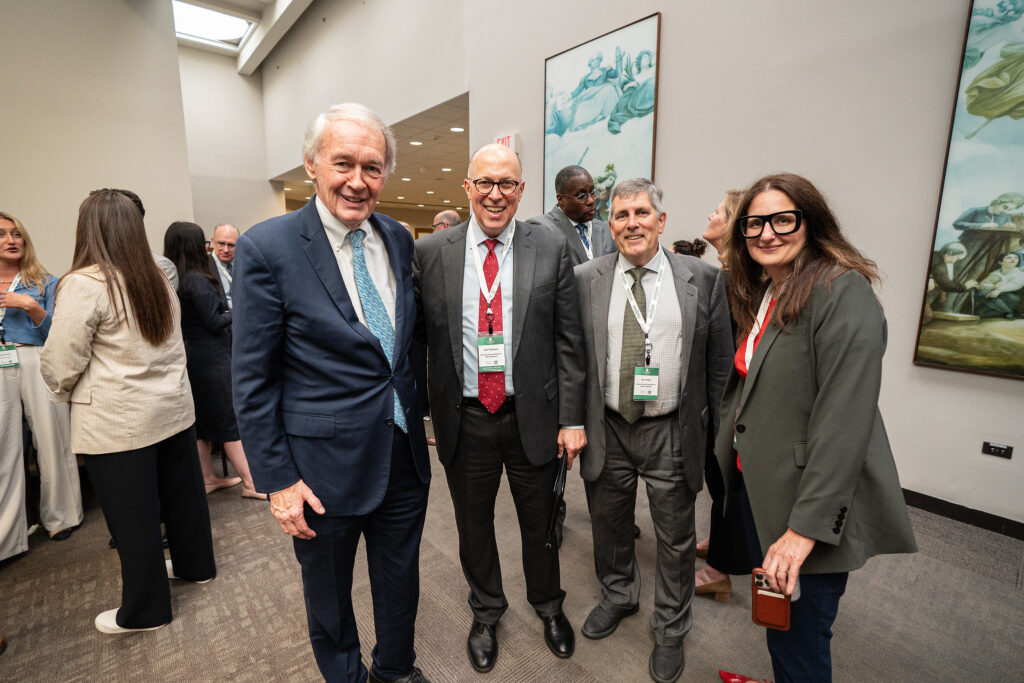
U.S. Senator Ed Markey speaks with IINE President and CEO Jeff Thielman, Director of Public Policy and Advocacy Bill Gillett, and Chief Advancement Officer and Senior Vice President Xan Weber during a New England Council event

We were gratified to see our input incorporated when, shortly after our visit, Massachusetts Senators Elizabeth Warren and Ed Markey sent a letter to the Senate Appropriations Committee’s Homeland Security Subcommittee asking for a new $500 million Destination Reception Fund to provide federal support for housing, health care, workforce development, and legal assistance as new arrivals work to transition out of emergency shelters. 

Advocating Together

As a supporter of IINE who shares a belief in our mission, we also need your help advocating for refugees and immigrants. Through our blog, newsletters, and social media, we will continue to help keep you informed about the perspectives of our clients, the misinformation that targets them, and policies that affect them. We need your help to spread the word in your own networks. When you support IINE you are helping to amplify immigrant voices at all levels. Thank you for all that you do.   

"Я ніколи не відчувала себе самотньою": Мейделін, біженка та мати-одиначка з Гватемали, знайшла спільноту та новий старт у Массачусетсі

Arriving full of hope

Maydelyn with her sons, 11-year-old Xavier and 9-year-old Pablo, who came to the U.S. as refugees from Guatemala

After making an impossible choice and a difficult journey, Maydelyn, a former schoolteacher, refugee from Guatemala, and single mother, arrived at Boston Logan International Airport with her 11-year-old son, Xavier, and her nine-year-old son, Pablo last August. All three were eager for a fresh start.  

Their new home would be in Quincy, Massachusetts. IINE’s Housing Coordinators had found and furnished an apartment for the family in the Boston suburb, in an area with a large Spanish-speaking community. Once Maydelyn and her sons moved in, IINE Case Managers quickly got to work on enrolling the boys in school, helping the family apply for public benefits, and scheduling medical appointments. By September, Xavier and Pablo told their Case Managers that they were enjoying their classes and had already made friends with other students with Guatemalan backgrounds. 

Pursuing her dream

Madelyn was extremely eager to learn English and join the workforce in her new community. She told her IINE Employment Specialist that her goals were to attain English fluency, become a Spanish language teacher, and to be a homeowner. Understanding the path would be long, she quickly took a job with a local housekeeping agency. Within months, and with IINE’s help, Maydelyn was hired as a housekeeper at the Charles Hotel in Harvard Square. While she had enrolled in ESOL classes, her work schedule and commute made it challenging to attend them. IINE connected her with a volunteer to tutor her one-on-one. Madelyn remembers feeling truly blessed to be on her way towards her goals. 
 
“Despite starting a life from scratch without knowing the language and without knowing where to start, I never felt alone. My Case Manager not only helped me resolve each and every one of the important procedures but also made me feel welcome because of the affection with which he always treated me. I felt supported at all times. Without IINE the adaptation would have been too difficult.”

An incomparable friendship

Maydelyn and her sons got a special level of support from the mother-daughter team of Anna and Rosie Glastra. Anna had begun volunteering at IINE the April before Maydelyn arrived. An immigrant herself, Anna was eager to help other new arrivals find their way in a new country – and put her Spanish language skills to good use!  

Initially, Anna signed up to provide transportation support, driving IINE clients to appointments and classes and helping them to run errands. When Maydelyn and her boys arrived, Anna became one of IINE’s first “Community Mentors.”  

Xavier and Pablo in the Halloween spirit

Similar to IINE’s Resettle Together volunteer teams, Community Mentors get matched with refugee families or individuals in their early stage of resettlement and become their guides, supporters, and—as was certainly the case with Anna and Maydelyn— their first friends in the U.S. 

Anna and her daughter Rosie began working with Maydelyn when she arrived in August. It was Anna who let IINE know that she would need a workaround for ESOL instruction, leading to her getting a tutor. By the fall, Anna was helping Xavier and Pablo get ready for a very exciting first. She wrote to IINE’s Volunteer Coordinator, “Last Wednesday, Maydelyn and I spent a great afternoon with the boys, visiting and enjoying the Halloween store to get an outfit. They were so excited to be able to celebrate Halloween for the first time ever. Their school organizes a Halloween party tomorrow afternoon, and after that they will go trick-or-treating in the neighborhood with Maydelyn. The remaining part of the afternoon last week, we played mini golf and got a bite to eat. It was a lovely afternoon.” 

In November it was time for another exciting New England tradition. Anna shared, “I took them apple picking, which was a great success. The whole family enjoyed it so much. I believe the boys each ate at least 6 apples while picking :). They climbed on every ladder to get the highest available apple out of the tree and went home with two full bags of apples and a pumpkin.” 

Volunteers Anna (left) and Rosie (center) with Maydelyn and her sons, enjoying an afternoon outing to the local apple orchard

Maydelyn was proud to be able to return the favor later in the month, inviting Anna and Rosie to her apartment in Quincy for a birthday party. Anna wrote, “She cooked delicious Guatemalan dishes for us and baked a tres leches cake (her mom’s recipe). She was so happy to share her lovely apartment with guests for the first time in the US.” 

Of her friendship with Anna, Maydelyn says, “I am grateful for having the connection between Anna and us since she and her family have given my children and me unforgettable moments and most importantly, incomparable friendship and affection.” 

A promising future

Almost a year later, secure in her home and work, and progressing with her English skills, Maydelyn is self-sufficient. Anna checked in with her in the spring and reported, Xavier and Pablo are doing really well in school. They both have quite some friends and are both involved in sports: basketball and soccer. They made amazing progress with their English. Maydelyn mentioned to me that she recently had a parent-teacher conference in which the teacher said that both boys are excellent students, which made her very happy and proud. 
 
While there was nothing easy about leaving her country behind and journeying to a new land as a single mother, thanks to her bravery and drive, her family’s positivity, the support of IINE, and the friendship of Anna and Rosie, Maydelyn and her sons are building a better, hope-filled life in New England.

---

Volunteers are essential to the work we do to welcome and resettle newcomers to Massachusetts and New Hampshire. Click to explore our volunteer opportunities.

1944-1953: Дім для переміщених осіб

“100 Years of Welcome: Commemorating IINE’s Boston Centennial” Series:
Installment #4

Welcome to the fourth installment of our series “100 Years of Welcome: Commemorating IINE’s Boston Centennial.” The previous installment, “1935-1944:Don’t CondemnUnderstand,’” described how the International Institute of Boston (IIB) found every opportunity available to welcome and support immigrants during the Great Depression and the Second World War, including through reintegrating Japanese Americans freed from internment.  

The mid-1940s through mid-1950s were broadly a time of recovery and renewal for the New England region, and the International Institute of Boston (IIB) continued to take advantage of every new opportunity that arose to help immigrants. Boston’s economy was on an upswing, having been revived by war-time mobilization efforts. Factory jobs were coming back, and IIB advocated for fair treatment of immigrant workers in the workforce.  

While prejudices and struggles persisted, national attitudes towards immigration were warming in significant ways. The U.S. had achieved victories fighting alongside foreign allies. As U.S. soldiers returned home, some brought wives from the countries they had served, whom IIB welcomed and supported. As Americans learned of the horrors oppressive regimes abroad had inflicted on their people, with time, the U.S. government opened its borders to many people throughout Europe who had been threatened, imprisoned, and displaced by the war. The International Institute of Boston worked to resettle and integrate more than 10,000 people displaced by war.  

Even with these gains, however, by the early 1950s a rising fear of Communism along with continued racial and religious discrimination fueled a new batch of restrictive federal immigration laws. IIB fought against anti-immigrant legislation while continuing to reach out to new immigrant communities and holding fast to its commitment to help Boston’s immigrants preserve, share, and celebrate their cultures. 

Committing to Culture

Weaving and Ceramics Demonstration at the New England Folk Festival, 1944. Courtesy of New England Folk Festival Association.

In 1944, right before the end of WWII, then governor Morris J. Tobin held a Conference on Recreation, convening leaders from throughout the Commonwealth to discuss ways to relieve wartime stress and promote understanding between cultures. The International Institute answered the call, helping to organize and sponsor a Fall Folk Festival at its former headquarters, the Boston YWCA. Over two days, 200 Bostonians gathered to witness demonstrations of folk arts and crafts, performances of lively music and dance from a wide variety of immigrant communities, African American spirituals, and traditional music and dance from the Wampanoag and Navajo tribes. The Fall Folk Festival would grow into the New England Folk Festival, which was sponsored annually by IIB for the next 25 years.  

IIB took its role as a preserver and promoter of immigrants’ cultures very seriously. During this period, the Boston Council of Social Agencies conducted a study recommending that IIB discontinue its “nationality work”—which focused on strengthening immigrant communities through education and cultural activities—to focus strictly on the “technical issues” of the immigration and naturalization process. IIB protested, calling on its many allies in academia and government to submit letters in support of IIB continuing the full scope of its services. This campaign prevailed, convincing the Council to withdraw the recommendation, and IIB stayed true to its founding vision. In fact, IIB expanded its “nationality work” during this period, notably welcoming its first Black nationality group, the Liberian College Association, and convening a Chinese Club to support Boston’s Chinatown neighborhood.  

Fighting for Fairness

While continuing its cultural and case work, IIB also returned to addressing workforce issues. Immigrants in Boston had long been vulnerable to exploitation in the workforce because of language barriers, prejudice, and lack of access to legal protection. From its earliest days in the 1920s, IIB mediated between immigrants and their employers to advocate for fair wages and treatment. When the U.S. government awarded Boston contracts for shipbuilding and production of ammunition and other products needed for war, many of Boston’s immigrants and their children heading back into once-shuttered factories faced exploitative conditions. In 1946, IIB successfully advocated for the Massachusetts Fair Employment Act which established the Fair Employment Practices Commission—a huge win for immigrant and all workers’ rights in Boston. The new commission could enforce laws prohibiting employment discrimination on the basis of race, color, religious creed, national origin, or ancestry, and in 1950, its mandate was extended to housing and public accommodations.  

IIB also continued to advocate for fairness in immigration policy at the federal level.  In 1952, when Pauline Gardescu took the reins as the third Executive Secretary of the International Institute of Boston, she began her tenure by testifying before congress in opposition to the discriminatory (and ultimately adopted) racial and national origin quota proposed in the McCarran-Walter Act, which set limits by country on the number of immigrants that could be admitted into the U.S., heavily favoring those from northern and western Europe.  

Welcoming “War Brides”

Many Bostonian immigrants who fought in WWII returned home to new opportunity. The Servicemen’s Readjustment Act, later known as the G.I. Bill of Rights, or simply the G.I. Bill, provided veterans with loan guarantees for home mortgages, money for college or vocational school, and unemployment compensation. The bill helped millions of European immigrants who had fought in the war, including many whom IIB had helped through poverty, to buy their first home in the U.S. and join its middle class.  

Returning soldiers also brought home spouses from the countries in which they had served. IIB welcomed these new Bostonians, helping them with immigration legal and naturalization services, and bringing them together for mutual support in weekly convenings of an “Overseas Wives Club.” IIB furthered its work on behalf of women immigrants through advocacy, fighting for gender equality to be enshrined in the federal immigration laws of the day.  

Providing Refuge to the Persecuted and Displaced

A Polish displaced person reflects on their experience in the U.S., from a 1950 edition of The International Beacon

By 1948, seven million Europeans had been displaced by the war, prompting the passage of the federal Displaced Persons Act, a pivot point for U.S. immigration and the work of IIB which was further expanded in 1950 to accommodate Jews who had fled Nazi atrocities. Supported by IIB, this was the first U.S. bill aimed specifically at granting entrance to immigrants forced from their home countries and prevented from returning for fear of violence or persecution. This bill led the U.S. to admit an initial 400,000 “displaced persons” (DPs) into the United States over and above immigration quotas provided they find a place to live and a job. 

Between 1948-1952, IIB led the way in resettling 10,000 Displaced Persons in Boston, sending interpreters to meet them as they arrived at Boston Harbor, finding sponsors to help more than 200 individuals with housing and employment, and providing support services. Other notable recipients of support were three so-called “Ravensbrück Rabbits,” women who had survived medical experiments in a Nazi concentration camp in Poland and came to Boston seeking reconstructive surgery under the sponsorship of a group led by journalist Norman Cousins. IIB provided these brave survivors with housing, interpretation, and financial support. 

In 1951, the International Institute coordinated the “Special Project–International Refugee Organization (SPIRO)” which resettled more than forty families of displaced people who had disabilities or other challenges requiring special support. The following year, IIB expanded its English language classes to serve 2,500 Displaced People, and a two-year grant from the Ford Foundation enabled IIB to provide both English classes and job training for more than 600 refugees from Russia and the Ukraine by the end of 1953. Many of these new arrivals, along with refugees from China and Eastern Europe, were admitted under the Refugee Relief Act of 1953, which authorized visas for those fleeing communist countries.  

Today, the International Institute and our supporters continue the legacy of advocating for fair immigration and employment policies and necessary resources for refugee resettlement, while working to make Boston a home for the displaced and the persecuted.  

During our centennial year, we celebrate 100 years of life-changing support to refugees and immigrants in Greater Boston and prepare for our second century of service. Learn more here: IINE Boston Centennial.

Ескіз блогу про вищу освіту

Студенти коледжів вивчають переселення біженців, простягаючи руку допомоги

Northeastern RT Group

Colleges and universities define New England’s culture, bringing innovation and meaningful cultural exchange as they draw educators, researchers, and students from all over the world. For IINE, colleges and universities are important partners; professors and administrators collaborate on our vocational skills training programs and help IINE clients set educational goals. Many local students serve as interns, learning about the work behind the scenes while providing much-needed support to IINE’s staff. 

Now IINE is forging a new type of partnership with local colleges and universities: collaborating directly with students in classes on migration, international affairs, and international business to provide them with hands-on service-learning opportunities. The benefits are threefold: 

  • Сім'ї біженців отримують підтримку від молодих волонтерів, які разом з ними досліджують нове місто.
  • IINE допомагає формувати наступне покоління прихильників та прихильниць.
  • Студенти-учасники отримують можливість вийти за рамки досліджень, щоб отримати досвід і зробити відчутні зміни в житті біженців, які потребують підтримки на цьому вирішальному етапі.

“The college students who come here to learn and the refugees who come here for a fresh start all renew and enrich our communities,” says IINE Volunteer and Community Sponsorship Coordinator Kate Waidler. “There’s much to be gained from bringing them together. It’s important for students who are really trying to understand international relations to meet some of the actual people they’re talking about when they’re discussing humanitarianism and victims of war, and it’s great for refugees to meet some people beyond case specialists— young people with different dreams and aspirations who are equally welcoming and want to learn how to help.”  

Kate recently developed partnerships with two universities in Boston while attending monthly meetings of the Supporting Higher Education in Refugee Resettlement project (SHERR), a service-learning-focused sub-group of a national network, and is proud that IINE is one of the first groups to move from theory to practice. “There was a sense from the group of ‘Wow! You’re already doing this!’ I realized that we’re pioneers.” 

Exchanging knowledge and skills with students at Northeastern

In the spring of 2024, IINE completed an inaugural partnership at Northeastern University (NU) working with students in its “Globalization and International Affairs” and “Cultural Aspects of International Business classes. The collaboration included NU classroom visits from IINE staff who trained students in aspects of refugee resettlement. Refugees and immigrants were also invited into the classrooms to participate in valuable discussions about their experiences finding work in a new country. Students engaged in multiple aspects of fieldwork, some traveling to IINE’s Boston office to tutor or teach while others provided hands-on assistance preparing to welcome new refugee arrivals.

Digital Literacy 

One group of NU students was tasked with giving refugees and immigrants with little technology experience a key to accessing IINE classes and services, navigating their communities, and succeeding in the workplace: basic digital literacy.  

Students designed and taught their own workshop to help IINE clients operate smartphones and Chromebooks to access and use needed programs and applications, including IINE’s online ESOL instruction platforms; and to write, edit, and search. Three sessions of the workshop were held for clients from Somalia, Cameroon, Haiti, Central African Republic, Guatemala, South Sudan, and Afghanistan, with interpretation provided in several languages. The project was designed and spearheaded by IINE AmeriCorps Volunteer Rosemary Barnett-Young. 

NU Student quote

“It was something I had both clients and staff express a need for,” says Rosemary, “so I was eager to get the classes up and running. In my own work with clients, I had some challenges with virtually helping explain how to join meetings online, etc. The Northeastern students were incredibly important in offering these classes in person. Clients said it was a great class, and it helped them learn many new things about computers. Many have reached out and expressed interest in follow-up computer classes.” 

Huskies Supporting Families: A Northeastern Student on Welcoming New Arrivals  

Two groups of Northeastern students took on the important task of preparing to welcome newly arriving refugees and making their first day in their new home a success, mirroring the work of IINE’s Resettle Together community sponsorship program. After completing initial training with IINE staff and online training with the Refugee Welcome Collective, a national organization supporting community sponsorship, each group was assigned to a family of incoming refugees from the Democratic Republic of the Congo, with a few weeks to prepare. Their main tasks were to make sure their families’ first apartment in the U.S. would be fully hospitable and stocked with groceries, greet their families at Logan International Airport, make sure they got safely to their new home, and provide them with a warm, culturally appropriate first meal. 

Thomas Brulay, a second-year Northeastern student studying International Affairs and International Business was one of the students assigned to the Koufoukikas, a group of five siblings and an adult son. His group’s first task was to raise enough money for the Koufoukikas to afford their first month’s rent and security deposit. 

“Our fundraiser was called “Huskies Supporting Families,” Thomas says, explaining that the Huskies is the name of Northeastern’s sports teams and a nickname for their students.  

While he didn’t know much about the family he would be welcoming, Thomas’s own experience as a transplant to Boston helped him empathize with them. For example, "Northeastern RT GroupWe handed them out some jackets for the Boston weather. It kind of reminded me of growing up in Miami, [where it was] always like 75-80° out, and then coming to Boston, especially in the winter, it’s like 25° outside, so I think I definitely had that in mind.” 

Thomas further related to the experience of the Koufoukikas as a first-generation American. His mother was born in Brazil and his father in Mexico. 

“The immigrant perspective [I have] because of my family really drove me to help these people. I think being born in the US and being able to speak English and get around—it’s great to be able to use my skills and my familiarity [to help].” 

In addition to speaking English, Thomas speaks Portuguese, Spanish, and a little bit of French, which came in handy when he met the Koufoukikas at the airport.  

“The family only spoke French, and I did take two years of French in high school, but I kind of forgot a lot.” He says with a smile. “I made an effort though to speak with them. They seemed confused when we met, like, ‘Who are these people?’ But I introduced myself and then they understood a little bit better. 

Thomas introduced the Koufoukikas to a driver hired by IINE. While the driver didn’t speak French, he held up his phone to show them a screen displaying the family’s name. Thomas says “their eyes lit up” when they saw it.  

“It definitely made me realize how hard it can be,” he reflects. You can be approached by anyone—it’s not always someone that’s trying to help you out. Their journey was so long, They were at Dulles [Airport] for like 8 hours, being  interrogated by American immigration officials, and they finally made it to Boston and were super tired—it was just great to be able to assist them, moving them into a comfortable place to sleep in Boston so they could start their new life—[it makes me] realize just how fortunate I am.” 

After the driver took the Koufoukikas to a motel where they would stay while their apartment was being prepared, Thomas went back to Northeastern with his team members. They used the dormitory kitchen to prepare the family a Congolese-style chicken dish for which he had found a recipe online, and then delivered it to them—his last duty as a resettlement volunteer.  

Thomas left his experience inspired and plans to volunteer more in the future. He offers this advice to other students who may be interested: 

“I’d say go for it! Maybe it can be a little bit scary at first, but try to put yourself in their shoes. You know, it’s so hard for, especially refugees, who, they’re just, looking for a better life and a better future.” 

University of Massachusetts Boston: Data Dictionary, Housing Handbook, and ESOL for Equality 

Over at the University of Massachusetts (UMass) Boston, students in a class called, The Complex Landscape of Refugee Resettlement: Transnational Migration and Concurrent Realities,engaged in some other very practical projects with lasting impact 

Assessing Progress with a Data Dictionary   

After learning about the need from IINE staff, one group of UMass students developed what they called a “Data Dictionary,” a survey-based assessment tool to measure the effectiveness of IINE programs in helping refugees integrate into their new communities. Informed by their academic research, the diagnostic tool included questions for clients on how they were progressing in meeting their goals of achieving language skills, accessing public benefits, integrating into their new communities, achieving self-sufficiency, and progressing toward citizenship. The final tool was translated into two additional languages before being handed off to IINE case workers who now plan to pilot it with a family of refugee clients.  

A Housing-Search Handbook    

UMass Boston Resettlement volunteers worked on one of the first stages of the process—and one of the most challenging: finding affordable housing that’s walkable to key resources such as public transportation, grocery stores, and community centers, in a notoriously scarce housing market. After learning about the process and pitfalls of the housing search from IINE, the group of seven students set out to directly contact landlords to make their pitch about IINE clients as tenants, check availability and interest, and then pass on leads to IINE staff. They used information gleaned from the experience to help document and streamline the housing search, creating a spreadsheet that automates key listing information and a brochure full of useful tips and step-by-step instructions. 

Read IINE’s post on finding housing for refugees. 

“These resources are incredible!” says Kate, who supervised the project. “These students took the initiative, pushing through the intimidation factor of having informed, sensitive conversations, and handed us tools that make our work easier, and of course, greatly improve the lives of refugees making a fresh start here.” 

At the end of the project, students reflected on their learning and success. One student wrote,  

“This project really made me hone my research skills and learn how to be resourceful, and also gave me the opportunity to reflect on my position where housing isn’t an issue I have but is one I can help others with.”  

ESOL for Equality    

UMass Boston students in an English for Speakers of Other Languages cohort had the opportunity to step into the shoes of an instructor for some eager adult learners. Naming their project “ESOL for Equality,” each UMass Student was paired with one client currently on IINE’s ESOL waiting list. With training and guidance from IINE, they each designed and implemented an individualized course of study for their students and taught it over a semester.  

“These designs were really thoughtful and well executed!” says Kate. “Our ‘ESOL for Equality”’ instructors took the time to get to know their students’ goals and language levels and then helped teach the specific vocabulary they needed.”  

“One instructor wanted to meet her student at a local library, so she formed a relationship with the librarian, and as part of a class, helped her student get a library card. She also helped her open a bank account. Other instructors developed videos for the clients to help them drill lessons, worked with them over Zoom and coached them on digital literacy, played word games with them, and even took them on field trips to local museums! This went beyond English instruction, facilitating some great opportunities for social connections and cultural exchange.” 

Gianna Speaks, a UMass Boston Biochemistry major who served as an “ESOL for Equality” instructor and decided to continue as an IINE ESOL teacher when the project concluded, reflected, “Volunteering for ESOL was an eye-opening experience. It really allowed me to get a glimpse at the lives of refugees, and the similarities and differences in cultures and ways of life. It also gave me a peek into the struggles that come with having to adapt to a new language on top of everything else. It was very rewarding seeing how each lesson brought my client closer to their goals (getting a job/going to school).” 

---

IINE is continuing to develop new forms of partnerships with higher education institutions. In April, IINE launched a pilot program at the Boston University Center for Forced Displacement. Instructors in the program are providing workshops for IINE case workers in refugee resettlement policy and practice, on the global and national levels, to broaden and contextualize their understanding of the field. The long-term goals of the initiative are to create a model that can be replicated by other universities and resettlement agencies and to create a credential for participants to help advance their careers.

With these first successes now in the books, IINE is excited to forge more partnerships with colleges and universities going forward, bringing together practitioners and researchers, and connecting the next wave of youth who have made their way to Boston to study with refugees who have come here seeking safety and a new start—all preparing for a bright future.