


1924-2024: 10 Defining Highlights of IINE’s First 100 Years of Service in Boston
Welcome to the twelfth installment of our series “100 Years of Welcome: Commemorating IINE’s Boston Centennial.” Throughout the series, we have taken a decade-by-decade look at the progressive, innovative, and adaptive ways that the International Institute of Boston (IIB) responded to the needs of newcomers over the last century. In this installment, we feature ten highlights that have defined our century-long legacy in Boston.
1) Founding a Progressive Agency at the Peak of Immigration Restriction
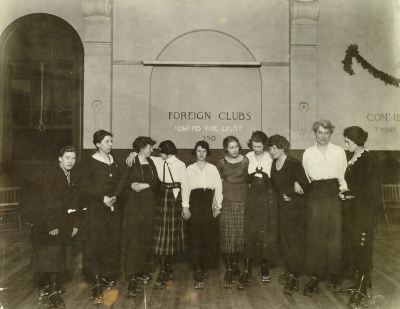
The International Institute of Boston was founded in 1924 in part as a response to the backlash of fear and prejudice following the national immigration boom that helped to build up cities like Boston. The U.S. federal government enacted admissions quotas by country, denying many who were desperate to find safety and opportunity in the U.S. The goal of slashing admissions, banning immigrants from all of Asia, and instituting a racist “quota system,” was to admit only those viewed as the most culturally similar to the white Anglo-Saxon Christian U.S. majority at the time and to “preserve the ideal of U.S. homogeneity.” Any integration support received at the time was focused on total cultural assimilation.
The International Institute model was revolutionary. Fiercely dedicated to “cultural pluralism,” IIB hired first– and second–generation immigrants as case workers and community organizers who encouraged newcomers to share and celebrate their cultural heritage while helping them access the support they needed to begin building their new lives and contributing to their new communities.
2) Defending and Supporting Immigrants Through the Great Depression and Second World War
In the mid-30s and 40s after the collapse of the U.S. economy, poverty soared, fear and suspicion raged, and everywhere Americans looked they saw both real and imagined threats to the nation. IIB deftly navigated these roiling waters, finding ways to help as many newcomers in need as possible.
IIB fought back against laws that would have deported many immigrants who were receiving federal assistance and put others in internment camps, and found ways to support second-generation American soldiers in Boston; U.S. allies fighting fascism abroad; Jewish refugees fleeing the Nazis, and refugees from the Axis countries of Japan, Italy, and Germany, whom they defended with the rallying cry “Don’t condemn—understand!”
Seizing the opportunity of a new wartime alliance with China, IIB pushed back against the discriminatory Chinese Exclusion Act and supported the city’s newly growing Chinese community. After the war, IIB helped Japanese Americans released from internment camps to resettle in Boston.
3) Resettling Refugees From Around the World
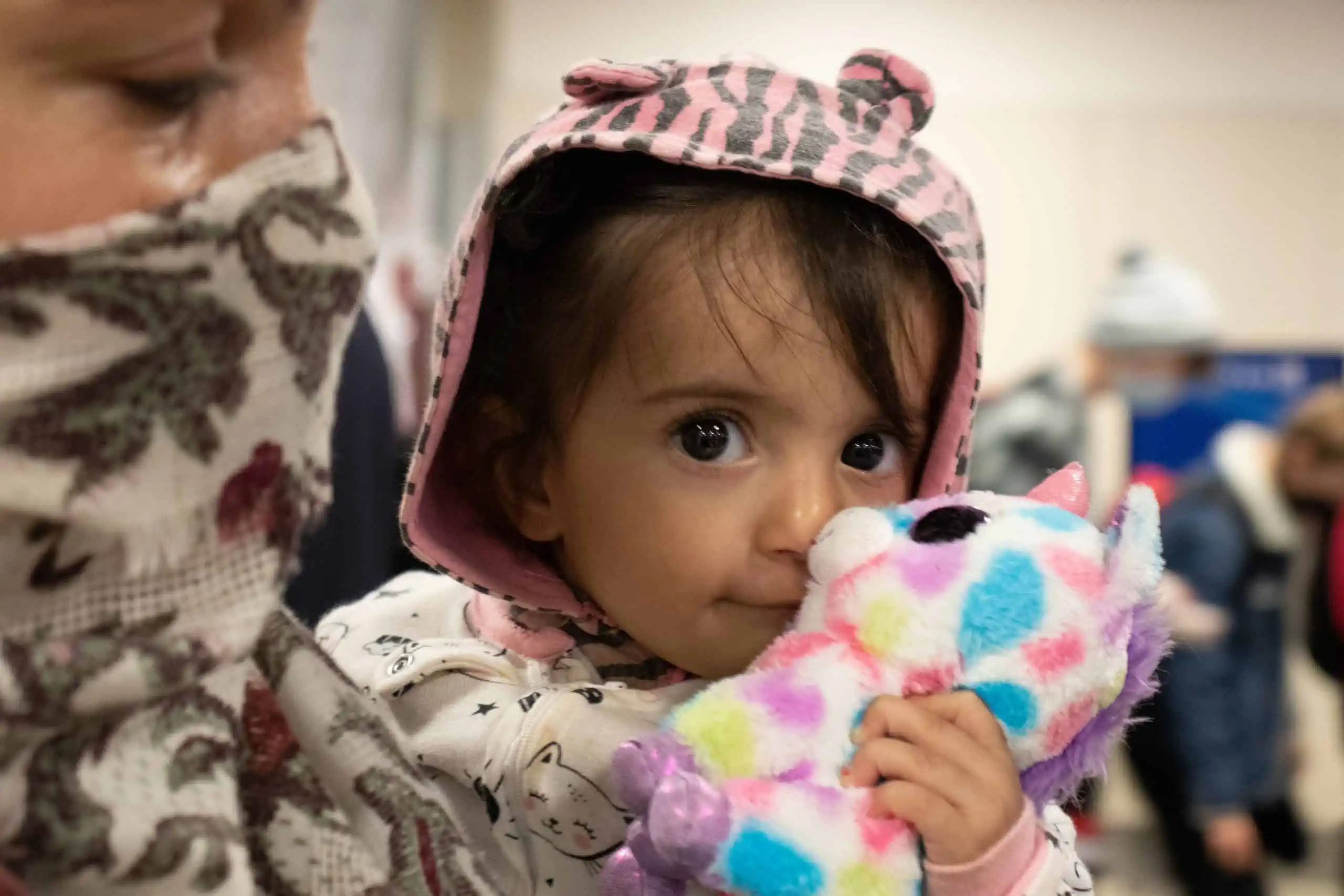 Despite dramatic changes to federal immigration laws and humanitarian protections, IIB welcomed and supported new Bostonians fleeing persecution, violence, and disasters to find freedom, safety, and a better future for their families. IIB and its supporters made Boston a haven for those escaping the world’s deadliest crises: refugees of the Second World War; repressive Communist dictatorships; the Cuban Revolution; the Hungarian Uprising; the Prague Spring; the Vietnam War; the Cambodian genocide; ethnic conflicts in Ethiopia, Eritrea, Somalia, Sudan, and the Democratic Republic of the Congo; from wars in the Balkans, the War on Terror, and the Syrian Civil War in the Middle East; and most recently, refugees fleeing the Taliban in Afghanistan, the Russian invasion of Ukraine, and the destabilization of Haiti. In each case, IIB learned about their individual needs and cultures and helped refugees build community, integrate, and make our city what it is today.
4) Helping Survivors Recover and Thrive
Throughout its history, the International Institute of Boston took initiative to provide special care to survivors of unspeakable harm, helping them to recover, stabilize and work toward a life of dignity and belonging in Boston. In the late 1940s and early 50s, IIB helped women who had been used for medical experiments and disfigured in Nazi concentration camps and refugees who had become disabled in the Second World War. In the 1990s, a Victims Assistance program was created for survivors of domestic violence, and in the early 2000s IIB created an International Survivors Center for victims of torture and war trauma. In the same year, IIB launched a program for immigrant survivors of human trafficking. Later in the 2000s, IIB welcomed former child soldiers from Sudan and launched its first program to help children who had been forced to flee their countries unaccompanied to reunite with family members in New England.
5) Fostering Welcome Through Arts and Cultures

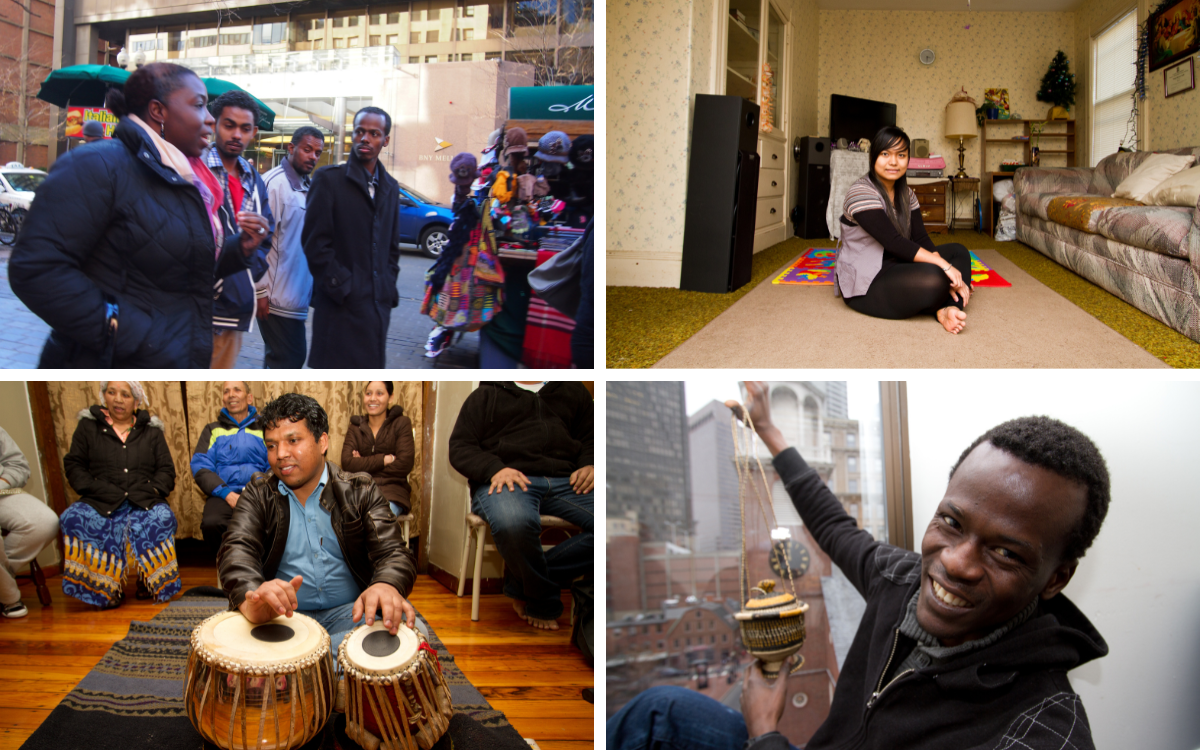
IIB has always encouraged immigrants to preserve their cultural heritage and their stories and to share them with their new neighbors to enrich the city of Boston. On any given night in Boston in the mid-1920s and 1930s, one would have had the chance to catch an IIB-sponsored play performed by a Greek youth group or a book discussion at the South End Greek Mother’s Club. A visitor to IIB’s offices might have encountered the Syrian Girls Club singing songs in Arabic, a Lithuanian art show, or a performance group practicing Ukrainian folk dance.
Beginning in the 1940s and spanning 25 years, IIB sponsored and organized the New England Folk Festival. In the 1970s, IIB launched an annual Whole World Celebration, multiday festivals featuring international art, food, and performance at Commonwealth Armory and later Commonwealth Pier, which drew tens of thousands of participants. To help build empathy, understanding, and support, in the 2000s IIB created its immigration museum co-sponsored the Human Rights Watch film festival, and created Suitcase Stories®, a live storytelling series that has reached thousands of audience members with compelling personal stories of migration and the challenges and triumphs of integration.
6) Battling the Quota System
From its inception, IIB fought hard against racist federal immigration laws that limited admissions by country, treating people from many countries as inherently less desirable than others. IIB pushed for various groups to obtain visas above their quotas, led lobbying efforts, and testified before Congress. In 1961, a letter was sent by IIB to newly elected president, immigration advocate, and Brookline native John F. Kennedy calling for reforms that would abolish the quota system and prioritize family reunification and refugees as well as immigrants with skills that could benefit the economy. That same year, Kennedy signed a bill advancing each of these requests, and in 1965, his successor completely abolished the quota system with policies that echoed the requests in IIB’s letter.
7) Building Boston’s Business Community
For 100 years, IIB has helped immigrants to build Boston’s economy while securing family-sustaining jobs and fairness in the workplace. At the beginning of the 20th century, immigrants filled Boston’s factories, built its roads, railroad tracks, bridges, and subway tunnels, and unloaded shipments at Boston harbor. In the 1920s and 1930s, IIB helped teach workers English and mediate between them and their employers.
In the 1940s, IIB helped immigrants fill the factory jobs that were fueling the war against fascism abroad and later advocated for the Massachusetts Fair Employment Act to protect them (and others) from hiring discrimination. In the 1980s, IIB volunteers began lending their cars and driving skills to help get clients to job interviews, and a Multiservice Center in Jamaica Plain established by IIB helped more than 200 Cuban refugees enter the workforce. In the 1990s, IIB launched a hospitality skills training program to help immigrants fill jobs in Boston hotels, and in the 2000s helped hundreds of Bhutanese refugees fill jobs at Logan International Airport, and introduced skills training programs in the construction and healthcare fields.
8) Defending Against Discrimination
Throughout the last century, when world events inspired fear or mistrust of groups of newcomers, IIB helped to rally Boston in support. One of many challenging moments came in the wake of the terrorist attacks of September 11, 2001, by Islamic fundamentalists. Two of the hijacked flights used in the attack had originated in Boston, and many of the city’s Muslims and Arabs became targets of violence, threats, and prejudice. IIB sprang into action to mobilize a local response, organizing a meeting of leaders from Boston’s Afghan community to issue a statement to the press, arranging a meeting between Boston’s Arab American leaders and the Hate Crime unit of the Boston Police Department, and developing a community resource guide for Boston’s Muslim community. IIB also partnered with the organization Muslim Community Support Services of Massachusetts to provide counseling to immigrants confronting trauma and feeling unsafe in their communities.
9) Helping Immigrants Persevere Through the Pandemic
In the Spring of 2020, when the Covid-19 pandemic forced sudden seismic shifts in community behavior and services of all kinds, immigration was halted, offices were shuttered, and immigrants already in Boston who faced language barriers, financial insecurity, and crowded living arrangements became the city’s most vulnerable residents.
Fiercely dedicated to protecting clients, IINE adapted quickly. An Emergency Relief Fund was formed to provide direct monetary relief for clients most in need. IINE’s Boston food pantry went mobile as staff and volunteers delivered free groceries to families in Greater Boston each month. IINE learned to operate nearly all services remotely and delivered laptops to clients so that case management and even ESOL classes could move online.
To protect people facing language barriers from the disease itself, IINE staff continuously translated the latest recommendations from the CDC into multiple languages, sent them directly to clients’ phones, and identified influencers like faith leaders and community organizers to reinforce messaging across immigrant communities.
10) Meeting a New Level of Need
In the 2020s, unprecedented refugee crises erupted throughout the world, displacing more than 100 million people by violence, persecution, and natural disasters. This crisis reached New England when, in rapid succession, Afghans evacuated with little warning after the Taliban takeover; Ukrainians who lost their homes to Russian bombing fled; increasing numbers of children fleeing violence in Ecuador, Guatemala, and Honduras sought refuge in the U.S.; and tens of thousands of Haitians forced to leave a destabilized homeland responded to the U.S. offer of protection and came to join the large Haitian community here and build a better life in our region.
To meet this moment, IINE mobilized community volunteer teams to help resettle refugees; grew its Unaccompanied Children’s program from one team to four to reach more than 1,000 children and families in Massachusetts, Connecticut, Rhode Island, New Hampshire, Maine, and the New York City area; and created a new Shelter Services team to help the thousands of people who had arrived legally but without housing support or work authorization to exit the Emergency Shelter system, find permanent homes, and join the Massachusetts workforce.
Quickly rescaling to meet the need, IINE grew from a staff of 60 serving 4,000 refugees and immigrants in a year, to a staff of 250—including many speakers of Dari, Pashto, Ukrainian and Haitian Creole—that together served more than 20,000 newcomers in 2024.
During our centennial year, we celebrate 100 years of life-changing support for refugees and immigrants in Greater Boston and prepare for our second century of service. Learn more here: IINE Boston Centennial.


 Can you share a bit about yourselves?
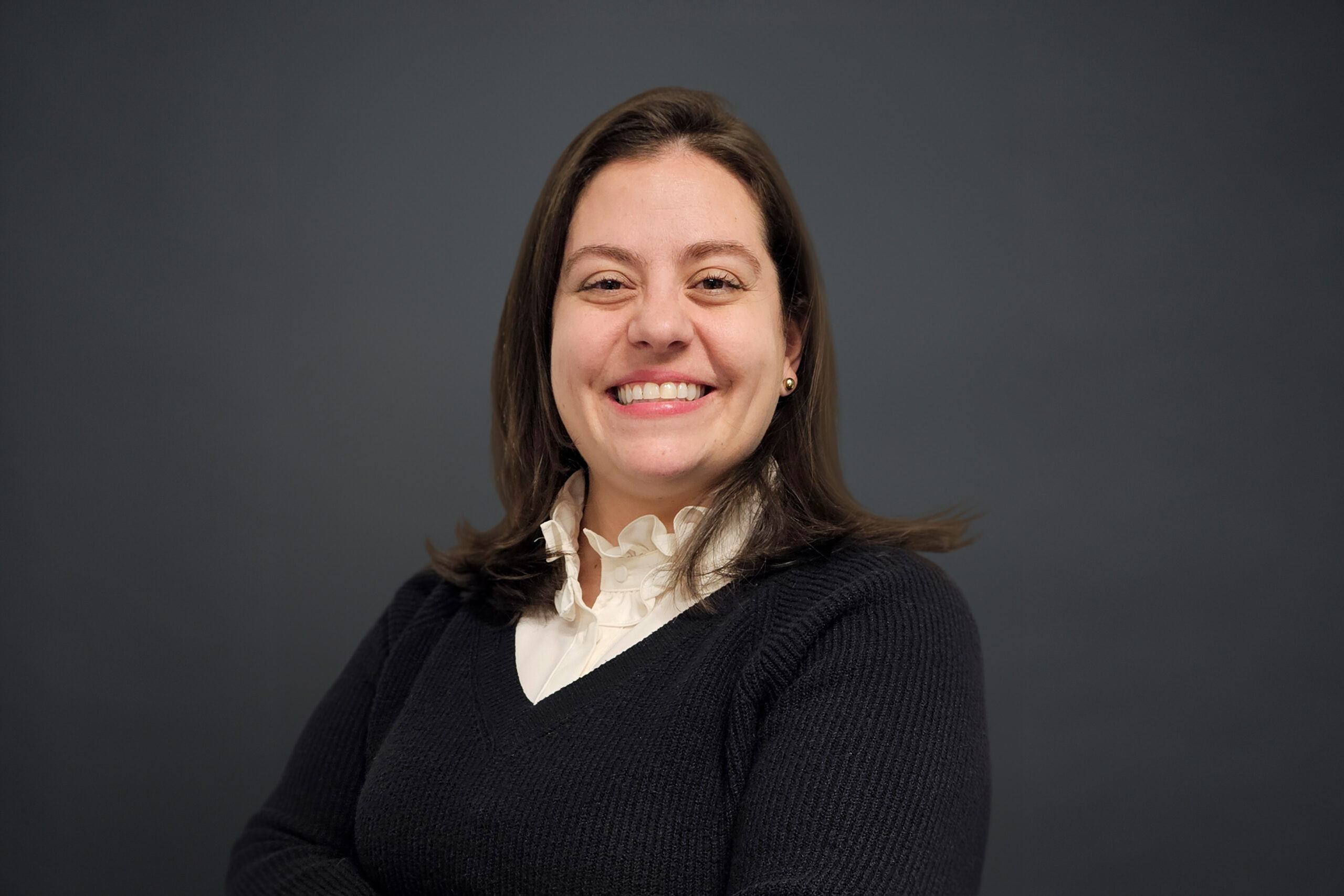 An accomplished fundraiser, Alexa will elevate IINE’s individual and major giving portfolio and oversee the individual giving team. She will partner with IINE senior leadership to provide individual donors and prospects with opportunities to deepen their relationships with IINE, growing their knowledge and support of its critical work supporting refugee and immigrant communities.
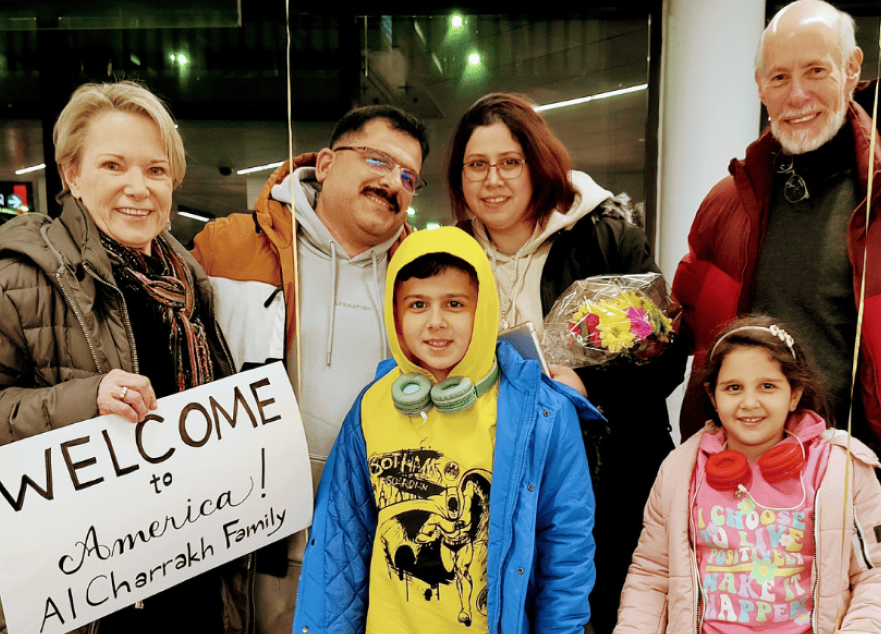 As arrivals increased, IINE
  To further engage communities in welcoming newcomers, IINE turned back to the arts, continuing a tradition that began with its international folk festivals in the 1930s and 40s and was carried on with the Human Rights Watch Film Festival and Dreams of Freedom Museum in the early 2000s. Launched in 2017, the
  IINE hired scores of new staff members to support Haitian arrivals, many of them Haitian, and held all-day “clinics” in its offices, and in libraries and churches, to help newly arrived families access cash assistance and immigration legal support. Public events like official city Flag Raisings on Haitian Independence Day helped rally community members to support their new neighbors. A new IINE department of Shelter Services was assembled to help clients exit state-run emergency shelters quickly, safely, and permanently.
 2.
2. 
 Back in his native Haiti, Styve taught high school mathematics and statistics for eight years. The work felt important—but as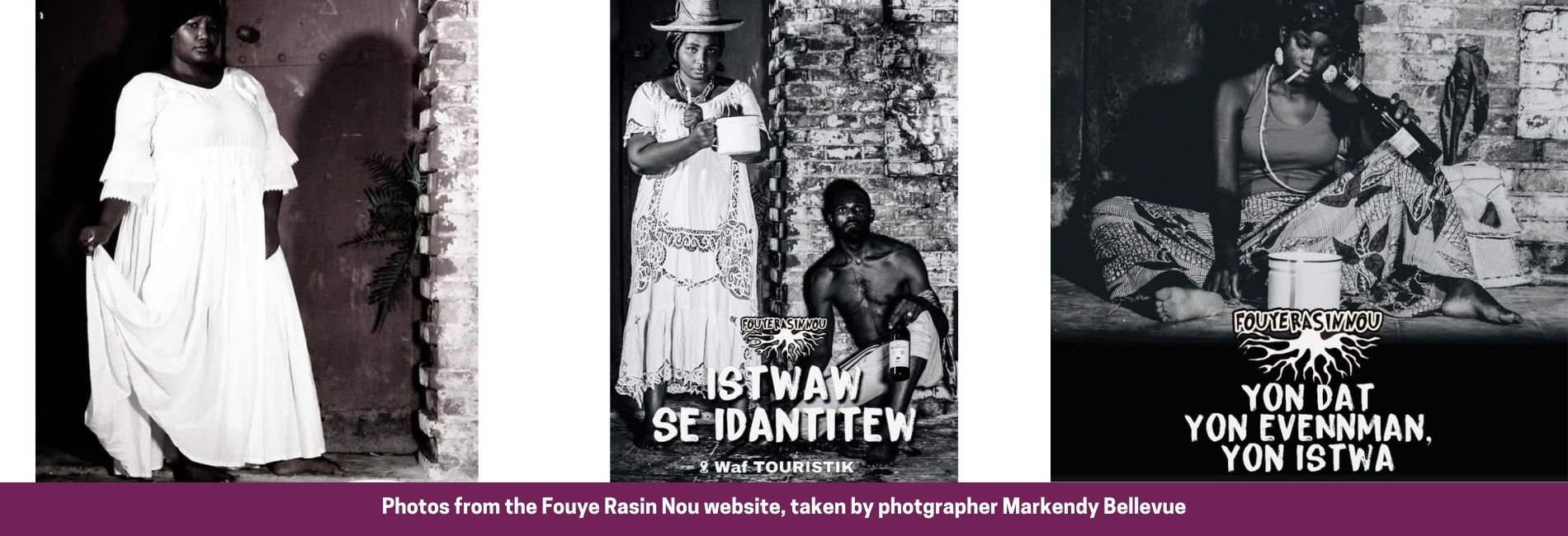

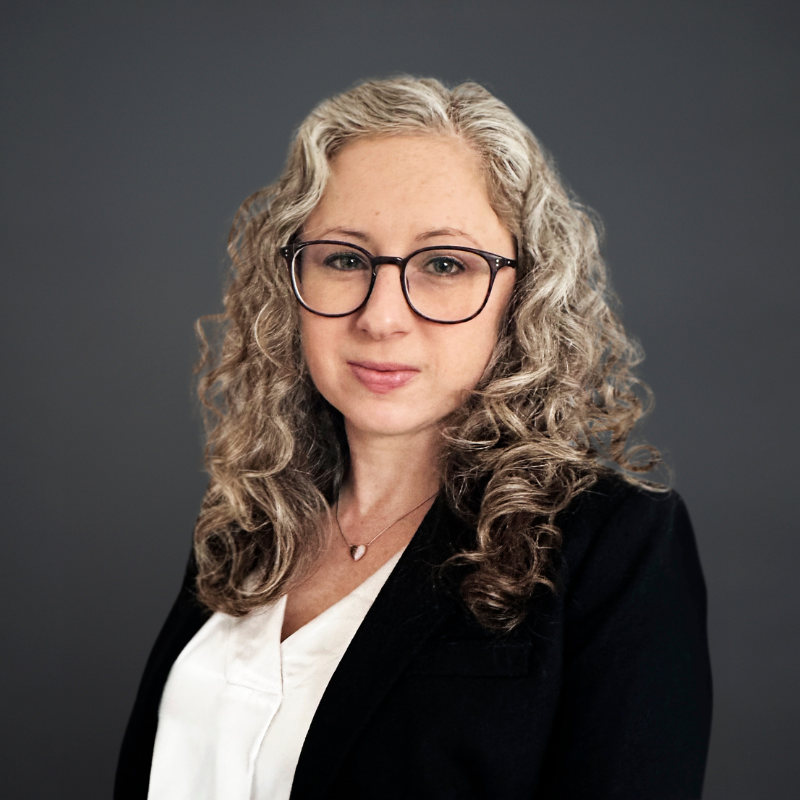

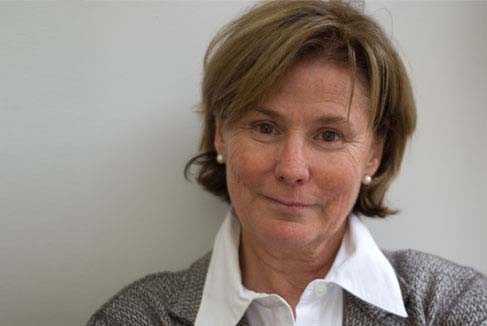 In 2005,
 Our Boston doors opened on February 1, 1924 when a group of women at the YWCA bravely took a stand against intense anti-immigrant federal policies and growing public sentiment. At that time, many in the Boston immigrant community were deeply impoverished, feared, and dehumanized. The founders of the International Institute of Boston rejected the notion that those who are born outside of the U.S. are inferior to those born here, pushed past prejudice with moral clarity, and built an institution to take action in the face of threats to human dignity.
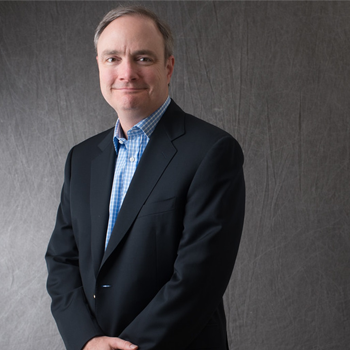 I began my career at Fragomen as a law clerk in 1991 and worked there until last year, when I retired after 32 years at the firm. During that period, I “wore many hats.” I worked in the NY office as an associate, ran the firm’s DC office, opened an office in Northern Virginia, and helped to set up the firm’s Global immigration practice. I spent my last 17 years with the firm running Fragomen’s office here in Boston.
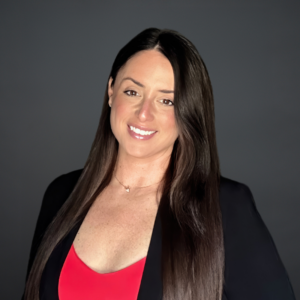 With a master’s degree in social work and a deep passion for healthcare and immigration policy, Leah has spent her career advocating for child welfare. As the Unaccompanied Children’s Program Director, Leah will oversee a team focused on helping to reunify hundreds of children each year seeking refuge from violence, poverty, and political instability in Central America with their U.S.-based families. Working throughout Massachusetts, New Hampshire, and the New York Metro area, IINE connects children, some as young as two years old, with mental and physical health services and school and youth programs, helps them find an attorney to secure legal protections, and provides critical support and trauma-informed care as they begin to recover from past experiences and family separation.