


Welcome to the Refugee Vetting Journey
This simulation attempts to offer a small insight into the journey towards resettlement that refugees have endured after escaping life-threatening conditions in their home countries. This process takes an average of 18–36 months. For many, it takes ten years or more. Outcomes are randomized to reflect systemic uncertainty — not individual behavior.
Who Are Refugees?
Refugees are people who flee their home countries and cannot return for fear of persecution based on their race, nationality, social group or political opinions. If they can prove to officials that their fear is “well-founded,” they can qualify for resettlement—the opportunity to live and work safely in a new country with initial support from an aid agency.
Of the millions of displaced people who apply for refugee status each year, only a tiny fraction are referred by the United Nations High Commissioner for Refugees, NGO’s or the American Embassy to begin the screening process for resettlement. For these few, the process has been long, demanding and rigorous.
How Outcomes Are Determined
- Probabilities vary by application stage, based on the real-world complexity and difficulty of verifying stories and documents.
- Later stages in the process involve more agencies and therefore more frequent delays.
- Delays add months or years; application closure resets the process entirely, taking you back to step one.
- For the small minority referred for resettlement, persistence does often lead to approval—but even approved cases remain vulnerable, and the final step can still unravel.
Forced to Flee
Forced to choose between life and death, your journey begins
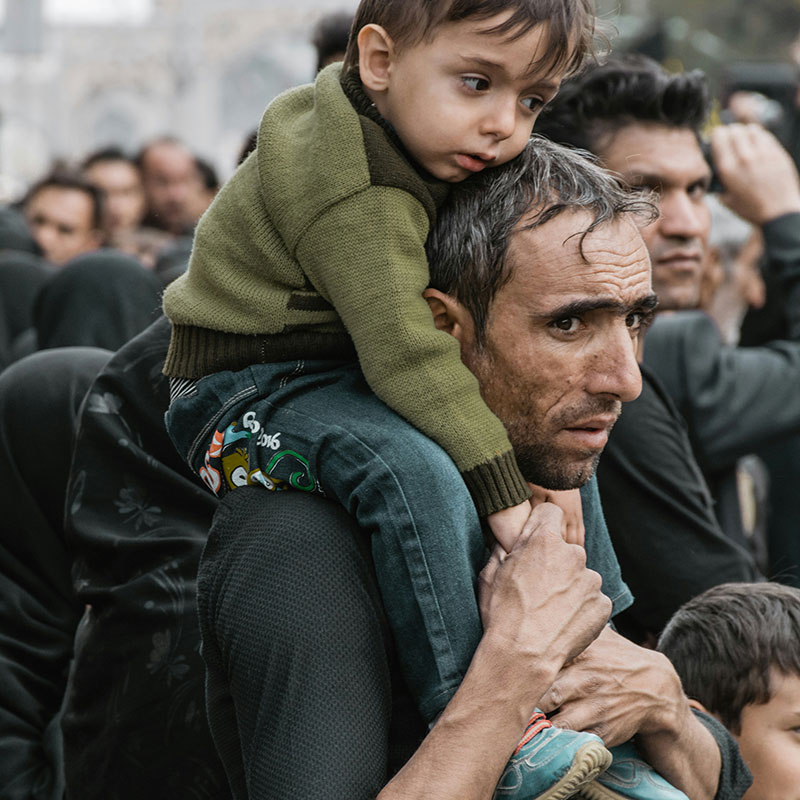
What happens: You have become the target of persecution and are threatened with violence. It is too dangerous to remain in your home country. The journey to safety will not be easy.
Potential challenges: The route you travel may be dangerous—filled with bad actors looking to take advantage of people needing to flee, difficult terrain, and closed borders. Furthermore, even once you have reached your destination, there may be a gap of months to years before your vetting process can begin. What’s at stake: Quite literally, life or death. Until you reach another country, you cannot begin the formal process of applying for refugee status.
Your case has exceeded the maximum duration for this step due to delays and unforeseen circumstances. Not everyone advances on the first try.
Registration
Consistency is key and there is no room for errors.

What happens: Your formal case has opened.
Challenges: Were you able to secure a copy of your birth certificate? Is your name spelled the same way on all of your documents? Did you lose your ID when you were fleeing, crossing a border, or detained? Missing or inconsistent paperwork is a common challenge when one is forced out of their home and can lead to cases being stuck in prolonged verification or administrative review.
What’s at stake: Unregistered cases cannot proceed.
Your case has exceeded the maximum duration for this step due to delays and unforeseen circumstances. Not everyone advances on the first try.
Credibility Interview
A formal interview where you are asked to explain why you fled and why returning is not safe

What happens: In a formal interview, you are asked to explain why you fled and why returning is not safe. Officials ask you to recount specific events—what happened, when and where it occurred, who was involved, and how you were threatened or harmed. You may be asked to recount the same details more than once to multiple agencies, or in different ways, as they ask about your family, your work, your beliefs, and the path you took to reach safety, looking for a story that remains coherent under careful review.
Challenges: Fear, trauma, translation challenges, and the amount of time since you fled can all affect what you remember and how clearly you can explain it. What’s at stake: Your eligibility for protection.
Your case has exceeded the maximum duration for this step due to delays and unforeseen circumstances. Not everyone advances on the first try.
Security Checks
Your fingerprints, photographs, and personal details are checked against multiple databases.

What happens: Your fingerprints, photographs, and personal details are checked against multiple databases run by different agencies. Your identity, travel history, and family ties are compared across systems you never see, looking for matches, inconsistencies, or unanswered questions.
Challenges: If your name is common, spelled differently across records, or entered incorrectly by someone else, your record may look too similar to someone else’s. Small clerical errors or false matches can trigger additional checks that are difficult to resolve from afar.
What’s at stake: Your case may sit in limbo for months or years while reviews continue. In the meantime, you are likely confined to a crowded refugee camp with threadbare conditions, or temporary housing with limited privacy, restricted movement, and unreliable access to food, healthcare, or work, relying on NGOs for support. You may not be allowed to earn an income, enroll in school, or fully belong where you are, remaining an outsider in a temporary home.
Your case has exceeded the maximum duration for this step due to delays and unforeseen circumstances. Not everyone advances on the first try.
Medical Screening
You are required to undergo medical examinations before you can travel.
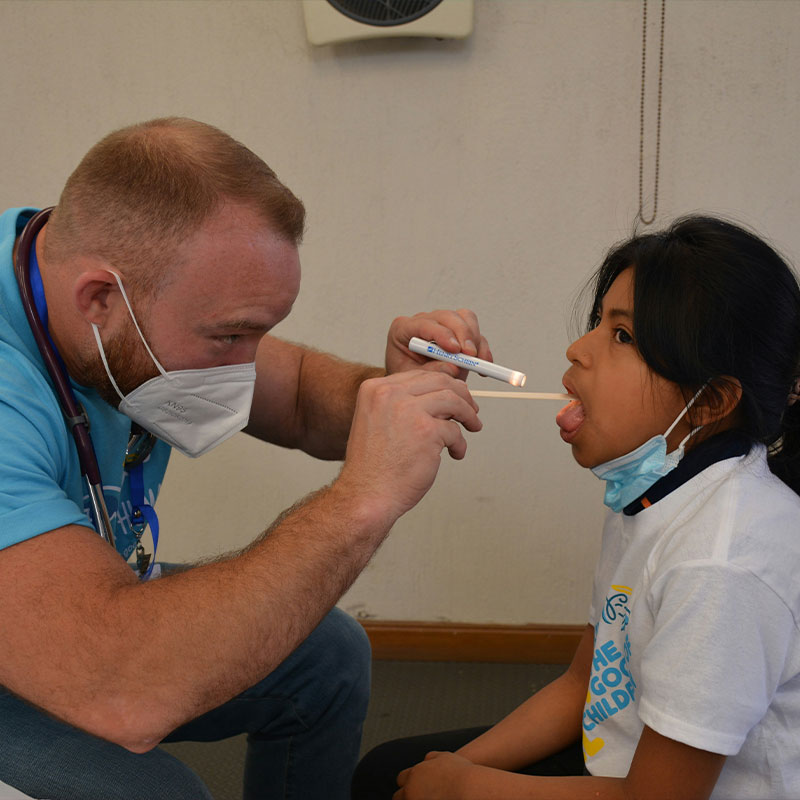
What happens: You are required to undergo medical examinations before you can travel. Doctors review your health, check vaccination records, and may order additional tests or treatment.
Challenges: Care may be hard to access, especially in refugee camps or remote settings. Treatment can take months to complete and follow‑up visits may depend on limited clinics, transportation, or the availability of specific medication. What’s at stake: Medical clearance is required to continue. Until it is granted, everything remains on hold—travel plans, housing, reunification with family who may have already resettled in a new country, and the chance to begin rebuilding your life.
Your case has exceeded the maximum duration for this step due to delays and unforeseen circumstances. Not everyone advances on the first try.
Approval & Travel
You receive final approvals and begin preparing to travel

What happens: You receive final approvals and begin preparing to travel. Flights are scheduled, and paperwork is completed. You start saying your goodbyes and dreaming of your new life.
Challenges: Even now, the process is fragile. Policy shifts, funding gaps, or expiring security or medical clearances can halt progress at the last moment. Decisions made far away can pause or undo years of review without warning. What’s at stake: Even at this final stage, a case can unravel. In early 2025, an estimated 10,000–15,000 refugees who had already been approved for U.S. resettlement—many with flights booked—were abruptly prevented from traveling when President Trump suspended the refugee resettlement program the same day he was inaugurated. For those affected, “almost there” became limbo again. The result is continued separation from spouses, children, or parents; more months or years in camps or temporary housing; and the emotional toll of preparing to leave only to be told to wait indefinitely.
Your case has exceeded the maximum duration for this step due to delays and unforeseen circumstances. Not everyone advances on the first try.
Resettlement Begins
At long last, you arrive in a new community.
What happens: At long last, you arrive in a new community. You’re welcomed by a resettlement agency that helps you take the first steps—finding housing, enrolling children in school, getting to medical appointments, learning how daily life works in an unfamiliar place, enrolling in English classes, preparing to enter the workforce, and navigating immigration law.
Challenges: You begin your new life with very little financial support and a limited social network. Quality affordable housing is scarce. In six months, you will have to start paying off the travel loan that allowed you to reach the U.S. in addition to your other new expenses. Language and cultural barriers can leave you feeling isolated. While welcomed into your new community and free from the threats that forced you to flee your home, you remain separated from loved ones and fear for their safety. The rules of the immigration system are confusing and change frequently, often for reasons that are more politically-driven than rational. What’s at stake: Whether safety becomes long‑term stability. Rebuilding takes time, support, and an opportunity to put down roots.
Your case has exceeded the maximum duration for this step due to delays and unforeseen circumstances. Not everyone advances on the first try.
You’ve arrived.
After 0 months (0 years), you have completed the journey from refugee to settled resident of the United States.