IINE has served more than 13,000 immigrants from Haiti over the past several years, as well as many immigrants from Syria, and we’re acutely aware of how dire conditions remain in those countries. The recent Supreme Court ruling allowing the termination of Temporary Protected Status for both nations hit close to home.
In addition to fear and dread from the many affected, we’ve heard a ripple of questions from community members about what this ruling means: What is TPS? How does someone get this immigration status? And how does it differ from other immigration statuses, like being a refugee or asylum seeker?
Temporary Protected Status (TPS) was created as part of the Immigration Act of 1990. Advocates like Massachusetts Congressman Joe Moakley of South Boston had pushed for protections for Salvadorans who had escaped a brutal civil war and now faced returning to those dangerous conditions because they were being classified as “economic migrants” rather than asylum seekers.
While some legislators opposed creating a new pathway to citizenship, they still recognized the need to avoid sending people back to countries in which they were likely to face harm. The compromise was a temporary legal status that would allow residents to live and work in the U.S. without fear of deportation. After a set period, the government would review conditions in the designated country and decide whether protection should continue.
Since its creation, TPS has provided a lifeline for well over one million people from countries facing crises, from civil war in Syria to earthquakes and political violence in Haiti and the invasion of Ukraine.
Here are five things to know about TPS, who it protects, and why it matters.
1. TPS allows certain immigrants already living in the U.S. to remain for as long as returning to their countries of origin is judged to be life-threatening.
According to federal law, countries may be designated for TPS because of:
- Armed conflict, such as civil war
- Environmental disasters, such as earthquakes or hurricanes
- Epidemics
- “Other extraordinary and temporary conditions”
The Department of Homeland Security (DHS) determines whether a country qualifies for TPS after reviewing conditions on the ground, including political stability, human rights concerns, and health conditions.
To be eligible for TPS, immigrants must be nationals of the designated country, have been living in the U.S. since a specified date, and apply during a specified registration period.

2. TPS is initially granted for a short period of time and then renewed if country conditions have not improved.
TPS is initially designated for a period of six, twelve, or eighteen months. Before this period expires, DHS revisits conditions in the country.
If the country is considered to still be in crisis, the U.S. government can renew TPS for those who have already applied and received the protection, and may redesignate the status to extend it to additional individuals fleeing the same conditions. If conditions appear to have improved enough for people to return to their country of origin safely, TPS can be ended. This has happened for Bosnia-Herzegovina, Kosovo, Angola, and Sierra Leone, for example, after wars concluded and stability improved. In many other cases, however, conflict and danger have persisted far longer than expected, and TPS has been repeatedly renewed, sometimes for many years or even decades.
There is no limit to the number of times TPS can be renewed. The decision is meant to be based solely on whether conditions in the country make a safe return possible.
3. TPS holders are thoroughly vetted, authorized to work, and contribute tremendously to the U.S. economy.
To receive TPS, applicants must pass a rigorous background check. Once approved, they are eligible to apply for a work permit, which is valid for as long as they hold the status.
TPS holders fill roles in vital industries that face persistent worker shortages, including healthcare, eldercare, construction, hospitality, transportation, and food production.

They were heavily represented amongst the “essential workers” who helped get us all through the COVID-19 pandemic. Today, TPS holders continue to be essential to our communities and contribute billions of dollars to the economy each year as taxpayers and consumers.
4. Many TPS holders have built lives in the U.S., yet the status does not offer a pathway to citizenship.
While they initially flee to the U.S. out of necessity, TPS holders become our neighbors, friends, and co-workers. Over the years, or even decades, that they call the U.S. home, they buy houses, build careers, join congregations, have families, and raise American children. They become entrepreneurs at impressively high rates, and enrich our communities with cultural contributions, including cuisine, arts, ideas, and fashion. Even without the full rights and protections afforded by citizenship, they become Americans in every other important sense.
5. New federal policies are threatening TPS, putting hundreds of thousands of lives at risk.
At the start of President Trump’s second term, TPS protected approximately 1.3 million people from 17 countries. The administration immediately announced the termination of TPS for eight of these countries and worked to restrict the status for others.
In several cases, such as Haiti and Afghanistan, TPS terminations occurred even while the U.S. government continued to maintain travel advisories warning U.S. citizens about conditions in those same countries.
Federal judges initially blocked or delayed several terminations, but a recent Supreme Court decision has now largely exempted TPS decisions from judicial review, giving the executive branch greater authority to terminate protections.
Ending TPS prematurely not only threatens the lives of TPS holders, but also threatens to separate families, devastate our workforce and economy, and—because so many TPS holders work in healthcare professions with severe labor shortages—abandon patients, people with disabilities, and elders throughout the country.
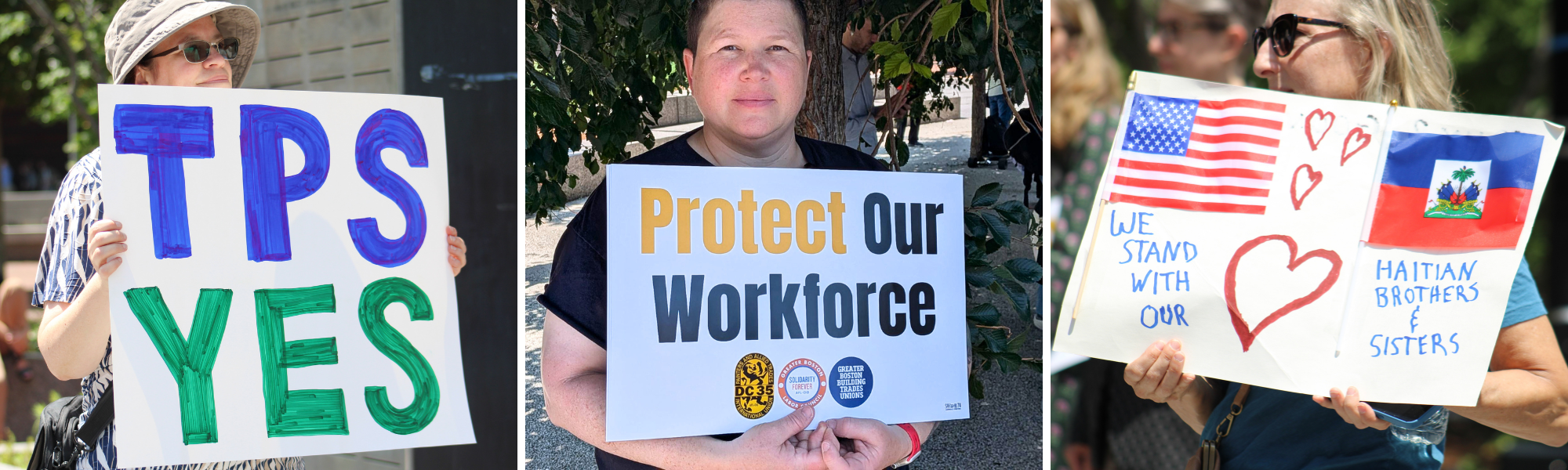
Providing a lasting solution now calls for action from Congress. It will require reversing recent harmful decisions, protecting TPS from politically driven terminations, and creating a permanent pathway to citizenship for long-term residents who have become integral members of our communities.
• • •
Learn about IINE’s efforts to support TPS holders and how you can help.
Related Articles

Cultural Orientation: Helping Refugees and Immigrants Adapt to the U.S. While Maintaining Their Identity

The International Institute of New England Welcomes the African Community Center of Lowell to 585 Middlesex St.

How A Weekly Soccer Game Helps Immigrants Advance Towards Their Career Goals