metapixel
Ir al contenido principal

Autor: Danielle Gauthier

Why They Give: Donor Profile

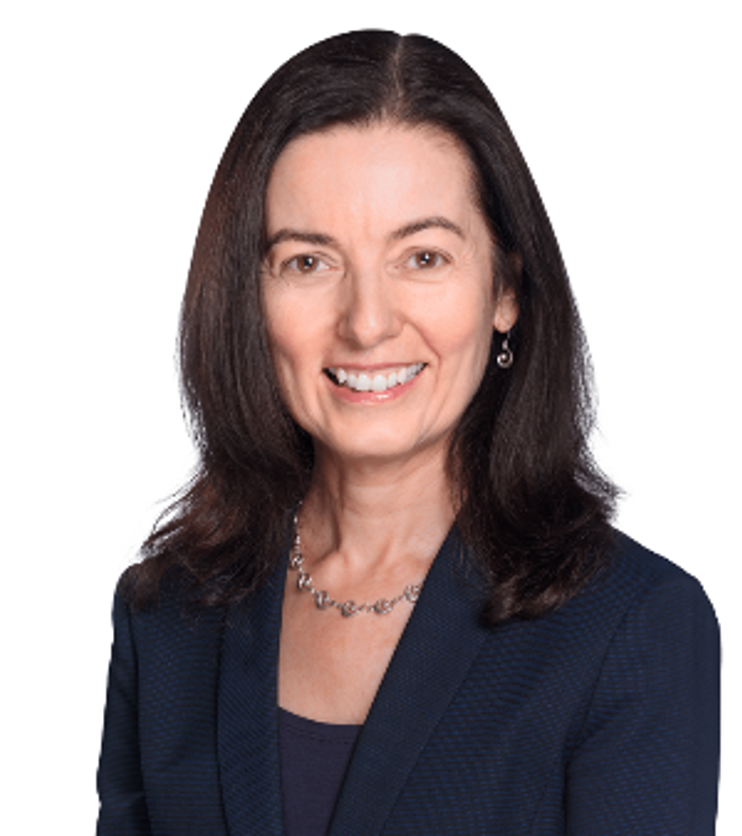
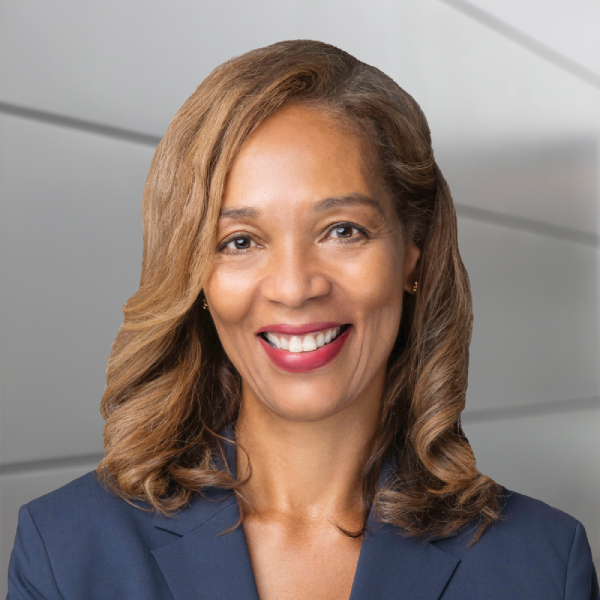
Why They Give: An Interview with IINE Donor Leigh Bivings

Our donors help ensure that refugees and immigrants receive the support they need to find stability, learn English, secure jobs, and pursue their dreams in our communities. In our Why They Give series, we talk with them to learn more about their connection to our mission and what inspires their support. 

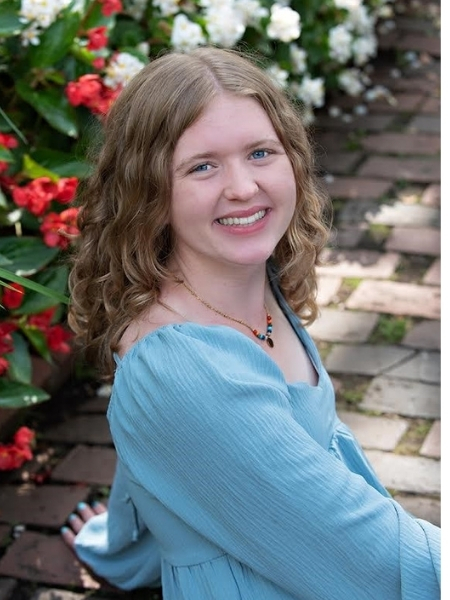
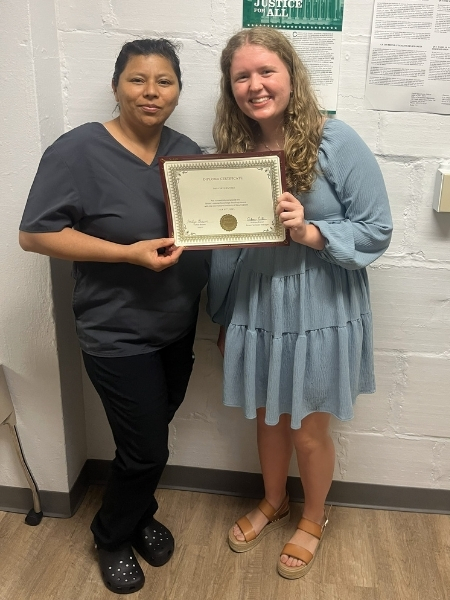
In our latest installment, Leigh Bivings, a generous supporter of IINE and member of our Leadership Council, shares how she first became involved with the International Institute of New England, her experience supporting a family from Cameroon, and how she finds purpose in giving back to the immigrant community.  

¿Puede hablarnos un poco de usted?

I grew up in Arizona and completed most of my undergraduate and graduate degrees in California. I then spent a few years abroad, including in Latin America, where I volunteered with the Peace Corps, and in London, where I met my husband.  

When I was accepted to Stanford University to complete a PhD in Economics, I headed back to California, this time with my husband in tow. I graduated in 1992 and accepted a job in Boston, and we have been living in the South End of the city ever since.  

My career has had essentially three chapters – I worked as a management consultant at The Monitor Group, which has since been acquired by Deloitte, I did due diligence work for private equity firms at a firm called Stax, and then I started a wealth management firm called Artemis. I sold the firm to Beacon Pointe at the end of last year, and so I am finishing up this chapter.  

In my free time, I love reading history, being outdoors, traveling domestically and internationally, and playing tennis.  

¿Por qué es importante para usted la filantropía?

I have been very fortunate in my life in most dimensions. I feel that because I have the time, energy, and capacity to give back, it’s important that I do.  

I’ve been able to provide financial support to several organizations, and I also served on the board of the Boston YWCA for many years, and both of these opportunities have allowed me to make an impact.  

I’ve also volunteered as a Big Sister with Big Brothers Big Sisters of America, and I’ve served as a mentor to young women through Year Up, a nonprofit focused on providing workforce training. These experiences taught me that I truly enjoy providing direct support when I can – which ultimately led me to IINE. 

On that note, how did you become involved with IINE?

It was August of 2022, and I had some time on my hands (no one wants to talk to their financial advisor in the summer!). I had been following the coverage of Russia’s invasion of Ukraine, and I was really searching for a way to help. My husband and I own a 5-story brownstone and live on the top three floors. At the time the war broke out, we didn’t have anyone on the bottom two floors, and I remember thinking, “We have this great one-bed apartment and not a soul living there!”  

I began reading about the United 4 Ukraine program, which was looking for volunteers to provide housing and support to newly arriving Ukrainian refugees. My husband and I signed up to help through Welcome.US, and we were matched with a lovely Ukrainian family. Ultimately, the family, who are Russian speakers, ended up resettling in Estonia where there’s a large Russian-speaking community, but we have stayed in touch with them ever since.  

Around the same time that we learned the family wouldn’t end up coming to the U.S., a friend of mine reached out about joining a group of IINE volunteers to help welcome a Cameroonian family—two women and one of their sons. I said yes, and I joined their Resettle Together group in December of 2023.  

It wasn’t an easy adjustment for the family, but they are doing well now. The women are settled in a nice apartment, they both have full-time jobs, and they’re learning English. We helped enroll the young boy in school when they arrived, and this past summer, all of the members of our volunteer group chipped in so he could attend summer camp. It’s been a very rewarding experience to see the family progress, and to help play a role.  

What advice would you give to someone who is interested in learning more about welcoming and supporting refugees and immigrants?

I would say it’s very rewarding because it’s so tangible. These days, I’m thinking a lot about what I can do to help the populations who are being disproportionately affected by the current presidential administration. I can write checks, I can support lawyers and advocates, I can attend protests, and through organizations like IINE, I can have a direct impact – that feels important.  

I would also say be prepared to learn a lot, including how hard it is to be poor in this country. The high cost of living; challenges in accessing public benefits, healthcare, and public transportation; the need to work multiple jobs to make ends meet – this is not an easy place to resettle. Accompanying the family throughout their first year in the U.S., I saw how resilient and determined you have to be.  

Last question – do you have a personal connection to IINE’s mission that inspires your support? 

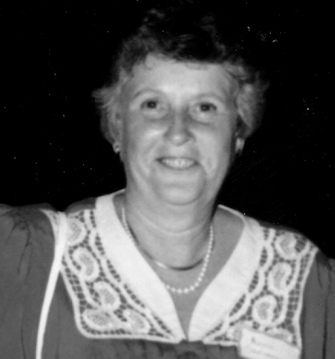
I do. My mother was born in Britain, and she and her parents were living in southern France when there was news of the Germans coming during the war.  My mother and grandmother were sent to a relocation camp for several months, but ultimately were released because my grandmother had American citizenship. They were able to escape to Portugal and then make their way to New York, where they had family members living.  

I think of their journey, and how grateful I am to be here, and that inspires my desire to help immigrants.  

El IINE sólo puede prestar los servicios que tanto necesitan los refugiados y los inmigrantes gracias al apoyo de nuestros generosos donantes. Hay muchas maneras diferentes de donar. Obtenga más información aquí: Donar fondos.

“I Always Want to Give Back”: Suraj Budathoki’s Journey from a Refugee Camp to the NH Statehouse 

In November of 2024, Suraj Budathoki was elected to represent Hillsborough County District 40 in the New Hampshire State House, becoming the first Bhutanese-American State Representative in U.S. history. In his acceptance speech, Suraj said his victory was “the culmination of 16 years of dedication, resilience, and commitment to this community.” 

 In a recent interview, Suraj spoke to IINE about this journey. 

Learning Resilience 

Suraj became a refugee at the age of nine when the Bhutanese government suddenly stripped members of the Nepalese-speaking Lhotshampa minority of their citizenship and drove them from their homes. He spent the next nearly twenty years of his life in a refugee camp in Nepal.  

Suraj says his time there “taught me a lot; the resilience, the continuity to do things and not give up.”  

When he finally arrived in the U.S. after decades of waiting, he landed in Atlanta, Georgia. He recalls seeing a group of people at the airport handing out gifts to arriving children. “There is compassion for immigrants and refugees here,” he remembers thinking.   

Still, life was far from easy. Suraj arrived with a bachelor’s degree and a nearly-completed master’s degree but soon found himself working two full-time jobs for minimum wage—a day shift at a fast-food restaurant followed by an overnight shift stocking grocery shelves. It was difficult to save or build a social life.  

Work and Welcome in Manchester 

Suraj was excited when a friend from home told him about his life up north in Manchester, New Hampshire, where he had been resettled by the International Institute of New England. Manchester was smaller and easier to navigate. Jobs there offered better starting pay, and through IINE, Suraj could train to become a Licensed Nursing Assistant within a month.  

He was sold. In 2009, Suraj moved to Manchester, “and that’s what I did! I finished the Licensed Nursing Assistant program and then within two months, I got my license! The Employment team helped me get a job and after that I’ve been working with IINE for many, many years.” 

Suraj took to New Hampshire right away. “The mountains and the green vegetation resemble my small town in Bhutan,” he says, and compared to the sprawl of Atlanta, the compactness of Manchester was closer to the life he knew in Nepal. As in Atlanta, he took on two full-time jobs, but these he found more meaningful and in line with his goals. One was at a rehabilitation center for adults with traumatic brain injuries. The second one was to train adults who hadn’t completed high school to create resumes and help them find jobs.  

These early jobs helped Suraj build up his English skills. He soon went back to school at Manchester Community College and then transferred to Southern New Hampshire University to study Political Science.  

“Then life took off.” 

Building Community 

Suraj (center) has advocated for peace in Bhutan throughout his career

With his newfound confidence and vision, Suraj co-founded Bhutanese Community New Hampshire (BCNH), a non-profit dedicated to helping fellow Bhutanese refugees to integrate and thrive. He served briefly as the organization’s first executive director and then joined its board.  

“My first focus was learning to get grants,” Suraj says, and he still vividly remembers the story of his first submission, trudging through the rain to hand off his big envelope in-person, and then waiting months for a response. Finally, he heard back that he had won $6,000 for his mission. He was thrilled.  

With practice, he became more and more adept at grant writing, securing grants as large as $1 million.  

“I was able to hire 23 staff! Can you believe it?” 

Even more exciting was turning the funding into medical care, mental health services, and employment support for his community. BCNH formed a close partnership with IINE, who referred newly resettled Bhutanese clients for additional support. As it grew, BCNH expanded its mission to accept clients from additional countries and changed to its current name: Building Community New Hampshire.  

Feeling the Bern 

In 2016, Suraj was able to exercise his political science muscles when the presidential campaign of Vermont Senator Bernie Sanders opened a field office in New Hampshire.  

“It was my first time working on a campaign and I got the second-highest post for New Hampshire! That was my first opportunity to get to know Bernie, his team, and the people of New Hampshire. I was so privileged to work on his campaign and travel a lot across the state.” 
 
Suraj says that talking to people throughout the state had a profound effect on him. “I heard a lot of people’s often painful stories, and I could relate from when I was in a refugee camp…It’s not having money to pay rent; the cold; not enough food for the elderly who invested their life making America better, supported their kids growing up, when they were young and then paid taxes, and at the end of the life they have nothing to enjoy.” 

Suraj decided to tackle these issues head-on at the community level. His founded Bloom and Shine, LLC, a human services agency that provides in-home behavioral and physical healthcare to New Hampshire seniors. 
 
“I felt I needed to do something, and Bloom and Shine is something. Providing caregiver services to the elderly and disabled, it’s something I feel proud of.” 

Pursuing Peace 

While deepening his roots in his new community, Suraj was also studying international development, completing a master’s degree from Norwich University, and beginning a Ph.D. program at Saybrook University with a focus on conflict resolution. His research revealed clear historical patterns of opposing sides in ethnic conflicts becoming increasingly entrenched in their mutual opposition as suffering increased. 

“I saw that happen in Bhutan in the ‘90s. My Ph.D. is on how to find a solution. How can we transform that adversarial relationship into a conducive, friendly relationship? As I did more research on conflict resolution and negotiations, I found that there are peacebuilding and reconciliation methods that can bring two conflicting parties together.” 

Inspired by his research, he launched the Peace Initiative for Bhutan (PIB). 

“I talked to many young Bhutanese-Americans, college students, and other like-minded individuals, and they also had the same kind of idea. We came together to form this peace initiative. The approach is distinct from what our leaders did in the past. We are not doing this to win—to defeat the other side. We’re doing this to find common ground—to resolve through dialogue.” 

The goal of the initiative is to heal relations between the nation of Bhutan and its refugee diaspora. This reconciliation would allow Bhutanese refugees to return home in peace to reunite their loved ones.  

Members of the Peace Initiative Bhutan on the trip to D.C.

The first step for PIB was to draft their own peace plan and send it directly to the king of Bhutan. When they didn’t receive a response, they posted their plan online and alerted the press. Next, to draw further attention, they got the U.S. government involved. Suraj traveled to Washington D.C. and lobbied to get both the U.S. House of Representatives and the U.S. Senate to introduce resolutions calling for reconciliation.  

Bhutan began to listen. 

“We did a couple of rounds of informal dialogue with people inside Bhutan, also some parliamentarians,” Suraj says. “This has never happened before with other approaches. Our method is based on mutual respect, based on love to the other side.” 

The People’s House 

Suraj’s success with the Bernie Sanders campaign, his empathy for the struggles of working people in New Hampshire, and his progress with PIB all inspired him to make his own run for the State House of Representatives. His victory was a huge source of inspiration for fellow Bhutanese refugees. New Americans Magazine reported, “Suraj’s win quickly became a sensation on social media, sparking pride and celebration across the Bhutanese diaspora, which includes former refugees resettled across eight Western countries. Bhutanese-American social media platforms lit up with messages of pride, congratulatory posts, and reflections on the significance of this victory.” 

While ever hopeful, Suraj is learning about the challenges of belonging to a minority party in a state legislature. 

“We don’t have much say in any bills or regulations. We don’t have that power. We do share what we think, what we believe would bring positive change, but supporting the middle class or poor community is not what always gets attention. It feels painful when we see bills cutting support to the elderly, to the university system, to special education, and many others in New Hampshire.” 

Suraj is committed to speaking up for vulnerable constituents, but sometimes he worries about others’ misconceptions of his background and journey.  

“I testified in one of the committees against a bill, and I told them my success story. I came here as a refugee. 100 people work in my company. I’m going to college. I paid this much in taxes, etc…People may feel I’m taking their space. They see themselves working day and night, but I came here a few years ago, and now here I am running a company and a state representative. They may not understand the human side, the hard work, of what we as immigrants do here.”   

He wishes more people understood about his time working two jobs for minimum wage to build a foundation, missing many nights of sleep and the family he left behind at the refugee camp. 

But like his Peace Initiative, he sees his political work as an experiment and says that his political career is “just getting started.” In the arc of his career, it’s one more way to heed the calling he first heard back in the refugee camp in Nepal. 

“The international community, the United States and many other countries, they helped us a lot. We were not able to go to work outside of the camp, and we were fed and supported by many Western countries…We always feel we should give back for those many years we were given—and that’s the call—I always want to give back to the community. Whatever I’m doing now, being a State Representative or running this home health care business, it’s always supporting community, providing employment and uplift.”  

---

Refugiados e inmigrantes emprenden largos y difíciles viajes para huir de la violencia y rehacer sus vidas en Estados Unidos. Tú puedes darles la ayuda que necesitan. 

Atefa's Story

Atefa’s Story: With Ongoing Support, a Young Refugee Builds a Brighter Future

Atefa’s story is featured in our Spotlight Report: Who We Can Serve and How in a Rapidly Shifting Landscape. Click here to read the full Spotlight.

When the Taliban retook control of Afghanistan, Atefa, her mother, and three brothers escaped their home, resettling as refugees in Lowell in 2022. As the eldest sibling, Atefa quickly took on adult responsibilities. She became her family’s interpreter and spokesperson at doctor’s visits and school appointments – all while balancing learning an entirely new culture and language.  

At first, school was frustrating for Atefa. In Afghanistan, she had already begun college, but her high school transcripts were among the many possessions she had to leave behind, and without them, she had to begin her American education as a freshman at Lowell High School. Still, she stayed focused and determined. For support, she went to nearly every tutoring session provided by IINE’s Refugee Youth Mentoring program, bringing her brothers along to make sure they progressed as well. That year, Atefa earned honors recognition for her grades. 

During her junior year, Atefa began exploring the college application process. When IINE’s Youth team advised her to join extracurricular activities to stand out, she became a student ambassador, helping fellow newcomers adjust to life in Lowell. Her leadership and service led to her acceptance into the National Honor Society in her senior year.  

That summer, Atefa went back to her IINE mentors for guidance, and they suggested volunteer work. In addition to working at a grocery store, participating in school groups, and helping her family, she began giving back to support other IINE clients. She delivered fresh produce and packaged goods to families, provided interpretation, and peer-tutored fellow refugee youth.  

Atefa’s relentless dedication was rewarded when she was accepted to four colleges! She chose the University of Massachusetts Amherst, where she will study civil engineering starting in the fall of 2025. As she prepares for this next chapter, she continues to reach out to the IINE Youth Team for guidance on class selection, financial aid, and housing. 

---

Refugees and immigrants come to the U.S. after enduring unimaginable hardships. You can give them the help they need to rebuild their lives here. 

In New Hampshire, Investing in English Language Classes Makes Everyone’s Healthcare Better

A Healthcare Success Story

As in much of the country, if you live in New Hampshire and you need medical care, you’re likely to get help from some people who began their lives in other countries. Immigrants and refugees make up about 18% of the U.S. healthcare workforce. In New Hampshire, they make about 7% and are particularly prevalent in patient-facing roles, such as home healthcare aides, drivers, cleaners, and food preparers. They’re the people who help you feel comfortable, safe, and cared for when you’re at your most vulnerable.  

These are roles for which there are dangerous shortages in New Hampshire, a state with a rapidly aging population. It’s an urgent need that creates an opportunity for newcomers seeking entry-level jobs that may not require a local work history and more than basic English skills.  

“Matching newcomers with New Hampshire healthcare employers has been a real success story in general,” says Kayla Rossmeissl, IINE’s Director of Program Design and Evaluation. “Employers are getting fast-learning, resilient, highly motivated workers, who have the benefit of IINE to help support their orientation and development. Our clients often say they’re excited to be helping people in their times of need and giving back to the community that’s welcomed them.” 

A Desire for Investment

In 2019, Kayla helped develop LNA for Success—an IINE skills training program that combines English language instruction, vocational training, higher education partnerships, and apprenticeship, to help prepare immigrants and refugees for the job of Licensed Nursing Assistant. She says that in promoting this program over the next few years, IINE discovered a real desire for greater investment.  

“We had been doing a lot of community presentations and working closely with [LNA for Success partner] Manchester Community College. We started to discover a lot more partners who are looking for ways to help get refugees and immigrants more economically stable—career laddering, higher paying jobs, things like that.” 

She also found healthcare providers looking to invest in their immigrant employees. At one networking event, representatives from two local hospitals sought her out. 

“They were just like, ‘Kayla, I heard you set up these ESOL programs. Can we chat?’ From there, we were all brainstorming to come up with a program to help their workers.” 

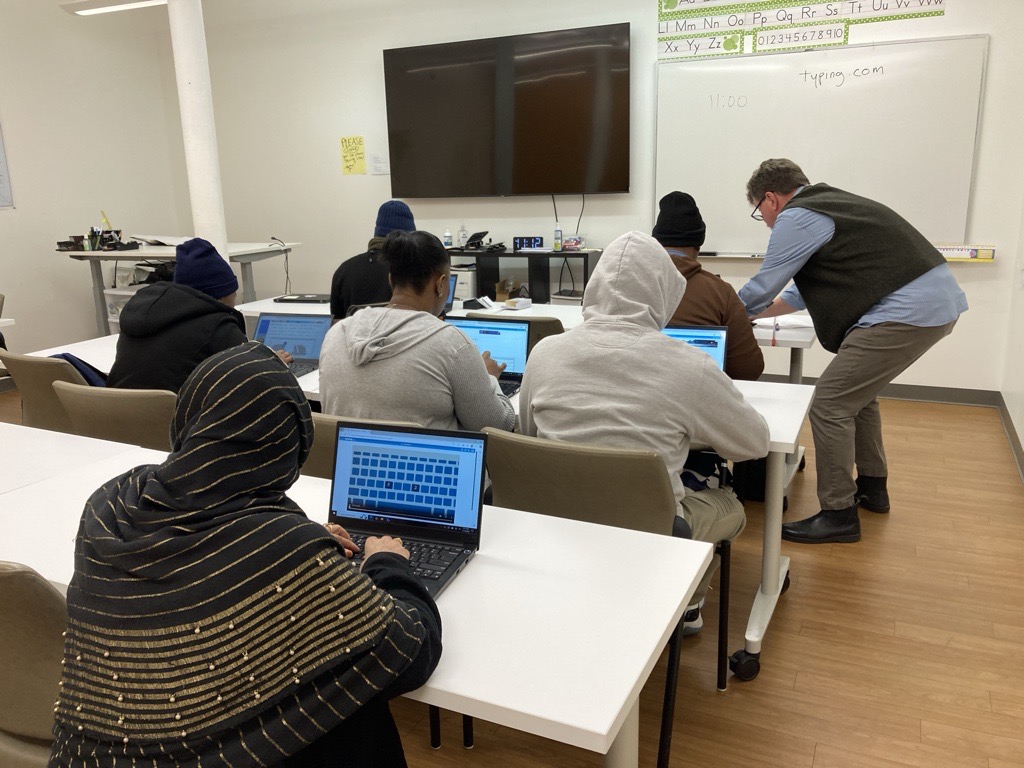
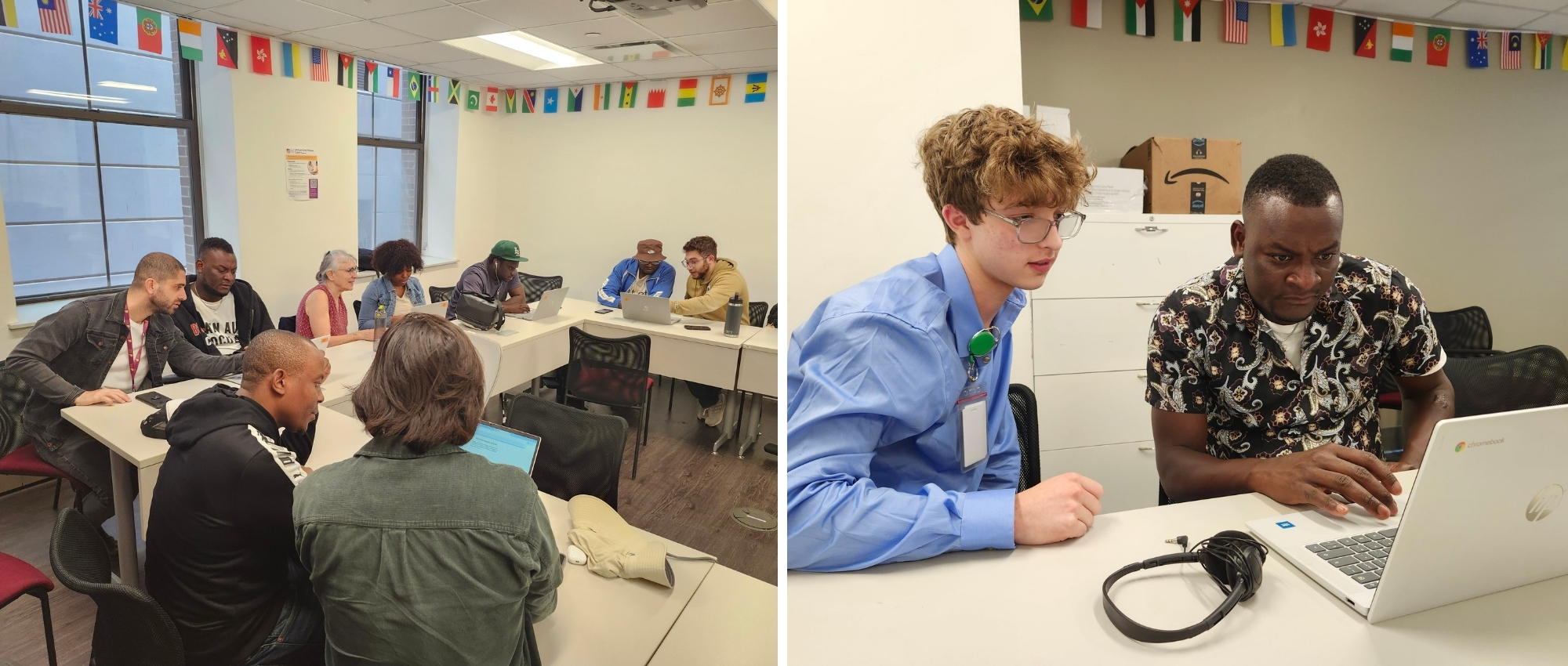
Both hospitals were interested in paying their employees to deepen their English language skills during the workday, through on-site, workplace-focused English for Speakers of Other Languages (ESOL) classes. 

“Which is amazing,” Kayla says, “because a lot of families are juggling multiple part-time jobs and childcare, and wouldn’t otherwise have time to take classes.” 

Kayla wasted no time in developing a curriculum for a pilot “ESOL 4 Healthcare” program, conducting interviews with partners to learn about their goals and challenges.  

“They wanted to see people become more confident in speaking English, because even though they are in environmental services [maintenance], they do greet the patients in their rooms, and they interact with other staff in the hospital, like their supervisors. So, having more confidence in communication, being able to read and write emails, improving digital literacy skills, and navigating internal systems like clocking in and out—these were all things we could help with that could improve everyone’s experience.” 

Gaining Confidence

“I would say for me personally, what I see in the students, cohort after cohort, is confidence,” says Becky Marden, Director of Workforce Development at Elliot Hospital in Manchester.  
 
“In their evaluations, they’ll say things like, ‘I’ve gained the confidence to say hello to my manager in the morning, whereas before I might just have avoided eye contact,’ and things like that. And that’s what inspires me to keep pushing for this class and making it better every cohort.” 

Having helped develop the concept, Elliot Hospital is now in its third year of ESOL 4 Healthcare. Becky says that she’s frequently blown away by the improvement that Elliot’s English language learners make in listening, reading, and writing skills over the course of a cohort—which spans two hours/day, six days/week for sixteen weeks, an impressive investment of staff time. In addition to the improvement in workplace communication and staff-patient relationships, she says that Elliot is gratified to be able to provide some meaningful support to some truly impressive people, which, in the most recent cohort, were six students from six different countries. 

“For me it’s also about the social contacts outside of work—they can use email or finally set up a bank account for the first time. These are some of the most resilient and hardworking employees we have. I could never go to another country and work someplace and not speak the language. I would just be so frustrated. And yet they’ve done it and they’re working in our community.” 

Becky says her CEO shares this feeling. After attending an ESOL 4 Healthcare graduation, he invited several of the recent graduates to a Board Meeting so that the hospital’s leadership could meet them, and they could showcase their new English skills. For Becky, the next step is developing apprenticeship programs within the hospital to help English language learners on staff to advance in their careers there.  

“Some of them have healthcare experience from their previous country. We had a nurse practitioner in one program. We had a labor and delivery nurse in another, and they just want to work in the healthcare field. Their credentials don’t come over, their education doesn’t come over, but here they are, sometimes cleaning toilets just so they can be in healthcare. How do we get them back to the bedside? ‘Cause that’s where we need them.” 

This is the Future

Elliot Hospital is currently one of nine IINE ESOL 4 Healthcare partners, and the number is growing quickly. They include providers offering mental health care, senior assisted living, and more. One new partner, Dartmouth Hitchcock Hospital, offers English classes remotely to reach student in more rural areas, and has developed apprenticeships in Phlebotomy and Lab Tech.  

“I’ve got five more in the queue!” says Kayla. “I really think this is the future. There’s a lot of interest in bridging the gap. There’s tremendous need here, from people who can really benefit from these kinds of jobs, and from employers who are always interested in a stable source of new staff members who come to them recommended and supported.” 

Investing in job training opportunities for refugees and immigrants creates a stronger workforce for us all. Help newcomers grow their careers and our economy by donating to IINE today.

Immigrants in the U.S. Workforce

Quiz: Immigrants in the U.S. Workforce

Test your knowledge of the role immigrants play in the U.S. workforce with this quiz.  

1 / 5

According to the U.S. Bureau of Labor Statistics, in 2024, what percentage of the U.S. workforce were immigrants? 

2 / 5

What percentage of the total U.S. healthcare workforce are immigrants?

3 / 5

Besides healthcare, which of the following roles are significantly filled by immigrants in the U.S.?

4 / 5

All immigrants residing in the U.S. contribute to the U.S. tax base. About how much tax revenue did immigrants generate in 2023?

5 / 5

When immigrants lose their work authorization or are forced to leave the country, what typically happens to the jobs they leave behind?

Your score is

The average score is 59%

0%

Soccer blog

Shared Goals: How Refugees and Immigrants Bond Through Soccer

It’s the most popular sport in the world. You can play it in a schoolyard, a gym, a park, or even a refugee camp. You don’t need expensive equipment or to even agree if it’s called “soccer,”futbol,” or something else entirely. You just need a ball, a goal, and a group of fellow players. Once you start playing together, you tend to become friends. For these reasons, “the beautiful game” is providing some beautiful opportunities for IINE clients to connect with one another across backgrounds. 

A Clinic for Lowell Youth 

IINE Youth Program Manager Isabel Goes says she’s noticed a clear pattern: “Anytime we talk about sports when we first meet with clients, it’s like, ‘OK, well, does that mean like, soccer?!‘” Her clients are definitely fans. She remembers one showing up to a workshop in head-to-toe Cristiano Ronaldo gear, and the delight of clients unwrapping soccer gear at a holiday gift swap.  

Olf (L) stopping by IINE’s offices to donate soccer equipment to refugee youth

When she decided to organize a youth soccer clinic last June, she knew she’d have plenty of support. Her first call was to Olf Mouyaka, a former refugee from the Democratic Republic of the Congo who grew up in Lowell after being resettled by IINE, and recently founded a soccer-based youth development program called the Football Leadership Organization. Olf had donated soccer equipment to IINE in the past and had experience running clinics.  

Next, to recruit participants, she turned to her colleague Yusuf Abdi. Yusuf’s official job is as IINE’s Career Services Manager, but after hours, he puts tremendous effort and passion into organizing community pick-up soccer games for IINE clients and other members of Lowell’s immigrant community.

“He was like, ‘I already have all these clients coming out for soccer,’ so I said, ‘OK, well, send them our way, have them join us for an official youth program!’” 

Yusuf did just that, and he showed up in his favorite jersey with his son in tow so they could both join in the fun. The clinic was a success, and for Yusuf, it was just the tip of the iceberg. 

“Everyone Show Up at the Park!”

“In the summer, I try to do it six days a week,” Yusuf says, “and I wash all the pinnies after each game!” That’s no small commitment, but he plans to keep it up “as long as I’m helping youth, doing something good, and making them feel a sense of social connection.” 

A former refugee from Somalia, Yusuf has been a passionate soccer fan all his life. As an adult living in Lowell, he joined an indoor recreational league organized by members of the local Cambodian community. He saw some familiar faces in the stands, and again at a regular game organized by member of the West African community: “The youth just came to watch, and I said, hey, they want to run around and play too…so I told them, ‘OK, I will bring the pinnies, soccer balls, and goal posts. Everyone show up at the park!'” 

Yusuf ordered the equipment and continued to recruit participants, including clients who he knew were between jobs and needed an outlet and some social connection.  

Yusuf (center) arranges regular soccer games for clients to have fun, grow their English skills, and build community

To organize meetups, he checked the availability of public parks and then created a Facebook group and a WhatsApp chat moderated by a refugee from the Democratic Republic of the Congo, who is able to translate messages into French and Portuguese.  

His meetups bring out people of all ages and backgrounds, “Each day the language changes some. You may hear a lot of Swahili, a lot of Portuguese, or a lot of Haitian Creole.”  

Together they play informal, tournament-style games. On Fridays, two local coaches, Coach Kwezi from Ghana and Coach Hugo from Guatemala, show up to offer instruction, run drills, and lead more structured games. Yusuf shares video clips of games in the WhatsApp channel, so players can celebrate their successes and learn from their mistakes. 

Though the language barrier can be challenging at first, everyone understands the basics.  

“Everyone can kick and everyone can try to score. Everyone is quiet when they arrive, but their faces are different when the game ends—happy smiles.” 

In fact, the games give players a great chance to practice their English skills without thinking about it too much, and players form bonds quickly.  

They chat, and some of them, they’re not able to communicate, but they try. You know, ‘Why’d you miss the ball?’ ‘You should pass to me.’ And some build confidence. You can see players become happier over time, come out of isolation. Their lives begin to change. That drives me.” 

Specifically, Yusuf says clients became inspired by friends they’ve met on the soccer field to follow their lead in steps like pursuing GEDs or higher education.  

Yusuf loves the mentorship, community, and social connection the sport offers – no matter a player’s age.   

“I’m in my 40s. I’m not like a youth of 18 or 20, but I’m still engaged. Soccer is a language that doesn’t require much talking, it’s more of action, and it builds trust. When I’m playing with a group from Ivory Coast, Cameroon, and Liberia who don’t know me, they get to know me, I become a friend of theirs. That’s how you get connected.” 

Balling in Boston

According to IINE Volunteer & Donations Specialist Emily Dionne, in Boston, the idea of convening some regular pick-up soccer in the park came from super-volunteer, Suraj Chaudhry of Newton South High School.  

“Suraj has been involved with a ton of different things. He suggested just doing a one-off game and then it just kind of grew from there with the Employment and Skills Training teams really taking it into their own hands to keep it going, which was really great.” 

Emily got Suraj together with some other volunteers to plan the first game. They circulated a flyer, Suraj borrowed pinnies and balls from his school, and Emily brought some pizzas for a post-game social. 

“A good 30-40 people came out, including staff, volunteers, and clients,” says Emily. “We were so surprised. It was a really fun gathering.” 

The one-off game quickly evolved into a weekly Saturday morning meetup. Games are kept informal with teams chosen by counting off, and consistent winners are often broken up to make contests more even.  

“It’s a really great way to build community and have people meet each other, especially in Boston, since everybody’s kind of separated across the city,” says Emily.  

“I think it’s a good way to have a bonding activity that isn’t necessarily based around things we do at IINE like having people work on resumes or attend workshops—it’s purely fun. It’s also a team mentality—everybody coming together for one goal.” 

Emily says the game has led to connections off the field, too. In the WhatsApp chat, between posting video clips of their game highlights, people have started organizing social outings throughout the city.  

When Suraj had to step away, Lead Career Navigator Gordon Parris gladly took over the organizing with the help of Career Navigator Luqman Alkhaneqeeni.  

Gordon (far right), Emily (second from right), and Luqman (kneeling) gather fellow IINE staff and clients weekly for a pick-up soccer game

A former refugee who has lived in Jordan, Iraq, and Turkey, Luqman has been playing soccer since he was four years old. It’s been a throughline for him as his life has continued to change. He couldn’t have been more excited to learn that his new workplace was hosting a regular game. “It’s one of my talents, let’s say,” he says with a smile. “When I learned about the game my first week on the job, I said, ‘Let’s go! I’m in!’”  

Luqman says he sees soccer as “a global phenomenon which unites millions of people. Also, back home it’s used as a cultural expression. Every time I’m playing, I see emotions, joy, that transcends all borders.” 

We have some kids who are 9, 10, 13 years-old that run circles around us,” Gordon adds,  “so when he says it transcends all borders, including ages, he’s being literal.” 

Gordon is originally from South Africa where he also grew up playing soccer. “We’re all there because there’s something that we kind of miss from home. It’s something that we all grew up doing in completely different ways. Everyone gets the goofy jokes of like, you know, looking one way, kicking the other way, that kind of thing. It’s a common language, and therefore, unifying.” 

Now in its second year, the pick-up game continues to go strong. So what’s next for the franchise?  

“We’re going to keep it simple,” says Emily. “We’re just going to keep playing soccer.” 

“The Most Lovely People”: A Volunteer Group’s Experience Supporting a Refugee Family from Nigeria

Boston Bound volunteer group members with Tani and her family

Tani and her six children were among the last refugees to arrive safely in Boston just before the indefinite suspension of the U.S. Refugee Admissions Program. In the weeks leading up to their arrival at Logan Airport, a group of friends from Boston and Brookline had been eagerly preparing to support them through IINE’s Resettle Together program

The volunteer group, who call themselves “Boston Bound,” is led by Jenny Miller. Jenny first learned about IINE when her daughter was looking for a community service project in the lead-up to her Bat Mitzvah. Through IINE, she was able to deliver food to local immigrant families and to donate books to refugee children after running a donation drive at her school.

Jenny remained on IINE’s volunteer email list, and when she learned about other opportunities to get involved, she was inspired. “These were things I could actually do. I work full-time [and am] crazy busy, but I had a few hours at night to go grocery shopping and bring food to a new family. Or I had a few hours on the weekend to help someone learn how to navigate the T,” she says.  

“IINE provided great support, and it was deeply satisfying, like disproportionately satisfying even when I never met the family. Dropping off groceries felt so tangible. At a time when it felt hard to find other ways [to help], it just felt really good to be able to do that.” 

She talked about the experience with her friends, a group of fellow parents of tweens. After the 2024 election, when they began sharing their fears over anti-immigrant policies taking hold in January, she proposed sponsoring a refugee family through Resettle Together as a concrete way to honor their values. 

Soon they all found themselves gathered around a dining room table in front of a large piece of paper, divvying up tasks from finding donated furniture, to apartment cleaning, to scheduling shopping trips for food and clothing.  
 
“When we started letting people know that we were doing this, it was amazing how many people wanted to help,” says Jenny, “Our kids did a drive for toiletries, soap, and detergent, and all that kind of kitchen stuff before Tani and her children arrived, and we got six months’ worth of stuff!” 

Eager to befriend Tani’s teenage children, the kids of Boston Bound also collected gifts, prepared a bracelet-making kit, and made a photobook with pictures of all the group members to show the new arrivals how many new friends they now had.  

When the family arrived, Boston Bound group members took turns hosting them for home-cooked West African-style meals, playing board games with their children, taking them to local parks and playgrounds and kicking around a soccer ball, going on shopping trips, helping them learn how to navigate public transportation, and more. They became close quickly. “They are the most lovely people,” Jenny says of Tani and her family. “They are a very close family, very warm, incredibly supportive of each other. I think what struck me was they came here with so much curiosity and eagerness to learn—also a love of their new home, and they really extended that to all of us. They have been so welcoming to all of us. Even with the language barrier, which, when they arrived was almost total. There was still so much warmth.” 

While IINE case workers helped the family enroll in ESOL classes, secure work authorizations, and become oriented to the U.S. workplace, Boston Bound helped make sure the family had access to food and healthcare, enrolled in school, got library cards, and practiced reading and speaking English. Meanwhile, a beautiful friendship formed. 

IINE Case Specialist Nijimbere Lahayiloyi shares more about what it means to welcome refugees, and how critical volunteer support is

“They’ve invited us to celebrate their birthdays at their home, and that’s been just wonderful—so joyful,” Jenny says. “They’ve taught us the songs that they sing for birthdays, and dances, and the music they listen to. They’ve also come to some of our houses for birthday celebrations or just for dinner, and that’s been really lovely too. Every time I visit, they try to send me home with food.”   

When IINE’s Employment team was able to get them job interviews, Boston Bound helped them practice and prepare. Now, all eligible family members have started jobs in food service. 

“Having this support has meant so much,” says Mariamu, one of Tani’s daughters. “We have been able to have people to practice English with and to help us with things we don’t yet understand. We are very grateful for their willingness to assist us.They have been with us since our first day in Boston. They help us understand the community we live in; they often visit us and make sure we are okay. They have done so much to help us in many ways. We appreciate them and pray that God blesses them in everything.” 

Jenny shares how Boston Bound came together and the “privilege and joy” of becoming close with Tani and her children

---

Refugiados e inmigrantes emprenden largos y difíciles viajes para huir de la violencia y rehacer sus vidas en Estados Unidos. Tú puedes darles la ayuda que necesitan. 

La historia de Prudence: Cómo una refugiada y humanitaria encontró en Estados Unidos un apoyo que le salvó la vida. 

Padre de cuatro hijos, Prudence ha dedicado su vida a trabajar por los derechos humanos y contra la corrupción gubernamental. Tras huir de su Burundi natal a Sudán, creó una fundación para defender a los niños y colaboró con varios organismos internacionales de desarrollo para apoyar a los refugiados.  

Cuando un cambio de régimen le hizo creer que estaba a salvo, Prudence regresó a Burundi decidida a ayudar a mejorar la vida allí. Puso en marcha iniciativas para empoderar a los habitantes de las comunidades rurales de difícil acceso del país, dándoles acceso a sistemas de pago digitales y medios de comunicación digitales. Por desgracia, estos avances llamaron la atención de quienes deseaban hacer un mal uso de ellos. Cuando el presidente de Burundi decidió presentarse a un tercer mandato -lo que no estaba permitido por la Constitución del país-, pidió a Prudence que difundiera el falso mensaje de que contaba con un amplio apoyo. Prudence se negó. Esto le llevó a convertirse en objeto de persecución política. Nuevas amenazas contra su vida obligaron a su familia a desplazarse, primero al Reino Unido y luego a Ruanda.  

Para empeorar las cosas, el hijo de Prudence, Joshua, había nacido con una peligrosa cardiopatía y necesitaba urgentemente una complicada intervención quirúrgica. Conseguir esta atención como refugiado no sería fácil, pero Prudence encontró esperanza cuando supo que se podía conseguir en el Boston Children's Hospital.  

Prudence tenía claro que la salud de su hijo y la seguridad de su familia dependían de encontrar acogida y apoyo en Massachusetts. Una extraordinaria relación con el padrino Steve Gross, de la Fundación Life is Good, y con el Instituto Internacional de Nueva Inglaterra, hizo realidad este sueño.  

Vea su historia a continuación: 

---

Refugiados e inmigrantes emprenden largos y difíciles viajes para huir de la violencia y rehacer sus vidas en Estados Unidos. Tú puedes darles la ayuda que necesitan. 

Del escritorio del Director General: Un futuro mejor para la inmigración humanitaria

Por Jeff Thielman, Presidente y Director General del Instituto Internacional de Nueva Inglaterra

El año pasado celebramos 100 años de apoyo a los refugiados y los inmigrantes en el área metropolitana de Boston, y nuestra historia nos ha servido de inspiración. Durante un siglo, hemos trabajado con nuestras comunidades para hacer de nuestro hogar un lugar de nuevos comienzos. A pesar de los retos y contratiempos, hemos acogido a generaciones de personas valientes y resistentes que huyeron de la persecución en otras naciones, y que hicieron de este un lugar mejor para todos nosotros.

En el camino, siempre hemos abogado por un sistema más justo de inmigración humanitaria. Hoy en día, los frecuentes cambios de política nos obligan a menudo a ser reactivos y defensivos en nuestra defensa, pero es importante prever por qué estamos luchando por así como contra.

¿Cómo sería un sistema de inmigración inteligente, estratégico y humanitario? 

1) Trascendería la política partidista.

El Presidente Carter firma la Ley de Refugiados de 1980

En Ley de Refugiados de 1980 fue aprobada por una amplia mayoría bipartidista en la Cámara de Representantes y por unanimidad en el Senado. En todo el espectro político, los estadounidenses estaban de acuerdo en que una nación definida por su compromiso con la libertad humana debe acoger a personas que huyen de la persecución de tiranos y terroristas, que el Congreso debe tener un papel en la importante decisión de cuántas personas acoger, y que debemos tener un sistema estandarizado y bien apoyado para reasentar e integrar a familias e individuos en nuestras comunidades.

En los últimos años, este enfoque humano, lógico y bipartidista se ha abandonado en gran medida. Durante sus dos mandatos, el presidente Trump ha tomado decisiones unilaterales por orden ejecutiva sobre cuántas personas deben recibir refugio y de dónde. Los enormes recortes sin aportaciones del Congreso a las admisiones anuales de refugiados han traicionado a los aliados, abandonado a las personas necesitadas e impedido la planificación a largo plazo por parte de los Estados sobre la mejor manera de acoger e integrar a estos nuevos miembros de la comunidad. Las administraciones de Trump también han empleado prácticas discriminatorias como prohibiciones de viaje basadas en el origen nacional y la religión, y la priorización de un grupo sobre todos los demás.

En GRACE Ley, una posible reforma propuesta por el senador de Massachusetts Edward Markey, comprometería a Estados Unidos a admitir un mínimo de 125.000 refugiados cada año. Esto ayudaría a eliminar la política de las decisiones de admisión de refugiados y crearía la estabilidad necesaria para mejorar nuestra preparación para apoyar a las familias y personas que llegan.

2) Sería una colaboración a todos los niveles.

Una política de inmigración inteligente reconoce que el mundo está interconectado y equilibra las necesidades de las personas que se desplazan con las de las comunidades de acogida.

A nivel internacional, esto podría incluir la cooperación en las líneas establecidas por el Pacto Mundial sobre los Refugiadoscolaborar con los países vecinos para

  • prevenir las causas del desplazamiento,
  • combatir el tráfico transfronterizo,
  • compartir de forma segura los datos pertinentes sobre las poblaciones en movimiento,
  • compartir la responsabilidad del reasentamiento,
  • planificar con antelación las emergencias, y
  • garantizar un trato humano a quienes cruzan las fronteras en busca de asilo.
Miembros del Consejo Consultivo de Refugiados del IINE se reúnen para debatir cómo mejorar la experiencia del reasentamiento

Dentro de Estados Unidos, una buena política respetaría la necesidad de reunificar a las familias y permitiría a las personas reasentarse en lugares con comunidades de inmigrantes ya existentes que puedan ofrecerles apoyo comunitario. También permitiría orientar a los refugiados hacia zonas que necesitan aumentar su población y cubrir las necesidades de mano de obra.

Se proporcionaría apoyo y orientación específicos a las comunidades que acogen a un gran número de personas en tiempos de emergencia. Esto incluiría recursos para quienes proporcionan vivienda, educación, atención sanitaria, transporte y empleo.  

Una vez aquí, los refugiados podrían contribuir a la elaboración de estrategias de integración eficaces a través de modelos como el Consejo Asesor de Refugiados del IINE en New Hampshire, un grupo que se reúne para debatir las necesidades y los retos y ofrecer su opinión a los legisladores.  

3) Sería seguro y eficaz.

Tras verse obligados a huir de sus países de origen por la persecución y las amenazas de violencia, los refugiados esperan en "terceros países" a que Estados Unidos tramite y examine sus solicitudes para que se les conceda el estatuto de refugiado y puedan entrar en el país. Pueden pasar años languideciendo en campos de refugiados, viviendo en tiendas de campaña y dependiendo de las agencias de ayuda para obtener alimentos, agua y apoyo sanitario.

El personal del IINE visitó la frontera entre Estados Unidos y México en el verano de 2024 para comprender mejor las peligrosas condiciones a las que se enfrentan los solicitantes de asilo.

Quienes no pueden solicitar el estatuto de refugiado a menudo realizan largos y peligrosos viajes a Estados Unidos para solicitar asilo en la frontera estadounidense. Durante el gobierno de Biden, podían solicitar asilo a través de una aplicación móvil del gobierno, pero los tiempos de espera eran de una media de nueve meses. Mientras esperaban, los solicitantes eran vulnerables a delitos violentos y robos. Una vez en Estados Unidos, los solicitantes vivían con miedo e incertidumbre mientras esperaban una media de seis años a que se resolviera su solicitud de asilo.  

El sistema de vías legales de entrada en Estados Unidos se ha vuelto ineficaz a propósito. Durante años, los opositores a la inmigración han trabajado para recortar la financiación y debilitar el sistema. Estados Unidos debe mejorar la eficiencia de sus procesos de investigación y financiar adecuadamente su sistema legal de inmigración para mantener a salvo a los que buscan la libertad.

4) Sería equitativo.

Dado que el proceso de investigación de los refugiados puede llevar años, se han creado otros estatutos de inmigración humanitaria que salvan vidas y permiten a grandes grupos de personas cuyos hogares se han vuelto repentinamente inhabitables entrar en Estados Unidos de forma temporal y permanecer aquí hasta que sus países de origen sean seguros. Normalmente se les conceden visados para dos años, tras los cuales su estancia se renueva o finaliza en función de las condiciones en sus países de origen.  

No se proporciona financiación a estas personas, ni a las agencias de apoyo a los inmigrantes, para ayudarles a conseguir un alojamiento seguro. En algunos casos, su admisión ha dependido de conseguir patrocinadores en Estados Unidos que se comprometan a proporcionarles un alojamiento inicial. En otros casos, al no tener a quién recurrir, pueden acabar empezando su vida en Estados Unidos en la calle o en albergues para personas sin hogar. A diferencia de los que tienen las personas con estatuto de refugiado, sus visados no les conceden automáticamente permiso para incorporarse a la población activa. Tienen que solicitarlo -un reto para quienes no hablan inglés y desconocen las normas- y el proceso de aprobación puede durar meses.  

Con apoyo, los recién llegados contribuyen enormemente a sus nuevas comunidades. En los últimos años, el IINE ha ayudado a miles de inmigrantes en esta situación, y han podido participar plenamente en la vida estadounidense: incorporarse a la población activa, matricular a sus hijos en las escuelas, asistir a los lugares de culto locales y ayudar a que sus barrios sean mejores lugares para vivir. Mientras tanto, los plazos de sus visados penden sobre sus cabezas y están a merced de decisiones a menudo basadas en la política y no en la realidad de la seguridad de su país. Con ayuda, pueden solicitar asilo, pero el proceso es brutalmente lento y costoso, y el éxito no está ni mucho menos garantizado.  

Un sistema justo invertiría en el apoyo a estas poblaciones cuando llegan en beneficio de todos, manteniéndolas fuera de los albergues de emergencia e incorporándolas a la población activa lo antes posible. También les proporcionaría vías más asequibles hacia la residencia permanente y la ciudadanía. Además, la inversión en el personal y la tramitación necesarios para acabar con el tremendo retraso de años en la resolución de las solicitudes de asilo reduciría el tiempo de espera de los solicitantes cuyas solicitudes son finalmente denegadas, disminuyendo la necesidad de largas estancias en centros de detención, redadas del ICE y cacerías de inmigrantes en situación irregular, y creando un sistema de inmigración más estable y aplicable. 

5) Respondería a nuevas amenazas. 

En un mundo que ya experimenta desplazamientos sin precedentes, el cambio climático es una causa extrema y en rápido crecimiento que está a punto de empeorar en los próximos años. El calentamiento global afecta a los suministros de alimentos y agua, disminuye la tierra habitable, crea desastres naturales destructivos y empeora las condiciones de escasez y tensiones que siempre han causado desplazamientos.  

Estados Unidos tiene una rica historia de acogida de víctimas de catástrofes naturales para que se unan a nuestra nación. Sin embargo, actualmente no existen vías legales para que los desplazados climáticos de todo el mundo puedan reasentarse en Estados Unidos. Esto nos prepara para una crisis potencial. Sabemos que un número cada vez mayor de personas se verán inevitablemente desplazadas, y muchas vendrán a EE.UU. Como ocurre con cualquier desplazamiento masivo, esto podría dar lugar a terribles conflictos y sufrimientos. Sin embargo, con cooperación y planificación estratégica, podríamos salvar millones de vidas, forjar nuevas y sólidas alianzas internacionales y fortalecer enormemente nuestro propio país.

Con el respaldo del IINE, el senador de Massachusetts Edward Markey y la senadora de Nueva York Nydia Velásquez han propuesto la Ley de Desplazados Climáticos. Entre otras medidas necesarias, crearía una nueva vía humanitaria para los desplazados climáticos.

6) Reconocería a los refugiados como los tesoros nacionales que son. 

En lugar de centrarse en restricciones y cuotas, un mejor sistema de inmigración humanitaria se centraría realmente en la acogida, garantizando que Estados Unidos sea un bastión de libertad, oportunidad y equidad que atraiga a los buscadores de libertad a nuestras costas, acoja el pluralismo cultural y sea un brillante ejemplo para el mundo.

Como escribió la autora Amela Koluder, "un refugiado es alguien que ha sobrevivido y que puede crear el futuro". Por definición, los refugiados son personas increíblemente resistentes y motivadas que eligen EE.UU. como su hogar, y tienden a ser incomparables en su amor por este país. Cuando preguntamos a nuestros clientes por sus objetivos para el futuro, nos dicen que quieren devolver algo al país que les ha dado tanto. En términos puramente económicos, a largo plazo, invertir en los refugiados aporta miles de millones más de lo que se gasta en su reasentamiento.y las aportaciones que hacen a nuestra cultura y nuestras comunidades son inconmensurables.

La administración ha cerrado las puertas de nuestro país a los refugiados, pero nuestro trabajo no se detiene ni puede detenerse. Estamos centrados en proteger a nuestros clientes y educarles sobre sus derechos; proporcionar un apoyo más intensivo a los refugiados e inmigrantes que ya están en nuestras comunidades; y abogar por políticas de inmigración más humanas a nivel municipal, estatal y federal. Por favor, considere apoyar este trabajo crítico hoy.

Ley de refugiados de 1980

5 cosas que hay que saber sobre la Ley de Refugiados de 1980

Comprender la finalidad y el impacto de la Ley de Refugiados en su 45º aniversario 

Hace cuarenta y cinco años, la Ley de Refugiados creó un proceso de admisión y reasentamiento de refugiados más justo, eficiente, seguro y estratégico. Desde entonces, ha salvado la vida de más de tres millones de personas de todo el mundo. Ayudar a los refugiados a integrarse en nuestras comunidades ha reforzado enormemente la cultura y la economía de nuestro país, así como nuestra posición en todo el mundo.

Hoy, cuando los desplazamientos se disparan a niveles récord en todo el mundo y empeoran por la creciente amenaza del cambio climático, la actual administración presidencial ha intentado cerrar unilateralmente la "puerta de oro" que abrió este programa.  

Es nuestra responsabilidad reavivar la esperanza que esta Ley creó y reanudar nuestro liderazgo como refugio de libertad y oportunidades. Con motivo de la celebración de su cuadragésimo quinto aniversario, he aquí 5 cosas que hay que saber sobre la Ley de Refugiados de 1980.

1) La Ley de Refugiados de 1980 definió oficialmente quién es un refugiado. 

La primera página de la Ley de Refugiados de 1980. Fuente: Archivos Nacionales.

Para las personas obligadas a huir de sus hogares, la definición de "refugiado" tiene implicaciones de vida o muerte. Ser incluido puede significar un nuevo lugar seguro donde vivir y el apoyo necesario para prosperar allí.

La Ley de Refugiados de 1980 adaptó la legislación estadounidense al lenguaje utilizado por las Naciones Unidas, definiendo como refugiado a toda persona que no pueda o no quiera regresar a su país de origen debido a "persecución o temor fundado de persecución" por motivos de raza, pertenencia a un determinado grupo social, opinión política, religión u origen nacional.

Es importante destacar que ésta ha sido nuestra definición más inclusiva hasta la fecha, eliminando las condiciones basadas en la nacionalidad de las personas, el momento de su desplazamiento o los países desde los que se vieron obligadas a buscar refugio.

2) Estableció un proceso uniforme de investigación de antecedentes, acogida y reasentamiento de refugiados. 

La Ley de Refugiados creó el Programa de Admisión de Refugiados de EE.UU. (USRAP) para examinar rigurosamente a los refugiados en el extranjero utilizando criterios coherentes, y la Oficina de Reasentamiento de Refugiados (ORR) para garantizar que los recién llegados reciban los servicios necesarios para ser autosuficientes lo antes posible. Se proporcionaron fondos para contratar a una red de agencias de base comunitaria, como IINE, examinadas y supervisadas, para que ofrecieran acogida, asistencia en materia de vivienda, conexión con prestaciones federales y servicios locales, formación en lengua inglesa, orientación cultural, apoyo profesional y servicios jurídicos. 

Antes de que se establecieran estas oficinas, las admisiones y reasentamientos de refugiados podían ser ad hoc e incoherentes, estar sujetas a debate durante una crisis activa y dar lugar a diferentes acuerdos para diferentes poblaciones. El USRAP y la ORR supusieron una inversión en equidad, mejor planificación y una integración más fluida. 

3)Definió una asociación entre el Presidente y el Congreso para fijar las cifras de admisiones.

El Presidente Carter firma la Ley de Refugiados de 1980

Aplicando controles y equilibrios al proceso, la Ley facultaba al Presidente para fijar un número máximo anual de admisiones de refugiados, pero sólo previa consulta con el Congreso. El Presidente estaba facultado para aumentar este número en situaciones de emergencia, con el requisito de que también debía remitirse una justificación al Congreso, que en última instancia controla el proceso presupuestario que financiaría el esfuerzo.  

4)Garantizaba el derecho a solicitar asilo.

La Ley de Refugiados no sólo estandarizó un proceso para solicitar refugio desde fuera de EE.UU., sino que también estandarizó un proceso a través del cual solicitar el estatus de protegido desde dentro de EE.UU. o en su frontera. Los solicitantes de asilo tendrían que demostrar que cumplen los mismos criterios establecidos para los refugiados: persecución o temor fundado de persecución que les impida regresar a su país. Los que lo lograsen tendrían los mismos derechos y ayudas que los refugiados que solicitan asilo desde el extranjero.  

Este proceso ha salvado la vida de millones de personas amenazadas, obligadas a huir rápidamente de sus hogares con pocos recursos, que podían llegar más fácilmente a la frontera que acceder al proceso de admisión de refugiados.  

5)Fue realmente bipartidista.

La Ley de Refugiados de 1980 fue aprobada por unanimidad en el Senado por 85 votos a favor y 0 en contra. Presentada por el "león liberal", el senador Edward Kennedy de Massachusetts, la ley contó con tres copatrocinadores republicanos, y fue notablemente ayudada por el acérrimo conservador Strom Thurmond, entonces miembro republicano de mayor rango del Comité Judicial de la Cámara de Representantes. El país se enfrentaba a la guerra de Vietnam, a la evolución de su papel en el mundo y a su responsabilidad con los desplazados. Ambos partidos consideraron que la Ley de Refugiados creaba un proceso más justo, ordenado y seguro para la inmigración por motivos humanitarios que reafirmaba nuestro compromiso con la causa de la libertad y mejoraba nuestra posición internacional.  

Refugiados e inmigrantes emprenden largos y difíciles viajes para huir de la violencia y rehacer sus vidas en Estados Unidos. Tú puedes darles la ayuda que necesitan. 

Las agencias de reasentamiento de Massachusetts aplauden el liderazgo legislativo por la inversión de 5 millones de dólares en el Fondo para la Defensa Legal de los Inmigrantes

Las agencias de reasentamiento de Massachusetts aplauden el liderazgo legislativo por la inversión de 5 millones de dólares en el Fondo para la Defensa Legal de los Inmigrantes

BOSTON - 9 de junio de2025 - Las ocho agencias de reasentamiento que operan en toda la Commonwealth aplauden a la Cámara de Representantes de Massachusetts por incluir 5 millones de dólares en nuevos fondos para el Fondo de Defensa Legal de Inmigrantes en su presupuesto para el año fiscal 26.

En un momento en que las finanzas del Estado están al límite, las oportunidades para nuevas inversiones son limitadas, y la agitación de la financiación federal ha instado a la cautela con el gasto del Estado, el establecimiento de este nuevo fondo pone de relieve el compromiso y la dedicación de la Cámara para proteger los derechos de todos nuestros residentes en Massachusetts. Esta inversión crítica proporcionará apoyo legal para miles de residentes de Massachusetts que navegan complejos procedimientos de inmigración, muchos de los cuales se enfrentan al riesgo de detención o deportación sin acceso a un abogado. Las agencias de reasentamiento elogian a los líderes y miembros de la Cámara por reconocer que el debido proceso y la representación legal son esenciales para un sistema de inmigración justo y humano.

"En un momento en que nuestras comunidades están viendo una mayor necesidad y una mayor incertidumbre, esta financiación envía un mensaje importante de que Massachusetts apoya firmemente a nuestros vecinos y comunidades de inmigrantes", dijo Jeff Thielman, CEO del Instituto Internacional de Nueva Inglaterra. "La creación del Fondo de Defensa Legal de Inmigrantes en medio de estos tiempos turbulentos dice mucho a estas comunidades que se enfrentan a un objetivo injusto: la Cámara de Massachusetts y la legislatura están detrás de ti."
"Proporcionar asesoramiento jurídico adecuado beneficia a todos los residentes", dijo el rabino James Greene, director general de Jewish Family Service of Western Massachusetts. "Este fondo ayudará a los inmigrantes - que fortalecen nuestra fuerza de trabajo, la base tributaria y la economía todos los días y que enriquecen la vida cultural de nuestras comunidades - permanecer en el estado."

Las agencias de reasentamiento agradecen específicamente al líder Frank Moran y al presidente Dave Rogers por defender esta solicitud de financiación, y al presidente Ron Mariano, al presidente de Medios y Arbitrios de la Cámara Aaron Michlewitz y a los líderes de la Cámara por incluirla en el presupuesto de Medios y Arbitrios de la Cámara. También agradecemos el compromiso y el apoyo del Senado y de la Administración Healey, y esperamos trabajar para garantizar que esta financiación se incluya en el presupuesto final del año fiscal 26. Agradecemos el liderazgo de nuestros cargos electos en la Commonwealth.

IINE Statement on the Travel Ban

IINE Statement on the Travel Ban

The recently enacted travel ban will divide families, endanger the lives of those seeking safety in the U.S., and forsake our nation’s humanitarian legacy. The ban is predicated on the claim that the selected ountries have a “large-scale presence of terrorists,” when in reality, the individuals seeking to leave these nations are doing so to save their lives and their families. 

The International Institute of New England condemns this ban, which is another attempt to dismantle legal pathways to immigration and villainize innocent individuals and families seeking safety and stability.  

More than 90% of IINE’s current clients come from nations included in the travel ban, particularly Haiti and Afghanistan. These immigrants have endured rigorous vetting and screening, long journeys, and unimaginable trauma to find peace and safety in the U.S. The travel ban will cause irreparable human harm and hurt U.S. communities – who rely heavily on their talent and economic and cultural contributions.  

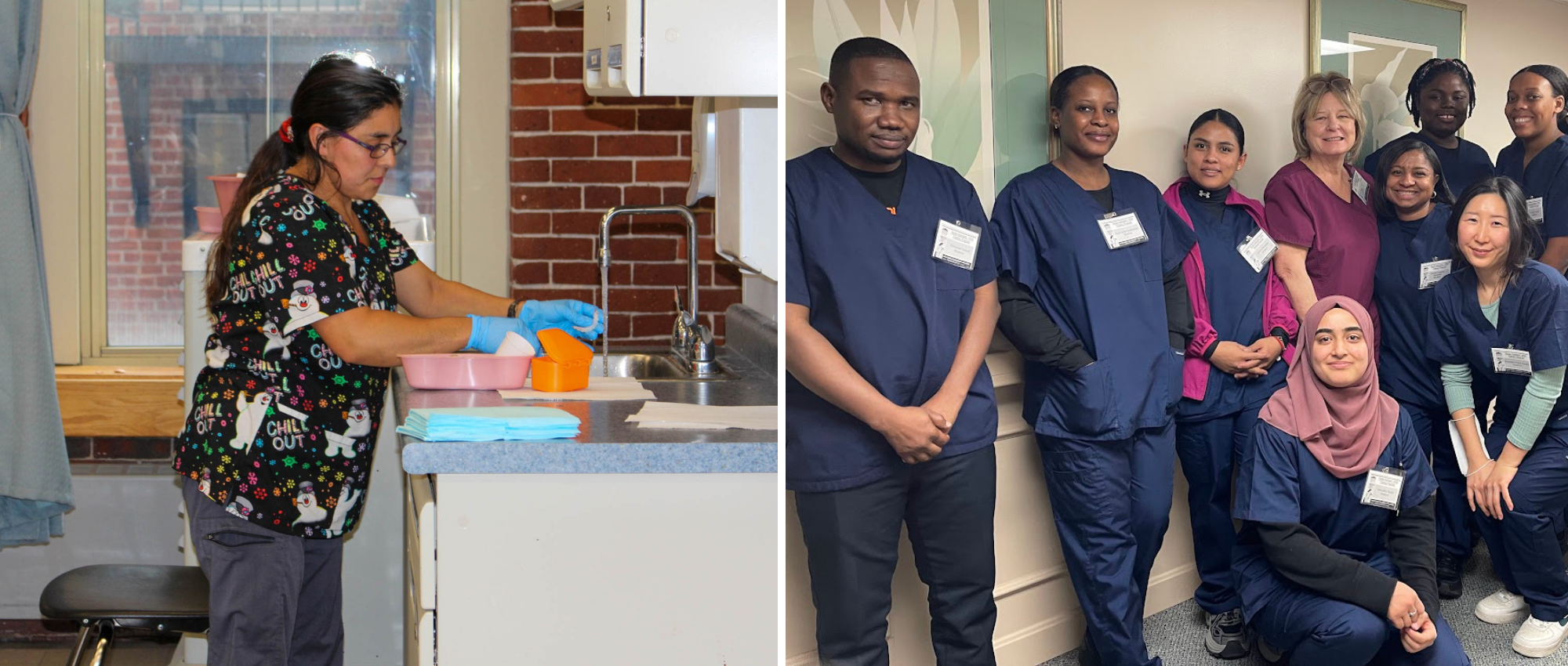
Talento como el de Efdjeen, que se vio obligada a abandonar su hogar en Haití, donde estaba completando su residencia tras licenciarse en medicina. Efdjeen siempre aspiró a ser médico, y el año pasado se graduó en el programa de Asistente de Enfermería Certificada (CNA) del IINE, con lo que dio un paso más hacia su objetivo.  

La prohibición también supone separar a familias que ya han pasado años separadas y que lo único que desean es reunirse. 

Muchos de los países expulsados son nuestros amigos, vecinos y, en el caso de Afganistán, hermanos de armas. Cuando los talibanes tomaron el control de Kabul, Sabira y su marido tuvieron que huir debido a que él había trabajado en el pasado apoyando a las fuerzas armadas estadounidenses; ahora, están solos en Massachusetts, soñando con el día en que volverán a ver a sus familias.  

The devastation the travel ban will cause is immense. We hope the ban will be successfully challenged in court, and ultimately lead to further action around the need for comprehensive immigration reform.