metapixel
Skip to main content

Auteur : Danielle Gauthier

Why They Give: Donor Profile

Why They Give: An Interview with IINE Donor Leigh Bivings

Our donors help ensure that refugees and immigrants receive the support they need to find stability, learn English, secure jobs, and pursue their dreams in our communities. In our Why They Give series, we talk with them to learn more about their connection to our mission and what inspires their support. 

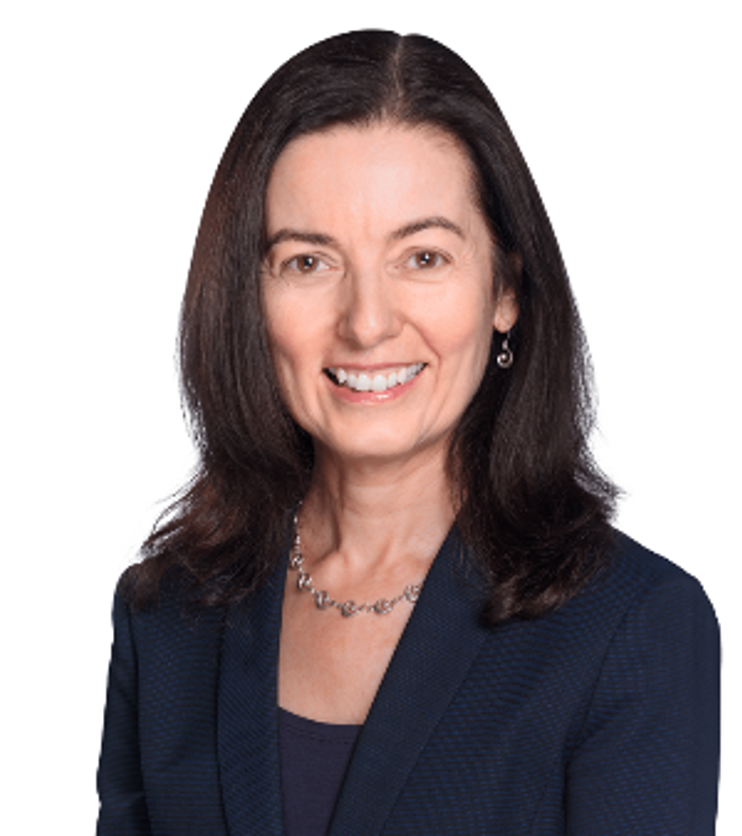
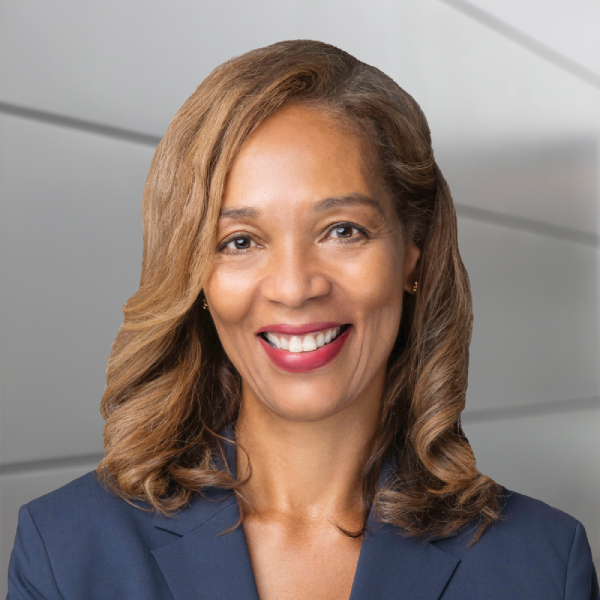
In our latest installment, Leigh Bivings, a generous supporter of IINE and member of our Leadership Council, shares how she first became involved with the International Institute of New England, her experience supporting a family from Cameroon, and how she finds purpose in giving back to the immigrant community.  

Pouvez-vous nous parler un peu de vous ?

I grew up in Arizona and completed most of my undergraduate and graduate degrees in California. I then spent a few years abroad, including in Latin America, where I volunteered with the Peace Corps, and in London, where I met my husband.  

When I was accepted to Stanford University to complete a PhD in Economics, I headed back to California, this time with my husband in tow. I graduated in 1992 and accepted a job in Boston, and we have been living in the South End of the city ever since.  

My career has had essentially three chapters – I worked as a management consultant at The Monitor Group, which has since been acquired by Deloitte, I did due diligence work for private equity firms at a firm called Stax, and then I started a wealth management firm called Artemis. I sold the firm to Beacon Pointe at the end of last year, and so I am finishing up this chapter.  

In my free time, I love reading history, being outdoors, traveling domestically and internationally, and playing tennis.  

Pourquoi la philanthropie est-elle importante pour vous ?

I have been very fortunate in my life in most dimensions. I feel that because I have the time, energy, and capacity to give back, it’s important that I do.  

I’ve been able to provide financial support to several organizations, and I also served on the board of the Boston YWCA for many years, and both of these opportunities have allowed me to make an impact.  

I’ve also volunteered as a Big Sister with Big Brothers Big Sisters of America, and I’ve served as a mentor to young women through Year Up, a nonprofit focused on providing workforce training. These experiences taught me that I truly enjoy providing direct support when I can – which ultimately led me to IINE. 

On that note, how did you become involved with IINE?

It was August of 2022, and I had some time on my hands (no one wants to talk to their financial advisor in the summer!). I had been following the coverage of Russia’s invasion of Ukraine, and I was really searching for a way to help. My husband and I own a 5-story brownstone and live on the top three floors. At the time the war broke out, we didn’t have anyone on the bottom two floors, and I remember thinking, “We have this great one-bed apartment and not a soul living there!”  

I began reading about the United 4 Ukraine program, which was looking for volunteers to provide housing and support to newly arriving Ukrainian refugees. My husband and I signed up to help through Welcome.US, and we were matched with a lovely Ukrainian family. Ultimately, the family, who are Russian speakers, ended up resettling in Estonia where there’s a large Russian-speaking community, but we have stayed in touch with them ever since.  

Around the same time that we learned the family wouldn’t end up coming to the U.S., a friend of mine reached out about joining a group of IINE volunteers to help welcome a Cameroonian family—two women and one of their sons. I said yes, and I joined their Resettle Together group in December of 2023.  

It wasn’t an easy adjustment for the family, but they are doing well now. The women are settled in a nice apartment, they both have full-time jobs, and they’re learning English. We helped enroll the young boy in school when they arrived, and this past summer, all of the members of our volunteer group chipped in so he could attend summer camp. It’s been a very rewarding experience to see the family progress, and to help play a role.  

What advice would you give to someone who is interested in learning more about welcoming and supporting refugees and immigrants?

I would say it’s very rewarding because it’s so tangible. These days, I’m thinking a lot about what I can do to help the populations who are being disproportionately affected by the current presidential administration. I can write checks, I can support lawyers and advocates, I can attend protests, and through organizations like IINE, I can have a direct impact – that feels important.  

I would also say be prepared to learn a lot, including how hard it is to be poor in this country. The high cost of living; challenges in accessing public benefits, healthcare, and public transportation; the need to work multiple jobs to make ends meet – this is not an easy place to resettle. Accompanying the family throughout their first year in the U.S., I saw how resilient and determined you have to be.  

Last question – do you have a personal connection to IINE’s mission that inspires your support? 

I do. My mother was born in Britain, and she and her parents were living in southern France when there was news of the Germans coming during the war.  My mother and grandmother were sent to a relocation camp for several months, but ultimately were released because my grandmother had American citizenship. They were able to escape to Portugal and then make their way to New York, where they had family members living.  

I think of their journey, and how grateful I am to be here, and that inspires my desire to help immigrants.  

L'IINE ne peut fournir des services indispensables aux réfugiés et aux immigrants que grâce au soutien de ses généreux donateurs. Il existe de nombreuses façons de donner. Pour en savoir plus, cliquez ici : Faire un don de fonds.

“I Always Want to Give Back”: Suraj Budathoki’s Journey from a Refugee Camp to the NH Statehouse 

In November of 2024, Suraj Budathoki was elected to represent Hillsborough County District 40 in the New Hampshire State House, becoming the first Bhutanese-American State Representative in U.S. history. In his acceptance speech, Suraj said his victory was “the culmination of 16 years of dedication, resilience, and commitment to this community.” 

 In a recent interview, Suraj spoke to IINE about this journey. 

Learning Resilience 

Suraj became a refugee at the age of nine when the Bhutanese government suddenly stripped members of the Nepalese-speaking Lhotshampa minority of their citizenship and drove them from their homes. He spent the next nearly twenty years of his life in a refugee camp in Nepal.  

Suraj says his time there “taught me a lot; the resilience, the continuity to do things and not give up.”  

When he finally arrived in the U.S. after decades of waiting, he landed in Atlanta, Georgia. He recalls seeing a group of people at the airport handing out gifts to arriving children. “There is compassion for immigrants and refugees here,” he remembers thinking.   

Still, life was far from easy. Suraj arrived with a bachelor’s degree and a nearly-completed master’s degree but soon found himself working two full-time jobs for minimum wage—a day shift at a fast-food restaurant followed by an overnight shift stocking grocery shelves. It was difficult to save or build a social life.  

Work and Welcome in Manchester 

Suraj was excited when a friend from home told him about his life up north in Manchester, New Hampshire, where he had been resettled by the International Institute of New England. Manchester was smaller and easier to navigate. Jobs there offered better starting pay, and through IINE, Suraj could train to become a Licensed Nursing Assistant within a month.  

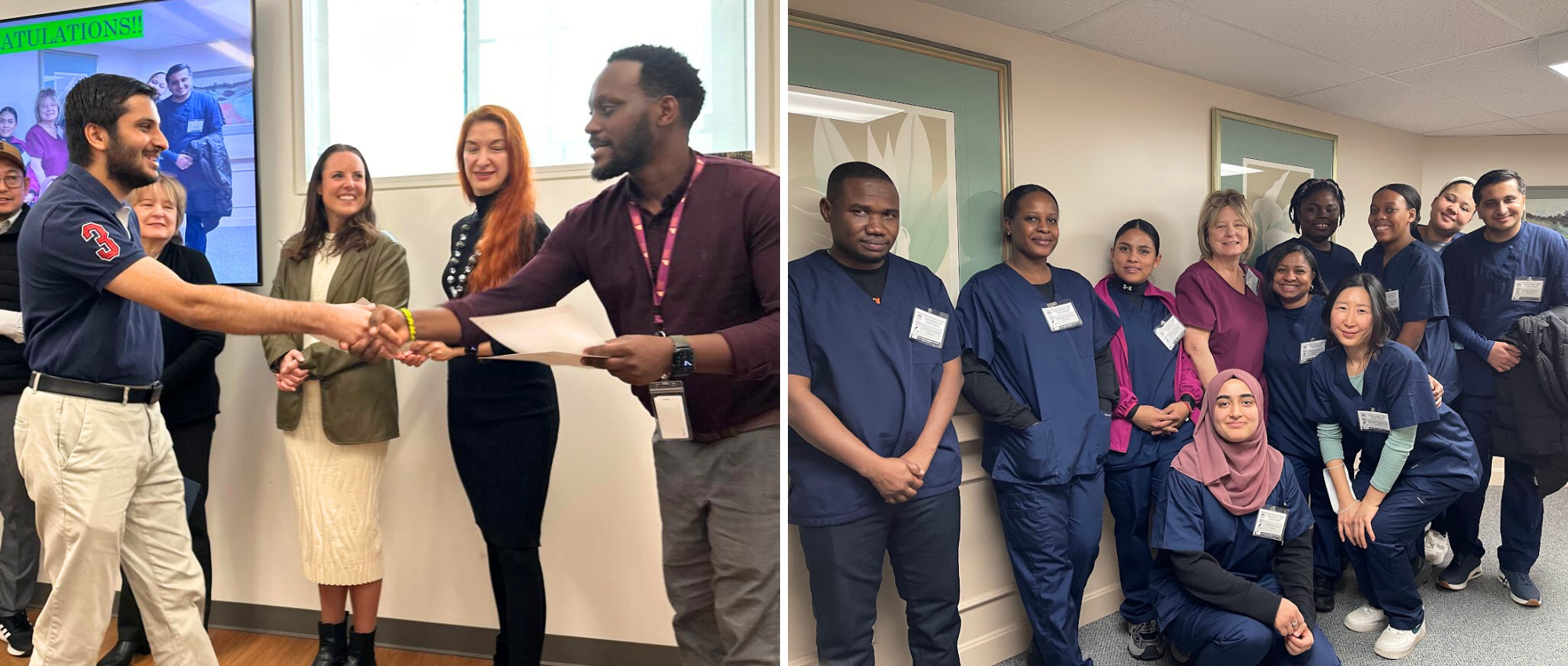
He was sold. In 2009, Suraj moved to Manchester, “and that’s what I did! I finished the Licensed Nursing Assistant program and then within two months, I got my license! The Employment team helped me get a job and after that I’ve been working with IINE for many, many years.” 

Suraj took to New Hampshire right away. “The mountains and the green vegetation resemble my small town in Bhutan,” he says, and compared to the sprawl of Atlanta, the compactness of Manchester was closer to the life he knew in Nepal. As in Atlanta, he took on two full-time jobs, but these he found more meaningful and in line with his goals. One was at a rehabilitation center for adults with traumatic brain injuries. The second one was to train adults who hadn’t completed high school to create resumes and help them find jobs.  

These early jobs helped Suraj build up his English skills. He soon went back to school at Manchester Community College and then transferred to Southern New Hampshire University to study Political Science.  

“Then life took off.” 

Building Community 

Suraj (center) has advocated for peace in Bhutan throughout his career

With his newfound confidence and vision, Suraj co-founded Bhutanese Community New Hampshire (BCNH), a non-profit dedicated to helping fellow Bhutanese refugees to integrate and thrive. He served briefly as the organization’s first executive director and then joined its board.  

“My first focus was learning to get grants,” Suraj says, and he still vividly remembers the story of his first submission, trudging through the rain to hand off his big envelope in-person, and then waiting months for a response. Finally, he heard back that he had won $6,000 for his mission. He was thrilled.  

With practice, he became more and more adept at grant writing, securing grants as large as $1 million.  

“I was able to hire 23 staff! Can you believe it?” 

Even more exciting was turning the funding into medical care, mental health services, and employment support for his community. BCNH formed a close partnership with IINE, who referred newly resettled Bhutanese clients for additional support. As it grew, BCNH expanded its mission to accept clients from additional countries and changed to its current name: Building Community New Hampshire.  

Feeling the Bern 

In 2016, Suraj was able to exercise his political science muscles when the presidential campaign of Vermont Senator Bernie Sanders opened a field office in New Hampshire.  

“It was my first time working on a campaign and I got the second-highest post for New Hampshire! That was my first opportunity to get to know Bernie, his team, and the people of New Hampshire. I was so privileged to work on his campaign and travel a lot across the state.” 
 
Suraj says that talking to people throughout the state had a profound effect on him. “I heard a lot of people’s often painful stories, and I could relate from when I was in a refugee camp…It’s not having money to pay rent; the cold; not enough food for the elderly who invested their life making America better, supported their kids growing up, when they were young and then paid taxes, and at the end of the life they have nothing to enjoy.” 

Suraj decided to tackle these issues head-on at the community level. His founded Bloom and Shine, LLC, a human services agency that provides in-home behavioral and physical healthcare to New Hampshire seniors. 
 
“I felt I needed to do something, and Bloom and Shine is something. Providing caregiver services to the elderly and disabled, it’s something I feel proud of.” 

Pursuing Peace 

While deepening his roots in his new community, Suraj was also studying international development, completing a master’s degree from Norwich University, and beginning a Ph.D. program at Saybrook University with a focus on conflict resolution. His research revealed clear historical patterns of opposing sides in ethnic conflicts becoming increasingly entrenched in their mutual opposition as suffering increased. 

“I saw that happen in Bhutan in the ‘90s. My Ph.D. is on how to find a solution. How can we transform that adversarial relationship into a conducive, friendly relationship? As I did more research on conflict resolution and negotiations, I found that there are peacebuilding and reconciliation methods that can bring two conflicting parties together.” 

Inspired by his research, he launched the Peace Initiative for Bhutan (PIB). 

“I talked to many young Bhutanese-Americans, college students, and other like-minded individuals, and they also had the same kind of idea. We came together to form this peace initiative. The approach is distinct from what our leaders did in the past. We are not doing this to win—to defeat the other side. We’re doing this to find common ground—to resolve through dialogue.” 

The goal of the initiative is to heal relations between the nation of Bhutan and its refugee diaspora. This reconciliation would allow Bhutanese refugees to return home in peace to reunite their loved ones.  

Members of the Peace Initiative Bhutan on the trip to D.C.

The first step for PIB was to draft their own peace plan and send it directly to the king of Bhutan. When they didn’t receive a response, they posted their plan online and alerted the press. Next, to draw further attention, they got the U.S. government involved. Suraj traveled to Washington D.C. and lobbied to get both the U.S. House of Representatives and the U.S. Senate to introduce resolutions calling for reconciliation.  

Bhutan began to listen. 

“We did a couple of rounds of informal dialogue with people inside Bhutan, also some parliamentarians,” Suraj says. “This has never happened before with other approaches. Our method is based on mutual respect, based on love to the other side.” 

The People’s House 

Suraj’s success with the Bernie Sanders campaign, his empathy for the struggles of working people in New Hampshire, and his progress with PIB all inspired him to make his own run for the State House of Representatives. His victory was a huge source of inspiration for fellow Bhutanese refugees. New Americans Magazine reported, “Suraj’s win quickly became a sensation on social media, sparking pride and celebration across the Bhutanese diaspora, which includes former refugees resettled across eight Western countries. Bhutanese-American social media platforms lit up with messages of pride, congratulatory posts, and reflections on the significance of this victory.” 

While ever hopeful, Suraj is learning about the challenges of belonging to a minority party in a state legislature. 

“We don’t have much say in any bills or regulations. We don’t have that power. We do share what we think, what we believe would bring positive change, but supporting the middle class or poor community is not what always gets attention. It feels painful when we see bills cutting support to the elderly, to the university system, to special education, and many others in New Hampshire.” 

Suraj is committed to speaking up for vulnerable constituents, but sometimes he worries about others’ misconceptions of his background and journey.  

“I testified in one of the committees against a bill, and I told them my success story. I came here as a refugee. 100 people work in my company. I’m going to college. I paid this much in taxes, etc…People may feel I’m taking their space. They see themselves working day and night, but I came here a few years ago, and now here I am running a company and a state representative. They may not understand the human side, the hard work, of what we as immigrants do here.”   

He wishes more people understood about his time working two jobs for minimum wage to build a foundation, missing many nights of sleep and the family he left behind at the refugee camp. 

But like his Peace Initiative, he sees his political work as an experiment and says that his political career is “just getting started.” In the arc of his career, it’s one more way to heed the calling he first heard back in the refugee camp in Nepal. 

“The international community, the United States and many other countries, they helped us a lot. We were not able to go to work outside of the camp, and we were fed and supported by many Western countries…We always feel we should give back for those many years we were given—and that’s the call—I always want to give back to the community. Whatever I’m doing now, being a State Representative or running this home health care business, it’s always supporting community, providing employment and uplift.”  

---

Les réfugiés et les immigrants entreprennent des voyages longs et difficiles pour échapper à la violence et reconstruire leur vie aux États-Unis. Vous pouvez leur apporter l'aide dont ils ont besoin. 

Atefa's Story

Atefa’s Story: With Ongoing Support, a Young Refugee Builds a Brighter Future

Atefa’s story is featured in our Spotlight Report: Who We Can Serve and How in a Rapidly Shifting Landscape. Click here to read the full Spotlight.

When the Taliban retook control of Afghanistan, Atefa, her mother, and three brothers escaped their home, resettling as refugees in Lowell in 2022. As the eldest sibling, Atefa quickly took on adult responsibilities. She became her family’s interpreter and spokesperson at doctor’s visits and school appointments – all while balancing learning an entirely new culture and language.  

At first, school was frustrating for Atefa. In Afghanistan, she had already begun college, but her high school transcripts were among the many possessions she had to leave behind, and without them, she had to begin her American education as a freshman at Lowell High School. Still, she stayed focused and determined. For support, she went to nearly every tutoring session provided by IINE’s Refugee Youth Mentoring program, bringing her brothers along to make sure they progressed as well. That year, Atefa earned honors recognition for her grades. 

During her junior year, Atefa began exploring the college application process. When IINE’s Youth team advised her to join extracurricular activities to stand out, she became a student ambassador, helping fellow newcomers adjust to life in Lowell. Her leadership and service led to her acceptance into the National Honor Society in her senior year.  

That summer, Atefa went back to her IINE mentors for guidance, and they suggested volunteer work. In addition to working at a grocery store, participating in school groups, and helping her family, she began giving back to support other IINE clients. She delivered fresh produce and packaged goods to families, provided interpretation, and peer-tutored fellow refugee youth.  

Atefa’s relentless dedication was rewarded when she was accepted to four colleges! She chose the University of Massachusetts Amherst, where she will study civil engineering starting in the fall of 2025. As she prepares for this next chapter, she continues to reach out to the IINE Youth Team for guidance on class selection, financial aid, and housing. 

---

Refugees and immigrants come to the U.S. after enduring unimaginable hardships. You can give them the help they need to rebuild their lives here. 

In New Hampshire, Investing in English Language Classes Makes Everyone’s Healthcare Better

A Healthcare Success Story

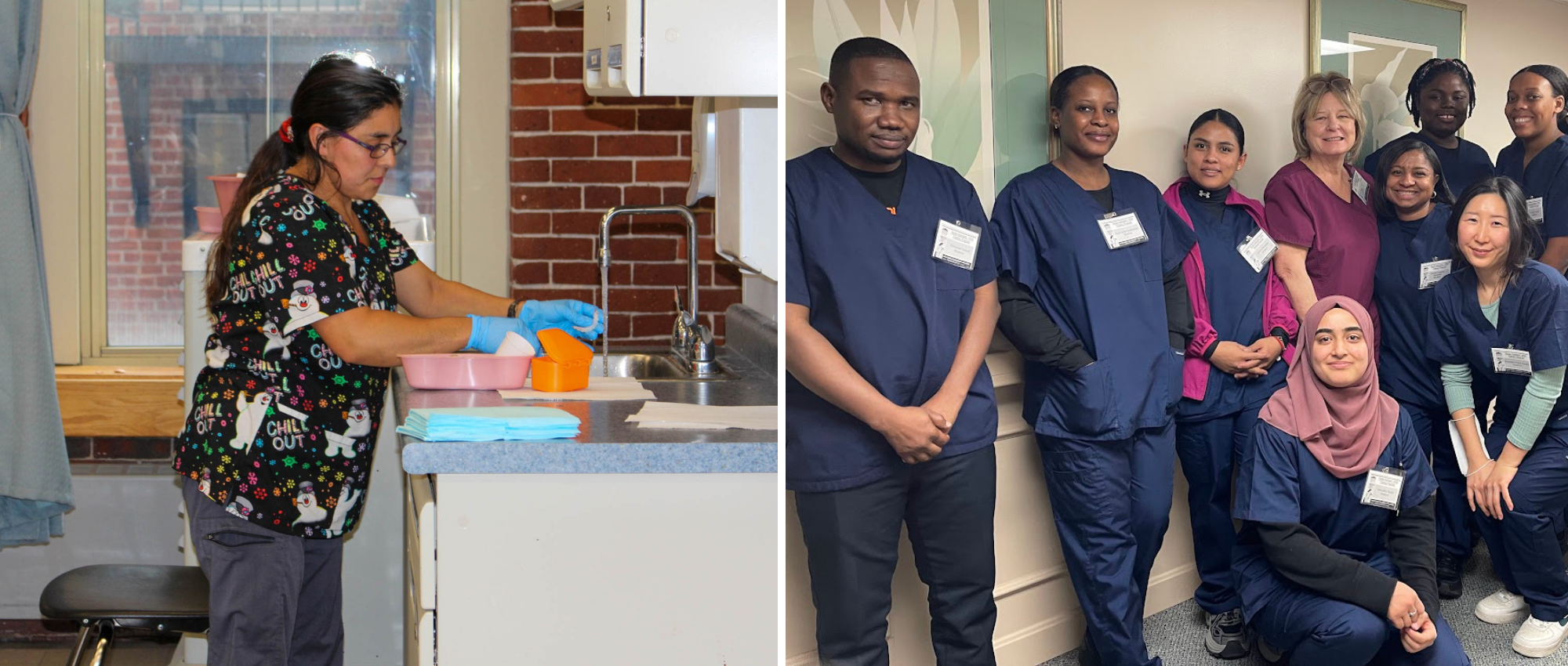
As in much of the country, if you live in New Hampshire and you need medical care, you’re likely to get help from some people who began their lives in other countries. Immigrants and refugees make up about 18% of the U.S. healthcare workforce. In New Hampshire, they make about 7% and are particularly prevalent in patient-facing roles, such as home healthcare aides, drivers, cleaners, and food preparers. They’re the people who help you feel comfortable, safe, and cared for when you’re at your most vulnerable.  

These are roles for which there are dangerous shortages in New Hampshire, a state with a rapidly aging population. It’s an urgent need that creates an opportunity for newcomers seeking entry-level jobs that may not require a local work history and more than basic English skills.  

“Matching newcomers with New Hampshire healthcare employers has been a real success story in general,” says Kayla Rossmeissl, IINE’s Director of Program Design and Evaluation. “Employers are getting fast-learning, resilient, highly motivated workers, who have the benefit of IINE to help support their orientation and development. Our clients often say they’re excited to be helping people in their times of need and giving back to the community that’s welcomed them.” 

A Desire for Investment

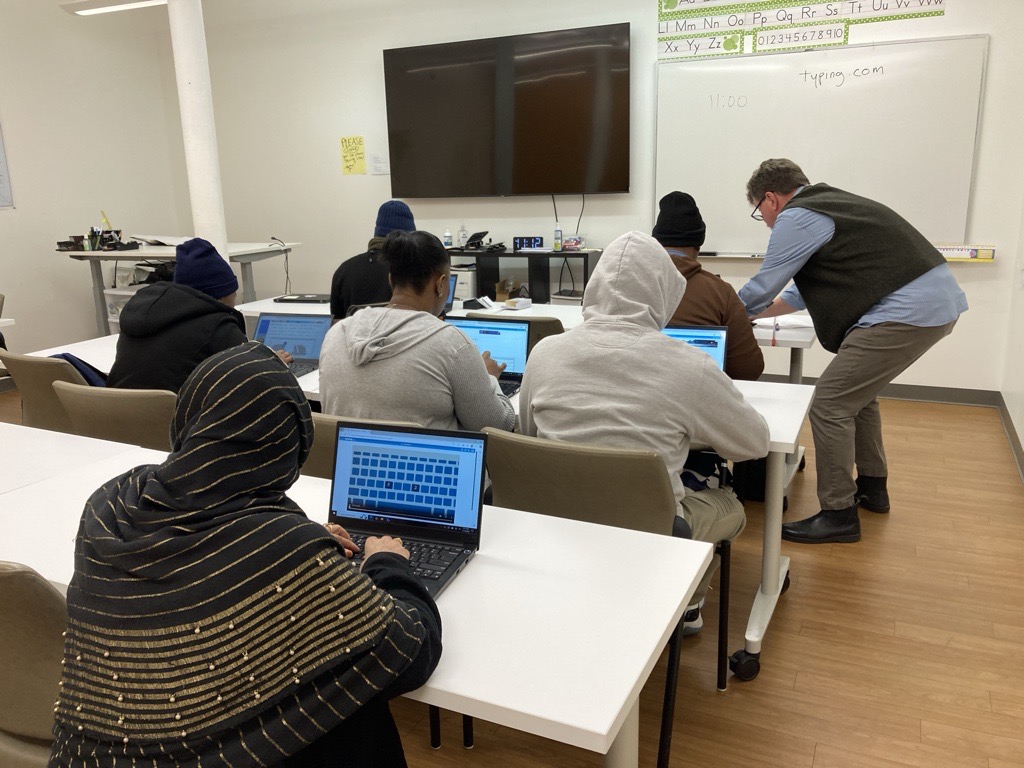
In 2019, Kayla helped develop LNA for Success—an IINE skills training program that combines English language instruction, vocational training, higher education partnerships, and apprenticeship, to help prepare immigrants and refugees for the job of Licensed Nursing Assistant. She says that in promoting this program over the next few years, IINE discovered a real desire for greater investment.  

“We had been doing a lot of community presentations and working closely with [LNA for Success partner] Manchester Community College. We started to discover a lot more partners who are looking for ways to help get refugees and immigrants more economically stable—career laddering, higher paying jobs, things like that.” 

She also found healthcare providers looking to invest in their immigrant employees. At one networking event, representatives from two local hospitals sought her out. 

“They were just like, ‘Kayla, I heard you set up these ESOL programs. Can we chat?’ From there, we were all brainstorming to come up with a program to help their workers.” 

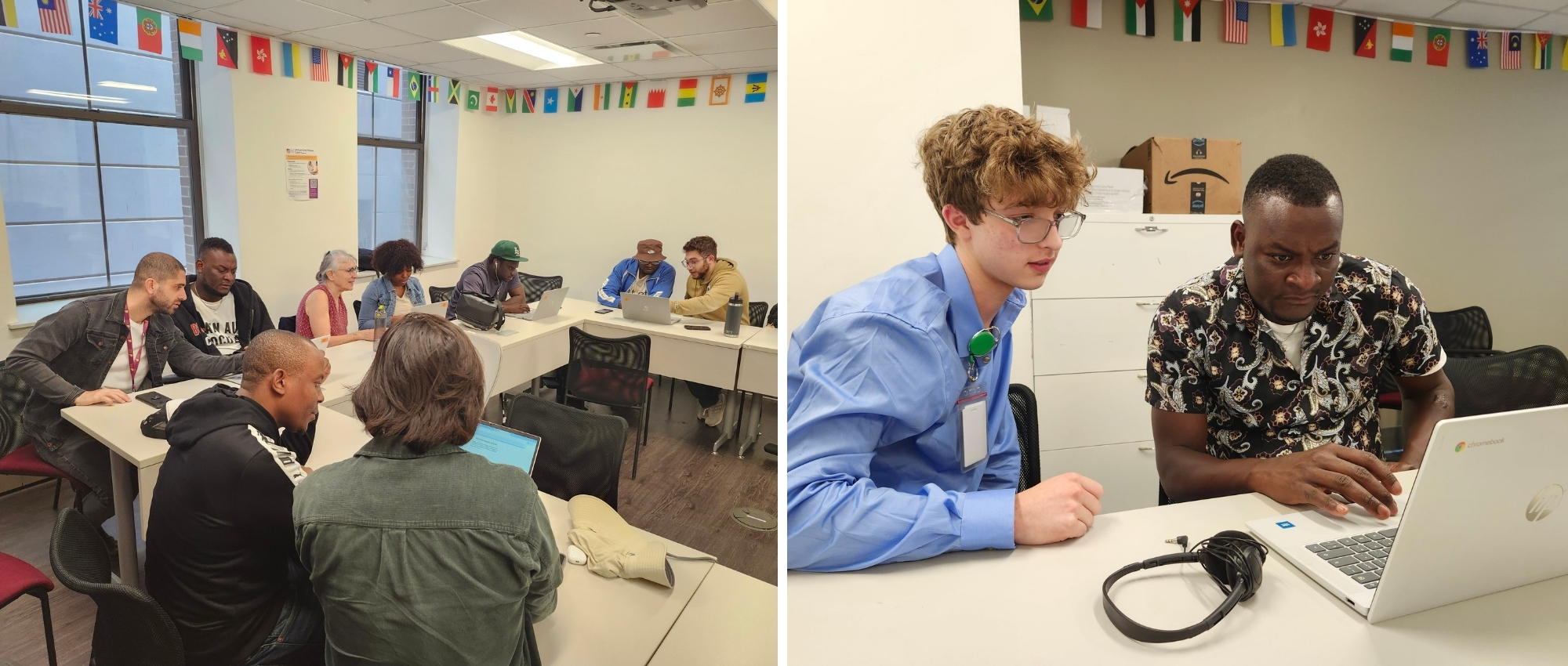
Both hospitals were interested in paying their employees to deepen their English language skills during the workday, through on-site, workplace-focused English for Speakers of Other Languages (ESOL) classes. 

“Which is amazing,” Kayla says, “because a lot of families are juggling multiple part-time jobs and childcare, and wouldn’t otherwise have time to take classes.” 

Kayla wasted no time in developing a curriculum for a pilot “ESOL 4 Healthcare” program, conducting interviews with partners to learn about their goals and challenges.  

“They wanted to see people become more confident in speaking English, because even though they are in environmental services [maintenance], they do greet the patients in their rooms, and they interact with other staff in the hospital, like their supervisors. So, having more confidence in communication, being able to read and write emails, improving digital literacy skills, and navigating internal systems like clocking in and out—these were all things we could help with that could improve everyone’s experience.” 

Gaining Confidence

“I would say for me personally, what I see in the students, cohort after cohort, is confidence,” says Becky Marden, Director of Workforce Development at Elliot Hospital in Manchester.  
 
“In their evaluations, they’ll say things like, ‘I’ve gained the confidence to say hello to my manager in the morning, whereas before I might just have avoided eye contact,’ and things like that. And that’s what inspires me to keep pushing for this class and making it better every cohort.” 

Having helped develop the concept, Elliot Hospital is now in its third year of ESOL 4 Healthcare. Becky says that she’s frequently blown away by the improvement that Elliot’s English language learners make in listening, reading, and writing skills over the course of a cohort—which spans two hours/day, six days/week for sixteen weeks, an impressive investment of staff time. In addition to the improvement in workplace communication and staff-patient relationships, she says that Elliot is gratified to be able to provide some meaningful support to some truly impressive people, which, in the most recent cohort, were six students from six different countries. 

“For me it’s also about the social contacts outside of work—they can use email or finally set up a bank account for the first time. These are some of the most resilient and hardworking employees we have. I could never go to another country and work someplace and not speak the language. I would just be so frustrated. And yet they’ve done it and they’re working in our community.” 

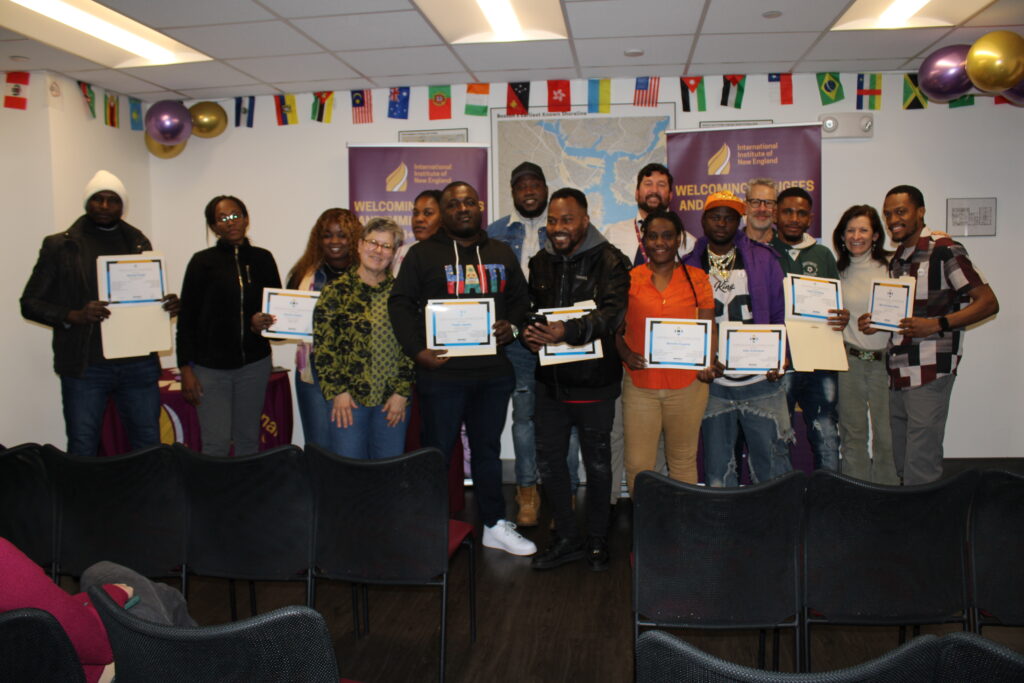
Becky says her CEO shares this feeling. After attending an ESOL 4 Healthcare graduation, he invited several of the recent graduates to a Board Meeting so that the hospital’s leadership could meet them, and they could showcase their new English skills. For Becky, the next step is developing apprenticeship programs within the hospital to help English language learners on staff to advance in their careers there.  

“Some of them have healthcare experience from their previous country. We had a nurse practitioner in one program. We had a labor and delivery nurse in another, and they just want to work in the healthcare field. Their credentials don’t come over, their education doesn’t come over, but here they are, sometimes cleaning toilets just so they can be in healthcare. How do we get them back to the bedside? ‘Cause that’s where we need them.” 

This is the Future

Elliot Hospital is currently one of nine IINE ESOL 4 Healthcare partners, and the number is growing quickly. They include providers offering mental health care, senior assisted living, and more. One new partner, Dartmouth Hitchcock Hospital, offers English classes remotely to reach student in more rural areas, and has developed apprenticeships in Phlebotomy and Lab Tech.  

“I’ve got five more in the queue!” says Kayla. “I really think this is the future. There’s a lot of interest in bridging the gap. There’s tremendous need here, from people who can really benefit from these kinds of jobs, and from employers who are always interested in a stable source of new staff members who come to them recommended and supported.” 

Investing in job training opportunities for refugees and immigrants creates a stronger workforce for us all. Help newcomers grow their careers and our economy by donating to IINE today.

Immigrants in the U.S. Workforce

Quiz: Immigrants in the U.S. Workforce

Test your knowledge of the role immigrants play in the U.S. workforce with this quiz.  

1 / 5

According to the U.S. Bureau of Labor Statistics, in 2024, what percentage of the U.S. workforce were immigrants? 

2 / 5

What percentage of the total U.S. healthcare workforce are immigrants?

3 / 5

Besides healthcare, which of the following roles are significantly filled by immigrants in the U.S.?

4 / 5

All immigrants residing in the U.S. contribute to the U.S. tax base. About how much tax revenue did immigrants generate in 2023?

5 / 5

When immigrants lose their work authorization or are forced to leave the country, what typically happens to the jobs they leave behind?

Your score is

The average score is 59%

0%

Soccer blog

Shared Goals: How Refugees and Immigrants Bond Through Soccer

It’s the most popular sport in the world. You can play it in a schoolyard, a gym, a park, or even a refugee camp. You don’t need expensive equipment or to even agree if it’s called “soccer,”futbol,” or something else entirely. You just need a ball, a goal, and a group of fellow players. Once you start playing together, you tend to become friends. For these reasons, “the beautiful game” is providing some beautiful opportunities for IINE clients to connect with one another across backgrounds. 

A Clinic for Lowell Youth 

IINE Youth Program Manager Isabel Goes says she’s noticed a clear pattern: “Anytime we talk about sports when we first meet with clients, it’s like, ‘OK, well, does that mean like, soccer?!‘” Her clients are definitely fans. She remembers one showing up to a workshop in head-to-toe Cristiano Ronaldo gear, and the delight of clients unwrapping soccer gear at a holiday gift swap.  

Olf (L) stopping by IINE’s offices to donate soccer equipment to refugee youth

When she decided to organize a youth soccer clinic last June, she knew she’d have plenty of support. Her first call was to Olf Mouyaka, a former refugee from the Democratic Republic of the Congo who grew up in Lowell after being resettled by IINE, and recently founded a soccer-based youth development program called the Football Leadership Organization. Olf had donated soccer equipment to IINE in the past and had experience running clinics.  

Next, to recruit participants, she turned to her colleague Yusuf Abdi. Yusuf’s official job is as IINE’s Career Services Manager, but after hours, he puts tremendous effort and passion into organizing community pick-up soccer games for IINE clients and other members of Lowell’s immigrant community.

“He was like, ‘I already have all these clients coming out for soccer,’ so I said, ‘OK, well, send them our way, have them join us for an official youth program!’” 

Yusuf did just that, and he showed up in his favorite jersey with his son in tow so they could both join in the fun. The clinic was a success, and for Yusuf, it was just the tip of the iceberg. 

“Everyone Show Up at the Park!”

“In the summer, I try to do it six days a week,” Yusuf says, “and I wash all the pinnies after each game!” That’s no small commitment, but he plans to keep it up “as long as I’m helping youth, doing something good, and making them feel a sense of social connection.” 

A former refugee from Somalia, Yusuf has been a passionate soccer fan all his life. As an adult living in Lowell, he joined an indoor recreational league organized by members of the local Cambodian community. He saw some familiar faces in the stands, and again at a regular game organized by member of the West African community: “The youth just came to watch, and I said, hey, they want to run around and play too…so I told them, ‘OK, I will bring the pinnies, soccer balls, and goal posts. Everyone show up at the park!'” 

Yusuf ordered the equipment and continued to recruit participants, including clients who he knew were between jobs and needed an outlet and some social connection.  

Yusuf (center) arranges regular soccer games for clients to have fun, grow their English skills, and build community

To organize meetups, he checked the availability of public parks and then created a Facebook group and a WhatsApp chat moderated by a refugee from the Democratic Republic of the Congo, who is able to translate messages into French and Portuguese.  

His meetups bring out people of all ages and backgrounds, “Each day the language changes some. You may hear a lot of Swahili, a lot of Portuguese, or a lot of Haitian Creole.”  

Together they play informal, tournament-style games. On Fridays, two local coaches, Coach Kwezi from Ghana and Coach Hugo from Guatemala, show up to offer instruction, run drills, and lead more structured games. Yusuf shares video clips of games in the WhatsApp channel, so players can celebrate their successes and learn from their mistakes. 

Though the language barrier can be challenging at first, everyone understands the basics.  

“Everyone can kick and everyone can try to score. Everyone is quiet when they arrive, but their faces are different when the game ends—happy smiles.” 

In fact, the games give players a great chance to practice their English skills without thinking about it too much, and players form bonds quickly.  

They chat, and some of them, they’re not able to communicate, but they try. You know, ‘Why’d you miss the ball?’ ‘You should pass to me.’ And some build confidence. You can see players become happier over time, come out of isolation. Their lives begin to change. That drives me.” 

Specifically, Yusuf says clients became inspired by friends they’ve met on the soccer field to follow their lead in steps like pursuing GEDs or higher education.  

Yusuf loves the mentorship, community, and social connection the sport offers – no matter a player’s age.   

“I’m in my 40s. I’m not like a youth of 18 or 20, but I’m still engaged. Soccer is a language that doesn’t require much talking, it’s more of action, and it builds trust. When I’m playing with a group from Ivory Coast, Cameroon, and Liberia who don’t know me, they get to know me, I become a friend of theirs. That’s how you get connected.” 

Balling in Boston

According to IINE Volunteer & Donations Specialist Emily Dionne, in Boston, the idea of convening some regular pick-up soccer in the park came from super-volunteer, Suraj Chaudhry of Newton South High School.  

“Suraj has been involved with a ton of different things. He suggested just doing a one-off game and then it just kind of grew from there with the Employment and Skills Training teams really taking it into their own hands to keep it going, which was really great.” 

Emily got Suraj together with some other volunteers to plan the first game. They circulated a flyer, Suraj borrowed pinnies and balls from his school, and Emily brought some pizzas for a post-game social. 

“A good 30-40 people came out, including staff, volunteers, and clients,” says Emily. “We were so surprised. It was a really fun gathering.” 

The one-off game quickly evolved into a weekly Saturday morning meetup. Games are kept informal with teams chosen by counting off, and consistent winners are often broken up to make contests more even.  

“It’s a really great way to build community and have people meet each other, especially in Boston, since everybody’s kind of separated across the city,” says Emily.  

“I think it’s a good way to have a bonding activity that isn’t necessarily based around things we do at IINE like having people work on resumes or attend workshops—it’s purely fun. It’s also a team mentality—everybody coming together for one goal.” 

Emily says the game has led to connections off the field, too. In the WhatsApp chat, between posting video clips of their game highlights, people have started organizing social outings throughout the city.  

When Suraj had to step away, Lead Career Navigator Gordon Parris gladly took over the organizing with the help of Career Navigator Luqman Alkhaneqeeni.  

Gordon (far right), Emily (second from right), and Luqman (kneeling) gather fellow IINE staff and clients weekly for a pick-up soccer game

A former refugee who has lived in Jordan, Iraq, and Turkey, Luqman has been playing soccer since he was four years old. It’s been a throughline for him as his life has continued to change. He couldn’t have been more excited to learn that his new workplace was hosting a regular game. “It’s one of my talents, let’s say,” he says with a smile. “When I learned about the game my first week on the job, I said, ‘Let’s go! I’m in!’”  

Luqman says he sees soccer as “a global phenomenon which unites millions of people. Also, back home it’s used as a cultural expression. Every time I’m playing, I see emotions, joy, that transcends all borders.” 

We have some kids who are 9, 10, 13 years-old that run circles around us,” Gordon adds,  “so when he says it transcends all borders, including ages, he’s being literal.” 

Gordon is originally from South Africa where he also grew up playing soccer. “We’re all there because there’s something that we kind of miss from home. It’s something that we all grew up doing in completely different ways. Everyone gets the goofy jokes of like, you know, looking one way, kicking the other way, that kind of thing. It’s a common language, and therefore, unifying.” 

Now in its second year, the pick-up game continues to go strong. So what’s next for the franchise?  

“We’re going to keep it simple,” says Emily. “We’re just going to keep playing soccer.” 

“The Most Lovely People”: A Volunteer Group’s Experience Supporting a Refugee Family from Nigeria

Boston Bound volunteer group members with Tani and her family

Tani and her six children were among the last refugees to arrive safely in Boston just before the indefinite suspension of the U.S. Refugee Admissions Program. In the weeks leading up to their arrival at Logan Airport, a group of friends from Boston and Brookline had been eagerly preparing to support them through IINE’s Resettle Together program

The volunteer group, who call themselves “Boston Bound,” is led by Jenny Miller. Jenny first learned about IINE when her daughter was looking for a community service project in the lead-up to her Bat Mitzvah. Through IINE, she was able to deliver food to local immigrant families and to donate books to refugee children after running a donation drive at her school.

Jenny remained on IINE’s volunteer email list, and when she learned about other opportunities to get involved, she was inspired. “These were things I could actually do. I work full-time [and am] crazy busy, but I had a few hours at night to go grocery shopping and bring food to a new family. Or I had a few hours on the weekend to help someone learn how to navigate the T,” she says.  

“IINE provided great support, and it was deeply satisfying, like disproportionately satisfying even when I never met the family. Dropping off groceries felt so tangible. At a time when it felt hard to find other ways [to help], it just felt really good to be able to do that.” 

She talked about the experience with her friends, a group of fellow parents of tweens. After the 2024 election, when they began sharing their fears over anti-immigrant policies taking hold in January, she proposed sponsoring a refugee family through Resettle Together as a concrete way to honor their values. 

Soon they all found themselves gathered around a dining room table in front of a large piece of paper, divvying up tasks from finding donated furniture, to apartment cleaning, to scheduling shopping trips for food and clothing.  
 
“When we started letting people know that we were doing this, it was amazing how many people wanted to help,” says Jenny, “Our kids did a drive for toiletries, soap, and detergent, and all that kind of kitchen stuff before Tani and her children arrived, and we got six months’ worth of stuff!” 

Eager to befriend Tani’s teenage children, the kids of Boston Bound also collected gifts, prepared a bracelet-making kit, and made a photobook with pictures of all the group members to show the new arrivals how many new friends they now had.  

When the family arrived, Boston Bound group members took turns hosting them for home-cooked West African-style meals, playing board games with their children, taking them to local parks and playgrounds and kicking around a soccer ball, going on shopping trips, helping them learn how to navigate public transportation, and more. They became close quickly. “They are the most lovely people,” Jenny says of Tani and her family. “They are a very close family, very warm, incredibly supportive of each other. I think what struck me was they came here with so much curiosity and eagerness to learn—also a love of their new home, and they really extended that to all of us. They have been so welcoming to all of us. Even with the language barrier, which, when they arrived was almost total. There was still so much warmth.” 

While IINE case workers helped the family enroll in ESOL classes, secure work authorizations, and become oriented to the U.S. workplace, Boston Bound helped make sure the family had access to food and healthcare, enrolled in school, got library cards, and practiced reading and speaking English. Meanwhile, a beautiful friendship formed. 

IINE Case Specialist Nijimbere Lahayiloyi shares more about what it means to welcome refugees, and how critical volunteer support is

“They’ve invited us to celebrate their birthdays at their home, and that’s been just wonderful—so joyful,” Jenny says. “They’ve taught us the songs that they sing for birthdays, and dances, and the music they listen to. They’ve also come to some of our houses for birthday celebrations or just for dinner, and that’s been really lovely too. Every time I visit, they try to send me home with food.”   

When IINE’s Employment team was able to get them job interviews, Boston Bound helped them practice and prepare. Now, all eligible family members have started jobs in food service. 

“Having this support has meant so much,” says Mariamu, one of Tani’s daughters. “We have been able to have people to practice English with and to help us with things we don’t yet understand. We are very grateful for their willingness to assist us.They have been with us since our first day in Boston. They help us understand the community we live in; they often visit us and make sure we are okay. They have done so much to help us in many ways. We appreciate them and pray that God blesses them in everything.” 

Jenny shares how Boston Bound came together and the “privilege and joy” of becoming close with Tani and her children

---

Les réfugiés et les immigrants entreprennent des voyages longs et difficiles pour échapper à la violence et reconstruire leur vie aux États-Unis. Vous pouvez leur apporter l'aide dont ils ont besoin. 

L'histoire de Prudence : Comment une réfugiée et humanitaire a trouvé aux États-Unis un soutien qui lui a sauvé la vie 

Père de quatre enfants, Prudence a consacré sa vie à la défense des droits de l'homme et à la lutte contre la corruption. Après avoir fui son Burundi natal pour le Soudan, il a créé une fondation pour défendre la cause des enfants et a travaillé avec plusieurs agences internationales de développement pour aider les réfugiés.  

Lorsqu'un changement de régime lui a fait croire qu'il était en sécurité, Prudence est retourné au Burundi, déterminé à améliorer la vie dans ce pays. Il a lancé des initiatives visant à autonomiser les personnes vivant dans les communautés rurales du pays, difficiles à atteindre, en leur donnant accès à des systèmes de paiement et à des médias numériques. Malheureusement, ces avancées ont attiré l'attention de ceux qui souhaitaient les utiliser à mauvais escient. Lorsque le président du Burundi a décidé de briguer un troisième mandat - ce qui n'était pas autorisé par la constitution du pays - il a demandé à Prudence de diffuser le faux message selon lequel il bénéficiait d'un large soutien. Prudence a refusé. Il est alors devenu la cible de persécutions politiques. De nouvelles menaces contre sa vie ont poussé sa famille à se déplacer, d'abord au Royaume-Uni, puis au Rwanda.  

Pour ne rien arranger, le fils de Prudence, Joshua, était né avec une dangereuse maladie cardiaque, et il avait besoin d'urgence d'une intervention chirurgicale compliquée. Obtenir ces soins en tant que réfugié ne serait pas facile, mais Prudence a retrouvé l'espoir lorsqu'il a appris que cela était possible à l'hôpital pour enfants de Boston.  

Il est devenu évident pour Prudence que la santé de son fils et la sécurité de sa famille dépendaient de l'accueil et du soutien qu'il trouverait dans le Massachusetts. Une relation remarquable avec le parrain Steve Gross de la Life is Good Foundation, et avec l'International Institute of New England, a fait de ce rêve une réalité.  

Regardez leur histoire ci-dessous : 

---

Les réfugiés et les immigrants entreprennent des voyages longs et difficiles pour échapper à la violence et reconstruire leur vie aux États-Unis. Vous pouvez leur apporter l'aide dont ils ont besoin. 

Du bureau du directeur général : Envisager un meilleur avenir pour l'immigration humanitaire

Par Jeff Thielman, président-directeur général de l'Institut international de la Nouvelle-Angleterre

Alors que nous avons passé l'année dernière à célébrer 100 ans d'aide aux réfugiés et aux immigrants dans le Grand Boston, nous avons trouvé dans notre histoire l'inspiration dont nous avions tant besoin. Depuis un siècle, nous travaillons avec nos communautés pour faire de notre maison un lieu de nouveaux départs. Malgré les difficultés et les revers, nous avons accueilli des générations de personnes courageuses et résistantes qui ont fui les persécutions dans d'autres pays et qui ont fait de notre ville un endroit meilleur pour nous tous.

Au fil du temps, nous avons toujours plaidé en faveur d'un système d'immigration humanitaire plus équitable. Aujourd'hui, les changements fréquents de politique nous obligent souvent à être réactifs et défensifs dans notre plaidoyer, mais il est important d'envisager ce pour quoi nous nous battons pour ainsi que contre.

À quoi ressemblerait un système d'immigration intelligent, stratégique et humanitaire ? 

1) Elle transcenderait la politique partisane.

Le président Carter signe la loi sur les réfugiés de 1980.

Quand Loi sur les réfugiés de 1980 a été adoptée à une large majorité bipartisane à la Chambre des représentants et à l'unanimité au Sénat. Les Américains, toutes tendances politiques confondues, étaient d'accord sur le fait qu'une nation définie par son engagement en faveur de la liberté humaine devait accueillir des personnes fuyant les persécutions de tyrans et de terroristes, que le Congrès devait jouer un rôle dans la décision importante de savoir combien de personnes devaient être accueillies et que nous devions disposer d'un système normalisé et bien soutenu de réinstallation et d'intégration des familles et des individus dans nos communautés.

Ces dernières années, cette approche humaine, logique et bipartisane a été largement abandonnée. Au cours de ses deux mandats, le président Trump a pris des décisions unilatérales par décret sur le nombre de personnes qui devraient se voir accorder le statut de réfugié et sur leur provenance. Les coupes sombres effectuées sans l'avis du Congrès dans les admissions annuelles de réfugiés ont trahi les alliés, abandonné les personnes dans le besoin et empêché les États de planifier à long terme la meilleure façon d'accueillir et d'intégrer ces nouveaux membres de la communauté. Les administrations de Trump ont également eu recours à des pratiques discriminatoires telles que les interdictions de voyager sur la base de l'origine nationale et de la religion, et la priorisation d'un un groupe sur tous les autres.

La GRACE Loi, une réforme potentielle proposée par le sénateur du Massachusetts Edward Markey, engagerait les États-Unis à admettre un minimum de 125 000 réfugiés chaque année. Cela permettrait d'éliminer les aspects politiques des décisions d'admission des réfugiés et de créer la stabilité nécessaire pour améliorer notre capacité à soutenir les familles et les individus qui arrivent.

2) Il s'agirait d'une collaboration à tous les niveaux.

Une politique d'immigration intelligente reconnaît que le monde est interconnecté et établit un équilibre entre les besoins des personnes en déplacement et ceux des communautés d'accueil.

Au niveau international, cela pourrait inclure une coopération selon les lignes définies par le Pacte mondial sur les réfugiésla collaboration avec les pays voisins pour :

  • prévenir les causes de déplacement,
  • lutter contre le trafic transfrontalier,
  • partager en toute sécurité les données pertinentes sur les populations en mouvement,
  • partager la responsabilité de la réinstallation,
  • planifier à l'avance les situations d'urgence, et
  • garantir un traitement humain aux personnes qui traversent les frontières pour demander l'asile.
Les membres du Conseil consultatif des réfugiés de l'IINE se réunissent pour discuter des moyens d'améliorer l'expérience de la réinstallation.

Aux États-Unis, une bonne politique tiendrait compte de la nécessité de réunir les familles et permettrait aux gens de se réinstaller dans des endroits où il existe déjà des communautés d'immigrés qui peuvent leur apporter un soutien communautaire. Elle permettrait également d'orienter les réfugiés vers des régions qui ont besoin d'accroître leur population et de combler leurs besoins en main-d'œuvre.

Un soutien et des conseils ciblés seront fournis aux communautés qui accueillent un grand nombre de personnes en cas d'urgence. Il s'agirait notamment de ressources destinées à ceux qui assurent le logement, l'éducation, les soins de santé, les transports et l'emploi.  

Une fois sur place, les réfugiés pourraient contribuer à l'élaboration de stratégies d'intégration efficaces grâce à des modèles tels que le Conseil consultatif des réfugiés de l'IINE dans le New Hampshire - un groupe qui se réunit pour discuter des besoins et des défis et qui offre un retour d'information aux législateurs.  

3) Elle serait sûre et efficace.

Après avoir été contraints de fuir leur pays d'origine en raison de persécutions et de menaces de violence, les réfugiés attendent dans des "pays tiers" que leur demande soit traitée et examinée par les États-Unis avant de se voir accorder le statut de réfugié et d'entrer dans le pays. Ils peuvent passer des années à languir dans des camps de réfugiés, à vivre sous des tentes et à dépendre d'organismes d'aide pour la nourriture, l'eau et l'assainissement.

Le personnel de l'IINE s'est rendu à la frontière entre les États-Unis et le Mexique au cours de l'été 2024 afin de mieux comprendre les conditions dangereuses auxquelles sont confrontés les demandeurs d'asile.

Les personnes qui ne peuvent pas demander le statut de réfugié font souvent des voyages longs et dangereux vers les États-Unis pour demander l'asile à la frontière américaine. Sous l'administration Biden, ils pouvaient prendre rendez-vous pour demander l'asile via une application mobile du gouvernement, mais les délais d'attente étaient en moyenne de neuf mois. Pendant cette attente, les demandeurs étaient exposés aux crimes violents et aux vols. Une fois aux États-Unis, les demandeurs vivaient dans la peur et l'incertitude alors qu'ils attendaient en moyenne six ans pour que leur demande d'asile soit examinée.  

Un système de voies légales d'accès aux États-Unis a été rendu inefficace à dessein. Depuis des années, les opposants à l'immigration s'efforcent de réduire le financement et d'entraver le système. Les États-Unis devraient améliorer l'efficacité de leurs procédures de contrôle et financer de manière adéquate leur système juridique d'immigration afin d'assurer la sécurité des demandeurs de liberté.

4) Elle serait équitable.

La procédure d'examen des demandes d'asile pouvant prendre des années, d'autres statuts d'immigration humanitaire ont été créés pour permettre à de larges groupes de personnes dont les maisons sont soudainement devenues invivables d'entrer aux États-Unis à titre temporaire et d'y rester jusqu'à ce que leur pays d'origine soit sûr. Les visas sont généralement accordés pour une durée de deux ans, après quoi leur séjour est soit renouvelé, soit annulé en fonction de la situation dans leur pays d'origine.  

Aucun financement n'est accordé à ces personnes, ni aux agences d'aide aux immigrants, pour les aider à trouver un logement sûr. Dans certains cas, leur admission dépend de l'obtention d'un parrain aux États-Unis qui s'engage à leur fournir un premier logement. Dans d'autres cas, n'ayant nulle part où aller, ils peuvent commencer leur vie aux États-Unis dans la rue ou dans des centres d'accueil pour sans-abri. Contrairement à ceux des personnes ayant le statut de réfugié, leurs visas ne leur donnent pas automatiquement l'autorisation d'entrer sur le marché du travail. Ils doivent en faire la demande - un défi pour ceux qui ne parlent pas anglais et ne connaissent pas les règles - et le processus d'approbation peut prendre des mois.  

Avec de l'aide, les nouveaux arrivants contribuent énormément à leur nouvelle communauté. Ces dernières années, l'IINE a aidé des milliers d'immigrants dans cette situation, et ils ont pu participer pleinement à la vie américaine - en rejoignant la population active, en inscrivant leurs enfants à l'école, en fréquentant les lieux de culte locaux et en contribuant à faire de leur quartier un endroit où il fait bon vivre. Pendant ce temps, la date limite d'obtention de leur visa leur pèse sur la tête et ils sont à la merci de décisions souvent fondées sur la politique plutôt que sur la réalité de la sécurité de leur pays. Avec de l'aide, ils peuvent demander l'asile, mais la procédure est brutalement lente et coûteuse, et le succès est loin d'être garanti.  

Un système équitable investirait dans le soutien de ces populations dès leur arrivée, dans l'intérêt de tous, en leur évitant de se retrouver dans des centres d'hébergement d'urgence et en leur permettant d'intégrer le marché du travail le plus rapidement possible. Il leur offrirait également des voies plus praticables vers la résidence permanente et la citoyenneté. En outre, l'investissement dans le personnel et le traitement nécessaires pour combler l'énorme retard accumulé depuis des années dans l'examen des demandes d'asile permettrait de réduire les délais d'attente pour les demandeurs dont les demandes sont finalement rejetées, ce qui réduirait la nécessité de longs séjours en détention, de raids de l'ICE et de chasses aux immigrants sans statut, et créerait un système d'immigration plus stable et plus facile à appliquer. 

5) Elle répondrait aux nouvelles menaces. 

Dans un monde qui connaît déjà un nombre record de déplacements, le changement climatique est une cause extrême et en pleine expansion qui devrait s'aggraver dans les années à venir. Le réchauffement de la planète affecte l'approvisionnement en eau et en nourriture, réduit les terres habitables, crée des catastrophes naturelles destructrices et aggrave les conditions de pénurie et de tensions qui ont toujours été à l'origine des déplacements.  

Les États-Unis ont une longue tradition d'accueil des victimes de catastrophes naturelles. Toutefois, à l'heure actuelle, il n'existe aucune voie légale permettant aux personnes déplacées par le climat dans le monde entier de se réinstaller aux États-Unis. Cette situation nous prépare à une crise potentielle. Nous savons qu'un nombre croissant de personnes seront inévitablement déplacées et que beaucoup viendront aux États-Unis. Pourtant, grâce à la coopération et à la planification stratégique, nous pourrions sauver des millions de vies, forger de nouveaux partenariats internationaux solides et renforcer considérablement notre propre pays.

Avec le soutien de l'IINE, le sénateur du Massachusetts Edward Markey et la sénatrice de New York Nydia Velásquez ont proposé le Loi sur les personnes déplacées par le climat. Parmi d'autres mesures nécessaires, cette loi créerait une nouvelle voie humanitaire pour les personnes déplacées par le climat.

6) Elle reconnaîtrait les réfugiés comme les trésors nationaux qu'ils sont. 

Au lieu de se concentrer sur les restrictions et les quotas, un meilleur système d'immigration humanitaire se concentrerait véritablement sur l'accueil, en veillant à ce que les États-Unis soient un bastion de liberté, d'opportunités et d'équité qui attire les demandeurs de liberté vers nos rivages, embrasse le pluralisme culturel et constitue un exemple pour le monde entier.

Comme l'a écrit l'auteur Amela Koluder, "un réfugié est quelqu'un qui a survécu et qui peut créer l'avenir". Par définition, les réfugiés sont des personnes incroyablement résilientes et motivées qui ont choisi les États-Unis comme terre d'accueil, et ils ont tendance à éprouver un amour sans pareil pour ce pays. Lorsque nous demandons à nos clients quels sont leurs objectifs pour l'avenir, ils nous disent qu'ils veulent rendre au pays qui leur a tant donné. En termes purement économiques, à long terme, l'investissement dans les réfugiés rapporte milliards de plus que ce qui est dépensé pour leur réinstallation.Les contributions qu'ils apportent à notre culture et à nos communautés sont incommensurables.

L'administration a fermé les portes de notre pays aux réfugiés, mais notre travail ne s'arrête pas et ne peut pas s'arrêter. Nous nous attachons à protéger nos clients et à les informer de leurs droits, à apporter un soutien plus intensif aux réfugiés et aux immigrés déjà présents dans nos communautés et à plaider en faveur de politiques d'immigration plus humaines au niveau de la ville, de l'État et du gouvernement fédéral. N'hésitez pas à soutenir ce travail essentiel dès aujourd'hui.

Loi sur les réfugiés de 1980

5 choses à savoir sur la loi sur les réfugiés de 1980

Comprendre l'objectif et l'impact de la loi sur les réfugiés à l'occasion de son 45e anniversaire 

Il y a quarante-cinq ans, la loi sur les réfugiés a créé une procédure d'admission et de réinstallation des réfugiés plus juste, plus efficace, plus sûre et plus stratégique. Depuis, elle a sauvé la vie de plus de 3 millions de personnes dans le monde entier. Aider les réfugiés à s'intégrer dans nos communautés a considérablement renforcé la culture et l'économie de notre pays, ainsi que notre position dans le monde.

Aujourd'hui, alors que les déplacements atteignent des niveaux record dans le monde entier et sont aggravés par la menace croissante du changement climatique, l'administration présidentielle actuelle a tenté de fermer unilatéralement la "porte dorée" que ce programme avait ouverte.  

Il est de notre responsabilité de raviver l'espoir que cette loi a suscité et de reprendre notre rôle de leader en tant que havre de liberté et d'opportunités. Alors que nous célébrons son quarante-cinquième anniversaire, voici 5 choses à savoir sur la loi sur les réfugiés de 1980.

1) La loi sur les réfugiés de 1980 définit officiellement ce qu'est un réfugié. 

La première page de la loi sur les réfugiés de 1980. Source : Archives nationales : Archives nationales.

Pour les personnes contraintes de fuir leur foyer, la définition du terme "réfugié" a des implications de vie ou de mort. L'intégration peut signifier un nouvel endroit sûr où vivre et le soutien nécessaire pour s'y épanouir.

La loi de 1980 sur les réfugiés a aligné le droit américain sur le langage utilisé par les Nations unies, définissant un réfugié comme toute personne qui ne peut ou ne veut pas retourner dans son pays d'origine en raison de "persécutions ou de craintes fondées de persécutions" dues à la race, à l'appartenance à un groupe social particulier, aux opinions politiques, à la religion ou à l'origine nationale.

Il est important de noter que cette définition est la plus complète que nous ayons adoptée à ce jour, car elle supprime les conditions fondées sur la nationalité des personnes, la date de leur déplacement ou les pays dans lesquels elles ont été forcées de chercher refuge.

2) Elle a établi une procédure uniforme pour l'examen, l'accueil et la réinstallation des réfugiés. 

La loi sur les réfugiés a créé le programme américain d'admission des réfugiés (U.S. Refugee Admissions Program - USRAP) afin de contrôler rigoureusement les réfugiés à l'étranger sur la base de critères cohérents, et le bureau de réinstallation des réfugiés (Office of Refugee Resettlement - ORR) afin de s'assurer que les nouveaux arrivants bénéficient des services nécessaires pour devenir autonomes le plus rapidement possible. Des fonds ont été alloués pour passer des contrats avec un réseau d'agences communautaires vérifiées et contrôlées, telles que l'IINE, afin d'assurer l'accueil, l'aide au logement, la connexion aux prestations fédérales et aux services locaux, l'apprentissage de l'anglais, l'orientation culturelle, l'aide à la carrière et les services juridiques. 

Avant la création de ces bureaux, l'admission et la réinstallation des réfugiés pouvaient se faire de manière ad hoc et incohérente, faire l'objet d'un débat pendant une crise active et aboutir à des arrangements différents pour des populations différentes. L'USRAP et l'ORR ont constitué un investissement dans l'équité, une meilleure planification et une intégration plus harmonieuse. 

3)Elle a défini un partenariat entre le président et le Congrès pour fixer le nombre d'admissions.

Le président Carter signe la loi sur les réfugiés de 1980

Appliquant un système de freins et de contrepoids au processus, la loi habilite le président à fixer un nombre annuel maximum d'admissions de réfugiés, mais uniquement après consultation du Congrès. Le président a été autorisé à augmenter ce nombre en cas d'urgence, à condition qu'une justification soit également envoyée au Congrès, qui contrôle en dernier ressort le processus de budgétisation permettant de financer l'effort.  

4)Elle garantit le droit de demander l'asile.

La loi sur les réfugiés a non seulement normalisé la procédure de demande de refuge à l 'extérieur des États-Unis, mais aussi la procédure de demande de statut protégé à l'intérieur des États-Unis ou à la frontière. Les demandeurs d'asile devront prouver qu'ils remplissent les mêmes critères que les réfugiés, à savoir la persécution ou la crainte fondée de persécution qui les empêche de rentrer chez eux. Ceux qui y parviendraient se verraient accorder les mêmes droits et le même soutien que les réfugiés introduisant une demande à l'étranger.  

Cette procédure a permis de sauver la vie de millions de personnes menacées, contraintes de fuir rapidement leur foyer avec peu de ressources, et qui pouvaient plus facilement atteindre la frontière que d'accéder à la procédure d'admission des réfugiés.  

5)Elle était vraiment bipartisane.

La loi sur les réfugiés de 1980 a été adoptée à l'unanimité par le Sénat, par 85 voix contre 0. Présentée par le "lion libéral", le sénateur Edward Kennedy du Massachusetts, cette loi comptait trois coparrains républicains et a été notamment soutenue par le conservateur convaincu Strom Thurmond, alors membre républicain de premier rang de la commission judiciaire de la Chambre des représentants. Le pays s'interrogeait sur la guerre du Viêt Nam, sur l'évolution de son rôle dans le monde et sur sa responsabilité à l'égard des personnes déplacées. La loi sur les réfugiés a été considérée par les deux partis comme créant un processus d'immigration plus équitable, plus ordonné et plus sûr pour des raisons humanitaires, affirmant notre engagement en faveur de la cause de la liberté et améliorant notre position sur la scène internationale.  

Les réfugiés et les immigrants entreprennent des voyages longs et difficiles pour échapper à la violence et reconstruire leur vie aux États-Unis. Vous pouvez leur apporter l'aide dont ils ont besoin. 

Les agences de réinstallation du Massachusetts se félicitent de l'investissement de 5 millions de dollars du législateur dans le fonds de défense juridique des immigrants

Les agences de réinstallation du Massachusetts se félicitent de l'investissement de 5 millions de dollars du législateur dans le fonds de défense juridique des immigrants

BOSTON - 9 juin 2025 - Les huit agences de réinstallation opérant dans le Commonwealth applaudissent la Chambre des représentants du Massachusetts pour avoir inclus 5 millions de dollars de nouveaux fonds pour l'Immigrant Legal Defense Fund dans son budget pour l'année fiscale 26.

À une époque où les finances de l'État sont mises à rude épreuve, où les possibilités de nouveaux investissements sont limitées et où les turbulences du financement fédéral incitent à la prudence dans les dépenses de l'État, la création de ce nouveau fonds souligne l'engagement et le dévouement de la Chambre à protéger les droits de tous les résidents du Massachusetts. Cet investissement essentiel permettra d'apporter un soutien juridique à des milliers de résidents du Massachusetts engagés dans des procédures d'immigration complexes, dont beaucoup risquent d'être détenus ou expulsés s'ils n'ont pas accès à un avocat. Les agences de réinstallation félicitent les dirigeants et les membres de la Chambre des représentants d'avoir reconnu que le respect des procédures et la représentation juridique sont essentiels à un système d'immigration juste et humain.

"À une époque où nos communautés sont confrontées à des besoins accrus et à une plus grande incertitude, ce financement envoie un message important : le Massachusetts soutient fermement nos voisins et communautés immigrés", a déclaré Jeff Thielman, directeur général de l'Institut international de la Nouvelle-Angleterre. "La création du Fonds de défense juridique des immigrés en ces temps troublés en dit long à ces communautés qui font l'objet d'un ciblage injuste : la Chambre du Massachusetts et le corps législatif vous soutiennent.

"La fourniture d'un conseil juridique adéquat profite à tous les résidents", a déclaré le rabbin James Greene, directeur général du Jewish Family Service of Western Massachusetts (Service familial juif de l'ouest du Massachusetts). "Ce fonds aidera les immigrants - qui renforcent chaque jour notre main-d'œuvre, notre assiette fiscale et notre économie et qui enrichissent la vie culturelle de nos communautés - à rester dans l'État.

Les agences de réinstallation remercient tout particulièrement le leader Frank Moran et le président Dave Rogers d'avoir défendu cette demande de financement, ainsi que le président de la Chambre des représentants Ron Mariano, le président de la commission des voies et moyens de la Chambre des représentants Aaron Michlewitz et la direction de la Chambre pour l'avoir incluse dans le budget des voies et moyens de la Chambre. Nous sommes également reconnaissants au Sénat et à l'administration Healey pour leur engagement et leur soutien de longue date, et nous nous réjouissons de travailler pour que ce financement soit inclus dans le budget final de l'année fiscale 26. Nous sommes reconnaissants aux élus du Commonwealth pour leur leadership.

IINE Statement on the Travel Ban

IINE Statement on the Travel Ban

The recently enacted travel ban will divide families, endanger the lives of those seeking safety in the U.S., and forsake our nation’s humanitarian legacy. The ban is predicated on the claim that the selected ountries have a “large-scale presence of terrorists,” when in reality, the individuals seeking to leave these nations are doing so to save their lives and their families. 

The International Institute of New England condemns this ban, which is another attempt to dismantle legal pathways to immigration and villainize innocent individuals and families seeking safety and stability.  

More than 90% of IINE’s current clients come from nations included in the travel ban, particularly Haiti and Afghanistan. These immigrants have endured rigorous vetting and screening, long journeys, and unimaginable trauma to find peace and safety in the U.S. The travel ban will cause irreparable human harm and hurt U.S. communities – who rely heavily on their talent and economic and cultural contributions.  

Des talents comme Efdjeen, qui a été forcée de quitter sa maison en Haïti, où elle terminait son internat après avoir été diplômée de l'école de médecine. Efdjeen a toujours aspiré à devenir médecin et, l'année dernière, elle a obtenu son diplôme d'aide-soignante diplômée de l'IINE, ce qui l'a rapprochée un peu plus de son objectif.  

L'interdiction signifie également la séparation des familles, qui ont déjà passé des années séparées et qui ne demandent qu'à être réunies. 

De nombreux ressortissants des pays interdits sont nos amis, nos voisins et, dans le cas de l'Afghanistan, nos frères et sœurs d'armes. Lorsque les talibans ont pris le contrôle de Kaboul, Sabira et son mari ont dû s'enfuir en raison du travail qu'il effectuait dans le passé pour soutenir les forces armées américaines ; aujourd'hui, ils sont seuls dans le Massachusetts et rêvent du jour où ils reverront leur famille.  

The devastation the travel ban will cause is immense. We hope the ban will be successfully challenged in court, and ultimately lead to further action around the need for comprehensive immigration reform.