


Création d'une entreprise de couture à domicile : Un ancien réfugié afghan apporte des vêtements traditionnels à Lowell
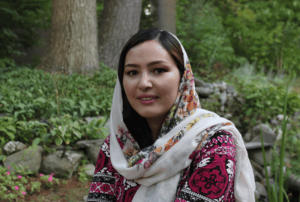
Farida Niazi, a former refugee from Afghanistan who has made Lowell, Massachusetts her home since 2019, says that she loves the freedom she feels here.
“In the United States, religion is different, and everyone is different, but nobody told me about my hijab, or anything. Here the good thing is what you do and who you are, not what you wear. That’s why I love it here.”
Now that Farida no longer feels an expectation to wear a hijab, she embraces the opportunity to choose to do so. However, Farida and the many fellow Afghans she has met in Lowell have struggled to find high-quality, traditional clothing.
“I wear a hijab and long clothes. I was searching. Especially in summer when it’s really hot, it’s difficult. I didn’t find it. A lot of families from Afghanistan are coming here and I thought if I have this problem, they also have this problem.”
Farida says that because she had lived in an urban area in Afghanistan and worked as a teacher, the transition to life in Lowell was easier for her, but that many Afghan women in Lowell with different backgrounds can be “shy” and hesitant to leave their homes. Not having clothes that feel appropriate and comfortable makes it even harder for them, increasing their isolation.
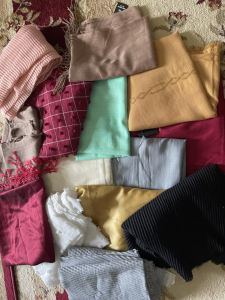
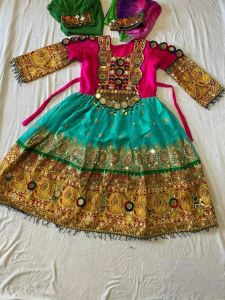
To help address this challenge, Farida has started her own business sewing, tailoring, and importing traditional Afghan clothes at affordable prices. Working via WhatsApp with vendors in Afghanistan, India, and Pakistan, she chooses high-quality fabrics, clothing items, and accessories and has them shipped. She then posts pictures and takes orders through a Lowell Afghan Facebook Page. Customers can come to her home to feel the fabric and see the quality of the clothes. Prices are negotiable and she tries to keep things as affordable as possible while she’s building up her business. It’s been about a year and things are going well.
“When customers come once, they come again, and those who have visited, tell others.”
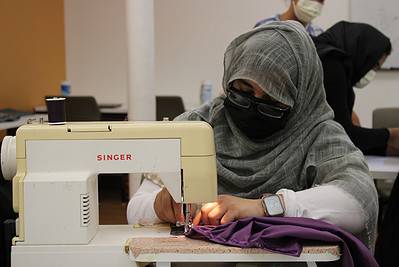
Farida had taught herself to sew when she lived in Afghanistan, measuring fabric by outlining her own dresses and cutting around them. She improved her skills thanks to access to sewing machines at the International Institute of New England, where the Niazi family has deep ties. When IINE helped Farida, her husband and their three children resettle in Lowell, which she says “felt like a blessing from God,” she reunited with family members whom IINE had resettled earlier: her parents, and her sisters Safeena and Haseena who now both work as IINE Case Specialists helping fellow refugees.
Through this connection, Farida has found another way to help Afghan women feel less isolated in Lowell. For the past two summers, she’s led IINE’s weekly sewing groups for Afghan women clients. Sometimes she teaches, but more importantly, working with interpreters, she gives participants the chance to socialize with one another and with volunteers, while communally working on their craft. Sometimes this leads to them getting needed support from their IINE case workers.
“The good thing is that we’re involved in the community, and we know each other. Sometimes people had problems they didn’t discuss. Knowing they’re talking to someone who speaks English is good for Afghan women. Sometimes they didn’t have jobs, they had trouble with appointments, or they had problems in their home, but they didn’t tell anyone because they didn’t want to have to explain.”
Farida hopes that some of the women she sews with will work with her when she is one day able to open a physical clothing and tailor shop in the community. Many have already expressed interest. In the meantime, life is busy and filled with her three children and newborn baby, beautiful fabric, and the sounds of a phone buzzing with WhatsApp notifications about the latest clothing orders.


 I was born and raised in southern Maine. I earned a Bachelor of Arts in Zoology and a Master of Education from the University of Maine, and then an M.B.A. from the Tuck School at Dartmouth College. Shortly after, in 1982, I moved to Boston, and I have been here ever since! My husband and I raised our three children on Beacon Hill. We have a long history with the city and feel lucky to call it home.






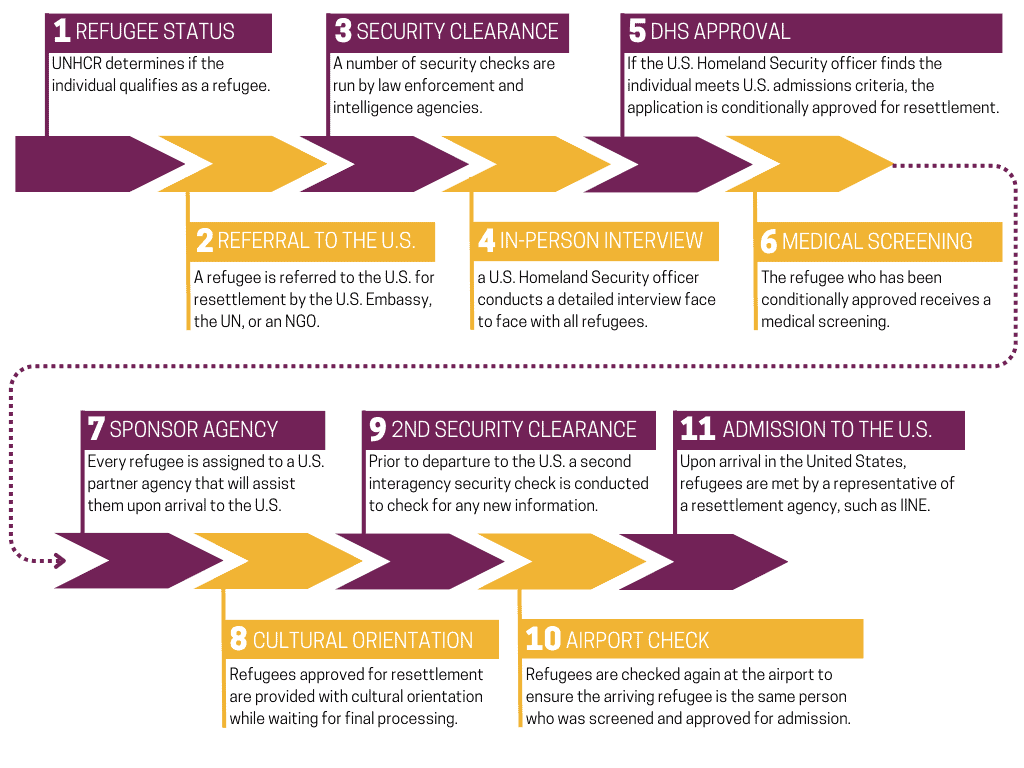
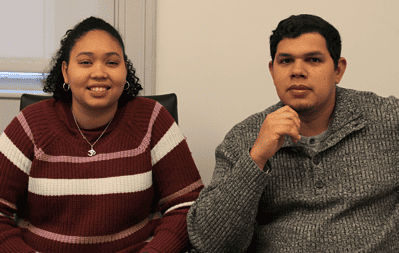



 Despite living in limbo, over the past two years Afghans have put down roots in New England. IINE has helped Afghan families in
 Qu'est-ce qui vous a amené à l'Institut international de la Nouvelle-Angleterre ?
 It’s difficult at times to focus on hobbies because for Ukrainians, the number one goal at the moment is victory and survival. In order to get to victory faster, I started an initiative for creative people to do projects for people and use the revenue to support Ukraine. I have been doing photo and video shoots to help my friends who are fighting in Ukraine and who are in dire situations (