IINE community members on the resources they would share with newly arriving refugee families to help them feel at home
Being a refugee takes tremendous bravery. Refugees arrive in our communities while still processing recent trauma, often carrying little more than a single suitcase, and have to rebuild their lives in a place where they often don’t know the local language, culture, or customs.
Welcoming them calls for both empathy and imagination—skills with which our IINE community members are rich. We asked staff, clients, board members, and volunteers about their own migration experiences and family stories, and how they would put together a “Welcome Kit” for newcomers.
Andrea West, IINE Education Admissions Specialist
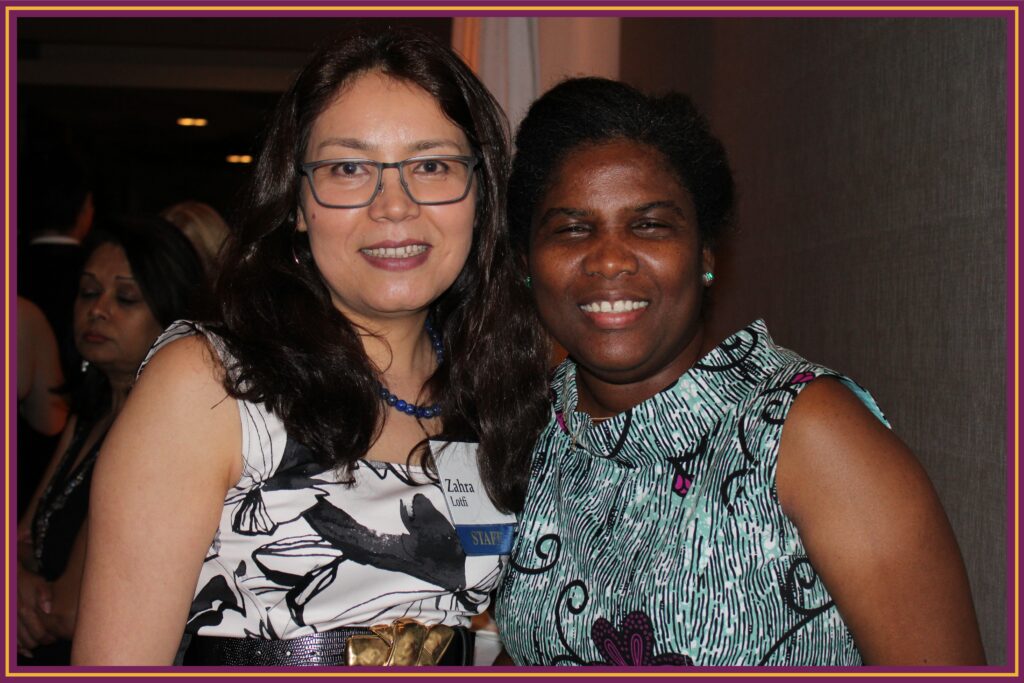
What resources would you include?
- Descriptions of and directions to places in the community where our new friends can meet other people from their home country or region. Whenever I move to a new place, I seek out people from my home country or region. Belizean and Caribbean immigrants help me, my Mexican husband, and American son feel connected to Belize. They are also a source of support for us as we settle into and learn to navigate our new community. They tell me where I can find the ingredients I need to make the local Belizean dishes I like, places to worship, and where their kids attend school. We celebrate and commiserate with each other.
- List of food pantries, meal programs, and places where you can get free or cheap clothing (especially winter clothing). Moving to a new place is expensive for any family, regardless of their race, ethnicity, or nationality.
- Information on how to get support with childcare and places where their kids can get a good education. Childcare is expensive and can be a major barrier to families achieving self-sufficiency.
- Stories! Plenty of stories! Children’s stories of historical figures, history of the State of Massachusetts, stories of other refugee families. I can’t overstate the importance of stories in educating our new friends on the amazing history of Massachusetts that will make them both proud to be a part of this community and inspired to contribute to it. As an immigrant, I find comfort in stories that remind me of what those who came before me endured and fought against to bring about changes that I benefit from today. They inspire me to pay it forward and make me hopeful for the future.
- Directions on how to use public transportation. Buying and maintaining a car in the U.S. and using ride shares is expensive.
- Information on how to maintain one’s immigration status. Federal regulations regarding maintaining legal status are complicated, and not doing so may jeopardize a refugee or immigrant’s ability to continue to live and work in the U.S.
- Sources of support for finding and landing a job. We can’t pursue our American dream without a job. Hard work is one of the greatest American values.
What would you want them to know about their new community and neighbors?
I am originally from Belize, and I’ve lived in Cuba, Mexico, China, and several U.S. states. The personal and professional experiences I’ve had while living in these countries have taught me two very important lessons that I would share with a newly arrived refugee family.
The first is that the foreign policy of a country is rarely ever a reflection of the attitudes and beliefs of that nation’s everyday citizens. In America, I often see many examples of the disconnect between U.S. governmental policies on issues such as immigration and the attitudes of American citizens towards immigrants. I’ve also learned that America is a very diverse country. There is not only a wide range of races and ethnicities represented in America but also a great diversity of beliefs, attitudes, and perspectives on any given issue.
I’d let our new arrivals know that their lives in America will not only be defined by the anti-immigrant people we see on TV and on social media or by the governmental policies that are bound to adversely affect them but by the kind and caring people in their communities.
My husband and I have both had people shout at us in the streets to go back where we came from, but we’ve had far more Americans kindly welcome us into their homes and treat us to unbelievable hospitality.
Is there any part of your own family story you would share?
While growing up in Belize, I watched the brutal beating of Rodney King, an African American man, by several Los Angeles police officers on TV. The riots that erupted in L.A. when the officers were acquitted of charges of police brutality were also aired on local TV. I viewed them with my family in our living room. When it was time for me to come to the U.S., replaying those images in my mind fueled my fear of being judged and discriminated against because of the color of my skin. My fear and apprehension kept me from having meaningful relationships with white people until a friend gave me some sage advice. My friend, Sharon, who was also a Black Caribbean immigrant, encouraged me to stop going around expecting hate and discrimination. By her example, she taught me how to enter rooms and relationships with an open mind and open heart. I still experience hate and recognize and acknowledge the people who give it. But being able to move beyond that hate and to be open to the love, kindness, and joy that others bring has made me a much happier person.
What hopes would you share for them?
We came to the U.S. to pursue our dreams. I’d hope that they are able to accomplish theirs. I’d wish them success, however they define it.
The Capacho Family, former IINE clients
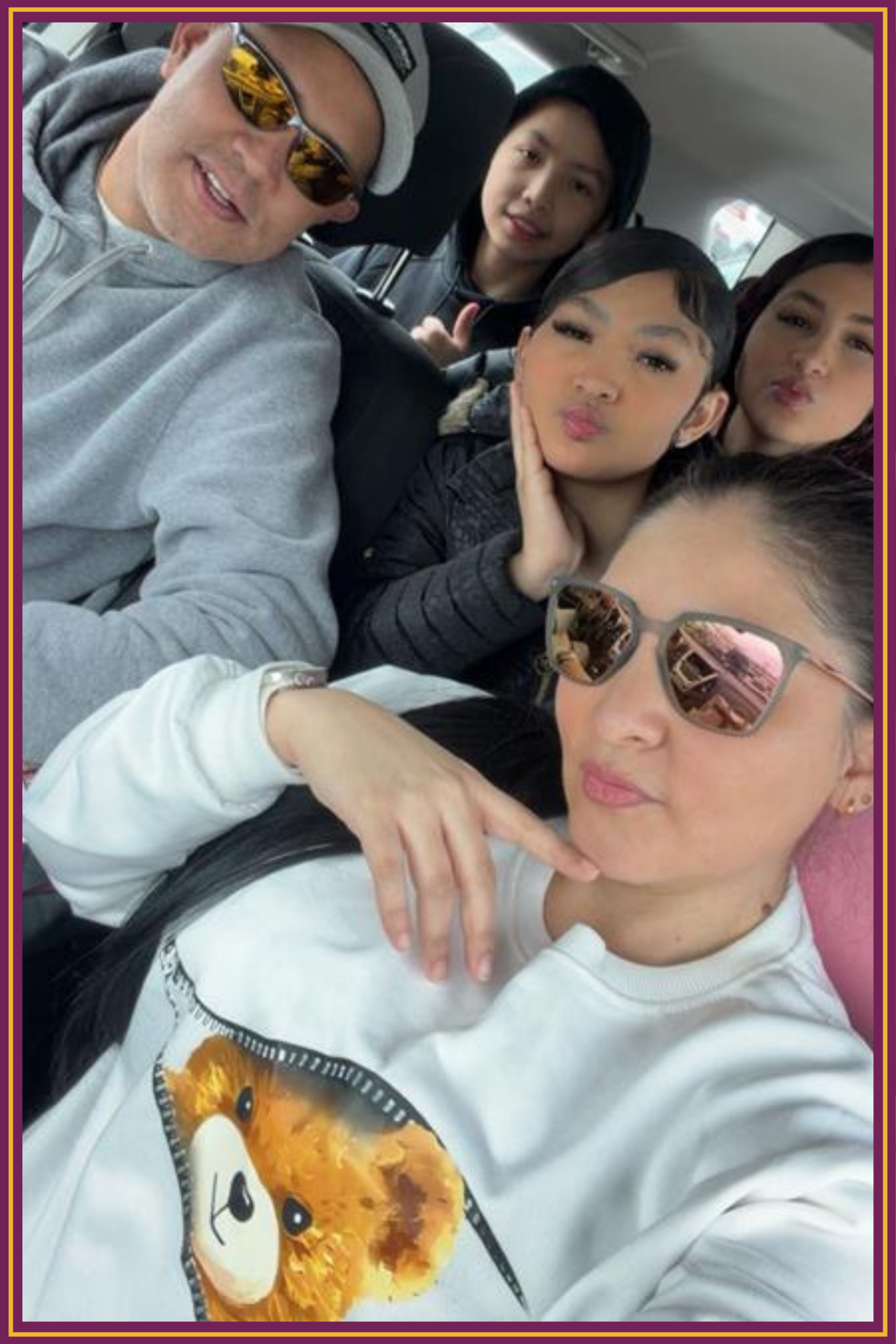
What resources would you include?
We believe that community spaces for connection and dialogue are essential: places where migrants can meet, share experiences, learn from one another, and build friendships that strengthen the community. These spaces help people adapt together, regain trust, and reinforce hope, reminding us that even after trauma, there is always a path forward.
What would you want them to know about their new community and neighbors?
We are a multicultural family: my husband and I are Venezuelan, one of our children is also Venezuelan, two were born in Colombia, and our youngest was born here in the U.S. From the very first day, we have felt the love, solidarity, and support of our new community. We feel blessed to belong to a place where empathy, respect, and unity are lived every day, and where neighbors are kind, caring, and willing to help.
Is there any part of your own family story you would share?
Each stage of our journey—from Venezuela to Colombia and now to the United States—has taught us resilience, gratitude, and the value of community. Having support along the way allowed us to keep moving forward with faith and hope, and now we want to share that strength with others.
What hopes would you share for them?
Our hope for other families is that they find peace, stability, and a sense of belonging. Even after difficult experiences, we hope they can heal, rebuild their lives, and dream again. Especially in the hardest moments, staying united and hopeful makes all the difference.
We also want to inspire everyone to find their passion and live freely. Look for a “why” that drives you, reinvent yourself, and pursue everything you have ever dreamed of being. Today we are in a free country: we are free, and it is time to free our minds. I have always lived by the motto “Live free, live happy,” and I believe that each of us has the power to design and create our own life. Even when challenges are hard, every step forward brings us closer to fulfilling our dreams, sharing hope, and living fully.
It would include faith, hope, and love for humanity. This is as vital as water as oxygen and gives us the strength to continue.
Fereshtah Thornberg, IINE Board Member
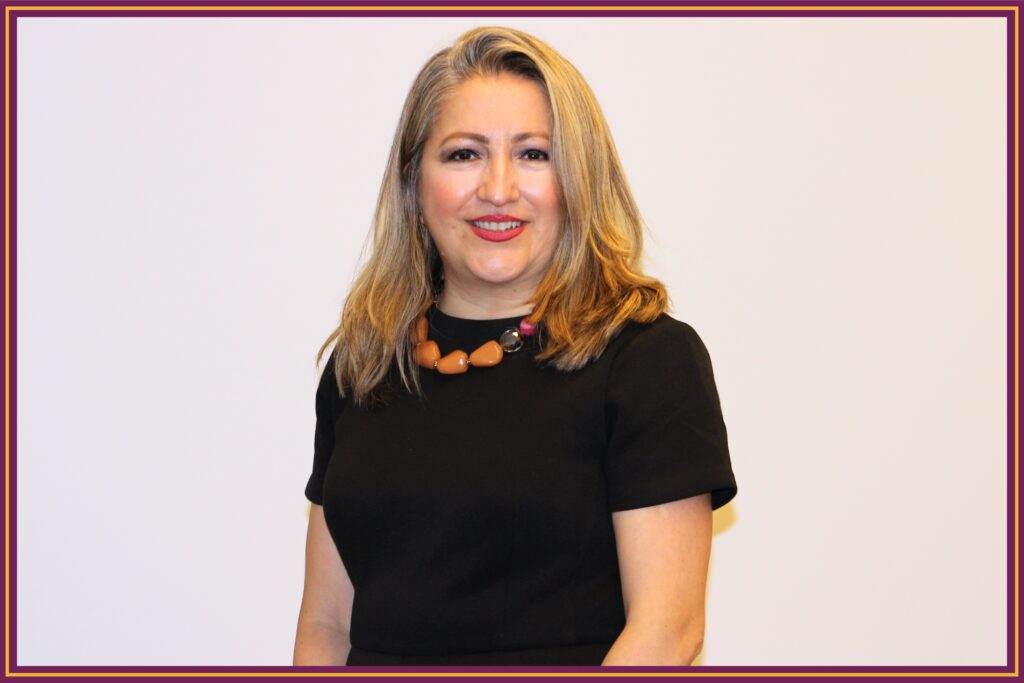
What resources would you include?
My kit would include:
- A map of the city’s public transportation
- A list of common questions you can ask in English (example: how do I get to this address?)
- Some basic necessities like toothbrush and paste, shampoo, deodorant, etc.
- English learning tools
- Temp agency lists
- Grocery stores nearby
- Where to go if you or your family gets sick
- The closest place of worship (depending on their religious beliefs and faith)
What would you want them to know about their new community and neighbors?
That they care and don’t hesitate to get to know them.
Is there any part of your own family story you would share?
When I arrived in New York over 30 years ago, we came with very little money and a lot of anxiety for what was ahead, yet grateful that we were safe. The first two years were a journey, but looking back, it has helped shape who I am and how much compassion I have. I was looking for a job during one of the worst recorded snowstorms, but was excited for what was ahead.
What hopes would you share for them?
Our hopes for newly arrived refugees are that they feel safe and cared for and trust that their lives will look much different two years from now and will improve for the better as they settle into their new communities.
Danielle Rabina, IINE Resettlement Volunteer, Boston Bound Community Sponsorship Team
What resources would you include?
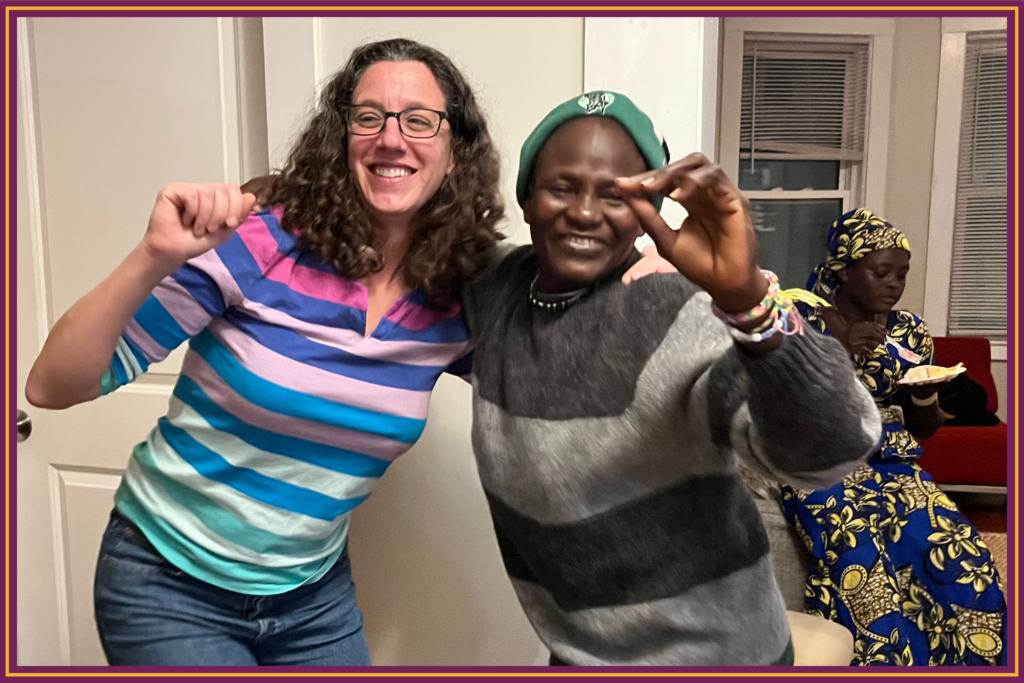
One item a member of our group thought of [when we did welcome a family] was a book of photos with names and phone numbers of each member of our group. New immigrants that IINE is helping to resettle are meeting so many new people in their first year, while also learning a new language, that it is easy to lose track of who is who. This book was referred to often in the first months.
Here are some other items I think would be nice to include in a Welcome Kit.
To help the family feel cared for:
- A toy or stuffed animal for any children
- A comforting soft blanket for adults
- Some tea and comfort foods
To help with navigating a new area:
- A map of their local neighborhood highlighting important places like supermarkets, parks, and libraries
- A map of the public transportation system
- A pre-filled public transportation pass
Although it’s unrealistic to include in a Welcome Kit, it would be so helpful to include a personal technology teacher to teach the family how to navigate all of the important online notifications they will be getting as they create a life here.
What would you want them to know about their new community and neighbors?
I would like to share the variety of cultures, languages, and countries of origin of their neighbors, so they can understand how America is a melting pot made up of people from all over the world.
Is there any part of your own family story you would share?
I would share my own family’s immigrant story, and over time, I would share how my family celebrates American holidays and pastimes.
What hopes would you share for them?
[I’d share] hope for them to gain a feeling of safety, security, and support so that they can have the freedom and confidence to pursue a meaningful life here in America.
Geoff Birmingham, IINE ESOL Volunteer
What resources would you include?
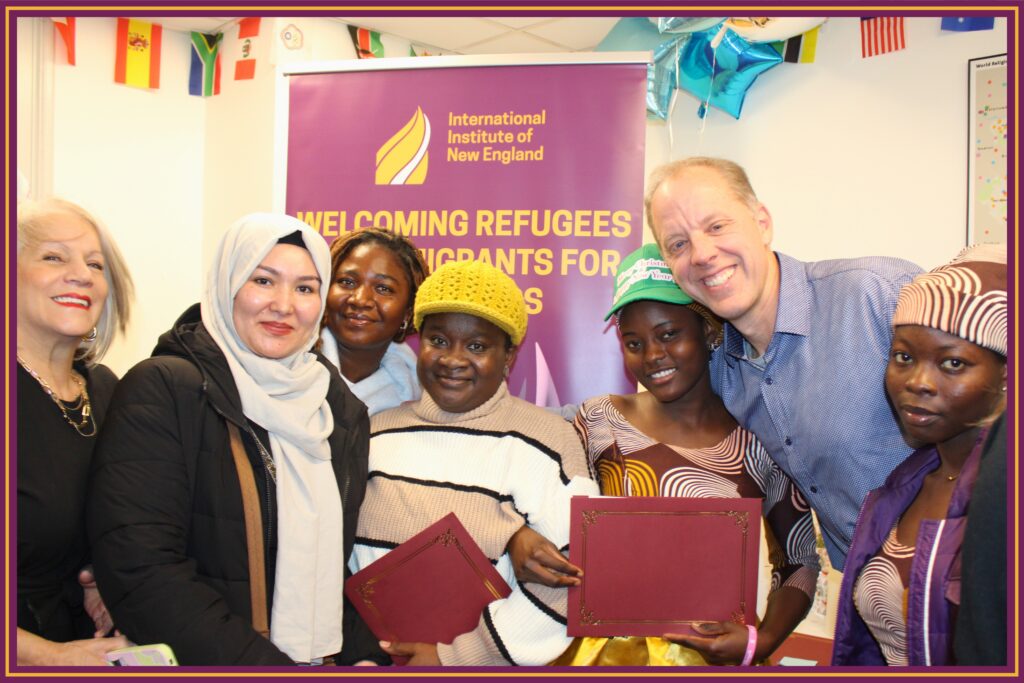
I would include membership cards to three museums in Boston: the Museum of Fine Arts, the Museum of Science, and the Children’s Museum. I would give them a snowblower for winters like this year. I would offer them a Red Sox package, which includes free tickets for the family AND me as an escort, so I can explain what the heck baseball is. I would give them electric bikes with panniers to make moving around the city and doing errands easier (and urban biking lessons included, if needed).
What would you want them to know about their new community and neighbors?
I would say it’s important for new arrivals to know that our community is friendly—but most people won’t go out of their way to be helpful. People are busy. They don’t spend a lot of time wondering how to support others. So, it’s very important to ask for help if you need it. When you do that, just about everyone you approach will do whatever they can to lend a hand.
What hopes would you share for them?
1. That they never forget and always honor their home country.
2. That they can remain true to their culture and traditions while also embracing ours.
3. That they are able to eventually feel at home in the U.S. and feel that they belong.
The Machado Family, former IINE clients
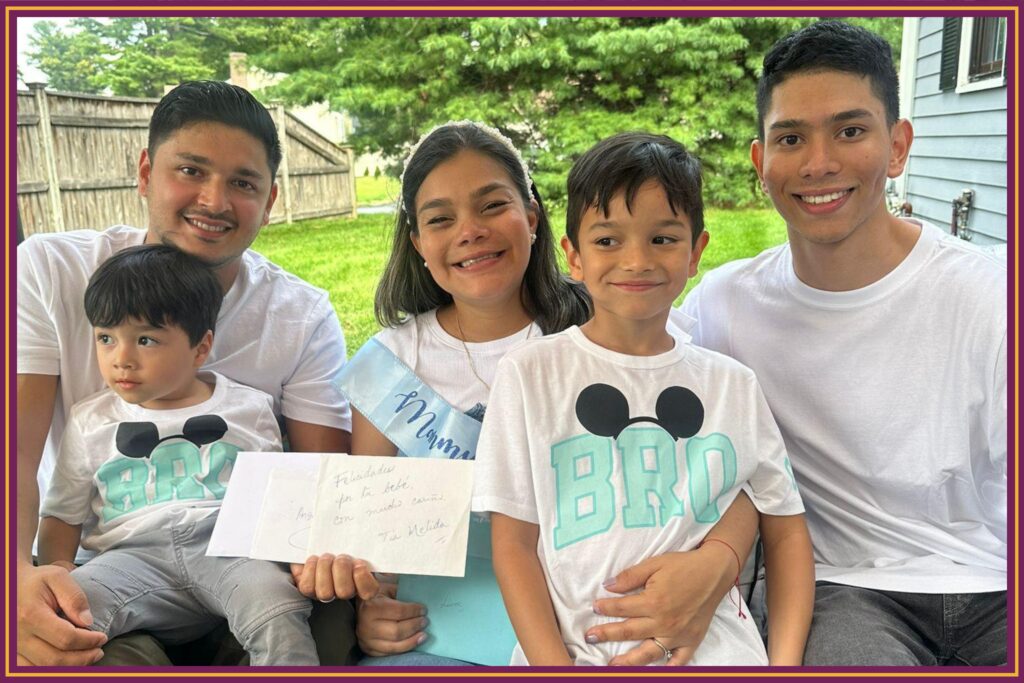
Our Welcome Kit would include basic household essentials, information about local services, and a welcome letter reminding them they are not alone. I would also add a list of community spaces and support networks, because feeling guided and accompanied is just as important as material help.
• • •
Helping refugees and immigrants resettle, find safety and opportunity, and succeed in New England takes a community. Explore ways to get involved with this critical work.
Related Articles

Maryam and Mauret: A Volunteer Helps a Young Afghan Refugee Pursue Her Dreams in New Hampshire

Restrictive and Unjust: IINE Statement on Presidential Determination on 2027 Refugee Admissions

Spotlight Report Excerpt: On Connecting Immigrant Talent to Healthcare Careers