Sokhary Chau, a Cambodian refugee who survived the Khmer Rouge’s genocide, has become the Mayor of Lowell, making him the first Cambodian-American mayor in the United States. Currently serving as a city councilor in Lowell, he was unanimously picked by his council peers to assume the top post on January 3, 2022. He also became the city’s first Asian American mayor.
“As a proud Cambodian American, I am standing on the shoulders of many immigrants who came before me to build this city,” Chau said at his inauguration.
For more than 100 years, IINE has welcomed newcomers to Lowell through refugee resettlement, adult education, immigration services and beyond.
“We are so inspired to see a refugee assume the city’s top post,” says Jeff Thielman, IINE’s CEO, “It speaks to how the investment in refugees and immigrants leads to a more vibrant, diverse, and forward-thinking community. We look forward to working with the new Mayor and welcoming newcomers to Lowell.”
Carlos was fifteen years old when he left Honduras on his own. Fleeing violence and seeking a better education, and medical treatment for an eye condition that left him partially blind, he was optimistic about a future in the U.S.
A lonely journey
After crossing the the U.S. border just beyond the Rio Grande, Carlos was arrested on entry and held for the night at a detention facility in Texas before being brought to a shelter for youth in Miami. Carlos remembers exactly how long he was at the shelter: 82 days. He missed his family in Honduras, and was frightened by the uncertainty of his future.
Carlos was in the middle of a soccer game at the detention facility when he was told he would be released to live with his aunt in New Jersey. He had not seen her in person since he was very young and only had pictures to remember her by, but he was very excited; finally, he would be starting his new life in America.
IINE’s Unaccompanied Children’s Program
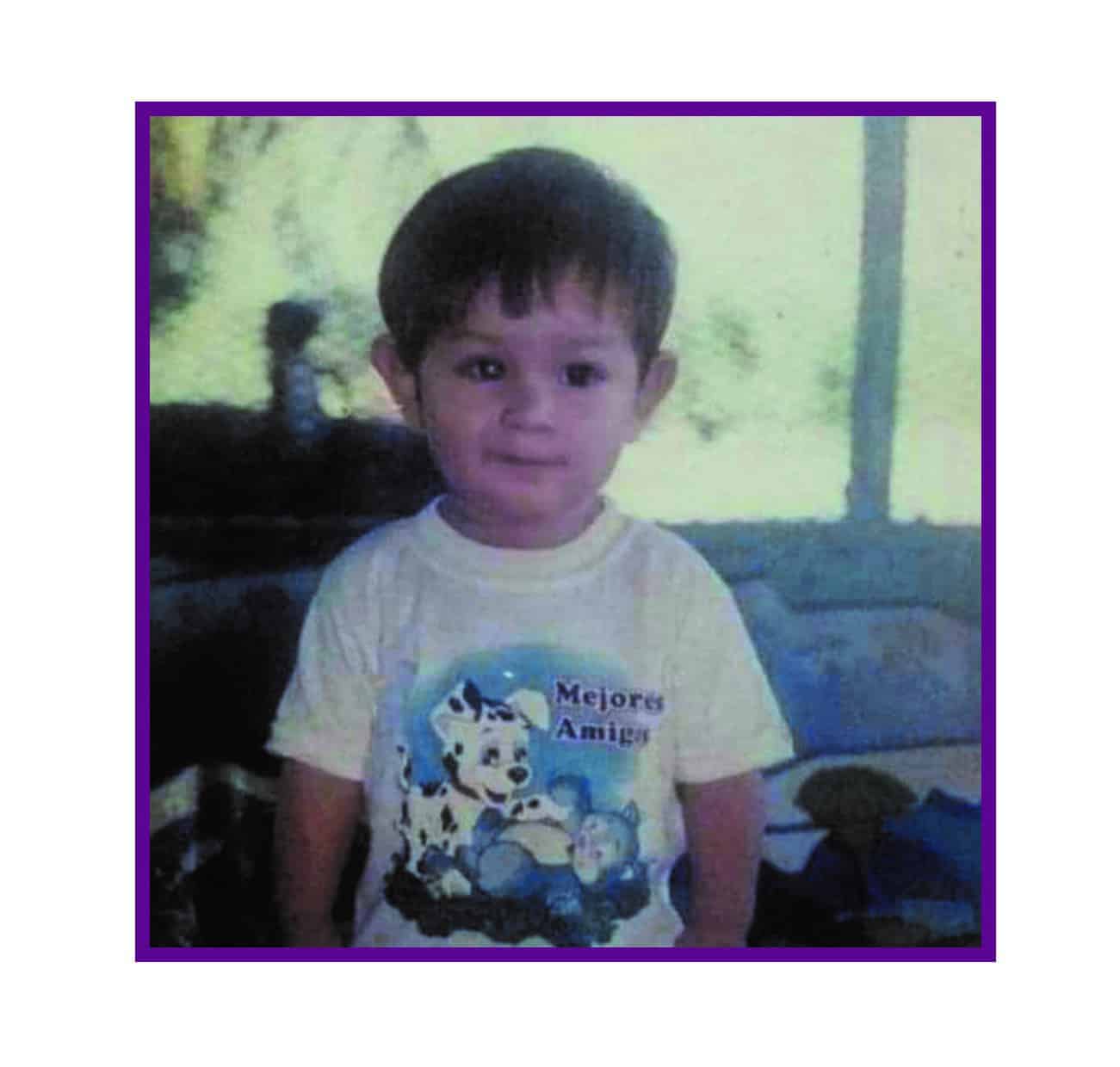
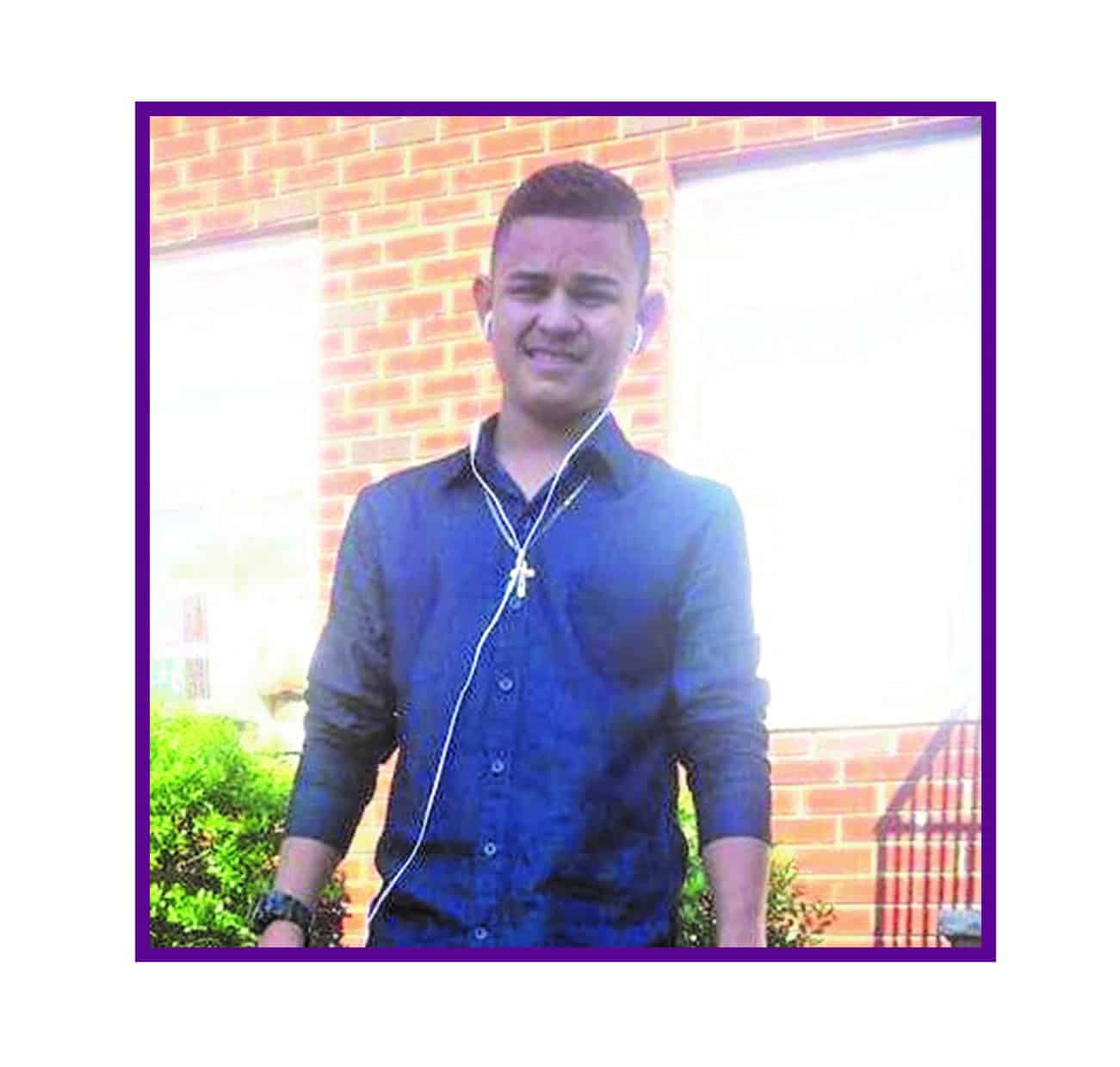
Carlos as a teen, freshly arrived in New Jersey.
Since 2011, IINE has helped unaccompanied minor children by providing the support and resources they need to reunify with loved ones in the United States. IINE’s program delivers essential services to children and teenagers who are referred to us by the Office of Refugee Resettlement after they have been detained and sheltered by the U.S. government under federal policy guidelines.
Children like Carlos, who are apprehended at the southern border or in the course of an U.S. Immigration and Customs Enforcement raid, are placed into federal detention. Those who are able to reunify with family in New England are often referred to IINE as they are released into the care of a sponsor, usually a family member like Carlos’s aunt, while their legal status in the U.S. is clarified. In addition to certifying the safety and suitability of the U.S. sponsor’s home, IINE provides support to children and teens during this transition period by offering critical legal aid and linking the children and their sponsors to community resources.
IINE’s bilingual social workers advocate for each child as they navigate federal reunification guidelines, and are responsible for visiting the child in their new home in the U.S. IINE staff provide the reunited family with referrals to attorneys, schools, libraries, museums, health facilities, food banks, crisis hotlines, and other resources tailored both to the family’s local community and any needs or interests that may have been identified. Depending on the individual child’s situation, a case manager may also help develop a stress management plan, work out a family safety plan with both the child and the sponsor, and discuss family support strategies with the sponsor.
Sofie, a case specialist in IINE’s Unaccompanied Children’s Program, began working with Carlos’s aunt while he was still in Miami. She conducted a home assessment, interviewing everyone who would be living with him to ensure a safe environment.
Team Carlos
Carlos poses with his aunt at his high school graduation.
Carlos remembers struggling early on as an English language learner in his new high school. “I wanted to cry because I didn’t know anything or where to go. I was always scared I wouldn’t be able to talk to people or know how to respond to them.”
Fortunately, Sofie was there to advocate for Carlos’s needs. She helped Carlos with his coursework, encouraged him to join the swim team to make friends, and connected him to a community volunteer program where he was able to help children with special needs. She also helped set up legal appointments and manage medical care.
Carlos also had the support of his aunt, who affectionately calls him “Carlitos.” “He had a really good support system and example to follow, and she didn’t give up on him, and so he didn’t give up on himself,” Sofie says.
Despite her own literacy issues, his aunt organized a system to keep Carlos’s medical, legal, and educational papers carefully organized. She also dutifully brought him to the court dates to arrange his immigration status, ultimately helping Carlos to secure Special Immigrant Juvenile status.
Carlos, today
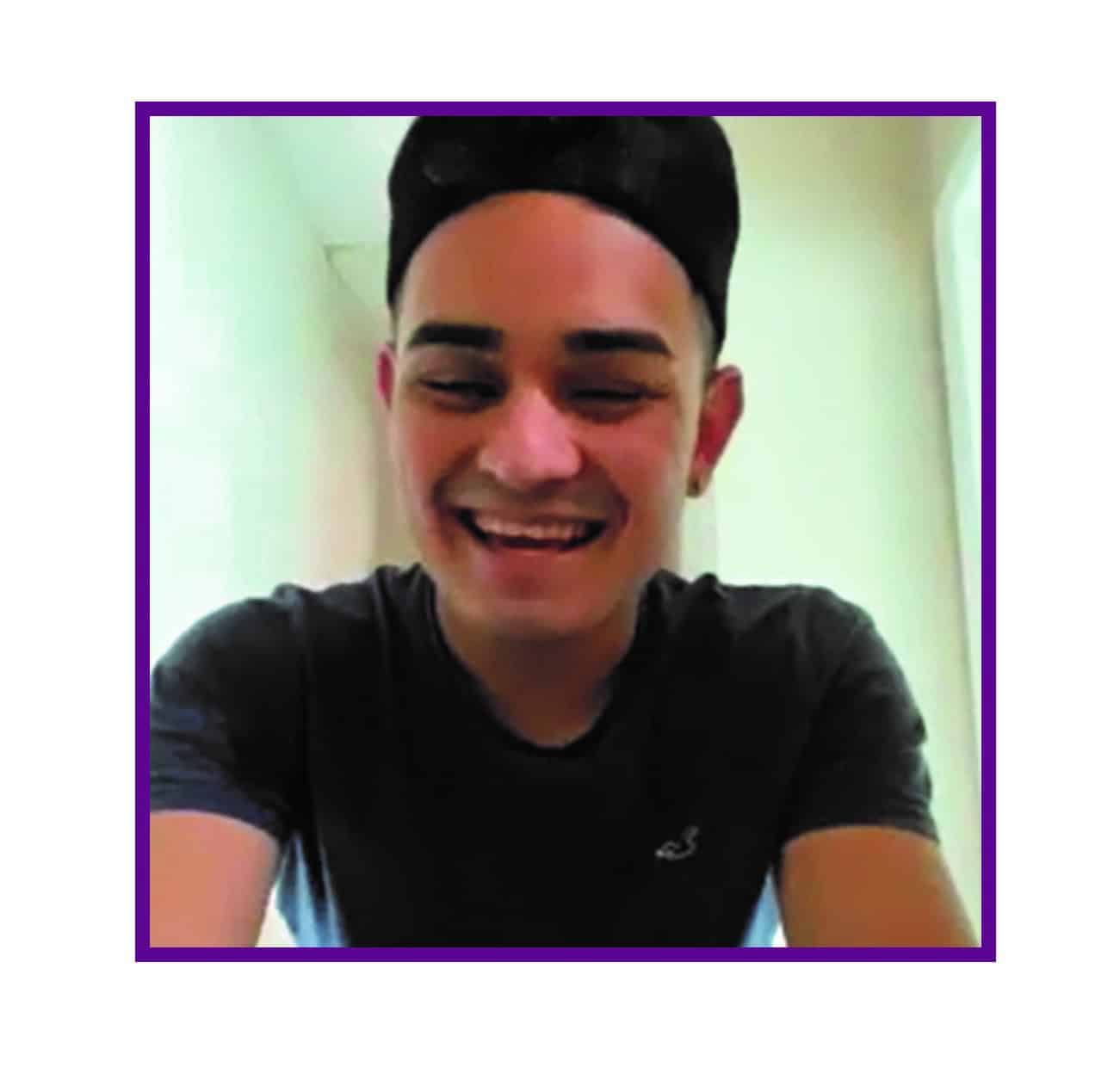
Carlos today, age 21, talks about his experiences on Zoom.
Now 21 years old, Carlos has graduated high school and supports himself with a manufacturing job. He’s cheerful and optimistic, is far more confident in English, and continues to learn. He also continues to dream. “I would like to see myself in five or six years as a nurse or a veterinarian,” Carlos says.
BOSTON, MA: Mass. Refugee Resettlement Agencies, the nonprofits tasked by the federal
government with welcoming and resettling hundreds of Afghan immigrants, praised the MA legislature
for including $12 Million to support Afghan arrivals in the final spending bill sent to Governor Baker’s
desk on Friday.
“We are incredibly grateful for our legislative champions, Speaker Ron Mariano, Senate President
Karen Spilka, and Ways and Means Chairs Aaron Michlewitz and Michael Rodrigues for continuing our
Commonwealth’s long history of welcoming refugees into Massachusetts” said Jeff Thielman,
President and CEO of the International Institute of New England. “The $12 Million allocated in the
supplemental state budget will provide critical support to those arriving from Afghanistan, often with
nothing more than the clothes on their back.”
U.S. and international coalition forces evacuated 124,000 people from Afghanistan in August, with
more than 95,000 of these individuals expected to resettle in the U.S. Hundreds of Afghan citizens
have already arrived in Massachusetts, and resettlement providers expect that more than 1,700
Afghans will settle in the Commonwealth by mid-February. Resettlement agencies contract with the
U.S. State Department to ensure that refugees experience a safe and effective transition to the United
States. Local agencies in the Commonwealth receive and distribute financial support from the federal
government to new arrivals and also rely on private donations. Federal and private support, however,
is not enough to fully meet the needs of Afghans and other displaced populations.
House Floor Division Leader Jim O’Day represents the city of Worcester and has been a long-time
supporter of Ascentria and their work. “I am thrilled to see the broad support in the House and the
Senate for the allocation of $12 Million in funding. This state support is critical to supplement federal
dollars and ensure that those arriving have wraparound services including housing, legal aid, childcare
and job training. The funding will have a tremendous impact on the resettling efforts for the Afghans
refugees in the city of Worcester. ”
While some federal funding has been allocated to support Afghan evacuees to Massachusetts and
other states, the Commonwealth’s high cost of housing and cost of living has posed a significant
challenge to the emergency resettlement of these individuals.
“I am proud of the inclusion of $12 million in aid for Afghan refugees in the House and Senate
spending bill” House Floor Division Leader Ruth Balser (D-Newton) who helped spearhead the state
funding request in the House, stated. “This aid will be crucial to successfully resettle Afghan
immigrants and ensure their safe passage to Massachusetts following their swift and urgent
evacuation from Afghanistan. I am proud that Massachusetts is stepping up to welcome these
refugees and making sure they integrate successfully into our community.”
The House and the Senate both included the $12 Million in their initial draft of the spending bill,
meaning no amendment was needed in either branch. Sen. John Velis (D-Westfield), a lead in
securing state funding in the Senate and a US Army Veteran himself, stated, “From my own time in
Afghanistan, I know how much our military forces have depended on Afghan citizens for our missions
over the last twenty years. Now those same individuals and their families are going to be relying on our
Commonwealth to support them. This funding is crucial to ensure that Afghan arrivals have access to
the services and resources they need and are able to integrate successfully into our communities. I
urge the Governor to swiftly sign the spending bill so this money can be leveraged as quickly as
possible.”
The state funding will be administered through the Office of Refugee and Immigrants (ORI) and will be
allocated both to individuals and resettlement agencies directly, as per the language in the final
spending bill.
Aimee Mitchell, Chief Community Services Officer at Ascentria Care Alliance underscored that in order
to ensure Afghan arrivals have adequate wraparound services, including childcare, transportation,
language access, and medical care, state funding is needed. “The federal and private funding we have
raised alone cannot adequately cover the support that these individuals will need in order to establish
themselves and be successful in Massachusetts. It is directly in line with the agencies’ mission and the
history of Massachusetts to help these individuals start a new, safe life here in Massachusetts.”
###
Ascentria Care Alliance offers a continuum of community-based programs for refugees and immigrants in Massachusetts that aim to help new Americans achieve independence and stability. Visit www.ascentria.org to learn more about the refugee resettlement and unaccompanied minors programs.
The International Institute of New England creates opportunities for refugees and immigrants to succeed through resettlement, education, career advancement, and pathways to citizenship. Learn more at IINE.org.
Safeena came to Lowell, MA as a refugee from Afghanistan in 2017, with her husband, two young children, and another baby on the way. She knew there would be challenges ahead. “My parents were here, so I was a little bit confident,” she says, but she knew it would be difficult to adapt to a new culture.
When Safeena initially arrived, she and her husband and children were brought to her parents’ house, in Lowell. Then, Sabyne, Safeena’s IINE caseworker, took the lead in finding them an apartment near her parents. “It’s a very good home,” Safeena says.
The First Months
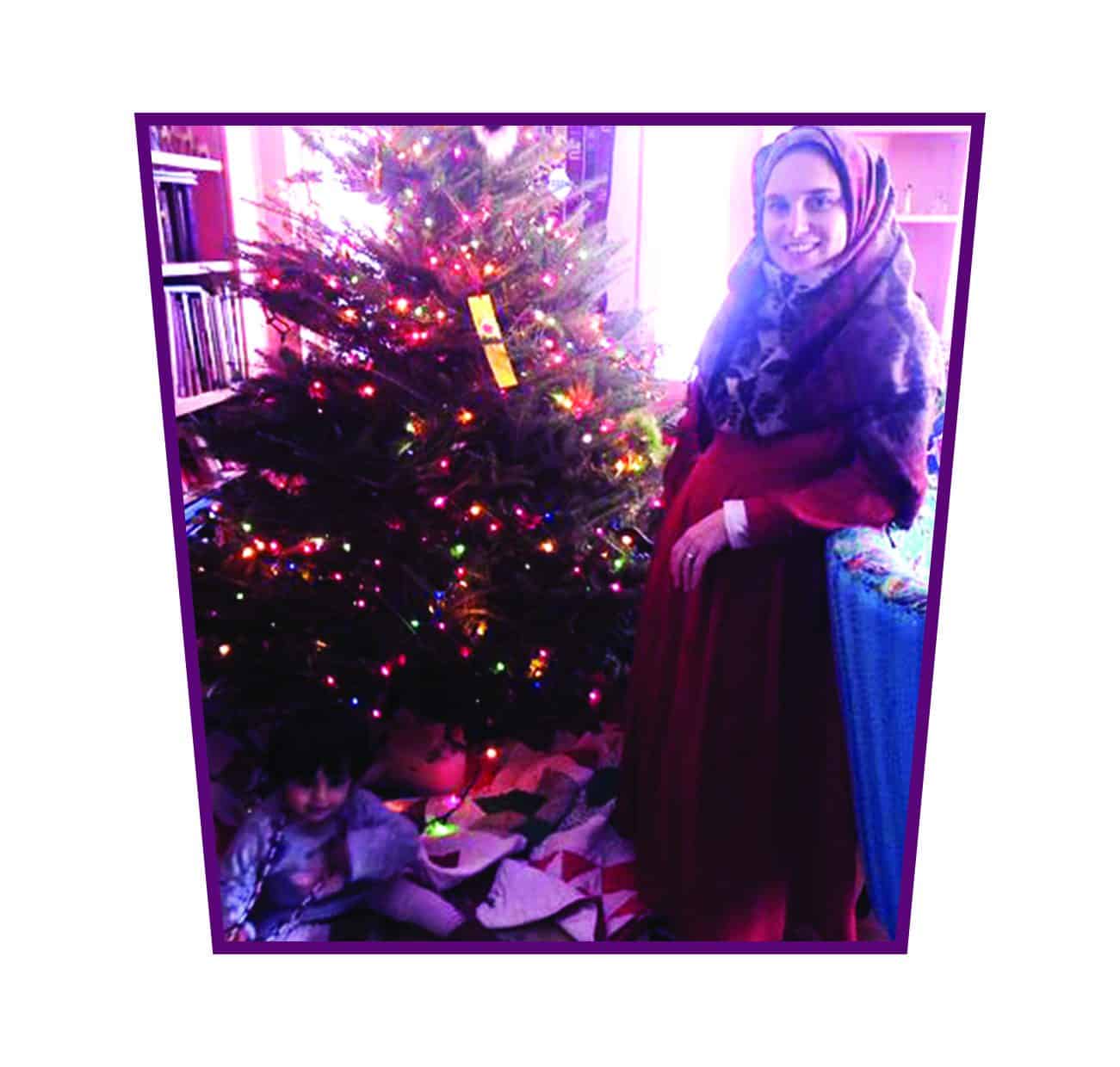
Learning about American holidays is part of cultural orientation.
During the first months in Lowell, Sabyne and the rest of the IINE team gave Safeena and her husband their first lessons in how to navigate life in America, helping them sign up for health insurance and food stamps, giving them direct cash assistance, and connecting them to a local organization that provided furniture and beds.
IINE also introduced Safeena to Early Intervention and Head Start programs. In Afghanistan, she had never encountered any information on child development: “Before… they are crying, you don’t know the answer, why they are crying.” A class on social emotional skills through the Early Intervention program helped. “Those are amazing courses,” notes Safeena.
Early Intervention was a vital resource for her son Mohammad Ghayoor, who was 3 years old when they arrived in Lowell, and her daughter Areesh, who was 1 year old. A home visitor would come twice a week to show Safeena how to enhance her children’s development through targeted playtime and vocabulary usage, helping her to learn to be “the first teacher for your child.”
Lowell has a large, close knit Afghan community, with many other recent arrivals looking out for newcomers. In the initial weeks and months in Lowell, other Afghan women in the community came to visit and welcome Safeena and her family, and invited them for lunches and dinners. Safeena’s husband joined a community group that meets weekly to play cricket and discuss the most urgent issues affecting the local Afghan diaspora.
Paying it Forward
Safeena’s youngest daughter was born not long after the family arrived in Lowell.
After she arrived, Safeena expected that it would be a while before she got her first job because she was pregnant, but IINE staff immediately noticed that she had excellent English skills and offered her a part-time position as an interpreter. She appreciated how flexible work with IINE was, and how understanding her colleagues were, allowing her to interpret by phone while she recovered from giving birth to her youngest daughter, Hareer.
Next, Safeena began providing childcare for other immigrants as they attended English classes, and then, worked for IINE as a receptionist. Finally, in March 2021, she was offered the position as the human resources coordinator in IINE’s Lowell office. “It’s amazing, working with IINE, I feel very happy,” she says.
Safeena is well equipped to help the new wave of Afghan evacuees arriving this fall, and she and other community members have met with public school representatives to make sure that the Afghan children entering Lowell public schools have the support they need, including English language classes and help adapting to American culture.
The International Institute of New England (IINE) commends the U.S. Department of State’s commitment to quickly welcome and resettle evacuees from Afghanistan into U.S. communities. We are excited about the possibilities of new resettlement models that engage community groups across the country in receiving and supporting refugees. IINE has provided services to immigrants for over 100 years, and always with and through the support of local communities. The Community Sponsorship Hub model takes that support to a new level.
IINE stands ready to meet with any group in the community that forms a Sponsor Circle and to provide support within our capacity. We don’t have many details about how the program will work, but we look forward to learning more as groups form.
IINE and other resettlement agencies offer services that go far beyond the initial 90-day period, and that include orientation, case management, ESOL, education, job training and support, and legal services. Our professional, deeply experienced, and multi-lingual staff work intensely with most individuals and families for at least a year after arrival, and sometimes up to five years. To the extent that Afghan arrivals and other refugees will need all these extended services, we are prepared to partner with Sponsor Circles to ensure that initial resettlement support leads to longer-term service connections and coordination.
IINE is evolving our own refugee resettlement community support model, and we welcome the opportunity to pilot new models that better serve and support refugees in their initial resettlement and integration into U.S. communities. We look forward to working with federal, state, local, and volunteer stakeholders to integrate new sponsoring and receiving communities into the process of U.S. refugee resettlement.
Brenda, now 24, came to the U.S. from El Salvador when she was just eight years old. Her family initially settled in Alaska, and her first year was difficult: it wasn’t easy for her to learn English, and she only knew two other Spanish-speaking kids.
In 2018, Brenda moved to Lowell, MA with her infant son, Liam. She knew that she wanted to work in a medical field, and she had a high school equivalency diploma, but was unsure how to proceed. “I felt clueless when I started: I didn’t know what I was doing or how I was going to do it, or what I was going to need,” she recalls.
Youth Goal at IINE
It was while exploring educational opportunities that Brenda found Youth Goal, an IINE program for 16-24 year-olds who are out of school or looking for a skills certificate program. Youth Goal teaches participants financial literacy, guides them in career exploration, and provides them with case management to support them in reaching their goals.
Brenda attended a Youth Goal session (remote due to COVID) where she received information about potential careers, and had a one-to-one consultation with an IINE case worker who asked her about her goals and developed a plan with her.
“None of my immediate family has ever gone to college,” Brenda says, “So I didn’t know anything about tuition, or FAFSA, or any of that, so I asked a lot of those questions. They walk you through everything. The staff is really good about answering your questions.” She adds, “They’re always there pushing you and making sure you get what you need to succeed.”
Youth Goal helped Brenda gain confidence, and she soon was offered a paid internship in the program, helping other young immigrants learn English. By working with her peers, Brenda is able to better appreciate what she has achieved. “Being an intern and working with people who are where I used to be feels good, because it’s people that want to do better. It’s people that are really interested and really trying to better themselves, so it makes you feel good.”
Becoming a Certified Nursing Assistant
Brenda as a child in El Salvador.
In April 2021, Brenda joined the CNA for Success program at IINE. This program prepares participants to start a career as a Certified Nursing Assistant (CNA), at a high-demand point of entry in health care, offering specialized support for English language learners. It includes both certification preparation and clinical training and includes a 100-hour CNA module within its curriculum conducted by instructors from Middlesex Community College. Brenda is already fluent in English, but IINE’s CNA program was an important first step for her toward a career in nursing.
Brenda’s classes include test prep for certification, as well as hands-on work, both in real medical settings and in the classroom.
Optimism About the Future
Brenda is hoping to continue her education and become a nurse, ideally working with babies and children. In the meantime, Liam is now three years old and already benefiting from his mother’s example: “He sees that I go to school now, and he’s crazy to go to school. He’s always like, can I go to school yet, I want to go to school, I want a backpack too. It makes me happy to see that even at such a young age, I inspire and encourage him to think of school as a good thing.”
Lift Kids Out of Deep Poverty, a set of bills being introduced by Representative Marjorie Decker and Senator Sal DiDomenico, would provide financial assistance to Massachusetts families with children living in poverty. The bills are targeted at families who are below 50% of the federal poverty level, or $915 a month for a family of three, and would increase financial assistance rates by 20% a year until families reach 50% of the federal poverty level.
Massachusetts families in poverty rely on benefit payments through the Commonwealth’s Transitional Aid to Families with Dependent Children (TAFDC) program to support basic necessities. Refugee families with children in the Commonwealth are often disproportionately low-income and rely on the Commonwealth’s TAFDC program to support them as they work hard to become self-sufficient.
For many of the refugee families we serve at IINE, a question we hear too often is, “As I’m building my English skills and looking for work, how do I pay for rent, food, and diapers?” As rental housing costs have risen in the state by 94% over the last five years, TAFDC-level rates have not kept pace and today cover an average of only 38% of the monthly costs of housing, food, and living expenses for a refugee family of three.
The International Institute of New England applauds the MA Legislative Representatives and Senators who are sponsoring Lift Kids Out of Deep Poverty legislation. If enacted, the increased state aid—the first significant increase in nearly two decades—would bring struggling families in the Commonwealth up to what is considered “deep poverty,” or half the federal poverty level. It’s not a living standard to guarantee dignity and erase suffering, but it’s a start.
The International Institute of New England (IINE) is pleased with the passage of the Continuing Resolution on Thursday, September 30, 2021 authorizing Afghan humanitarian parolees to receive refugee resettlement benefits. These much-needed benefits will include reception and placement services, and access to healthcare, food stamps, and limited cash assistance. This is promising news, and will ensure that Afghans coming to Massachusetts and New Hampshire in the coming days and weeks can utilize federal benefits to meet their basic needs.
In addition, we were happy to see that the Continuing Resolution requires the Department of Homeland Security to expedite asylum applications for Afghans and makes parolees eligible for driver’s licenses and other government identification.
IINE has been resettling refugees in New England since the 1980s, and we always supplement federal benefits for refugees with services financed with private and state funds. The need for supplemental support is particularly important now because of the high cost and limited supply of housing in our region and because Afghans will need legal assistance to process their asylum claims.
We continue to seek private donations and advocate for state support to ensure that Afghans arriving in Massachusetts and New Hampshire are resettled safely and with dignity.
Finally, we urge the federal government to evacuate American allies still at risk of persecution in Afghanistan and take other steps to ease Afghans’ arrivals in the U.S., including waiving parole application fees and creating a categorical parole program for Afghan nationals.
On Wednesday, Immigration and Customs Enforcement (ICE) expelled 86 Haitian nationals from the U.S., and flew them back to Haiti. These migrants were expelled under Title 42, a policy created under the Trump administration to speed deportations in the early days of the COVID-19 pandemic. Currently, thousands of Haitian immigrants are encamped at Del Rio, Texas, after entering the U.S. through the Rio Grande.
These expulsions stand in contradiction to promises made by the Biden administration to create a more humane immigration system. And, they are especially cruel in light of back-to-back-to-back disasters in Haiti this summer: in July, President Jovenel Moïse was assassinated, and in August, a brutal magnitude 7.2 earthquake was followed immediately by a powerful hurricane. Forcing people to return under these circumstances puts their lives in danger, and cannot be justified.
The International Institute of New England (IINE) urges the Biden administration to halt these deportations immediately, and work with national resettlement agencies to develop a plan for Haitian migrants at the southern border.
Jeff Thielman, President and CEO of IINE states: “The tragedy is that the 200 resettlement agencies across the U.S., working with federal officials, could find a way to safely resettle many of the people on the border right now. The Biden administration has not consulted national resettlement agencies on how to approach the Haitian crisis. This is in contrast to the situation involving Afghan evacuees. The U.S. Committee for Refugees and Immigrants (USCRI) and other agencies are in regular contact with the U.S. State Department about how to resettle Afghans. We could be doing the same thing for the Haitian population.”
New England has been welcoming Haitian immigrants since the 1950s, and IINE has served many Haitian clients for decades through resettlement, case management, ESOL, skills training, and other services. We hope that we will have the opportunity to help the current wave of migrants find safety and stability, and join the vibrant multigenerational Haitian community here in the northeast.
Many refugees coming to the U.S. seek to join family members, and most have spent years waiting to settle in a new country. Refugees overcome many obstacles to come to the U.S., and every individual we’ve met over the years has tremendous grit and determination that only make our country better.
While we are pleased with the promise of more refugee arrivals in the coming twelve months, we strongly urge the President and Congress to provide enough funding and staff for the Department of Homeland Security and other U.S. agencies to process 125,000 people who will be entering our country as refugees. The promise of a higher number of refugees entering our country gives many people around the world hope, but we will let them down if we don’t have the funds to deliver on this commitment. Refugees arrive with many burdens and few resources, and they need many essential services to adjust to a new culture, begin to recover from trauma, and become self-supporting in a new country.
While IINE praises the Biden administration’s plans to resettle more refugees, we are focused on preparing to resettle hundreds of people evacuated by the U.S. government from Afghanistan last month. We urge Congress to adopt legislation that gives Afghan evacuees asylum, access to public benefits, and a path to citizenship. Many of the Afghans who fled their country last month supported our military and civilian personnel, and now it is our turn to support them.
Newell Flather, an impactful philanthropist and a steadfast friend to Lowell’s immigrant community, died last week. Newell was the founder of GMA Foundations, and he was also widely recognized for his early work in creating new community foundations throughout New England, including the Greater Lowell Community Foundation.
Newell grew up in Lowell within a family with a deep tradition of valuing immigrants. In 1961, he was in the first group of individuals to join the Peace Corps, teaching high school in Ghana. Later, among his many charitable offices, he served as president of the Theodore Edson Parker Foundation, whose mission is to make effective grants that broadly benefit the City of Lowell and the diversity of its residents. The foundation’s board president observed, “Newell’s life has been one of engaging with other cultures.”
IINE honored Newell Flather as a “Revitalization Leader” at our Lowell 100 event in 2019, and under Newell’s leadership, the Theodore Edson Parker Foundation has generously supported the International Institute of New England (IINE) and many other organizations in Lowell. “Newell brought profound insight and passion about how to invest in Lowell and its people,” said Jeff Thielman, IINE’s President and CEO. “On a personal level, he was a good friend and mentor.”
IINE is grateful for Newell’s many contributions to Lowell, and we send our sincerest sympathies to his family.
The humanitarian crisis in Afghanistan has brought together a coalition of advocates, organizations, and nations helping Afghans seek safety, including the U.S. military, which has evacuated more than 120,000 people in the past two weeks.
While thousands of Afghans are beginning to arrive in the U.S., the United Nations High Commissioner for Refugees (UNHCR) has suggested that 500,000 more refugees are likely to flee Afghanistan to neighboring countries by the end of 2021. Based on multiple reports, thousands of Afghans who are eligible for immigration benefits in the U.S. will be left behind after the August 31, 2021 deadline.
The International Institute of New England (IINE) urges government leaders to take the following steps to address the continuing crisis in Afghanistan and to help those seeking protection in the United States:
After August 31, 2021, we demand that the Biden administration ensures safe passage out of Afghanistan for all Afghans eligible for Special Immigrant Visas (SIV) and P-2 refugee status (people who served the U.S. government but did not meet all SIV requirements).
We call on the Biden administration to expedite petitions by U.S. citizens, green card holders, and refugees living in the U.S. to have their loved ones in Afghanistan join them here.
We urge Congress to pass legislation to allow the Office of Refugee Resettlement (ORR) to provide public benefits to Afghan evacuees, regardless of immigration status. Many Afghans arriving in the U.S. are categorized as humanitarian parolees and are not eligible for public assistance.
IINE urges the state governments of Massachusetts and New Hampshire to make funds available to resettlement agencies so that we may provide direct financial assistance to Afghans arriving in the U.S. who are not eligible for public support.
Finally, we urge the U.S. and other nations to come together to support the growing number of Afghan refugees throughout the world.
Despite great uncertainty and insufficient public funding, IINE stands ready to resettle Afghans safely and with dignity in our region in the coming weeks and months. We are honored to do this work with your support.