1985–1994: Protecting New Bostonians
Welcome to the eighth installment of our series “100 Years of Welcome: Commemorating IINE’s Boston Centennial.” The previous installment, “1975–1984: Refining Refugee Resettlement,” described the International Institute of Boston (IIB)’s resettlement of refugees of the Vietnam War and the increased government partnership and scaled up services made possible by the Refugee Act of 1980, including stronger legal services and new programs addressing mental health challenges.
The passage of the Refugee Act in 1980 increased refugee admissions and created the federal Office of Refugee Resettlement. This led to new growth, collaboration, and support for the International Institute of Boston, which shifted its chief focus in the early 1980s to refugee resettlement to meet the displacement crises created by the Vietnam War.

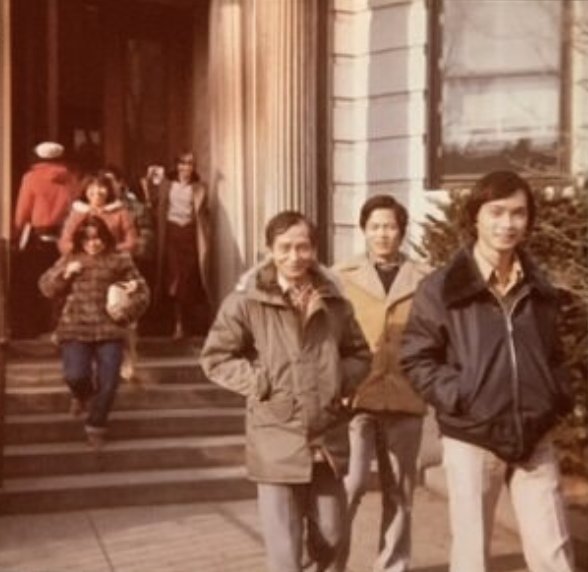
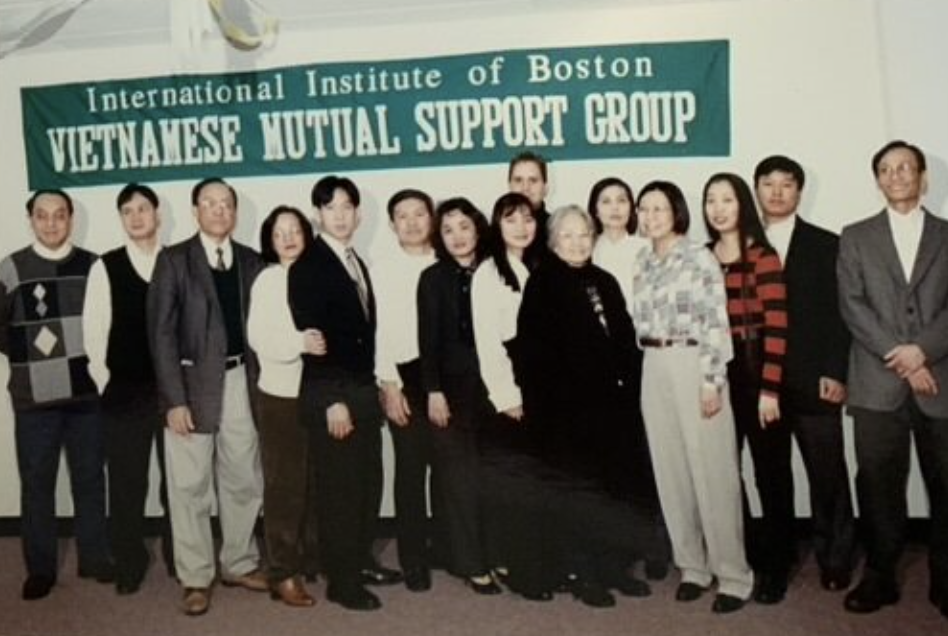
IIB continued to support South Asian refugees throughout the 1980s, particularly in 1988, when the federal Amerasian Homecoming Act admitted to the U.S. thousands of refugee children of mixed American and Vietnamese parentage whose heritage was a source of discrimination in Vietnam. IIB resettled hundreds of these children and their families, welcoming them into the growing Vietnamese communities in and around Boston, and launched the “Alternative Education Project” to help them learn literacy, English, and math. Throughout the 1970s and 80s, new attorneys and paralegals joined the Legal Services team to help refugees through the complicated process of applying for citizenship, and to reunite their families in the U.S.
Welcome for Post-Cold War Refugees
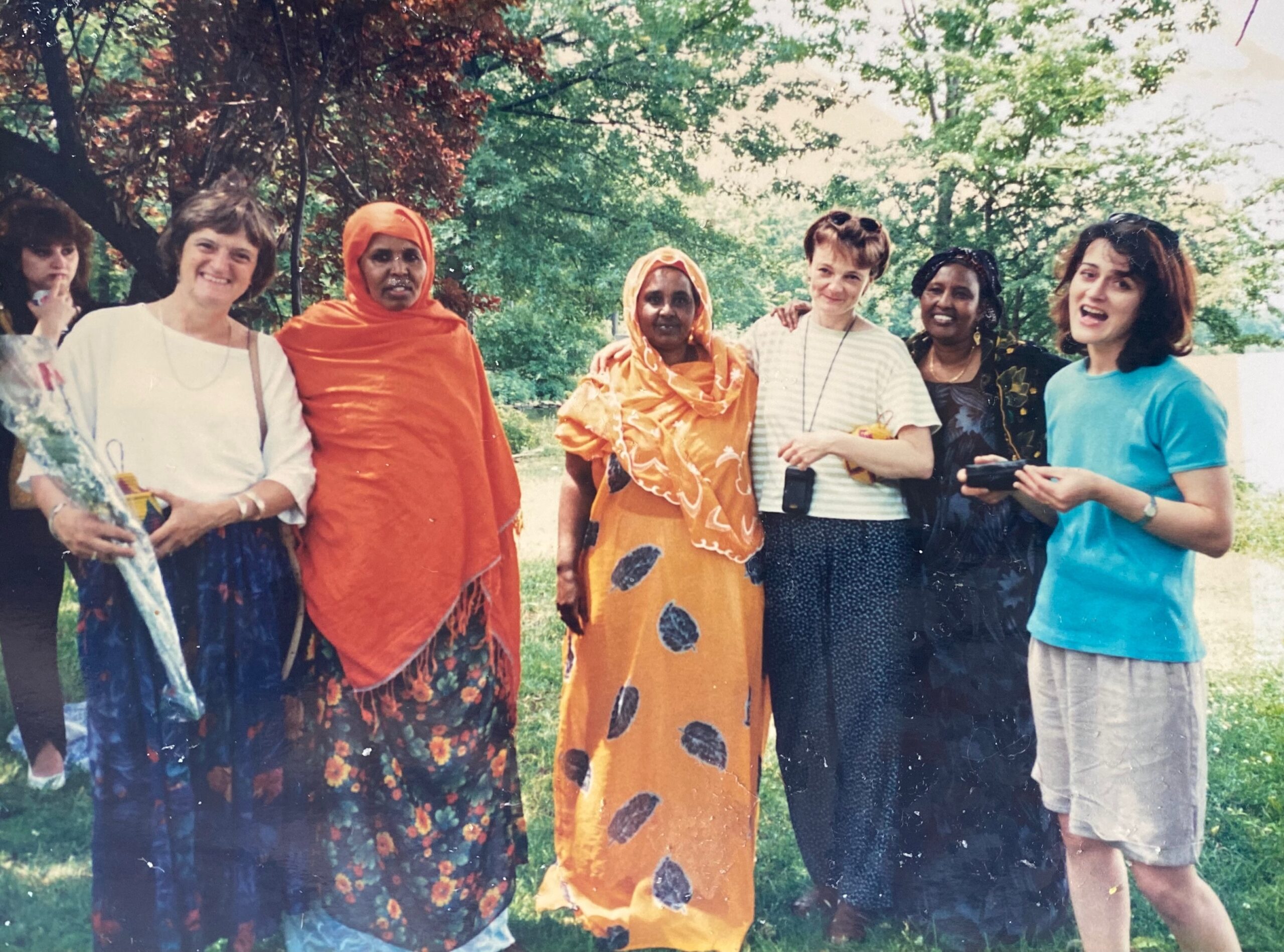
Soon after, when the Berlin Wall fell in 1989, bringing the Cold War to an end, IINE welcomed thousands of Jews fleeing persecution under Soviet regimes. Also welcomed were many refugees from the former Yugoslavia, where a civil war had led to ethnic cleansing and other mass atrocities. As brutal conflicts erupted throughout Northern Africa, IIB welcomed refugees from Ethiopia, Eritrea, Somalia, and Sudan.
At the same time refugee arrivals were surging, however, federal funding for refugee resettlement was decreasing dramatically and by the mid-1980s IIB’s staff and operations were forced to contract. By 1985, IIB had reduced to a small but mighty crew of staff members who spoke a collective 17 languages, including attorneys and paralegals who had been added to bolster the Legal Services team. For a time, IIB’s principal program focus became legal services and advocacy.
Legal Clinics and Emergency Assistance
1986 was a particularly momentous year for the Legal Services team as IIB launched the first immigration legal clinic of its kind in the area. In weekly workshops, the clinic provided Boston’s immigrant community with assistance in completing immigration forms and preparing their applications for permanent residency and citizenship.
That same year, IIB formed the Immigration Detainees Emergency Assistance (IDEA) program, bringing together 50 local attorneys to free people being held at an immigration detention center in Boston’s North End. Headed by an IIB paralegal and funded by The Boston Foundation and Lawyers Committee for International Human Rights, the IDEA program provided training to volunteer lawyers, assisted with interpretation and document preparation, monitored hearing dates, and raised bond money to help safely extricate those detained.
A Partner in Reform
It was also in 1986 that a blockbuster Immigration Reform and Control Act was signed by President Ronald Regan, dramatically altering the landscape in which IIB operated. The bill balanced stricter border controls and penalties for hiring undocumented workers with large-scale amnesty for the nation’s population of undocumented immigrants—a tremendous opportunity for foreign-born individuals living in the U.S. without secure legal status to obtain permanent residency and pathways to citizenships. All immigrants who had entered the U.S. before 1982, and all immigrant farm workers who could prove that they had been employed for at least 90 days, were eligible. There was a one-year window to apply, and doing so required a fee, fingerprinting, and a whole host of paperwork. IIB was one of several agencies throughout the country designated to help immigrants complete applications, through which about three million Americans gained legal status.
Many of IIB’s legal services today are shaped by the other major reform of the era: the Immigration Act of 1990. This act created Temporary Protective Status (TPS) to admit people from countries plagued by armed conflict, environmental disasters, or other extreme threats, and permitted them to work while in the U.S. It raised the caps on both immigrant and refugee admission, created a new preference category for family immigration, and allowed employers to apply for temporary visas to hire skilled workers.
Also, in another counterweight to the “quota system,” which, from the 1920s through the 1950s had restricted immigration by country largely based on ethnic discrimination (against which IIB had fought passionately), the Immigration Act of 1990 also created the “Diversity Lottery” to grant visas to people from nationality groups currently underrepresented in the U.S. This Act was not only another step forward in increasing the nation’s diversity, but also another victory for family reunification. In the mid-1990s IIB began working with families to help their eligible family members living abroad apply for this lottery in the hopes of being reunited.
Victim Assistance and Advocacy
While working to secure legal rights for Boston’s immigrants and refugees, IIB was also helping to ensure they were welcomed by neighbors and community members and working to protect their physical and mental health and safety. IIB’s Social Services department connected newcomers to counseling and crisis intervention support services, including a Victim Assistance program for those who had faced assault, racial harassment, or domestic violence. IIB partnered closely with the Asian Task Force Against Domestic Violence and became the first agency of its kind to offer resources for responding to domestic violence in a beginning-level English-language class.
To help protect rights and promote support for newcomers throughout Massachusetts, in 1987, IIB joined with other local resettlement agencies, immigrant-led community organizations, faith-based organizations, civil and human rights advocates, and providers of social, legal and health services to found the Massachusetts Immigrant and Refugee Advocacy Coalition (MIRA). The Coalition’s first Executive Director was former IIB Program Director Muriel Heiberger. Highly active today, MIRA is now 100-organizations strong.
New Partners and Frontiers
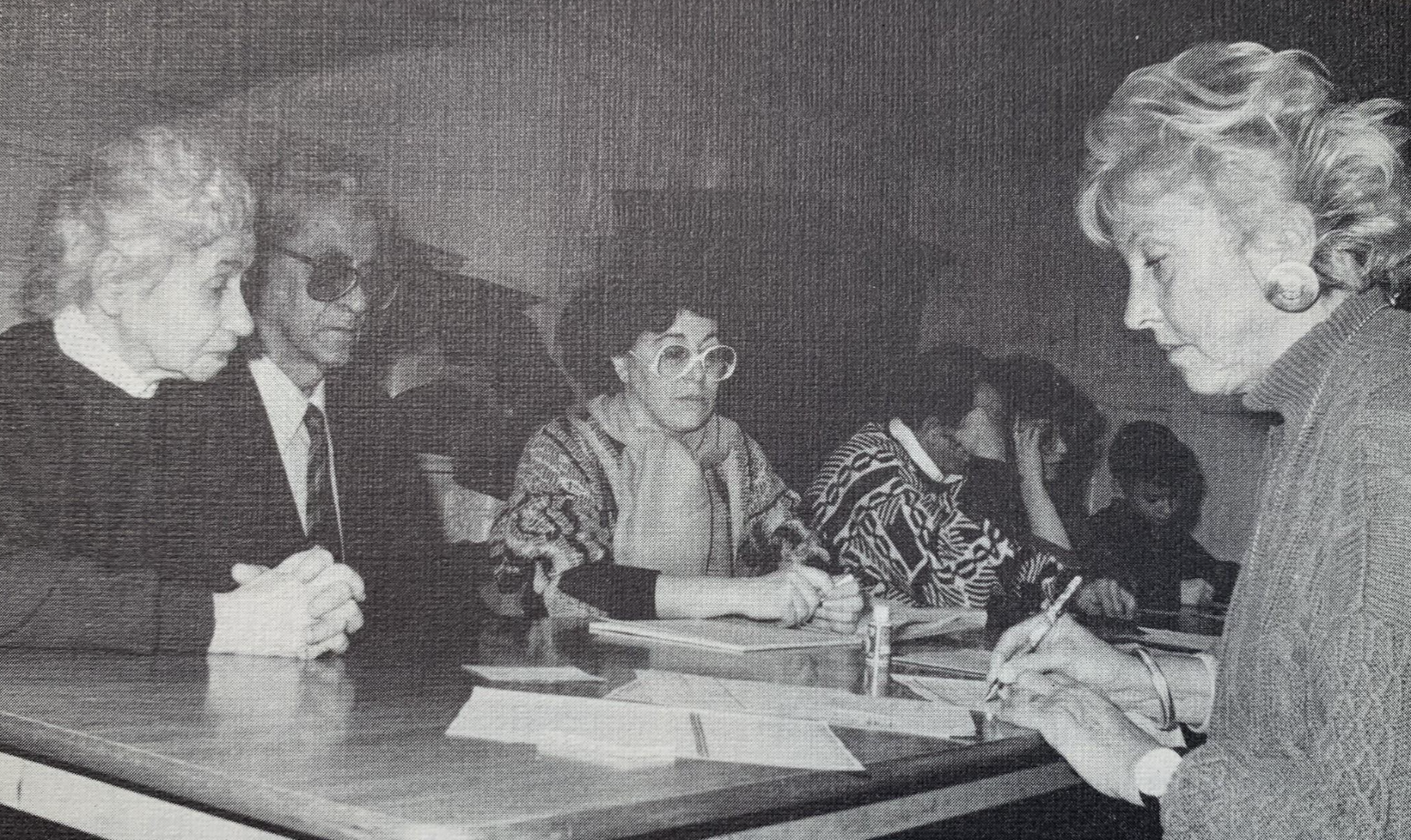
During the 1990s, IIB’s service ambitions continued to exceed its size, inspiring more new partnerships. One way the agency was able to expand capacity was to invest in volunteer training programs, bringing community members directly into the work of welcoming newcomers. Once trained, a crucial new corps of volunteers was integrated into both direct service and education programs.
In 1994, IIB connected with a community group that was serving refugees in the nearby gateway city of Manchester, New Hampshire, and opened its first field office outside of Boston, paving the way for what would later become the multi-site International Institute of New England.
· · ·
Today, IINE’s Immigration Legal Services team continues to help persecuted immigrants, including thousands with Temporary Protective Status, to apply for permanent residency and citizenship and to reunite their families. It also helps businesses to apply for temporary visas to employ skilled immigrant workers. IINE leadership sits on the Advisory Council of today’s Massachusetts Immigrant and Refugee Advocacy Coalition. Hundreds of community volunteers are integrated into across our organization in all departments. Our Manchester site serves more than 1,000 refugees and immigrants from countries throughout the world with housing and basic needs support, education, career services, legal services, and advocacy.
During our centennial year, we celebrate 100 years of life-changing support to refugees and immigrants in Greater Boston and prepare for our second century of service. Learn more here: IINE Boston Centennial.








 I am the grandson of immigrants who came through Ellis Island. Two of my grandparents emigrated from Russia, one from Belarus, and one from Austria. So, I was raised on the concept that America is a great nation – because it is multi-racial, multi-ethnic, multi-lingual, and multi-religious – and that it’s a place where people from around the world can come to find a new life and to prosper.

 I am the son of immigrants. My mother’s family came to Boston in the 1920s after fleeing pogroms in Russia. My father, who grew up in a town that’s now part of Ukraine, was a Holocaust survivor. During the war, he was in hiding for 3 years. The Soviets liberated him in the spring of 1944. An orphan after the war, my dad lived in Displaced Persons camps in Czechoslovakia and Germany. He was smuggled into Palestine in 1946 and came to the U.S. as a refugee in the early 1950s to join family members who were already here.

 I’m originally from Argentina. My mom and I came to the U.S. just before I turned five, and I grew up in Atlanta, Georgia. After attending college in New England, I decided to go abroad. I began my career in the international development field in Russia before pursuing my master’s in Italy. It was an amazing opportunity. Living in different countries both as a child and later as an adult really helped me develop a global perspective. Eventually, I decided to return to the U.S. and settle down in Massachusetts. I’ve been in Cambridge, where I live with my husband and our two kids, for over 20 years.
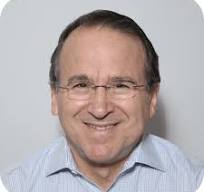 Richard Golob has broad experience at the international level, from global environmental issues to outsourcing in numerous countries. He is Cofounder and CEO of Quantori, Inc., one of the world’s leading data sciences and digital transformation services companies for the life sciences and healthcare sectors. Previously, he served as Global Head of Life Sciences at EPAM Systems, a publicly traded firm with more than 60,000 professionals worldwide. Richard joined EPAM through its acquisition of GGA Software Systems, a scientific informatics outsourcing company that Richard cofounded and where he served as CEO.
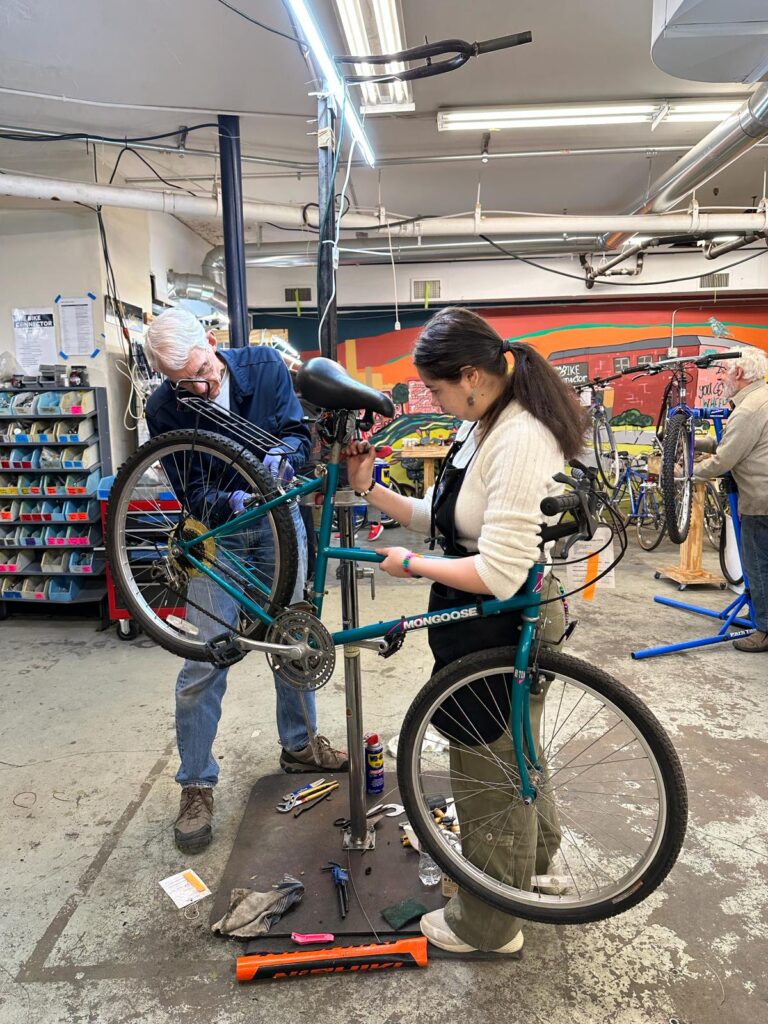
 Wade Rubinstein is the Founder and President of The Bike Connector, Inc. in Lowell, Massachusetts, which he launched to make bikes accessible and safe for all Lowell community members, including many IINE clients who bike to work and school. The son of immigrants to the United States, Wade has personally devoted many hours to supporting refugees, including directly supporting a family last year who fled Afghanistan and settled in Eastern Massachusetts.
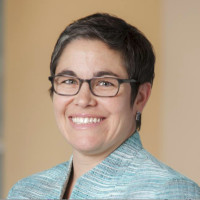
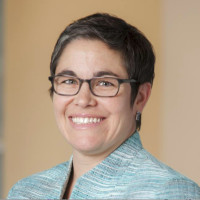 Carolina San Martin is a strategic leader with experience at the forefront of finance and sustainability. Her board expertise includes finance, sustainability, energy transition, talent management, DE&I, and governance. Carolina started out in the field of international development and took an unconventional route into a career in investment management. She joined Wellington Management in 2005 and retired in 2024 after serving as its first Director of Environmental, Social, and Governance Research, managing $1T in assets.